


Philip Ruo
-
Posts
119 -
Joined
-
Last visited
-
Days Won
38
Content Type
Profiles
Forums
Blogs
Events
News
2026 Kansas City Royals Top Prospects Ranking
Kansas City Royals Videos
Kansas City Royals Free Agent & Trade Rumors, Notes, & Tidbits
Guides & Resources
The Kansas City Royals Players Project
2026 Kansas City Royals Draft Tracker: Picks & Bonuses
Store
Downloads
Gallery
Everything posted by Philip Ruo
-
Cameron’s excellent pitching form began just after the All-Star break when he began calling his own pitches. Cameron shifted his pitch distribution from favoring his four-seam fastball to a more even distribution of pitches where his slider became more involved in the arsenal. Since his shift in approach, Cameron has seen a complete reversal in performance. His strikeout and walk percentages have improved; he is generating more whiffs and chases outside of the zone, and batters are getting softer contact and more ground balls. The continued improvement has given Cameron a much better outlook after a shaky start to his second season in the majors. A strong finish to the season could position him to be a key fixture in next season’s rotation. Honorable Mention: Nate Pearson Nate Pearson was traded to the Royals from the Astros on July 22 after being designated for assignment a few days prior. Since coming to Kansas City, he has been the Royals’ best reliever. In 15 appearances, Pearson has thrown 14 ⅔ innings with a 0.61 ERA and 0.3 fWAR, earning two saves in the process. He has been one of the few pitchers the Royals have been able to rely upon in key late-inning situations. Pearson still has some improvements that he can make. He struggles to make batters chase the ball and whiff. If he can continue his growth in Kansas City, he should be able to find a spot in the 2027 bullpen. View full article
-
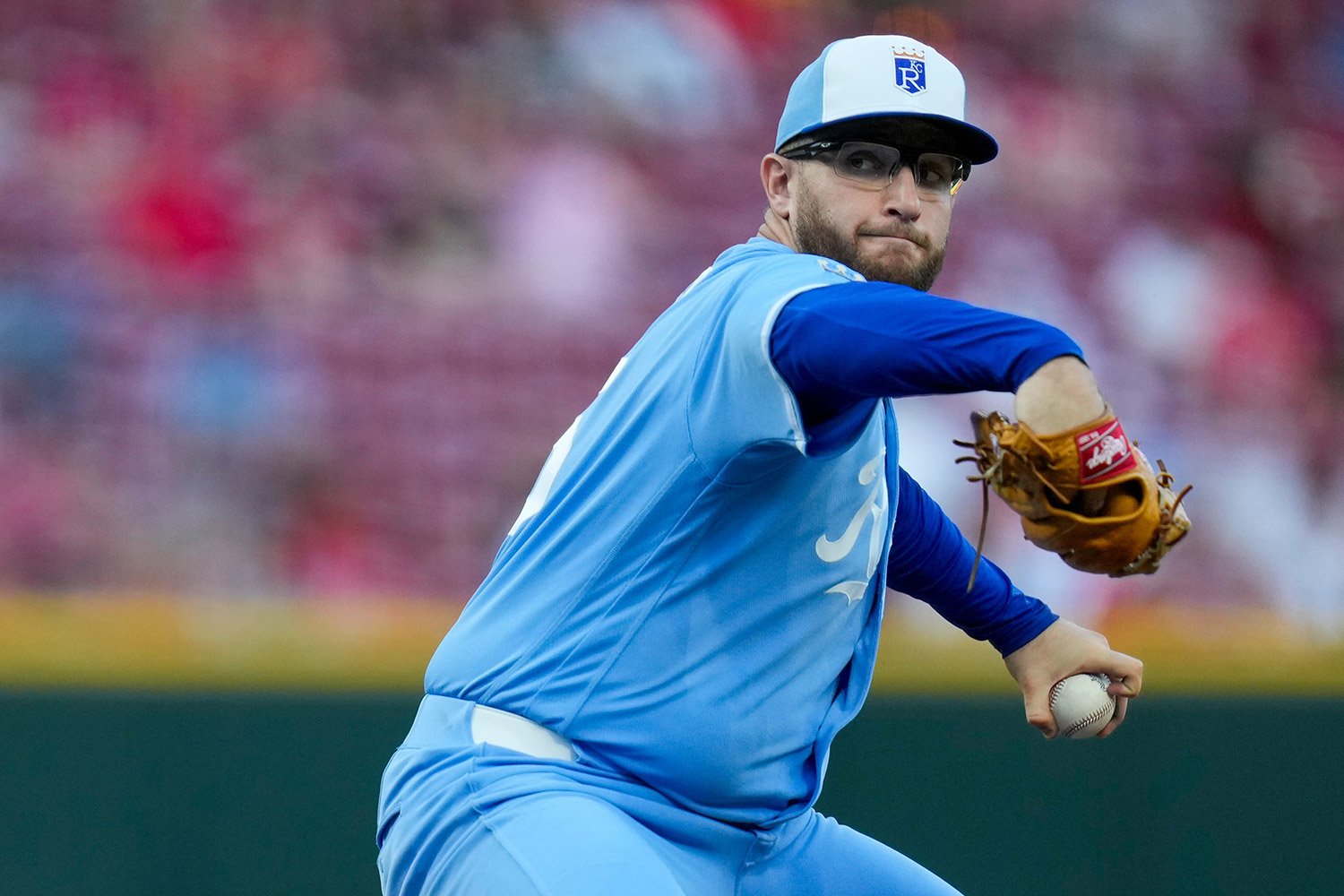 August was a month that the Royals saw improvement across the board. It was the first month of the season where the Royals had a winning record (16-11) and a positive run differential (+13). The month was filled with strong pitching performances, but no player stood out as much as Noah Cameron. Royals Pitcher Of The Month - Noah Cameron Noah Cameron finished the month with a 1.87 ERA over 33 ⅔ innings. He led all Royals starters in innings, ERA, FIP (2.93), and fWAR (1.0) during August. His ERA also ranks 13th among all pitchers in the majors for the month. Cameron’s month can be highlighted by his performance on August 8th when he pitched his first career complete game shutout while striking out eight batters and allowing only two baserunners. Cameron’s excellent pitching form began just after the All-Star break when he began calling his own pitches. Cameron shifted his pitch distribution from favoring his four-seam fastball to a more even distribution of pitches where his slider became more involved in the arsenal. Since his shift in approach, Cameron has seen a complete reversal in performance. His strikeout and walk percentages have improved; he is generating more whiffs and chases outside of the zone, and batters are getting softer contact and more ground balls. The continued improvement has given Cameron a much better outlook after a shaky start to his second season in the majors. A strong finish to the season could position him to be a key fixture in next season’s rotation. Honorable Mention: Nate Pearson Nate Pearson was traded to the Royals from the Astros on July 22 after being designated for assignment a few days prior. Since coming to Kansas City, he has been the Royals’ best reliever. In 15 appearances, Pearson has thrown 14 ⅔ innings with a 0.61 ERA and 0.3 fWAR, earning two saves in the process. He has been one of the few pitchers the Royals have been able to rely upon in key late-inning situations. Pearson still has some improvements that he can make. He struggles to make batters chase the ball and whiff. If he can continue his growth in Kansas City, he should be able to find a spot in the 2027 bullpen.
 -
Image courtesy of Denny Medley-Imagn Images Jac Caglianone is in the midst of his breakout season for the Royals. 2025 was not the start that the Royals imagined when they called up the 2024 first-round draft pick. In his rookie campaign, he slashed .157/.237/.295 with a 47 wRC+ and a -1.6 fWAR. This season, he is much improved to a slash line of .276/.328/.491 with a 124 wRC+ and 2.2 fWAR. Since June 1st, he has taken his performance to the next level, where the 23-year-old ranks 10th among all qualified hitters with a 149 wRC+ and a slash line of .305/.347/.566. Yirsandy Rodríguez posted an excellent breakdown analyzing Caglianone’s performances from 2026, the first half of 2026, and the second half of 2026. Considering his new level of production, The Royals may now have enough information to believe that Caglianone will continue to be a threat in the middle of the lineup for years to come.. The Royals have been aggressive lately in signing their young stars to contract extensions. There are currently three recent examples of how the Royals could construct an extension. Cole Ragans | 3 years - $13,250,000 Before the 2025 season, the Royals rewarded Ragans with a contract extension following his first full season in Kansas City, where he finished fourth in American League Cy Young voting with a 3.14 ERA over 186 ⅓ innings. This type of extension is rather short compared to most contract extensions. With only three years of guaranteed money, Ragans will still be eligible for one year of arbitration before becoming a free agent in 2029. This type of extension is seen as more of a compromise, where Ragans is rewarded with near-top-of-the-market guaranteed salaries for those three years but is unable to earn a higher payout in arbitration if he were to continue his Cy Young trajectory. Unless the Royals expect Caglianone to command high arbitration numbers with top finishes in MVP voting, this path is less likely. Vinnie Pasquantino signed a similar extension this past offseason, avoiding his first two years of arbitration with a guaranteed contract and would still be eligible for his final year of arbitration before hitting free agency in 2029. This extension was perhaps a slightly different case, since it was signed during a period when Pasquantino and the Royals could not agree on a contract and were headed to arbitration. Maikel Garcia | 5 years - $57,500,000 The Royals inked Garcia to this extension this past offseason after his breakout season. In 2025 Garcia slashed .286/.351/.449 with a 121 wRC+ and 5.7 fWAR. He also earned his first All-Star selection, won the Gold Glove at third base, and finished 14th in AL MVP voting. Garcia’s contract extension is more of the prototypical extension where the team “buys out” the player's first year of free agency in exchange for the increase in guaranteed money well above the expected value for a player going through arbitration. Garcia will also hit free agency at an age where he could still earn a good contract after this one expires. Garcia would become a free agent going into his age-31 season (or age-32 season if the Royals pick up his club option for 2031). Every pre-arbitration contract extension signed this season has followed a similar model, in which the player would finish their contract at or before 30 years old. Bobby Witt Jr. | 11 years - $288,777,777 Witt signed his extension after his second season in the majors. There are only a few players who have signed pre-arbitration deals that would take the player through their early 30s. Those players are Fernando Tatis Jr., Julio Rodriguez, and a player from the Rays who should remain nameless. The only players who command this type of extension are players who have already proven they can compete at an MVP-caliber level. Rodriguez signed his deal after winning Rookie of the Year, and Tatis signed after finishing fourth in NL MVP voting at 21 years old. Witt was also coming off a season where he finished seventh in MVP voting. The players also play premium defensive positions. Witt and Tatis (at the time) play shortstop, and Rodriguez plays center field. With Caglianone not yet being able to display the same caliber of production at less important positions, it is unlikely that he will command this type of extension if he gets one. What does this all mean going forward? The Royals should strongly consider locking down Caglianone long-term. With Garcia and Witt entering their prime years, adding Caglianone to that mix could solidify the heart of the Kansas City lineup for many years to come. Pasquantino’s future also could play a role in extension talks. If he does not factor into the Royals’ plans, Caglianone could shift back to his more-natural position at first base. First basemen are typically in lower demand because it is a less valuable position. Caglianone will want to be paid like an outfielder, but the Royals could prefer to value him as a first baseman. If the Royals do intend to secure Caglianone long-term, a deal would likely fall into a deal similar to Garcia’s with a few more years since Caglianone is earlier in his career. A seven-year contract would take away two years of free agency, end after his age-30 season, and also remove two seasons where he would be making the league-minimum salary. A structure that makes sense could be similar to Tyler Soderstrom’s contract, which was for seven years and $86 million with a $27 million club option for the eighth season. Soderstrom has seen a similar path as Caglianone; both were drafted out of high school and struggled in their first season in the majors. Soderstrom was also at the same age when he signed his extension, entering his age-24 season. With Soderstrom playing first base, his valuation could work as a baseline for Caglianone’s expected average annual value. Other Complicating Factors The Royals could choose to remain conservative with any extension talks. Witt has opt-outs that begin following the 2030 season, and if the Royals do not pick up the club option for Garcia, his contract also ends in 2031. With Caglianone not set to become a free agent in 2032, the Royals could look at the next four seasons as their window to compete and not be as interested in securing Caglianone for the years to follow. The impending lockout is also a wrinkle to consider. With the CBA expiring in December this year, the landscape for contracts in the coming seasons remains uncertain. The Royals may intend to hold off on extensions until there is more clarity for future payroll structures. The Royals and Caglianone have the potential to secure the heart of the lineup for years to come and secure the core of the franchise. Will the Royals be ambitious enough to make the deal, or will the uncertain future result in hesitancy to commit to increasing payroll? Right now could be the perfect time to sign an extension since it is still to be determined how valuable Caglianone will be in the future. As a small market team, continued improvements from Caglianone could take him out of their price range. With the team rarely willing to compete for top free agents, the Royals should secure their best players before they’re gone View full article
-
It’s Time For The Royals To Consider A Jac Caglianone Extension
Philip Ruo posted an article in Royals
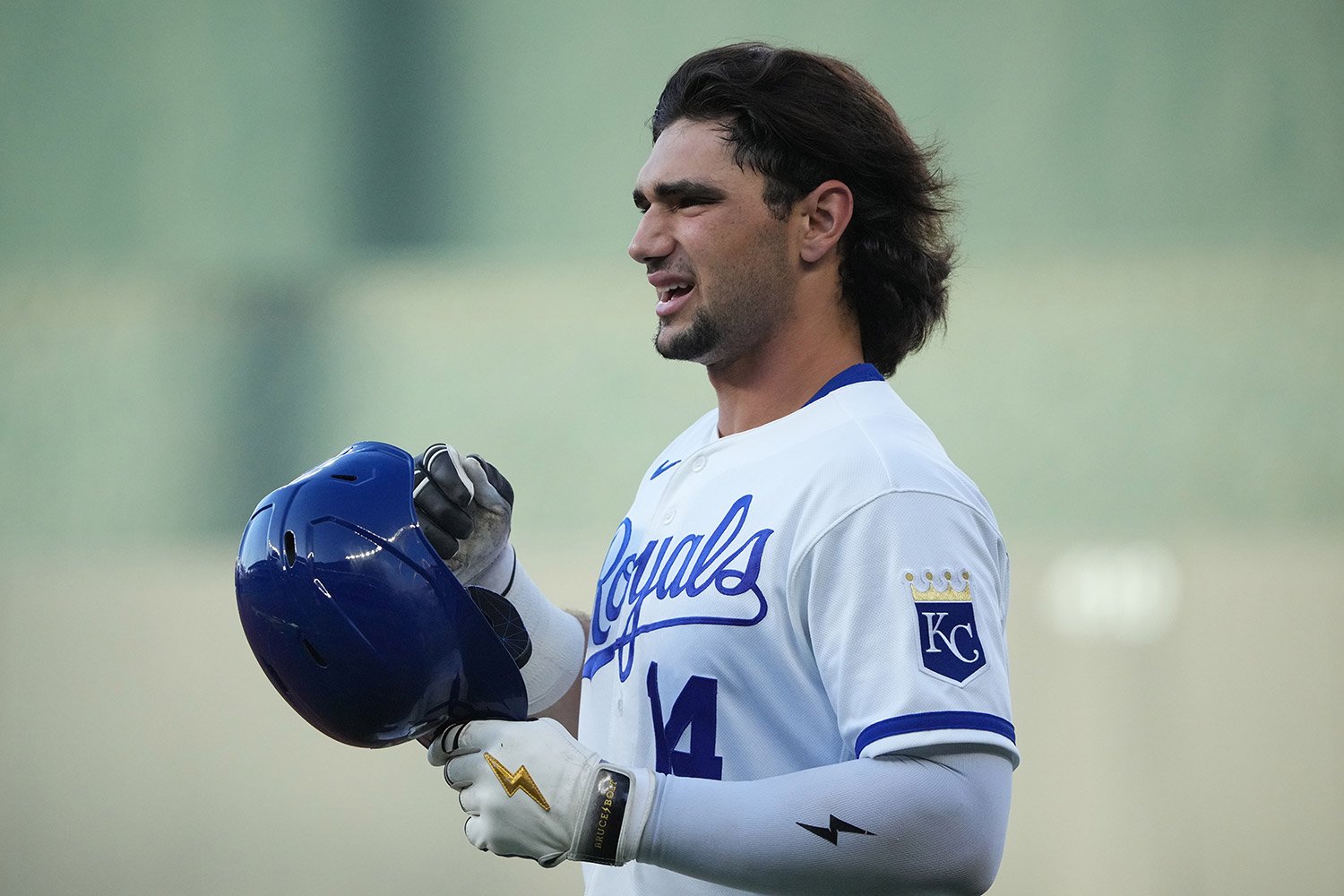 Jac Caglianone is in the midst of his breakout season for the Royals. 2025 was not the start that the Royals imagined when they called up the 2024 first-round draft pick. In his rookie campaign, he slashed .157/.237/.295 with a 47 wRC+ and a -1.6 fWAR. This season, he is much improved to a slash line of .276/.328/.491 with a 124 wRC+ and 2.2 fWAR. Since June 1st, he has taken his performance to the next level, where the 23-year-old ranks 10th among all qualified hitters with a 149 wRC+ and a slash line of .305/.347/.566. Yirsandy Rodríguez posted an excellent breakdown analyzing Caglianone’s performances from 2026, the first half of 2026, and the second half of 2026. Considering his new level of production, The Royals may now have enough information to believe that Caglianone will continue to be a threat in the middle of the lineup for years to come.. The Royals have been aggressive lately in signing their young stars to contract extensions. There are currently three recent examples of how the Royals could construct an extension. Cole Ragans | 3 years - $13,250,000 Before the 2025 season, the Royals rewarded Ragans with a contract extension following his first full season in Kansas City, where he finished fourth in American League Cy Young voting with a 3.14 ERA over 186 ⅓ innings. This type of extension is rather short compared to most contract extensions. With only three years of guaranteed money, Ragans will still be eligible for one year of arbitration before becoming a free agent in 2029. This type of extension is seen as more of a compromise, where Ragans is rewarded with near-top-of-the-market guaranteed salaries for those three years but is unable to earn a higher payout in arbitration if he were to continue his Cy Young trajectory. Unless the Royals expect Caglianone to command high arbitration numbers with top finishes in MVP voting, this path is less likely. Vinnie Pasquantino signed a similar extension this past offseason, avoiding his first two years of arbitration with a guaranteed contract and would still be eligible for his final year of arbitration before hitting free agency in 2029. This extension was perhaps a slightly different case, since it was signed during a period when Pasquantino and the Royals could not agree on a contract and were headed to arbitration. Maikel Garcia | 5 years - $57,500,000 The Royals inked Garcia to this extension this past offseason after his breakout season. In 2025 Garcia slashed .286/.351/.449 with a 121 wRC+ and 5.7 fWAR. He also earned his first All-Star selection, won the Gold Glove at third base, and finished 14th in AL MVP voting. Garcia’s contract extension is more of the prototypical extension where the team “buys out” the player's first year of free agency in exchange for the increase in guaranteed money well above the expected value for a player going through arbitration. Garcia will also hit free agency at an age where he could still earn a good contract after this one expires. Garcia would become a free agent going into his age-31 season (or age-32 season if the Royals pick up his club option for 2031). Every pre-arbitration contract extension signed this season has followed a similar model, in which the player would finish their contract at or before 30 years old. Bobby Witt Jr. | 11 years - $288,777,777 Witt signed his extension after his second season in the majors. There are only a few players who have signed pre-arbitration deals that would take the player through their early 30s. Those players are Fernando Tatis Jr., Julio Rodriguez, and a player from the Rays who should remain nameless. The only players who command this type of extension are players who have already proven they can compete at an MVP-caliber level. Rodriguez signed his deal after winning Rookie of the Year, and Tatis signed after finishing fourth in NL MVP voting at 21 years old. Witt was also coming off a season where he finished seventh in MVP voting. The players also play premium defensive positions. Witt and Tatis (at the time) play shortstop, and Rodriguez plays center field. With Caglianone not yet being able to display the same caliber of production at less important positions, it is unlikely that he will command this type of extension if he gets one. What does this all mean going forward? The Royals should strongly consider locking down Caglianone long-term. With Garcia and Witt entering their prime years, adding Caglianone to that mix could solidify the heart of the Kansas City lineup for many years to come. Pasquantino’s future also could play a role in extension talks. If he does not factor into the Royals’ plans, Caglianone could shift back to his more-natural position at first base. First basemen are typically in lower demand because it is a less valuable position. Caglianone will want to be paid like an outfielder, but the Royals could prefer to value him as a first baseman. If the Royals do intend to secure Caglianone long-term, a deal would likely fall into a deal similar to Garcia’s with a few more years since Caglianone is earlier in his career. A seven-year contract would take away two years of free agency, end after his age-30 season, and also remove two seasons where he would be making the league-minimum salary. A structure that makes sense could be similar to Tyler Soderstrom’s contract, which was for seven years and $86 million with a $27 million club option for the eighth season. Soderstrom has seen a similar path as Caglianone; both were drafted out of high school and struggled in their first season in the majors. Soderstrom was also at the same age when he signed his extension, entering his age-24 season. With Soderstrom playing first base, his valuation could work as a baseline for Caglianone’s expected average annual value. Other Complicating Factors The Royals could choose to remain conservative with any extension talks. Witt has opt-outs that begin following the 2030 season, and if the Royals do not pick up the club option for Garcia, his contract also ends in 2031. With Caglianone not set to become a free agent in 2032, the Royals could look at the next four seasons as their window to compete and not be as interested in securing Caglianone for the years to follow. The impending lockout is also a wrinkle to consider. With the CBA expiring in December this year, the landscape for contracts in the coming seasons remains uncertain. The Royals may intend to hold off on extensions until there is more clarity for future payroll structures. The Royals and Caglianone have the potential to secure the heart of the lineup for years to come and secure the core of the franchise. Will the Royals be ambitious enough to make the deal, or will the uncertain future result in hesitancy to commit to increasing payroll? Right now could be the perfect time to sign an extension since it is still to be determined how valuable Caglianone will be in the future. As a small market team, continued improvements from Caglianone could take him out of their price range. With the team rarely willing to compete for top free agents, the Royals should secure their best players before they’re gone
 -
What Happened To Carter Jensen’s Power Decline?
Philip Ruo replied to Yirsandy Rodríguez's topic in Kansas City Royals Talk
Naturally, he hits a leadoff home run tonight! -
Going Oppo: Why the Royals Can't Compete In 2027
Philip Ruo replied to Philip Ruo's topic in Kansas City Royals Talk
And if he is under contract for next season, I don't think my argument changes significantly. Either way, the Royals need more depth in the rotation. -
Going Oppo: Why the Royals Can't Compete In 2027
Philip Ruo replied to Philip Ruo's topic in Kansas City Royals Talk
I thought so too, but since I could not find any confirmation that he was, I operated under the assumption that he was not. -
Image courtesy of Jay Biggerstaff-Imagn Images The Royals took a calculated risk at the trade deadline by not letting go of pitchers like Michael Wacha, Seth Lugo, and Daniel Lynch IV. The Royals front office believes that the Royals are able to compete for the playoffs in 2027. This belief makes sense on the surface since many Royals contributors are still under club control for next season. However, the deeper you look at the roster, the more 2027 starts to look less like a team one offseason away from contention and more like a team that has too many problems that need to be solved. This is one of two articles. To read the opposing viewpoint, click here. Unsettled Rotation The Royals entered last offseason with a surplus of major-league options to the point where they were open to trading away starters to bolster the lineup. With the summer coming to a close in 2027, only three of the starters from that group remain on the active roster: Michael Wacha, Seth Lugo, and Noah Cameron. To account for injuries and departures, the Royals have turned to Randy Dobnak and Lynch to fill the remaining rotation spots. Player Injury Last Played Estimated Return Cole Ragans UCL Repair 5/6/2026 Mid-2027 Kris Bubic Elbow Soreness 5/14/2026 Traded to Dodgers/Free Agent Stephen Kolek Tommy John Surgery 7/2/2026 Late 2027 Luinder Avila Tommy John Surgery 8/1/2026 Late 2027 Bailey Falter n/a - DFA 5/26/2026 Traded to Braves Ryan Bergert Tommy John Surgery Spring Training Early 2027 With the exception of maybe Bergert, none of these pitchers (those who are still in the organization) can be counted on for a high volume of innings next season, and the Royals will need to add a minimum of two major-league proven starters to have a chance at competing. While the front office could expect a return from Bergert and Ragans to help this team next season if their rehabs stay on schedule, the Royals would be asking a lot of those pitchers to make immediate impacts following their recoveries. While Dobnak has been a surprise spark to the rotation since joining in July. In his first five starts with the Royals, Dobnak has a 2.05 ERA over 26 ⅓ innings. However, his 3.57 FIP and 4.74 xERA indicate he is headed for a regression, and his spot with the Royals is not guaranteed after this season since he is set to be a free agent. Could the Royals decide to hold onto Dobnak after his successful start? Until this season, he had not thrown more than 10 major-league innings since 2021. Choosing to rely on him long term would carry its own risks. For Lynch, he has only pitched a total of four innings in his two starts since joining the rotation. In those short appearances, he has allowed six earned runs with two home runs. Lynch had previously been a starter for the Royals but has not started the majority of his appearances since 2023. He had been the Royals’ best reliever this season and will almost certainly need to return to the bullpen to regain his impact. The prospect options do not look like they will be able to provide an immediate impact either. Avila was called up this season and suffered a long-term injury. No. 18 prospect Ben Kudrna was projected to possibly make his major-league debut this season before he was sidelined for all of 2026 after undergoing surgery to repair a stress fracture in his elbow. Mitch Spence struggled in limited time this season. One intriguing option could be Lucas Braun, who was acquired from the Braves in exchange for Falter and Lane Thomas near this year’s trade deadline. Though in a season in which the Royals intend to contend for the postseason, relying on a prospect with only 14 starts in triple-A is usually not a recipe for success. Injury Issues Have Plagued The Lineup Unsurprisingly, Bobby Witt Jr. is the most consistent bat in the Royals’ lineup this season, with Jac Caglianone proving that he can be a threat in the middle of the order. After those two, there is a drop-off in production from Royals hitters this season. Of Royals players with at least 100 plate appearances, only Witt, Caglianone, Tyler Tolbert, and Lane Thomas have a wRC+ over 100 (league-average). Thomas was traded to the Braves, and Tolbert is only just above that qualifier with 104 PAs and had a streak of 12 straight PAs with a hit, which perhaps has skewed his stats. Previous offensive standouts Maikel Garcia and Vinnie Pasquantino are currently on the injured list and have spent extended stretches out of the lineup. Garcia was one of the standout performers last season for the Royals, and he was rewarded with a contract extension that runs through the 2030 season. He also had a strong World Baseball Classic with champions Venezuela and won the tournament MVP. Can Garcia return to his 2025 form after fully recovering from his injury? Pasquantino entered 2026 after finishing his only fully healthy season, where he hit 32 home runs and 113 RBIs with a 116 wRC+. In his limited time in 2026, he has a wRC+ of 84 with a lower wOBA of .295. First base is a position that is expected to provide power in the lineup. Pasquantino has not been able to provide that this season despite also having a strong performance in the WBC with Italy. He is another player that the Royals will need to return to his previous form in order to compete in 2027. The Bullpen Will Need A Full Reset What could go wrong in the bullpen has gone wrong for the Royals in 2026. The Royals' bullpen ranks among the bottom two in many key metrics, including fWAR, ERA, and FIP. Many standout performers from previous seasons saw severe regression. Carlos Estévez was the MLB saves leader in 2025 but saw an almost 5 mph drop in his pitch velocity. He has only appeared in one game this season and has been on the IL since. The Royals will certainly not be picking up his club option for 2027. Lucas Erceg assumed the closer job in Estévez’s absence, a job he would eventually lose after his ERA ballooned to 6 after having an ERA under 3 in each of his previous seasons in Kansas City. Erceg still has three years of control but will need to regain his command to make a meaningful impact in the bullpen moving forward. Other offseason acquisitions with years of control include Nick Mears and Alex Lange. Lange took over the closer role after Erceg and had a stretch of successful save opportunities. His ERA now sits above 6.00, and he no longer occupies the closer role. Mears has one more year of control, but hasn’t pitched since May with a shoulder impingement, with no current timetable for return. Left in the bullpen are Steven Cruz, Jose Cuas, Nate Pearson, Mason Black, Craig Kimbrel, and Lynch. Lynch, Cuas, and Pearson are the only relievers with positive fWAR, and with the exception of Kimbrel, who is definitely past his prime, none of these pitchers have extensive experience in high-leverage or save opportunities. The Royals will need to add proven bullpen arms to anchor the bullpen if they truly want to compete in 2027. The Outfield Isn't Settled Other than from Caglianone, the Royals must get more production from their outfield. The outfield has improved compared to 2026, when they ranked last in fWAR and wRC+, but the improvement has only moved the Royals to 17th in wRC+ and 24th in fWAR. A lot of that production was carried by Lane Thomas, who has since been traded to Atlanta. Isaac Collins has been a steady performer in left field, but he only has a league-average wRC+. His plate discipline is strong with low chase and whiff rates, but that is offset by his lack of power with an xSLG in the bottom 5% in MLB. Kyle Isbel has returned from injury to play center field, but he needs a platoon partner to face left-handed pitchers. Tolbert can be the player to split time in center, but he hasn’t proven to be a consistent threat to do damage in the lineup. For a lineup that has been over-reliant on Witt and Caglianone for power, at least one of Isbel, Tolbert, or Collins would need to step up to that role, but none of them have yet demonstrated the ability to do so. The Royals will need to add a player of that profile in the offseason. Other outfield options include John Rave and potential callup, former 1st-round draft pick, Gavin Cross. Rave has not been able to cement himself in the Royals lineup with streaky performances. Cross’s minor-league career has been full of ups and downs with a high strikeout rate. He could make an impact if given the promotion to the majors, but neither he nor Rave should truly be counted on for regular playing time next season at this time. Other Lingering Questions What role does Perez have in 2027? He has one more year left on his contract, but Father Time has caught up with him in 2026. He is having a career-worst season with a 68 wRC+ and -1.3 fWAR. Carter Jensen has assumed the starting catching duties, and Perez will need to take on a lesser role. If the Royals decide to make him the primary designated hitter, his bat will need to improve. Is Michael Massey the starting second baseman? Massey is having one of his better years with a 96 wRC+ and 1.4 fWAR. He has been able to remain relatively healthy. Can he continue to remain healthy and secure the second base position? To sum all of the above, on offense the Royals need Pasquantino and Garcia to regain their health and return to previous levels of production, add at least one outfielder who can ideally hit for power, and answer how to handle Perez and the DH position. For pitching, they need to add two MLB-proven starters and multiple relievers, one of which being the everyday closer. For a small-market franchise that does not have a history of making big moves in free agency, the laundry list of needs has gotten too long. The Royals are yet to prove that they are willing to make the moves necessary to take their roster to the next level. With an impending lockout after the CBA expires in December, free agency and offseason moves will have an added level of difficulty and anxiety to navigate. View full article
-
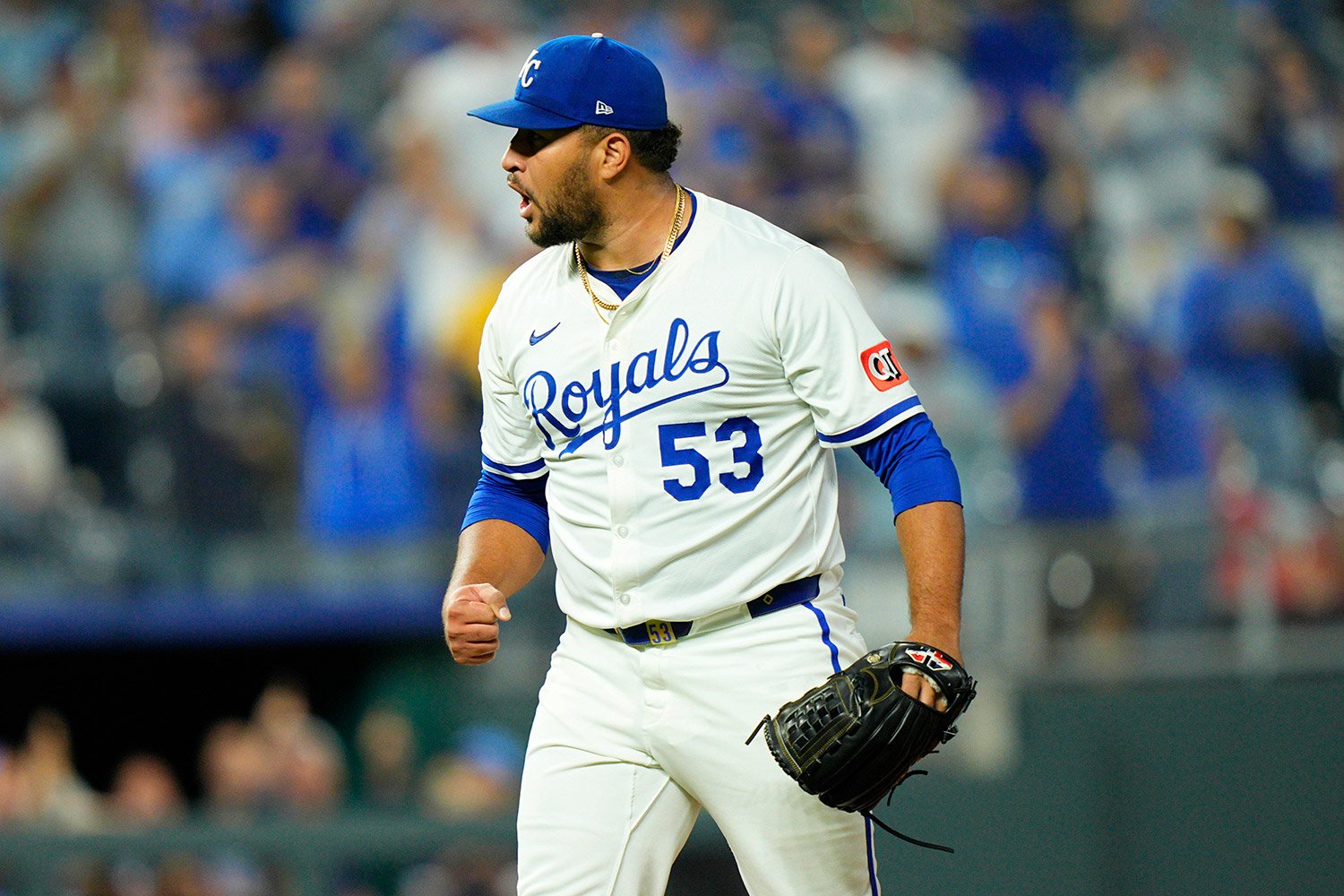 The Royals took a calculated risk at the trade deadline by not letting go of pitchers like Michael Wacha, Seth Lugo, and Daniel Lynch IV. The Royals front office believes that the Royals are able to compete for the playoffs in 2027. This belief makes sense on the surface since many Royals contributors are still under club control for next season. However, the deeper you look at the roster, the more 2027 starts to look less like a team one offseason away from contention and more like a team that has too many problems that need to be solved. This is one of two articles. To read the opposing viewpoint, click here. Unsettled Rotation The Royals entered last offseason with a surplus of major-league options to the point where they were open to trading away starters to bolster the lineup. With the summer coming to a close in 2027, only three of the starters from that group remain on the active roster: Michael Wacha, Seth Lugo, and Noah Cameron. To account for injuries and departures, the Royals have turned to Randy Dobnak and Lynch to fill the remaining rotation spots. Player Injury Last Played Estimated Return Cole Ragans UCL Repair 5/6/2026 Mid-2027 Kris Bubic Elbow Soreness 5/14/2026 Traded to Dodgers/Free Agent Stephen Kolek Tommy John Surgery 7/2/2026 Late 2027 Luinder Avila Tommy John Surgery 8/1/2026 Late 2027 Bailey Falter n/a - DFA 5/26/2026 Traded to Braves Ryan Bergert Tommy John Surgery Spring Training Early 2027 With the exception of maybe Bergert, none of these pitchers (those who are still in the organization) can be counted on for a high volume of innings next season, and the Royals will need to add a minimum of two major-league proven starters to have a chance at competing. While the front office could expect a return from Bergert and Ragans to help this team next season if their rehabs stay on schedule, the Royals would be asking a lot of those pitchers to make immediate impacts following their recoveries. While Dobnak has been a surprise spark to the rotation since joining in July. In his first five starts with the Royals, Dobnak has a 2.05 ERA over 26 ⅓ innings. However, his 3.57 FIP and 4.74 xERA indicate he is headed for a regression, and his spot with the Royals is not guaranteed after this season since he is set to be a free agent. Could the Royals decide to hold onto Dobnak after his successful start? Until this season, he had not thrown more than 10 major-league innings since 2021. Choosing to rely on him long term would carry its own risks. For Lynch, he has only pitched a total of four innings in his two starts since joining the rotation. In those short appearances, he has allowed six earned runs with two home runs. Lynch had previously been a starter for the Royals but has not started the majority of his appearances since 2023. He had been the Royals’ best reliever this season and will almost certainly need to return to the bullpen to regain his impact. The prospect options do not look like they will be able to provide an immediate impact either. Avila was called up this season and suffered a long-term injury. No. 18 prospect Ben Kudrna was projected to possibly make his major-league debut this season before he was sidelined for all of 2026 after undergoing surgery to repair a stress fracture in his elbow. Mitch Spence struggled in limited time this season. One intriguing option could be Lucas Braun, who was acquired from the Braves in exchange for Falter and Lane Thomas near this year’s trade deadline. Though in a season in which the Royals intend to contend for the postseason, relying on a prospect with only 14 starts in triple-A is usually not a recipe for success. Injury Issues Have Plagued The Lineup Unsurprisingly, Bobby Witt Jr. is the most consistent bat in the Royals’ lineup this season, with Jac Caglianone proving that he can be a threat in the middle of the order. After those two, there is a drop-off in production from Royals hitters this season. Of Royals players with at least 100 plate appearances, only Witt, Caglianone, Tyler Tolbert, and Lane Thomas have a wRC+ over 100 (league-average). Thomas was traded to the Braves, and Tolbert is only just above that qualifier with 104 PAs and had a streak of 12 straight PAs with a hit, which perhaps has skewed his stats. Previous offensive standouts Maikel Garcia and Vinnie Pasquantino are currently on the injured list and have spent extended stretches out of the lineup. Garcia was one of the standout performers last season for the Royals, and he was rewarded with a contract extension that runs through the 2030 season. He also had a strong World Baseball Classic with champions Venezuela and won the tournament MVP. Can Garcia return to his 2025 form after fully recovering from his injury? Pasquantino entered 2026 after finishing his only fully healthy season, where he hit 32 home runs and 113 RBIs with a 116 wRC+. In his limited time in 2026, he has a wRC+ of 84 with a lower wOBA of .295. First base is a position that is expected to provide power in the lineup. Pasquantino has not been able to provide that this season despite also having a strong performance in the WBC with Italy. He is another player that the Royals will need to return to his previous form in order to compete in 2027. The Bullpen Will Need A Full Reset What could go wrong in the bullpen has gone wrong for the Royals in 2026. The Royals' bullpen ranks among the bottom two in many key metrics, including fWAR, ERA, and FIP. Many standout performers from previous seasons saw severe regression. Carlos Estévez was the MLB saves leader in 2025 but saw an almost 5 mph drop in his pitch velocity. He has only appeared in one game this season and has been on the IL since. The Royals will certainly not be picking up his club option for 2027. Lucas Erceg assumed the closer job in Estévez’s absence, a job he would eventually lose after his ERA ballooned to 6 after having an ERA under 3 in each of his previous seasons in Kansas City. Erceg still has three years of control but will need to regain his command to make a meaningful impact in the bullpen moving forward. Other offseason acquisitions with years of control include Nick Mears and Alex Lange. Lange took over the closer role after Erceg and had a stretch of successful save opportunities. His ERA now sits above 6.00, and he no longer occupies the closer role. Mears has one more year of control, but hasn’t pitched since May with a shoulder impingement, with no current timetable for return. Left in the bullpen are Steven Cruz, Jose Cuas, Nate Pearson, Mason Black, Craig Kimbrel, and Lynch. Lynch, Cuas, and Pearson are the only relievers with positive fWAR, and with the exception of Kimbrel, who is definitely past his prime, none of these pitchers have extensive experience in high-leverage or save opportunities. The Royals will need to add proven bullpen arms to anchor the bullpen if they truly want to compete in 2027. The Outfield Isn't Settled Other than from Caglianone, the Royals must get more production from their outfield. The outfield has improved compared to 2026, when they ranked last in fWAR and wRC+, but the improvement has only moved the Royals to 17th in wRC+ and 24th in fWAR. A lot of that production was carried by Lane Thomas, who has since been traded to Atlanta. Isaac Collins has been a steady performer in left field, but he only has a league-average wRC+. His plate discipline is strong with low chase and whiff rates, but that is offset by his lack of power with an xSLG in the bottom 5% in MLB. Kyle Isbel has returned from injury to play center field, but he needs a platoon partner to face left-handed pitchers. Tolbert can be the player to split time in center, but he hasn’t proven to be a consistent threat to do damage in the lineup. For a lineup that has been over-reliant on Witt and Caglianone for power, at least one of Isbel, Tolbert, or Collins would need to step up to that role, but none of them have yet demonstrated the ability to do so. The Royals will need to add a player of that profile in the offseason. Other outfield options include John Rave and potential callup, former 1st-round draft pick, Gavin Cross. Rave has not been able to cement himself in the Royals lineup with streaky performances. Cross’s minor-league career has been full of ups and downs with a high strikeout rate. He could make an impact if given the promotion to the majors, but neither he nor Rave should truly be counted on for regular playing time next season at this time. Other Lingering Questions What role does Perez have in 2027? He has one more year left on his contract, but Father Time has caught up with him in 2026. He is having a career-worst season with a 68 wRC+ and -1.3 fWAR. Carter Jensen has assumed the starting catching duties, and Perez will need to take on a lesser role. If the Royals decide to make him the primary designated hitter, his bat will need to improve. Is Michael Massey the starting second baseman? Massey is having one of his better years with a 96 wRC+ and 1.4 fWAR. He has been able to remain relatively healthy. Can he continue to remain healthy and secure the second base position? To sum all of the above, on offense the Royals need Pasquantino and Garcia to regain their health and return to previous levels of production, add at least one outfielder who can ideally hit for power, and answer how to handle Perez and the DH position. For pitching, they need to add two MLB-proven starters and multiple relievers, one of which being the everyday closer. For a small-market franchise that does not have a history of making big moves in free agency, the laundry list of needs has gotten too long. The Royals are yet to prove that they are willing to make the moves necessary to take their roster to the next level. With an impending lockout after the CBA expires in December, free agency and offseason moves will have an added level of difficulty and anxiety to navigate.
- 6 comments
-
- 2
-

-
- randy dobnak
- ryan bergert
- (and 8 more)
-
The Royals have reinstated both Vinnie Pasquantino and Maikel Garcia from the injured list after their respective rehab assignments. The Royals have also called up left-handed reliever Connor Thomas to the major league roster. To make room on the active roster, the Royals optioned infielder Josh Rojas and right-handed reliever Jose Cuas to triple-A and designated veteran outfielder Starling Marte for assignment. Pasquantino has been out of the lineup since July 28 with a wrist injury. Garcia had been sidelined for a longer time with a muscle strain, not appearing since June 22. Thomas was claimed off waivers from the Athletics on August 4 and made three appearances in Omaha before his callup to the Royals. In those three appearances, Thomas threw 2 ⅔ innings with a 6.75 ERA. Garcia’s return makes Rojas a surplus in the infield. Pasquantino’s return will allow Jac Caglianone to shift back to right field, making less room for Marte. Marte’s season in Kansas City has been underwhelming with a slash line of .242/.298/.314 with a 71 wRC+ and -0.5 fWAR. Marte’s DFA leaves one spot open on the 40-man roster. Cuas’s recent stint on the major-league roster was strong with no earned runs in 4 ⅔ innings pitched over five appearances. The Royals return home for a seven-game home stand after a West Coast road trip. Both Pasquantino and Garcia return to the starting lineup to face the Athletics tonight at Kauffman Stadium. View full rumor
-
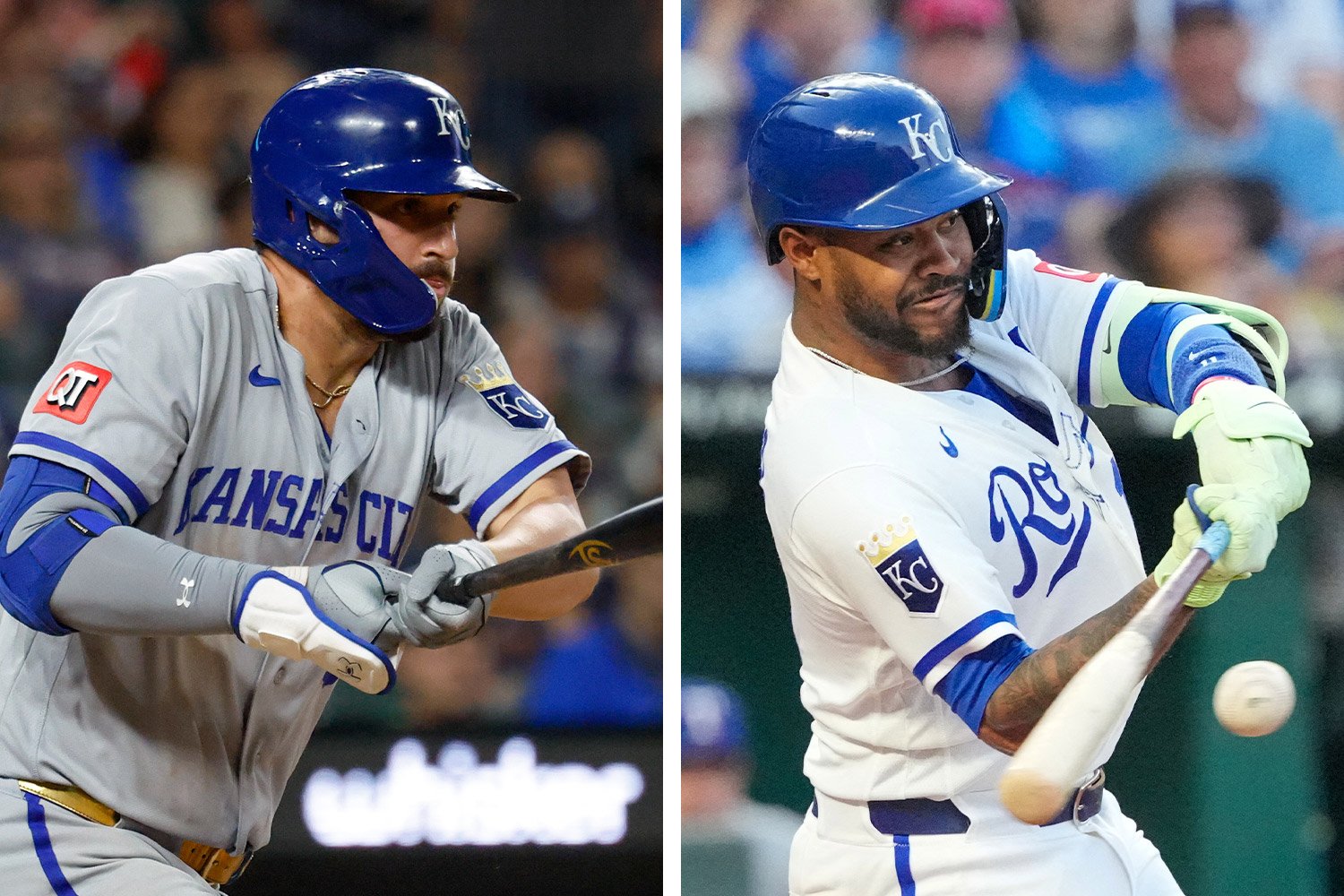 The Royals have reinstated both Vinnie Pasquantino and Maikel Garcia from the injured list after their respective rehab assignments. The Royals have also called up left-handed reliever Connor Thomas to the major league roster. To make room on the active roster, the Royals optioned infielder Josh Rojas and right-handed reliever Jose Cuas to triple-A and designated veteran outfielder Starling Marte for assignment. Pasquantino has been out of the lineup since July 28 with a wrist injury. Garcia had been sidelined for a longer time with a muscle strain, not appearing since June 22. Thomas was claimed off waivers from the Athletics on August 4 and made three appearances in Omaha before his callup to the Royals. In those three appearances, Thomas threw 2 ⅔ innings with a 6.75 ERA. Garcia’s return makes Rojas a surplus in the infield. Pasquantino’s return will allow Jac Caglianone to shift back to right field, making less room for Marte. Marte’s season in Kansas City has been underwhelming with a slash line of .242/.298/.314 with a 71 wRC+ and -0.5 fWAR. Marte’s DFA leaves one spot open on the 40-man roster. Cuas’s recent stint on the major-league roster was strong with no earned runs in 4 ⅔ innings pitched over five appearances. The Royals return home for a seven-game home stand after a West Coast road trip. Both Pasquantino and Garcia return to the starting lineup to face the Athletics tonight at Kauffman Stadium.
-
- 1
-
-
- vinnie pasquantino
- maikel garcia
- (and 1 more)
-
On Thursday, the Phillies and Twins played in Dyersville, Iowa continuing MLB's Field of Dreams Game series. The day after MLB's return to the cornfields of Iowa, Major League Baseball announced that the Royals will play the Boston Red Sox in next year's edition. The Royals will be listed as the home team, and the game will take place on Thursday, August 12 with NBC Sports providing coverage. Both teams will get a day off on the 13th before resuming the three-game series at Kauffman Stadium on August 14-15. This will be the fourth edition of the Field of Dreams Game. The series took a break following 2022 in order to renovate and expand the complex in Dyersville next to the original film site before resuming the series in 2026. Teams participating in the Field of Dreams Game have traditionally worn throwback uniforms. While the Royals have not changed their look drastically in their history, expect a look reminiscent from the early years of the franchise. The Royals are the first true expansion franchise to participate in the series, although the Twins previously wore the original uniforms from their first season in Minnesota after relocating from Washington. View full rumor
-
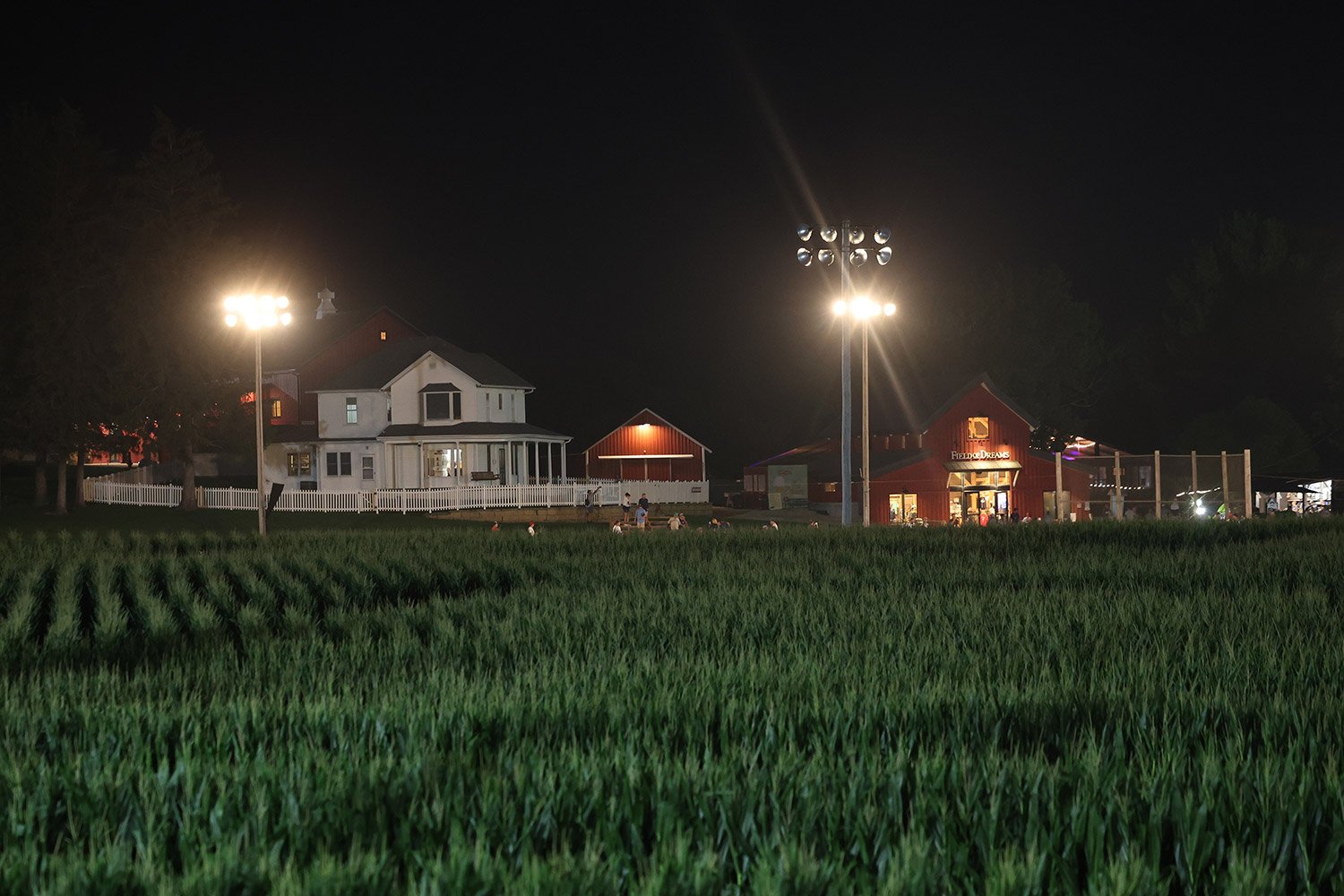 On Thursday, the Phillies and Twins played in Dyersville, Iowa continuing MLB's Field of Dreams Game series. The day after MLB's return to the cornfields of Iowa, Major League Baseball announced that the Royals will play the Boston Red Sox in next year's edition. The Royals will be listed as the home team, and the game will take place on Thursday, August 12 with NBC Sports providing coverage. Both teams will get a day off on the 13th before resuming the three-game series at Kauffman Stadium on August 14-15. This will be the fourth edition of the Field of Dreams Game. The series took a break following 2022 in order to renovate and expand the complex in Dyersville next to the original film site before resuming the series in 2026. Teams participating in the Field of Dreams Game have traditionally worn throwback uniforms. While the Royals have not changed their look drastically in their history, expect a look reminiscent from the early years of the franchise. The Royals are the first true expansion franchise to participate in the series, although the Twins previously wore the original uniforms from their first season in Minnesota after relocating from Washington.
 -
Image courtesy of Peter Aiken-Imagn Images It is safe to say that the 2026 season has not gone the Royals’ way. Even though their playoff chances have evaporated, there are still plenty of reasons to keep watching until all 162 games have been played. For the remaining two months of the season, the focus will shift from wins and losses to how players can position themselves entering next season. Below are a few areas that represent opportunities across all parts of the major league roster. Bullpen Tryouts The weakest output for the Royals this season was their bullpen. They ranked last in key metrics such as fWAR (-3.6), expected ERA (4.95), FIP (5.26), and home runs per 9 innings (1.52). They also ranked in the bottom five in ERA (5.65), BABIP (.306), xFIP (4.81), strikeout rate (19.1%), and walk rate (11.2%). The Royals saw many players lose significant time from injuries, including last season’s save leader, Carlos Estévez, and offseason acquisition Nick Mears. Many established relievers such as Lucas Erceg and Matt Strahm, who was recently designated for assignment, also saw severe regression. The Royals were most active in repositioning their bullpen before and after the trade deadline with the acquisitions of Nate Pearson, Easton McGee, Carlos Duran, Nolan Hoffman, Connor Thomas, Luke Little, and most recently Craig Kimbrel. Currently, Pearson and Kimbrel are on the major league roster, but the other acquisitions are all currently on the 40-man roster and could all see opportunities before the season is over. With one of the few above-average relievers, John Schreiber, set to leave in free agency this off-season, there are very few spots solidified for next season’s bullpen. Can one of these new acquisitions establish themselves as a viable middle relief or even high-leverage option for 2027? The Future of the Offense The Royals saw the emergence of Jac Caglianone as a permanent fixture in the middle of the order. Caglianone showed off his power most recently with a performance of four extra-base hits. He is slashing .264/.317/.480 with a 118 wRC+ and 1.7 fWAR, which is a vast improvement from his 46 wRC+ and -1.6 fWAR from last season. He has also proven to manager Matt Quatraro that he is capable of hitting every day with improved numbers against left-handed pitching, highlighted by his two-run blast against Tarik Skubal on Monday night. In addition to Caglianone, Bobby Witt Jr. has been performing at near-MVP levels this season with his 5.1 fWAR, ranking 3rd among American League position players. Carter Jensen has also had a strong showing in his first full season in the majors. He ranks seventh among all rookies with 1.9 fWAR. There is still a lot of room for him to grow as a hitter, but he is certainly showing the signs of being able to hold his own on a major league roster while assuming the majority of the innings behind the plate. Salvador Perez has shown his age in 2026 with a slash line of .216/.262/.373, with a 71 wRC+ and -1.2 fWAR, but there is still opportunity to add to his Royals legacy. He has already become the Royals all-time leader in home runs. He also just surpassed 1,800 career hits. Even though he still has one year left on his contract, this season may very well be his last as an everyday contributor in the Royals offense. Fans should take the opportunity to enjoy watching a team legend as his role with the Royals begins to change. What can Maikel Garcia and Vinnie Pasquantino contribute for the rest of the season? Garcia, along with Witt, Caglianone, and Jensen, represent the core of the Royals offense for the coming years. Injuries have plagued his 2026 after a breakout in 2025. He is likely to begin his rehab assignment soon, but can he show that he can return to last season’s form? Pasquantino has also faced many injuries, but his future with the Royals is less certain than Garcia's, who received a contract extension last off-season. Pasquantino is also expected to begin his rehab assignment soon. He will look to finish the season strong and find his power swing that has been lacking this season. Strong Pitching Performances Injuries have struck the Royals this season, with multiple starters being shut down for the rest of the season to undergo Tommy John surgery. However, the pitchers who have stayed healthy should still have a lot to show with the season wrapping up. Michael Wacha earned his second career All-Star nod this season and leads the team in pitching fWAR at 2.1. Seth Lugo has also brought much-needed stability to the rotation this season. Neither Wacha nor Lugo was traded before the trade deadline last week despite inquiries from multiple teams. Both are in the later stages of their respective careers, but are slated to be leaders at the top of the rotation in 2027. It will be important for both of them to finish the season strong (and avoid injury) to carry into next season, in which the Royals intend to make a push for playoff contention. Noah Cameron has had a decent sophomore season after finishing fourth in AL Rookie of the Year voting in 2025. He is currently tied with Wacha with 2.1 fWAR to lead Royals pitchers. He has made a recent turnaround after he started calling his own pitches. During the three-game stretch after his adjustment, he allowed only one run in 23 innings while striking out 24 batters. It will also be important for Cameron to finish the season strong and healthy to help the increasingly thin rotation in 2027. New Callups on Offense Last season, the post-deadline period was highlighted by Jensen’s strong major league debut. His performance at the very least instilled confidence in the organization that Jensen was ready for a bigger role with the Royals going into 2026. This season, there are very few options for the Royals to find a similar late-season contributor this year. Gavin Cross has made improvements this season after an uneven start to his time in the Royals’ organization. A mechanical adjustment in his swing led to him finding his power swing again, where he had a stretch in July in which he had a home run streak of six games. After going unselected in the last Rule-5 draft, Cross had a lot to prove this season. Maybe it is time to see what he can do in the Majors. It is worth calling out that Cross has still not yet been given a spot on the 40-man roster, so a potential promotion will have to see a player exit the roster. Other than Cross, there are not too many other options for the Royals to give a try for the remainder of the season. Matthew Lugo was acquired via waivers in June from the Los Angeles Angels. He has slashed .262/.317/.530 with 11 home runs in 47 games in Omaha. He could be another option for an opportunity before the season comes to a close. View full article
-
4 Things To Watch In The Final Two Months Of The Royals' Season
Philip Ruo posted an article in Royals
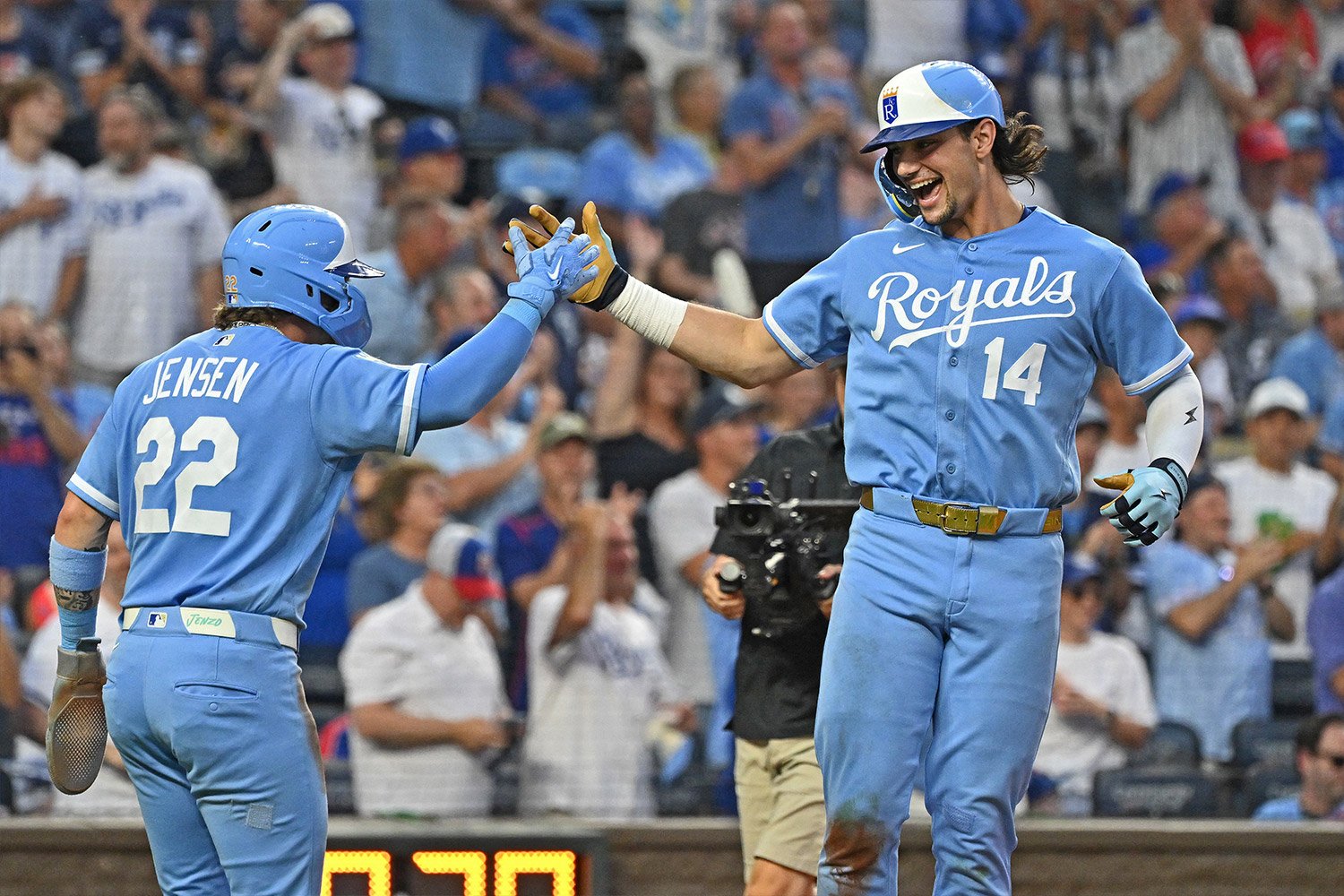 It is safe to say that the 2026 season has not gone the Royals’ way. Even though their playoff chances have evaporated, there are still plenty of reasons to keep watching until all 162 games have been played. For the remaining two months of the season, the focus will shift from wins and losses to how players can position themselves entering next season. Below are a few areas that represent opportunities across all parts of the major league roster. Bullpen Tryouts The weakest output for the Royals this season was their bullpen. They ranked last in key metrics such as fWAR (-3.6), expected ERA (4.95), FIP (5.26), and home runs per 9 innings (1.52). They also ranked in the bottom five in ERA (5.65), BABIP (.306), xFIP (4.81), strikeout rate (19.1%), and walk rate (11.2%). The Royals saw many players lose significant time from injuries, including last season’s save leader, Carlos Estévez, and offseason acquisition Nick Mears. Many established relievers such as Lucas Erceg and Matt Strahm, who was recently designated for assignment, also saw severe regression. The Royals were most active in repositioning their bullpen before and after the trade deadline with the acquisitions of Nate Pearson, Easton McGee, Carlos Duran, Nolan Hoffman, Connor Thomas, Luke Little, and most recently Craig Kimbrel. Currently, Pearson and Kimbrel are on the major league roster, but the other acquisitions are all currently on the 40-man roster and could all see opportunities before the season is over. With one of the few above-average relievers, John Schreiber, set to leave in free agency this off-season, there are very few spots solidified for next season’s bullpen. Can one of these new acquisitions establish themselves as a viable middle relief or even high-leverage option for 2027? The Future of the Offense The Royals saw the emergence of Jac Caglianone as a permanent fixture in the middle of the order. Caglianone showed off his power most recently with a performance of four extra-base hits. He is slashing .264/.317/.480 with a 118 wRC+ and 1.7 fWAR, which is a vast improvement from his 46 wRC+ and -1.6 fWAR from last season. He has also proven to manager Matt Quatraro that he is capable of hitting every day with improved numbers against left-handed pitching, highlighted by his two-run blast against Tarik Skubal on Monday night. In addition to Caglianone, Bobby Witt Jr. has been performing at near-MVP levels this season with his 5.1 fWAR, ranking 3rd among American League position players. Carter Jensen has also had a strong showing in his first full season in the majors. He ranks seventh among all rookies with 1.9 fWAR. There is still a lot of room for him to grow as a hitter, but he is certainly showing the signs of being able to hold his own on a major league roster while assuming the majority of the innings behind the plate. Salvador Perez has shown his age in 2026 with a slash line of .216/.262/.373, with a 71 wRC+ and -1.2 fWAR, but there is still opportunity to add to his Royals legacy. He has already become the Royals all-time leader in home runs. He also just surpassed 1,800 career hits. Even though he still has one year left on his contract, this season may very well be his last as an everyday contributor in the Royals offense. Fans should take the opportunity to enjoy watching a team legend as his role with the Royals begins to change. What can Maikel Garcia and Vinnie Pasquantino contribute for the rest of the season? Garcia, along with Witt, Caglianone, and Jensen, represent the core of the Royals offense for the coming years. Injuries have plagued his 2026 after a breakout in 2025. He is likely to begin his rehab assignment soon, but can he show that he can return to last season’s form? Pasquantino has also faced many injuries, but his future with the Royals is less certain than Garcia's, who received a contract extension last off-season. Pasquantino is also expected to begin his rehab assignment soon. He will look to finish the season strong and find his power swing that has been lacking this season. Strong Pitching Performances Injuries have struck the Royals this season, with multiple starters being shut down for the rest of the season to undergo Tommy John surgery. However, the pitchers who have stayed healthy should still have a lot to show with the season wrapping up. Michael Wacha earned his second career All-Star nod this season and leads the team in pitching fWAR at 2.1. Seth Lugo has also brought much-needed stability to the rotation this season. Neither Wacha nor Lugo was traded before the trade deadline last week despite inquiries from multiple teams. Both are in the later stages of their respective careers, but are slated to be leaders at the top of the rotation in 2027. It will be important for both of them to finish the season strong (and avoid injury) to carry into next season, in which the Royals intend to make a push for playoff contention. Noah Cameron has had a decent sophomore season after finishing fourth in AL Rookie of the Year voting in 2025. He is currently tied with Wacha with 2.1 fWAR to lead Royals pitchers. He has made a recent turnaround after he started calling his own pitches. During the three-game stretch after his adjustment, he allowed only one run in 23 innings while striking out 24 batters. It will also be important for Cameron to finish the season strong and healthy to help the increasingly thin rotation in 2027. New Callups on Offense Last season, the post-deadline period was highlighted by Jensen’s strong major league debut. His performance at the very least instilled confidence in the organization that Jensen was ready for a bigger role with the Royals going into 2026. This season, there are very few options for the Royals to find a similar late-season contributor this year. Gavin Cross has made improvements this season after an uneven start to his time in the Royals’ organization. A mechanical adjustment in his swing led to him finding his power swing again, where he had a stretch in July in which he had a home run streak of six games. After going unselected in the last Rule-5 draft, Cross had a lot to prove this season. Maybe it is time to see what he can do in the Majors. It is worth calling out that Cross has still not yet been given a spot on the 40-man roster, so a potential promotion will have to see a player exit the roster. Other than Cross, there are not too many other options for the Royals to give a try for the remainder of the season. Matthew Lugo was acquired via waivers in June from the Los Angeles Angels. He has slashed .262/.317/.530 with 11 home runs in 47 games in Omaha. He could be another option for an opportunity before the season comes to a close.
-
- 2
-
-
- jac caglianone
- carter jensen
- (and 5 more)
-
Tolbert led all Royals during July in fWAR (0.9), batting average, on-base percentage, slugging percentage, wOBA (.493), and wRC+. Tolbert is usually known for his speed and hitting singles, but his power was on display in July. In 45 plate appearances, he slugged two doubles and three home runs. For most of his career so far, Tolbert has assumed the role of pinch-runner and defensive replacement late in games. In July, he was starting more often to cover for various injuries. When Vinnie Pasquantino went to the Injured list in mid-June, Jac Caglianone shifted to first base in some games, leaving right field open for Tolbert to play more innings. After the All-Star break, Bobby Witt Jr. landed on the IL, which provided an opportunity for Tolbert to start at shortstop. With such a strong performance in July, Tolbert has made an excellent case to continue to start in the lineup once all starters return from injury. With some starters having been dealt before the trade deadline ended, Tolbert will look to continue to capitalize on his additional opportunities in the lineup the rest of the season Honorable Mention: Isaac Collins Collins has been a steady presence in the Royals’ lineup with so many players having missed time from injury. Collins played in 24 of the 25 games in July and has a slash line of .276/.353/.500 with a 135 wRC+. Like Tolbert, Collins showed off his power in July, slugging four doubles, two triples, and three home runs. View full article
-
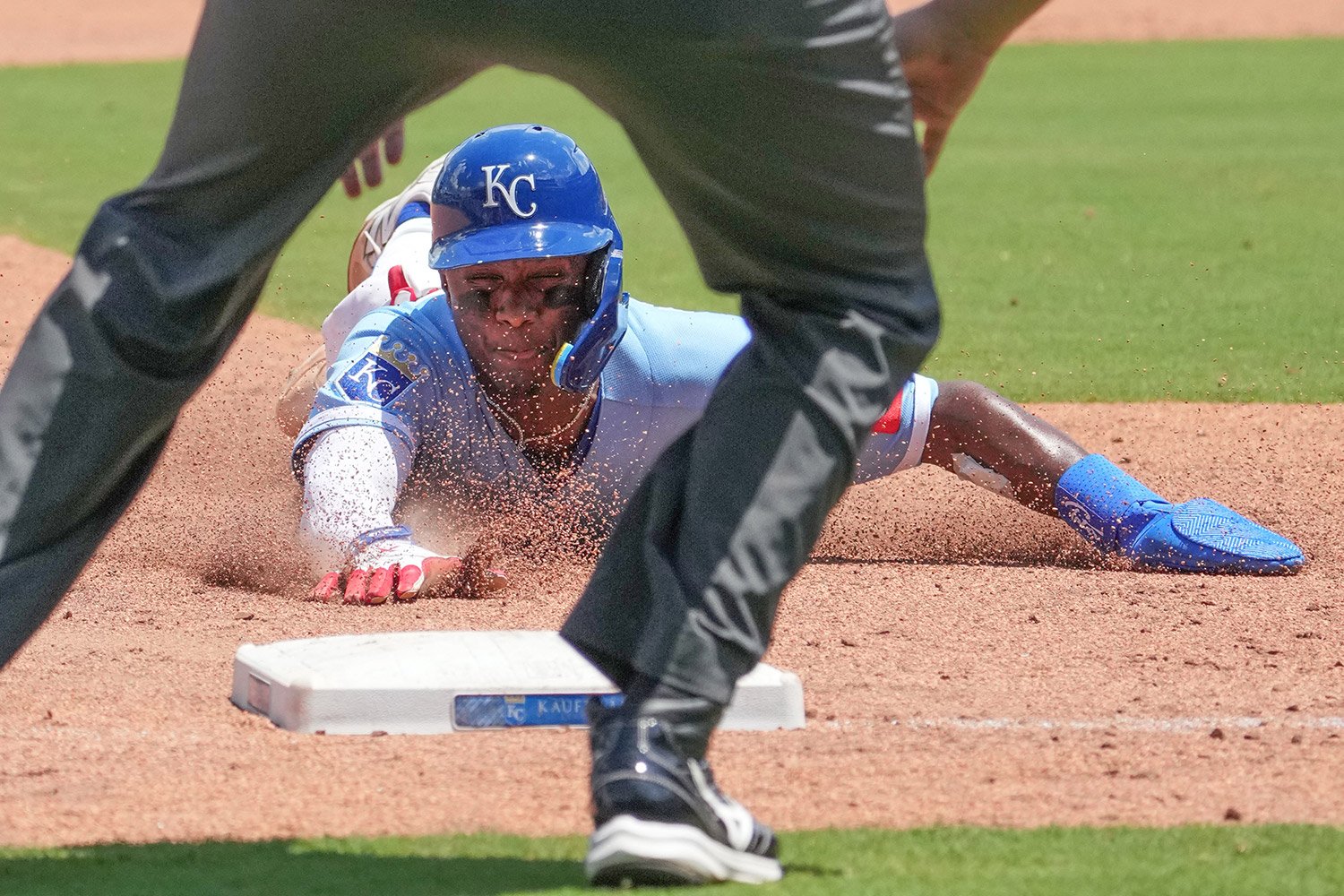 July was not too kind to the Royals in general. They finished the month with an 11-14 record and sat 13 games out of first place in the division. While by the end of July, it may have been more interesting to follow the trade deadline deals and rumors, there were some strong performances by Royals hitters in July that should not go unnoticed. One hitter who excelled in July is Tyler Tolbert. His July slash line was .425/.452/.700 with a 222 wRC+, headlined by a record-tying stretch of 12 consecutive plate appearances with a hit. He also showed off his low-strikeout rate, striking out only three times all month, and how damage can be done in the lineup if the ball is put in play with multiple infield singles during the streak. Tolbert led all Royals during July in fWAR (0.9), batting average, on-base percentage, slugging percentage, wOBA (.493), and wRC+. Tolbert is usually known for his speed and hitting singles, but his power was on display in July. In 45 plate appearances, he slugged two doubles and three home runs. For most of his career so far, Tolbert has assumed the role of pinch-runner and defensive replacement late in games. In July, he was starting more often to cover for various injuries. When Vinnie Pasquantino went to the Injured list in mid-June, Jac Caglianone shifted to first base in some games, leaving right field open for Tolbert to play more innings. After the All-Star break, Bobby Witt Jr. landed on the IL, which provided an opportunity for Tolbert to start at shortstop. With such a strong performance in July, Tolbert has made an excellent case to continue to start in the lineup once all starters return from injury. With some starters having been dealt before the trade deadline ended, Tolbert will look to continue to capitalize on his additional opportunities in the lineup the rest of the season Honorable Mention: Isaac Collins Collins has been a steady presence in the Royals’ lineup with so many players having missed time from injury. Collins played in 24 of the 25 games in July and has a slash line of .276/.353/.500 with a 135 wRC+. Like Tolbert, Collins showed off his power in July, slugging four doubles, two triples, and three home runs.
 -
Right where it all began with a deep drive to left field at Comerica Park, Perez stands alone at the top of the Royals leaderboard above the legendary George Brett. 2026 has been another disappointment in a season where the Royals cannot find a winning groove, but moments like this for a Royals legend like Perez are a reminder that even during frustrating seasons, there are still opportunities to find joy and witness unforgettable moments. View full article
-
The Road To 318: How Salvador Perez Became The Royals' Home Run King
Philip Ruo posted an article in Royals
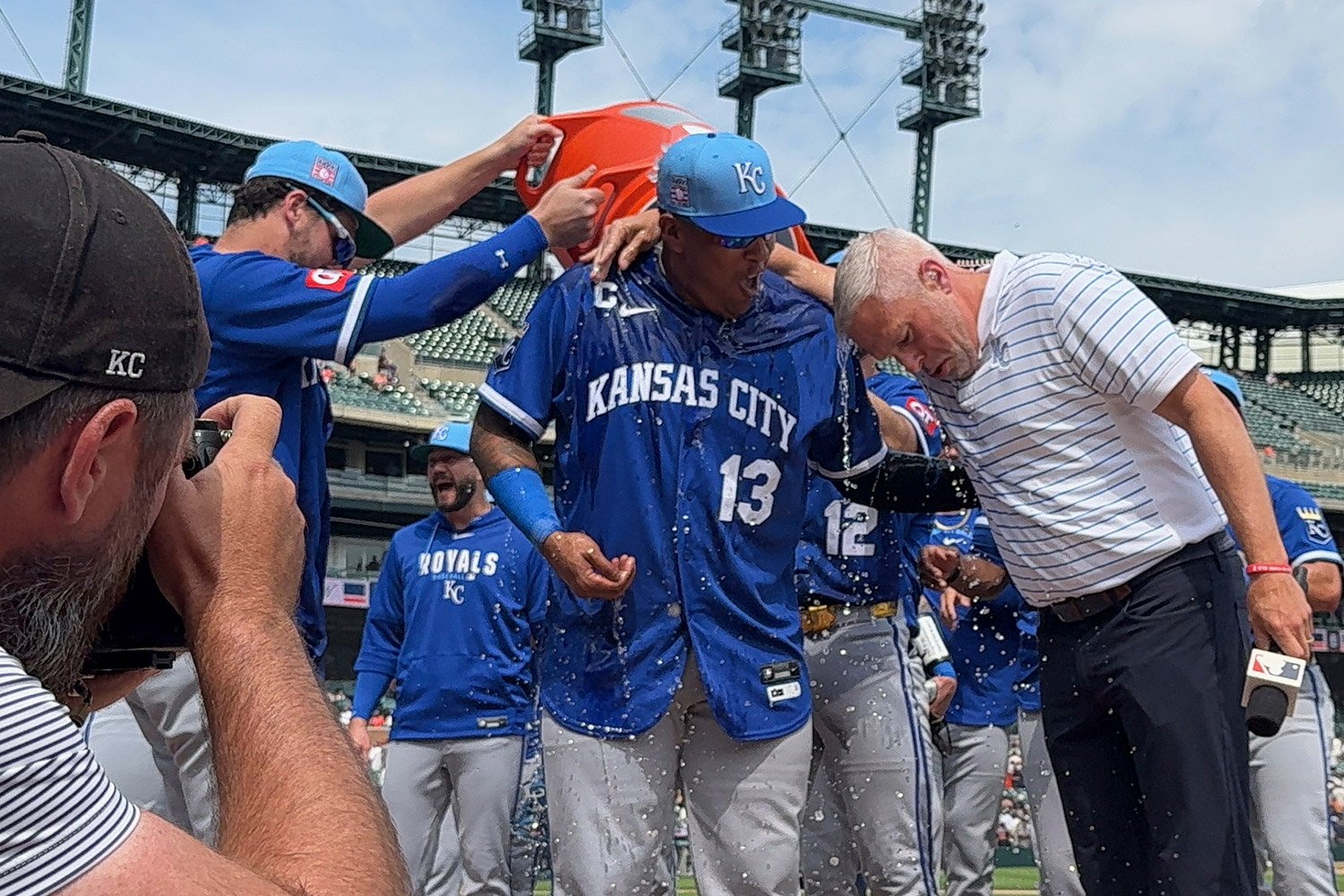 For over three decades, George Brett stood alone atop the Royals’ all-time home run leaderboard. On Saturday, the crown was claimed by Salvador Perez when he launched the 318th home run of his career to become the franchise’s new home run leader. Comparing Perez’s and Brett’s careers head-to-head is nearly an impossible task. Brett is undoubtedly one of the greatest third basemen of all time, while Perez is a vastly different player who built his legacy as a consistent presence behind the plate. Still, it is interesting to compare how their career numbers stack up in their routes to the same metric. Brett was not particularly known for his home run swing, so it was impressive for him to keep this record for as long as he did. Many losing seasons and a stadium that suppressed homers probably also had a lot to do with it. Perez’s path to the Royals home run crown was done in 900 fewer games and around 4,300 fewer plate appearances. It was an impressive feat from a position that usually requires some sort of scheduled rest. This season, he has even ceded the lion’s share of the starts behind the plate to rookie Carter Jensen. With his career winding down, though still with one more year on his contract, it is worth looking at key milestones along Perez’s home run journey. No. 1 | August 8, 2011 vs Max Scherzer | Comerica Park Perez swung at a 2-2 94mph fastball from Scherzer and sent it over the left-center wall at Comerica Park. At just 21 years old, Perez would have many more where that came from. No. 100 | June 10, 2017 vs Brad Hand | Petco Park Right where it all began with a deep drive to left field at Comerica Park, Perez stands alone at the top of the Royals leaderboard above the legendary George Brett. 2026 has been another disappointment in a season where the Royals cannot find a winning groove, but moments like this for a Royals legend like Perez are a reminder that even during frustrating seasons, there are still opportunities to find joy and witness unforgettable moments.
 -
From what I can tell, the potential return for both Wacha and Lugo is likely lower than the Royals would want. Both pitchers are in their mid 30s, and teams aren't going to let go of MLB-ready prospects for aging pitchers. Very intrigued to see how the deadline shakes out, but it looks like it'll be quieter than I want it to be.
-
Image courtesy of IMAGN IMAGES via Reuters Connect Matt Strahm has not had the best season so far, but neither has most of the Royals bullpen. Strahm reunited with the Royals in a trade with the Phillies this off-season. In 33 innings this season, Strahm has a 7.09 ERA with a 6.77 FIP and -1.0 fWAR. His expected metrics, however, trend a little bit better with a 3.83 expected ERA and a 5.73 expected FIP. His strikeout rate has drastically decreased to 18.4% compared to 27.3% in 2025. Strahm has also increased his walk, hard-hit, and barrel rates this season while losing speed in his fastball velocity. Even though his season has been one to forget, left-handed pitchers with experience in high-leverage positions are always in demand. Maybe a change of scenery can be the difference to turn his season around. Only one year removed from a sub-3 ERA season, Strahm still has the potential to provide value to a contender. With Strahm also set to become a free agent at the end of the season, he could be a cheaper potential acquisition. Why the Diamondbacks would want to trade for Strahm The Diamondbacks have the fewest innings by left-handed relievers in the majors. Arizona has called upon lefties for only 35 innings this season, 10 fewer innings than the next-fewest team, the Colorado Rockies. Bradyn Garcia is the only left-handed reliever on the active roster right now. Garcia has been decent this season with 0.8 fWAR and a 1.75 ERA, but Strahm could provide the Diamondbacks with additional flexibility in situations where left-handed pitching is needed. The Diamondbacks are also on the fringe of Wild Card contention, so if they are not yet willing to “sell the farm” to go all-in this season, Strahm could represent a low-cost, veteran option to hopefully bolster their bullpen depth. Why the Nationals would want to trade for Strahm The Nationals have struggled with their left-handed relievers in 2026. Lefties out of the bullpen have combined for -1.2 fWAR this season across 136 innings. Andrew Alvarez is the only reliever with at least 10 innings pitched in relief with a positive fWAR. Cionel Pérez, PJ Poulin, Richard Lovelady, and Mitchell Parker all have pitched at least 10 innings in Washington but have all produced at below replacement level, and none of them are currently on the active roster. The Nationals could use another lefty in the bullpen to combine with Alvarez. Strahm could be an experienced option to boost the bullpen in a new environment. The Nationals have the highest ERA and xERA from left-handed relievers in the majors at 5.02 and 5.74, respectively. Even though the results have been poor, Strahm’s xERA would at least provide an improvement for Washington's underlying metrics. The Nationals are not currently in a playoff spot but could be looking to make improvements to increase their playoff odds. They just made a statement trade by trading breakout third baseman Curtis Mead to the Red Sox for Connelly Early, which boosts their rotation. That trade was a clear statement of intent from the Nationals, and adding Strahm would add more veteran depth to their bullpen to help push the team to October. Why the Cubs would want to trade for Strahm The Cubs, much like the Nationals, have a low xERA from left-handed relievers at 4.64, the second lowest in the majors. Their combined ERAs are much better at 3.59, but that difference could hint at some late-season regression. The bulk of the innings have come from Hoby Milner, Ryan Rolison, and Caleb Thielbar, and only Rolison has a positive fWAR. Milner is currently on the IL, which would allow space for Strahm to fill in. Unlike Washington or Arizona, the Cubs are firmly in a playoff spot and are much more likely to be aggressive buyers. Strahm is unlikely to drastically improve the Cubs' championship odds, but he could be a complementary piece to round out the roster as they prepare for the playoffs. What do you think? Where would you like to see Matt Strahm land before the trade deadline on August 3? View full article
-
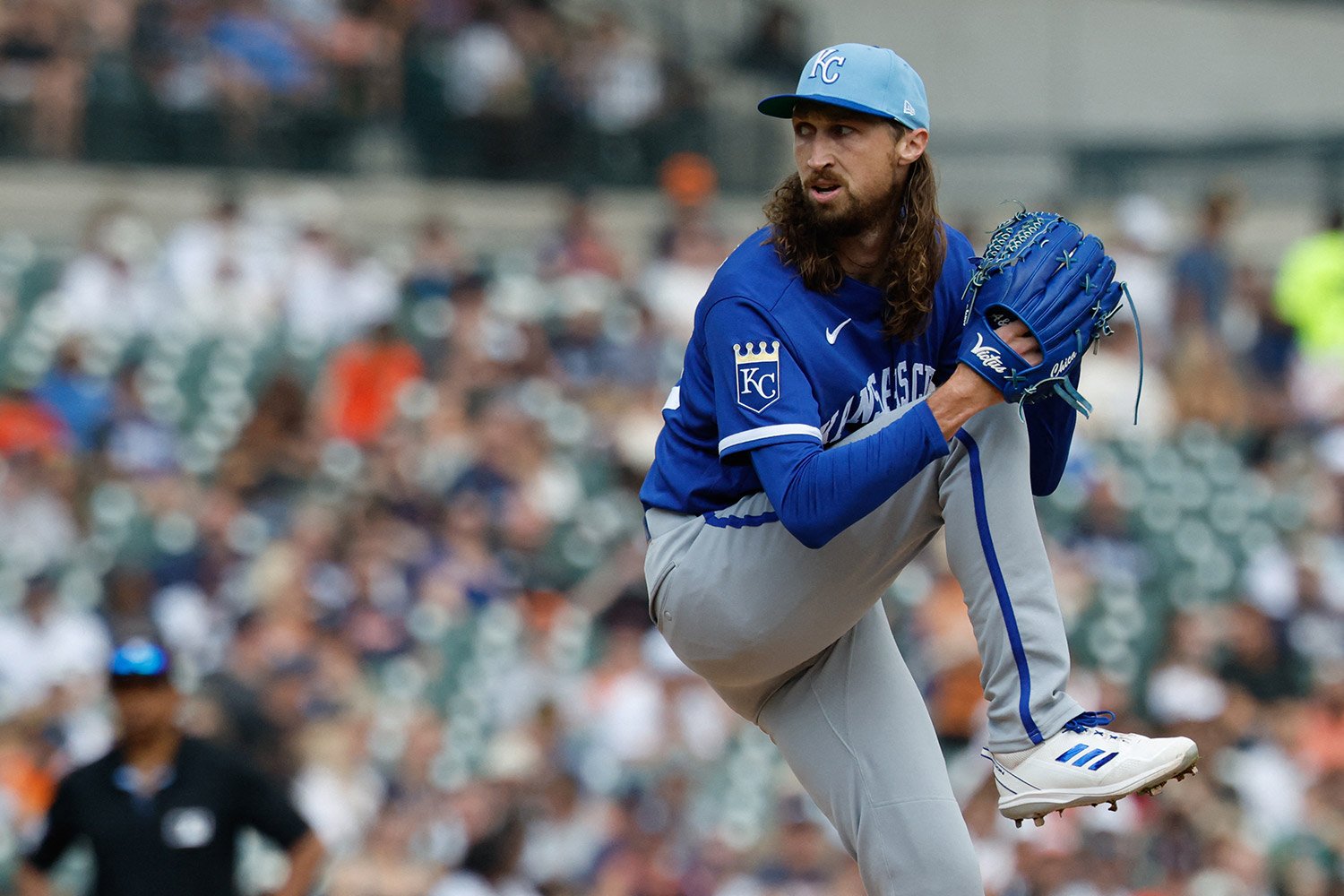 Matt Strahm has not had the best season so far, but neither has most of the Royals bullpen. Strahm reunited with the Royals in a trade with the Phillies this off-season. In 33 innings this season, Strahm has a 7.09 ERA with a 6.77 FIP and -1.0 fWAR. His expected metrics, however, trend a little bit better with a 3.83 expected ERA and a 5.73 expected FIP. His strikeout rate has drastically decreased to 18.4% compared to 27.3% in 2025. Strahm has also increased his walk, hard-hit, and barrel rates this season while losing speed in his fastball velocity. Even though his season has been one to forget, left-handed pitchers with experience in high-leverage positions are always in demand. Maybe a change of scenery can be the difference to turn his season around. Only one year removed from a sub-3 ERA season, Strahm still has the potential to provide value to a contender. With Strahm also set to become a free agent at the end of the season, he could be a cheaper potential acquisition. Why the Diamondbacks would want to trade for Strahm The Diamondbacks have the fewest innings by left-handed relievers in the majors. Arizona has called upon lefties for only 35 innings this season, 10 fewer innings than the next-fewest team, the Colorado Rockies. Bradyn Garcia is the only left-handed reliever on the active roster right now. Garcia has been decent this season with 0.8 fWAR and a 1.75 ERA, but Strahm could provide the Diamondbacks with additional flexibility in situations where left-handed pitching is needed. The Diamondbacks are also on the fringe of Wild Card contention, so if they are not yet willing to “sell the farm” to go all-in this season, Strahm could represent a low-cost, veteran option to hopefully bolster their bullpen depth. Why the Nationals would want to trade for Strahm The Nationals have struggled with their left-handed relievers in 2026. Lefties out of the bullpen have combined for -1.2 fWAR this season across 136 innings. Andrew Alvarez is the only reliever with at least 10 innings pitched in relief with a positive fWAR. Cionel Pérez, PJ Poulin, Richard Lovelady, and Mitchell Parker all have pitched at least 10 innings in Washington but have all produced at below replacement level, and none of them are currently on the active roster. The Nationals could use another lefty in the bullpen to combine with Alvarez. Strahm could be an experienced option to boost the bullpen in a new environment. The Nationals have the highest ERA and xERA from left-handed relievers in the majors at 5.02 and 5.74, respectively. Even though the results have been poor, Strahm’s xERA would at least provide an improvement for Washington's underlying metrics. The Nationals are not currently in a playoff spot but could be looking to make improvements to increase their playoff odds. They just made a statement trade by trading breakout third baseman Curtis Mead to the Red Sox for Connelly Early, which boosts their rotation. That trade was a clear statement of intent from the Nationals, and adding Strahm would add more veteran depth to their bullpen to help push the team to October. Why the Cubs would want to trade for Strahm The Cubs, much like the Nationals, have a low xERA from left-handed relievers at 4.64, the second lowest in the majors. Their combined ERAs are much better at 3.59, but that difference could hint at some late-season regression. The bulk of the innings have come from Hoby Milner, Ryan Rolison, and Caleb Thielbar, and only Rolison has a positive fWAR. Milner is currently on the IL, which would allow space for Strahm to fill in. Unlike Washington or Arizona, the Cubs are firmly in a playoff spot and are much more likely to be aggressive buyers. Strahm is unlikely to drastically improve the Cubs' championship odds, but he could be a complementary piece to round out the roster as they prepare for the playoffs. What do you think? Where would you like to see Matt Strahm land before the trade deadline on August 3?
 -
Image courtesy of IMAGN IMAGES via Reuters Connect 2026 has been a disappointing season for a Royals team that had playoff aspirations. With the trade deadline rapidly approaching, the Royals need to aggressively pursue deals for some players. Center fielder Lane Thomas is set to be a free agent at the end of the season, and his performance could land him a trade to a playoff contender. Thomas has greatly improved over his previous few seasons, when he struggled to stay on the field. Thomas was signed by the Royals to be a platoon partner in the outfield with Kyle Isbel, but with Isbel landing on the injured list with plantar fasciitis, Thomas was thrust into a starting role. Thomas has generally excelled with an fWAR of 1.0 and 108 wRC+. One concern surrounding Thomas was his ability to stay healthy for a whole season. With 88 games played, Thomas has already more than doubled his games played from last season and mostly removed concerns about his health. If traded to a playoff contender, he could return to his platoon role and get key playing time against left-handed pitchers. With his current contract expiring at the end of the season, Thomas would be a relatively inexpensive rental for teams with this specific need. Why The Phillies Would Want To Trade For Lane Thomas Justin Crawford has been the primary center fielder for the Phillies and has not been particularly productive against left-handed pitchers, and Thomas would be a clear upgrade. Crawford is posting a 36 wRC+ against lefties and is worth only 0.1 fWAR on the season. Brandon Marsh has been able to spend some time in center this season, but with Adolis Garcia out for the rest of the season, Marsh will be needed in the corner outfield spots. Derek Hill has also been able to spend some time in center field, but despite being a right-handed hitter, his offensive splits are better against right-handed pitchers. His wRC+ against righties is 201 in 31 PAs compared to a 67 wRC+ in 36 PAs against lefties. Why The Braves Would Want To Trade For Lane Thomas The Braves do not have as poor a situation against lefties as the Phillies do, but they have had to spend a lot of time without Ronald Acuña in the lineup. Michael Harris and Eli White have both been above average against left-handed pitching, but Mauricio Dubón, former-Royal Mike Yastrzemski, and Acuña have all been below average with a wRC+ under 100. Thomas would also be an offensive improvement over DH Dominic Smith, who is posting a wRC+ of 27 against lefties this season. Thomas could provide additional flexibility for a platoon lineup with outfield and DH while also providing insurance if Acuña is unable to remain healthy once he finishes his rehab later this month. Why The White Sox Would Want To Trade For Lane Thomas The White Sox are one of the more surprising teams this season and currently sit in first place in the AL Central. Tristan Peters and Luisangel Acuña have spent the most time in center for the White Sox, but neither has been particularly good against lefties this season with a wRC+ of 12 and 57, respectively. Other primary outfielders Sam Antonacci, Braden Montgomery, and even Andrew Benintendi are all struggling against lefties, all with a wRC+ of 47 or below. Another former Royal, Randal Grichuk, has been able to provide help against lefties with a 162 wRC+ but mostly as a designated or pinch hitter. Thomas could even put the White Sox’s outfield and provide that additional help to turn them into more serious World Series contenders. The White Sox are certainly ahead of schedule in their rebuild and might be a little hesitant to shift into win-now mode. Thomas could be a lower-cost option to improve around the margins and round out the lineup. View full article
-
 2026 has been a disappointing season for a Royals team that had playoff aspirations. With the trade deadline rapidly approaching, the Royals need to aggressively pursue deals for some players. Center fielder Lane Thomas is set to be a free agent at the end of the season, and his performance could land him a trade to a playoff contender. Thomas has greatly improved over his previous few seasons, when he struggled to stay on the field. Thomas was signed by the Royals to be a platoon partner in the outfield with Kyle Isbel, but with Isbel landing on the injured list with plantar fasciitis, Thomas was thrust into a starting role. Thomas has generally excelled with an fWAR of 1.0 and 108 wRC+. One concern surrounding Thomas was his ability to stay healthy for a whole season. With 88 games played, Thomas has already more than doubled his games played from last season and mostly removed concerns about his health. If traded to a playoff contender, he could return to his platoon role and get key playing time against left-handed pitchers. With his current contract expiring at the end of the season, Thomas would be a relatively inexpensive rental for teams with this specific need. Why The Phillies Would Want To Trade For Lane Thomas Justin Crawford has been the primary center fielder for the Phillies and has not been particularly productive against left-handed pitchers, and Thomas would be a clear upgrade. Crawford is posting a 36 wRC+ against lefties and is worth only 0.1 fWAR on the season. Brandon Marsh has been able to spend some time in center this season, but with Adolis Garcia out for the rest of the season, Marsh will be needed in the corner outfield spots. Derek Hill has also been able to spend some time in center field, but despite being a right-handed hitter, his offensive splits are better against right-handed pitchers. His wRC+ against righties is 201 in 31 PAs compared to a 67 wRC+ in 36 PAs against lefties. Why The Braves Would Want To Trade For Lane Thomas The Braves do not have as poor a situation against lefties as the Phillies do, but they have had to spend a lot of time without Ronald Acuña in the lineup. Michael Harris and Eli White have both been above average against left-handed pitching, but Mauricio Dubón, former-Royal Mike Yastrzemski, and Acuña have all been below average with a wRC+ under 100. Thomas would also be an offensive improvement over DH Dominic Smith, who is posting a wRC+ of 27 against lefties this season. Thomas could provide additional flexibility for a platoon lineup with outfield and DH while also providing insurance if Acuña is unable to remain healthy once he finishes his rehab later this month. Why The White Sox Would Want To Trade For Lane Thomas The White Sox are one of the more surprising teams this season and currently sit in first place in the AL Central. Tristan Peters and Luisangel Acuña have spent the most time in center for the White Sox, but neither has been particularly good against lefties this season with a wRC+ of 12 and 57, respectively. Other primary outfielders Sam Antonacci, Braden Montgomery, and even Andrew Benintendi are all struggling against lefties, all with a wRC+ of 47 or below. Another former Royal, Randal Grichuk, has been able to provide help against lefties with a 162 wRC+ but mostly as a designated or pinch hitter. Thomas could even put the White Sox’s outfield and provide that additional help to turn them into more serious World Series contenders. The White Sox are certainly ahead of schedule in their rebuild and might be a little hesitant to shift into win-now mode. Thomas could be a lower-cost option to improve around the margins and round out the lineup.
 -
Kendry ChourioJosh HammondDavid ShieldsBlake MitchellRamon RamirezZion RoseSean GambleYandel RicardoJustin LamkinAsbel GonzalezDrew BeamTyler RabeBen KudrnaFelix ArrondeMichael LombardiCarson RoccaforteSteven ZobacBlake WoltersWarren CalcanoJack Slightom I am not at all confident on where the new draft picks should fall in the top 20. I have them ranked Rose, Rabe, Slightom in that order. I had them displacing Ramcell Medina, Austin Charles, and Daniel Vazquez off the list, ranked in that order. I am still getting a feel for ranking prospects, so take my list with a grain of salt.


