


Kevin O'Brien
-
Posts
858 -
Joined
-
Last visited
-
Days Won
41
Content Type
Profiles
Forums
Blogs
Events
News
2026 Kansas City Royals Top Prospects Ranking
Kansas City Royals Videos
Kansas City Royals Free Agent & Trade Rumors, Notes, & Tidbits
Guides & Resources
The Kansas City Royals Players Project
2026 Kansas City Royals Draft Tracker: Picks & Bonuses
Store
Downloads
Gallery
Everything posted by Kevin O'Brien
-
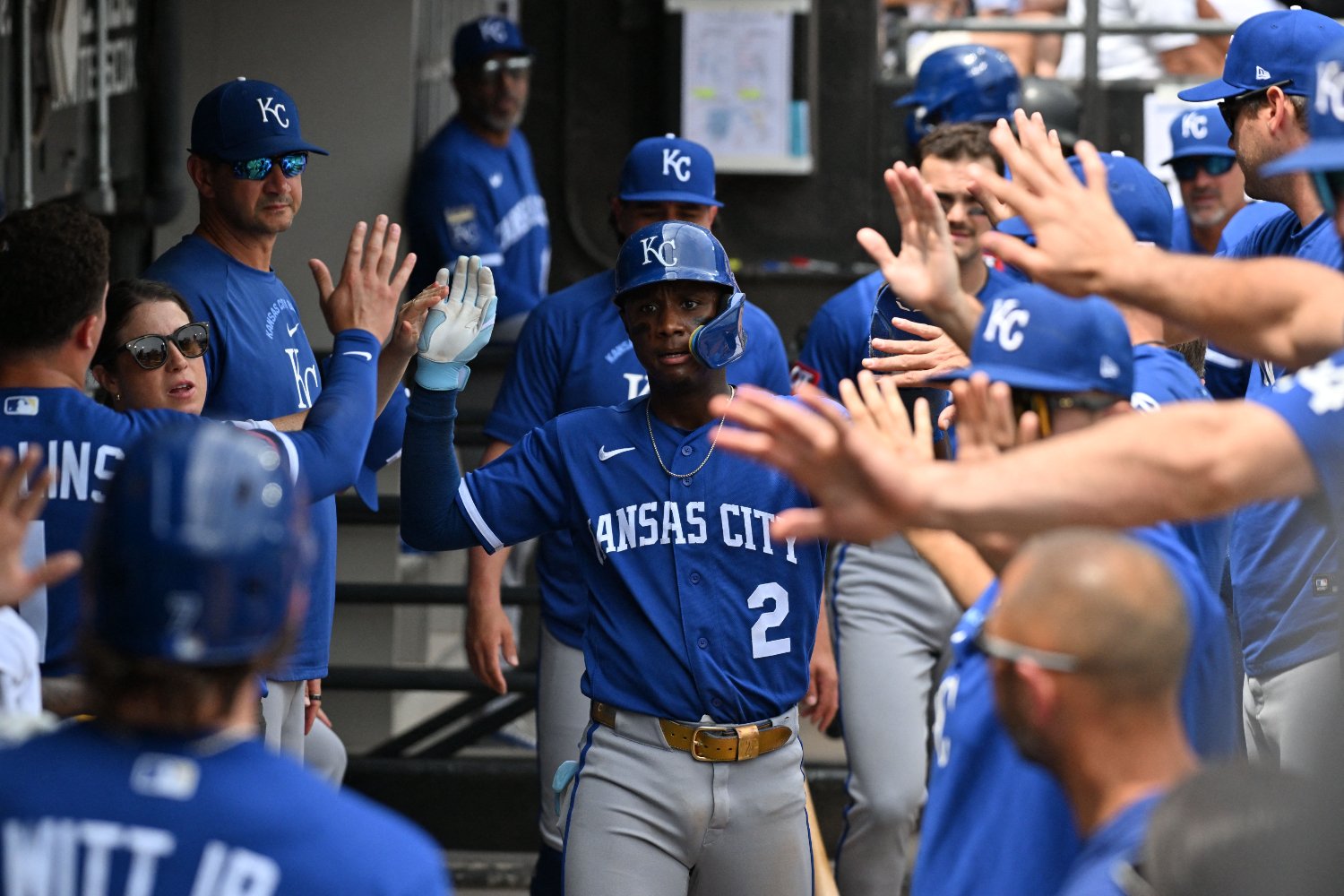 The Royals' offense has come alive over the past two games. After beating the Phillies 15-1 on Monday, Kansas City erupted for 16 runs in a 16-12 victory over the Mets, another NL East foe, on Tuesday. The Royals overcame a rough start by Seth Lugo, who allowed nine runs (six earned) on nine hits and two walks over 4.1 IP. The subpar outing raised his ERA to 4.56 for the season, not exactly what Royals fans want to see, especially with him being seen as a possible Trade Deadline candidate. The biggest story to emerge, though, from this two-game scoring outburst has been Tyler Tolbert, a utility player for the Royals. The 28-year-old collected 12 consecutive hits, tying an MLB record set by Detroit's Walt Dropo in 1952. In addition to 12 consecutive hits, Tolbert becomes the third player in MLB history to have back-to-back five-hit games. The other two players? Roberto Clemente in 1970 and Hi Myers in 1917. While many baseball fans are familiar with Clemente, Myers was a center fielder who played for the Brooklyn Robins from 1909 to 1922 and the St. Louis Cardinals from 1923 to 1925 (he also finished the 1925 season with the Cincinnati Reds). It's been a wild ride for Tolbert, who made the Opening Day roster but was optioned to Omaha on April 19th and played in Triple-A for over a month. The Royals recalled him on May 22nd, and he's been on the active roster ever since. However, his role has been limited, as he has played only 32 games and had 48 plate appearances before Tuesday's game. Going into the July 4th game against the Phillies, Tolbert was hitting .200 with a .475 OPS. Before Saturday's game at Kauffman Stadium, he had been hitless in his previous three starts. On July 4th, Tolbert went 2-for-2 with two singles and two stolen bases. He then went on to have back-to-back five-hit games on Monday against the Phillies and Mets. Over those two games, he also hit his first two home runs of the year, including a key two-run off the Mets' Kodai Senga that got the Royals on the board. After this three-game stretch, Tolbert is now hitting .396 with a .976 OPS in 54 plate appearances (his streak ended in the ninth on Tuesday with a pop-up to right field). It's definitely been one of the most impressive hitting stretches in Royals history. That said, could this be a sign of things to come for Tolbert, or is this just a flash in the pan that is the tip of the iceberg for the former 13th-round pick? Tolbert Showing He Can Be More Than a Pinch Runner Tolbert made the Opening Day roster and played in 64 games last year, but he was mostly utilized as a pinch runner. He had only 57 plate appearances, a sign he didn't see many starts in his rookie debut in 2025. That said, the Royals utility player excelled on the basepaths in his limited role. He stole 21 bases on 23 attempts in 2025. His stolen-base total was the third-highest on the team last year. Only Bobby Witt Jr. (38) and Maikel Garcia (23) had more, and they played in nearly 100 more games than Tolbert. Beyond the stolen bases, Tolbert showed surprising production in limited action. He hit .280 with a .701 OPS. That included a home run, six RBI, and 19 runs scored. That said, while he launched the ball well and made consistent contact, he struggled to generate much exit velocity or barrel balls in his rookie debut, as evidenced by his Statcast summary below via TJ Stats. This year, Tolbert has produced more of the same in terms of batted-ball profile, even amidst this historic streak. While he is now hitting .396, 116 points higher than his average a year ago, and has a TJ Bat+ of 122, 29 points higher than his mark in 2025, the hard-hit, barrel, and exit-velocity metrics aren't all that improved, as illustrated below. As of Tuesday, his barrel rate ranks in the 22nd percentile, his hard-hit rate in the 23rd percentile, his pull air rate in the 19th percentile, and his average EV in the bottom 3rd percentile. Last year, his barrel rate ranked in the 16th percentile, his hard-hit rate in the 37th percentile, his average EV in the 23rd percentile, and his pull air rate in the 11th percentile. Thus, while he has seen some improvement in certain categories, he has also seen regression in others (barrel rate and average exit velocity). Regarding his bat, Tolbert has been on a heater, but it likely won't last over an extended sample. However, he has demonstrated that he may deserve more starts in the future, especially against left-handed starting pitchers. He could be a guy who could see time in left or right field against lefties, which hasn't always been the case for Tolbert this season. In terms of fielding, the former Alabama-Birmingham product (and Alabama native) has produced a -1 OAA, with that negative mark coming at second base. He hasn't played extended innings at any position this year, as he has floated among second base, shortstop, and all three outfield positions. He's not a Gold Glover by any means. That said, he is serviceable and can hold his own at any of those positions. He has also looked better at shortstop in spot starts while Witt nurses a minor knee injury. Below is an example of the chemistry he showed with second baseman Michael Massey in a win against the St. Louis Cardinals at Kauffman Stadium last month. This historic feat by Tolbert is well deserved, especially for a player who has grinded in the Minor Leagues as much as he has. He didn't debut in the Major Leagues until he was 27, and he was Rule 5-eligible in a couple of drafts. And yet, despite those long odds, Tolbert locked in for three games and may have earned a semi-regular role for the remainder of the 2026 season. He may not be part of this team long-term, or even in 2027, depending on how the Trade Deadline and offseason shake out. However, he has proven that he can excel in the Majors and boost a lineup and ballclub overall in a bench role. Thankfully, that's happening now with the Royals. That is much needed for the morale of this club and fanbase, which is 38-54 after Tuesday's series-opening victory over the Mets.
 -
Quad Cities starter David Shields struck out seven over five innings, and Luke Pelzer's grand slam headlined a seven-run sixth in a 14-4 rout of Peoria, with Asbel Gonzalez collecting four hits and Blake Mitchell homering. Mitch Spence fanned seven for Omaha in a 5-4 loss at Louisville. Jhosmmel Zue homered for Columbia, while Chase Jessee tossed scoreless relief for Northwest Arkansas, though both clubs absorbed lopsided defeats. Royals Transactions San Francisco Giants claimed RHP Eric Cerantola off waivers from Kansas City Royals. Storm Chasers' Late Rally Falls Short In Louisville The Omaha Storm Chasers built an early lead but could not hold it in a 5-4 loss to the Louisville Bats. Omaha scored first in the opening inning, when Vinnie Pasquantino singled home Matthew Lugo. The Storm Chasers grabbed the lead in the second, when Gavin Cross drove a two-run homer to right-center field that scored Peyton Wilson and pushed Omaha ahead 3-2. Louisville answered with a run in the third to tie it, then took the lead with two runs in the sixth. took the lead back in the seventh, when Lugo singled to bring in Andrew Velazquez, but the rally stalled there. Lugo finished 2-for-5 with a run and an RBI, Pasquantino went 2-for-3 with a walk and an RBI, and Cross drove in two. Wilson and Luca Tresh each added a double, though Omaha struck out ten times and stranded seven runners. Starter Spence worked 4 2/3 innings, allowing three runs, walking three, and striking out seven. Génesis Cabrera took the loss after surrendering two runs in the sixth. Scott Barlow and Anthony Gose combined for two scoreless innings to finish the game, striking out three between them, but Omaha's offense could not push across the tying run. The Storm Chasers are now 38-49 this season. Player AB R H RBI BB K John Rave 5 0 1 0 0 1 Matthew Lugo 5 1 2 1 0 1 Vinnie Pasquantino 3 0 2 1 1 0 Rudy Martin Jr. 0 0 0 0 0 0 Abraham Toro 4 0 1 0 0 0 Brett Squires 4 0 0 0 0 3 Peyton Wilson 4 1 1 0 0 1 Gavin Cross 4 1 1 2 0 1 Luca Tresh 3 0 1 0 1 1 Andrew Velazquez 3 1 0 0 1 2 Totals 35 4 9 4 3 10 Player IP H R ER BB K HR Mitch Spence 4 2/3 5 3 3 3 7 2 Dan Altavilla 1/3 0 0 0 1 0 0 Génesis Cabrera 1 1 2 2 3 1 0 Scott Barlow 1 0 0 0 2 2 0 Anthony Gose 1 0 0 0 0 1 0 Totals 8 6 5 5 9 11 2 Naturals Manage Only One Run In Wichita Blowout The Northwest Arkansas Naturals managed only one run in a 12-1 loss to the Wichita Wind Surge. Their lone tally came in the second inning, when Spencer Nivens tripled and later scored on a sacrifice fly by Colton Becker. The offense never found a rhythm after that, finishing with five hits and stranding six runners. Jack Pineda went 2-for-4 with a stolen base, and Carson Roccaforte, Sam Kulasingam, and Nivens each added a hit. Kulasingam's double and Nivens' triple were the Naturals' only extra-base hits, and the lineup struck out eight times while drawing just two walks. Daniel Vazquez, Connor Scott, and Alberto Rodriguez were held without a hit. Starter Hunter Owen struggled, allowing nine runs on ten hits over 2 2/3 innings, with no walks and three strikeouts. Wichita broke the game open with five runs in the third. The Naturals bullpen offered a bright spot: Jessee followed with 2 1/3 scoreless innings and two strikeouts, and Brandon Johnson added 1 2/3 scoreless frames with a strikeout, while Justin Johnson closed with a scoreless inning. The bullpen kept the score from climbing further, but the early damage was too much to overcome. The Naturals stranded six runners and went 0-for-4 with runners in scoring position. Northwest Arkansas is now 32-48 this season. Player AB R H RBI BB K Carson Roccaforte 4 0 1 0 0 0 Jack Pineda 4 0 2 0 0 0 Sam Kulasingam 4 0 1 0 0 2 Spencer Nivens 4 1 1 0 0 1 Daniel Vazquez 4 0 0 0 0 1 Colton Becker 3 0 0 1 0 0 Connor Scott 4 0 0 0 0 2 Alberto Rodriguez 2 0 0 0 1 1 Canyon Brown 2 0 0 0 1 1 Totals 31 1 5 1 2 8 Player IP H R ER BB K HR Hunter Owen 2 2/3 10 9 9 0 3 2 Chase Jessee 2 1/3 3 0 0 0 2 0 Anthony Simonelli 1/3 4 3 3 0 0 0 Brandon Johnson 1 2/3 1 0 0 2 1 0 Justin Johnson 1 0 0 0 1 0 0 Totals 8 18 12 12 3 6 2 River Bandits Erupt For Seven-Run Sixth To Rout Peoria The Quad Cities River Bandits broke a tight game wide open with a seven-run sixth inning on their way to a 14-4 win over the Peoria Chiefs. Leading 3-2 entering the frame, Quad Cities strung together the rally: Jose Cerice tripled home Tyriq Kemp, Angel Acosta singled in Cerice, and Ramon Ramirez singled to bring in Acosta before Pelzer capped the inning with a grand slam that scored Gonzalez, Mitchell, and Ramirez. The River Bandits kept pouring it on in the seventh, when Gonzalez singled home Cerice and Mitchell launched a three-run homer. Gonzalez led the way at 4-for-5 with a double, Cerice went 3-for-5 with a double and a triple, and Ramirez added two hits and two RBIs. Pelzer drove in six, and Mitchell homered with three RBIs. Leadoff man Nolan Sailors set the table by scoring three times with two walks and a stolen base. Starter Shields set the tone by striking out seven over five innings while allowing two runs, one earned, on six hits with no walks. Kamden Edge and Aiden Jimenez each turned in scoreless relief with two strikeouts apiece, and Shields' outing gave the offense plenty of room to work as Quad Cities piled up fourteen hits. The River Bandits stranded eight runners and went 7-for-16 with runners in scoring position. This victory was their fifth straight, improving their record to 38-40 this season. Player AB R H RBI BB K Nolan Sailors 3 3 0 0 2 0 Asbel Gonzalez 5 3 4 1 0 0 Blake Mitchell 3 2 1 3 2 2 Ramon Ramirez 3 1 2 2 0 1 Luke Pelzer 3 1 1 6 2 1 Derlin Figueroa 5 0 0 0 0 4 Tyriq Kemp 5 1 1 0 0 3 Jose Cerice 5 2 3 1 0 1 Angel Acosta 5 1 2 1 0 0 Totals 37 14 14 14 6 12 Player IP H R ER BB K HR David Shields 5 6 2 1 0 7 0 Aiden Jimenez 2 0 0 0 2 2 0 Ryan Ure 1/3 2 2 2 2 0 0 Kamden Edge 2/3 0 0 0 0 2 0 Cory Ronan 1 1 0 0 0 0 0 Totals 9 9 4 3 4 11 0 Zue's Three-Run Homer Not Enough For Fireflies Jhosmmel Zue's three-run homer highlighted a five-run night for the Columbia Fireflies, but it was not enough in a 14-5 loss to Salem. Columbia trailed 8-2 in the fifth when Stone Russell walked, and Henry Ramos doubled ahead of Zue, whose home run to left field cut the deficit to 8-5. The Fireflies had scored twice in the fourth, when Zue came home on an error, and Connor Rasmussen scored on a sacrifice fly by Ivan Sosa. Salem pulled away with six runs in the eighth to put the game out of reach. Zue finished with a homer, three RBIs, two walks, and a stolen base. Sean Gamble went 2-for-4 with two steals, and Ramos added two hits. Columbia drew eleven walks but left eleven runners on base, unable to string enough together against Salem. The Fireflies went two-for-eight with runners in scoring position on Tuesday. Starter Ryan McDonagh allowed four runs over three innings, walking one and striking out six. Henson Leal was tagged for six runs in 1 2/3 innings, while Luis Valdez and Randy Ramnarace combined for three scoreless frames out of the bullpen. Josh Hammond, Yandel Ricardo, and Angel Ramirez each drew a walk but went hitless, and the Fireflies' early deficit proved too deep despite the fifth-inning push. With the loss, the Fireflies fall back to .500 at 41-41. Player AB R H RBI BB K Josh Hammond 4 0 0 0 1 0 Sean Gamble 4 0 2 0 1 1 Yandel Ricardo 4 0 0 0 1 2 Stone Russell 2 1 0 0 3 1 Henry Ramos 4 1 2 0 1 0 Jhosmmel Zue 3 2 1 3 2 1 Angel Ramirez 4 0 0 0 1 1 Connor Rasmussen 2 1 0 0 1 1 Ivan Sosa 3 0 0 1 0 1 Totals 30 5 5 4 11 8 Player IP H R ER BB K HR Ryan McDonagh 3 7 4 4 1 6 2 Brandon Herbold 1 1/3 4 4 4 2 0 0 Luis Valdez 1 2/3 2 0 0 1 0 0 Henson Leal 1 2/3 6 6 6 0 5 0 Randy Ramnarace 1 1/3 2 0 0 1 2 0 Totals 9 21 14 14 5 13 2 Top-20 Prospect Performance Kendry Chourio: DNP David Shields: 5 IP, 6 H, 2 R, 1 ER, 0 BB, 7 K (W) Josh Hammond: 0-for-4 Blake Mitchell: 1-for-3, HR, 2 K Sean Gamble: 2-for-4, 1 K Ramon Ramirez: 2-for-3, 2B, 1 K Drew Beam: DNP Carson Roccaforte: 1-for-4 Asbel Gonzalez: 4-for-5, 2B Yandel Ricardo: 0-for-4, 2 K Michael Lombardi: DNP Ben Kudrna: DNP Justin Lamkin: DNP Felix Arronde: DNP Blake Wolters: DNP Steven Zobac: DNP Austin Charles: DNP Daniel Vázquez: 0-for-4, 1 K Kamden Edge: 2/3 IP, 0 H, 0 R, 0 ER, 0 BB, 2 K Warren Calcano: 1-for-4 View full article
-
 Quad Cities starter David Shields struck out seven over five innings, and Luke Pelzer's grand slam headlined a seven-run sixth in a 14-4 rout of Peoria, with Asbel Gonzalez collecting four hits and Blake Mitchell homering. Mitch Spence fanned seven for Omaha in a 5-4 loss at Louisville. Jhosmmel Zue homered for Columbia, while Chase Jessee tossed scoreless relief for Northwest Arkansas, though both clubs absorbed lopsided defeats. Royals Transactions San Francisco Giants claimed RHP Eric Cerantola off waivers from Kansas City Royals. Storm Chasers' Late Rally Falls Short In Louisville The Omaha Storm Chasers built an early lead but could not hold it in a 5-4 loss to the Louisville Bats. Omaha scored first in the opening inning, when Vinnie Pasquantino singled home Matthew Lugo. The Storm Chasers grabbed the lead in the second, when Gavin Cross drove a two-run homer to right-center field that scored Peyton Wilson and pushed Omaha ahead 3-2. Louisville answered with a run in the third to tie it, then took the lead with two runs in the sixth. took the lead back in the seventh, when Lugo singled to bring in Andrew Velazquez, but the rally stalled there. Lugo finished 2-for-5 with a run and an RBI, Pasquantino went 2-for-3 with a walk and an RBI, and Cross drove in two. Wilson and Luca Tresh each added a double, though Omaha struck out ten times and stranded seven runners. Starter Spence worked 4 2/3 innings, allowing three runs, walking three, and striking out seven. Génesis Cabrera took the loss after surrendering two runs in the sixth. Scott Barlow and Anthony Gose combined for two scoreless innings to finish the game, striking out three between them, but Omaha's offense could not push across the tying run. The Storm Chasers are now 38-49 this season. Player AB R H RBI BB K John Rave 5 0 1 0 0 1 Matthew Lugo 5 1 2 1 0 1 Vinnie Pasquantino 3 0 2 1 1 0 Rudy Martin Jr. 0 0 0 0 0 0 Abraham Toro 4 0 1 0 0 0 Brett Squires 4 0 0 0 0 3 Peyton Wilson 4 1 1 0 0 1 Gavin Cross 4 1 1 2 0 1 Luca Tresh 3 0 1 0 1 1 Andrew Velazquez 3 1 0 0 1 2 Totals 35 4 9 4 3 10 Player IP H R ER BB K HR Mitch Spence 4 2/3 5 3 3 3 7 2 Dan Altavilla 1/3 0 0 0 1 0 0 Génesis Cabrera 1 1 2 2 3 1 0 Scott Barlow 1 0 0 0 2 2 0 Anthony Gose 1 0 0 0 0 1 0 Totals 8 6 5 5 9 11 2 Naturals Manage Only One Run In Wichita Blowout The Northwest Arkansas Naturals managed only one run in a 12-1 loss to the Wichita Wind Surge. Their lone tally came in the second inning, when Spencer Nivens tripled and later scored on a sacrifice fly by Colton Becker. The offense never found a rhythm after that, finishing with five hits and stranding six runners. Jack Pineda went 2-for-4 with a stolen base, and Carson Roccaforte, Sam Kulasingam, and Nivens each added a hit. Kulasingam's double and Nivens' triple were the Naturals' only extra-base hits, and the lineup struck out eight times while drawing just two walks. Daniel Vazquez, Connor Scott, and Alberto Rodriguez were held without a hit. Starter Hunter Owen struggled, allowing nine runs on ten hits over 2 2/3 innings, with no walks and three strikeouts. Wichita broke the game open with five runs in the third. The Naturals bullpen offered a bright spot: Jessee followed with 2 1/3 scoreless innings and two strikeouts, and Brandon Johnson added 1 2/3 scoreless frames with a strikeout, while Justin Johnson closed with a scoreless inning. The bullpen kept the score from climbing further, but the early damage was too much to overcome. The Naturals stranded six runners and went 0-for-4 with runners in scoring position. Northwest Arkansas is now 32-48 this season. Player AB R H RBI BB K Carson Roccaforte 4 0 1 0 0 0 Jack Pineda 4 0 2 0 0 0 Sam Kulasingam 4 0 1 0 0 2 Spencer Nivens 4 1 1 0 0 1 Daniel Vazquez 4 0 0 0 0 1 Colton Becker 3 0 0 1 0 0 Connor Scott 4 0 0 0 0 2 Alberto Rodriguez 2 0 0 0 1 1 Canyon Brown 2 0 0 0 1 1 Totals 31 1 5 1 2 8 Player IP H R ER BB K HR Hunter Owen 2 2/3 10 9 9 0 3 2 Chase Jessee 2 1/3 3 0 0 0 2 0 Anthony Simonelli 1/3 4 3 3 0 0 0 Brandon Johnson 1 2/3 1 0 0 2 1 0 Justin Johnson 1 0 0 0 1 0 0 Totals 8 18 12 12 3 6 2 River Bandits Erupt For Seven-Run Sixth To Rout Peoria The Quad Cities River Bandits broke a tight game wide open with a seven-run sixth inning on their way to a 14-4 win over the Peoria Chiefs. Leading 3-2 entering the frame, Quad Cities strung together the rally: Jose Cerice tripled home Tyriq Kemp, Angel Acosta singled in Cerice, and Ramon Ramirez singled to bring in Acosta before Pelzer capped the inning with a grand slam that scored Gonzalez, Mitchell, and Ramirez. The River Bandits kept pouring it on in the seventh, when Gonzalez singled home Cerice and Mitchell launched a three-run homer. Gonzalez led the way at 4-for-5 with a double, Cerice went 3-for-5 with a double and a triple, and Ramirez added two hits and two RBIs. Pelzer drove in six, and Mitchell homered with three RBIs. Leadoff man Nolan Sailors set the table by scoring three times with two walks and a stolen base. Starter Shields set the tone by striking out seven over five innings while allowing two runs, one earned, on six hits with no walks. Kamden Edge and Aiden Jimenez each turned in scoreless relief with two strikeouts apiece, and Shields' outing gave the offense plenty of room to work as Quad Cities piled up fourteen hits. The River Bandits stranded eight runners and went 7-for-16 with runners in scoring position. This victory was their fifth straight, improving their record to 38-40 this season. Player AB R H RBI BB K Nolan Sailors 3 3 0 0 2 0 Asbel Gonzalez 5 3 4 1 0 0 Blake Mitchell 3 2 1 3 2 2 Ramon Ramirez 3 1 2 2 0 1 Luke Pelzer 3 1 1 6 2 1 Derlin Figueroa 5 0 0 0 0 4 Tyriq Kemp 5 1 1 0 0 3 Jose Cerice 5 2 3 1 0 1 Angel Acosta 5 1 2 1 0 0 Totals 37 14 14 14 6 12 Player IP H R ER BB K HR David Shields 5 6 2 1 0 7 0 Aiden Jimenez 2 0 0 0 2 2 0 Ryan Ure 1/3 2 2 2 2 0 0 Kamden Edge 2/3 0 0 0 0 2 0 Cory Ronan 1 1 0 0 0 0 0 Totals 9 9 4 3 4 11 0 Zue's Three-Run Homer Not Enough For Fireflies Jhosmmel Zue's three-run homer highlighted a five-run night for the Columbia Fireflies, but it was not enough in a 14-5 loss to Salem. Columbia trailed 8-2 in the fifth when Stone Russell walked, and Henry Ramos doubled ahead of Zue, whose home run to left field cut the deficit to 8-5. The Fireflies had scored twice in the fourth, when Zue came home on an error, and Connor Rasmussen scored on a sacrifice fly by Ivan Sosa. Salem pulled away with six runs in the eighth to put the game out of reach. Zue finished with a homer, three RBIs, two walks, and a stolen base. Sean Gamble went 2-for-4 with two steals, and Ramos added two hits. Columbia drew eleven walks but left eleven runners on base, unable to string enough together against Salem. The Fireflies went two-for-eight with runners in scoring position on Tuesday. Starter Ryan McDonagh allowed four runs over three innings, walking one and striking out six. Henson Leal was tagged for six runs in 1 2/3 innings, while Luis Valdez and Randy Ramnarace combined for three scoreless frames out of the bullpen. Josh Hammond, Yandel Ricardo, and Angel Ramirez each drew a walk but went hitless, and the Fireflies' early deficit proved too deep despite the fifth-inning push. With the loss, the Fireflies fall back to .500 at 41-41. Player AB R H RBI BB K Josh Hammond 4 0 0 0 1 0 Sean Gamble 4 0 2 0 1 1 Yandel Ricardo 4 0 0 0 1 2 Stone Russell 2 1 0 0 3 1 Henry Ramos 4 1 2 0 1 0 Jhosmmel Zue 3 2 1 3 2 1 Angel Ramirez 4 0 0 0 1 1 Connor Rasmussen 2 1 0 0 1 1 Ivan Sosa 3 0 0 1 0 1 Totals 30 5 5 4 11 8 Player IP H R ER BB K HR Ryan McDonagh 3 7 4 4 1 6 2 Brandon Herbold 1 1/3 4 4 4 2 0 0 Luis Valdez 1 2/3 2 0 0 1 0 0 Henson Leal 1 2/3 6 6 6 0 5 0 Randy Ramnarace 1 1/3 2 0 0 1 2 0 Totals 9 21 14 14 5 13 2 Top-20 Prospect Performance Kendry Chourio: DNP David Shields: 5 IP, 6 H, 2 R, 1 ER, 0 BB, 7 K (W) Josh Hammond: 0-for-4 Blake Mitchell: 1-for-3, HR, 2 K Sean Gamble: 2-for-4, 1 K Ramon Ramirez: 2-for-3, 2B, 1 K Drew Beam: DNP Carson Roccaforte: 1-for-4 Asbel Gonzalez: 4-for-5, 2B Yandel Ricardo: 0-for-4, 2 K Michael Lombardi: DNP Ben Kudrna: DNP Justin Lamkin: DNP Felix Arronde: DNP Blake Wolters: DNP Steven Zobac: DNP Austin Charles: DNP Daniel Vázquez: 0-for-4, 1 K Kamden Edge: 2/3 IP, 0 H, 0 R, 0 ER, 0 BB, 2 K Warren Calcano: 1-for-4
 -
Image courtesy of Jay Biggerstaff-Imagn Images Week in a Nutshell The Royals returned to Kauffman Stadium this past week for their last homestand before the All-Star Break. It didn't start well, as Kansas City was swept during the week by the Tampa Bay Rays, one of the hottest teams in baseball. With fan morale low after the sweep and a poor first half, they also fell flat on the Fourth of July in the first game against the Phillies, despite a pretty packed house (30,000+ in attendance). However, the Royals righted the ship a bit on Sunday and Monday, with victories that helped them take the series against the favored NL East ballclub. And if that wasn't enough, Kansas City made offensive history with 15 total runs on 22 hits in the series finale against Philadelphia. Record this Week: 2-4 Run Differential for the Week: -1 Record for the Year: 37-54 Run Differential for the Year: -71 Standing: 5th in the AL Central One Sentence Game Summaries Game 86: TB 10, KC 4 Noah Cameron and the Royals' bullpen are tagged for 10 runs by the sixth inning in a game that never felt close. Game 87: TB 4, KC 0 Shane McClanahan silences the Royals bats over six innings of work, as Junior Caminero hits a home run in the sixth straight game. Game 88: TB 5, KC 2 Carter Jensen and Isaac Collins go yard, but it's not enough, as Stephen Kolek exits the game after only two innings. Game 89: PHI 6, KC 1 Fireworks come after the game and from Phillies bats in this one. Game 90: KC 5, PHI 2 Royals snap losing streak thanks to strong five-inning outing from Luinder Avila and clutch hits from Collins and Salvador Perez. Game 91: KC 15, PHI 1 The Royals score at least one run in every inning in a blowout against NL Cy Young favorite Cristopher Sanchez (who had a 2.00 ERA entering this game). News and Notes Kolek has been dealing with some family issues, mostly centering on the birth of his child, who was born prematurely (but is reportedly in stable condition). As a result, the right-handed pitcher has been on and off the Family Emergency List twice, with the most recent addition coming on July 4th after his two-inning July 2nd start against the Rays. The Royals shuffled their pitching staff with Kolek on the Family Emergency List. Jose Cuas, who last pitched in Kansas City in 2023, was called up to take Kolek's place on the pitching staff, and he has done well in the role, especially with new acquisition Connor Seabold recently going on the IL. Reliever Eric Cerantola was also called up to pitch some innings with a depleted staff. Unfortunately, he struggled during his brief tenure, highlighted by a nightmarish June 30th outing against the Rays that featured six walks in 1.1 IP. Cerantola was eventually designated for assignment on July 2nd, and the San Francisco Giants picked him up on waivers on July 6th. In addition to Cuas, the Royals called up another former player, Maile, who made his 2026 debut on Sunday against the Phillies. In Maile's first at-bat with the Royals this season, he hit an opposite-field three-run home run off Sanchez in the bottom of the first inning. Maile's promotion resulted in John Rave's demotion back to Omaha. Rave had a 151 wRC+ in 21 plate appearances with the Royals this season. The primary reason for Maile's call-up is apparently Perez's lingering minor injuries, preventing him from seeing any time at catcher. Salvy has not caught since June 27th. In other injury news, they received both positive and negative updates this week. On a positive note, Vinnie Pasquantino has been cleared to begin a rehab start in Triple-A Omaha on Tuesday, July 7th. On the negative side, the Royals saw setbacks with Kyle Isbel and Kris Bubic, who were lifted from rehab assignments (or those scheduled) for further evaluation. Bubic made two appearances in Omaha before returning to the IL. Speaking of pitching, Cole Ragans underwent surgery on his left UCL, which will not only end his 2026 season but also keep him out for part of 2027. An interesting Minor League move the Royals made this week was acquiring Scott Barlow as a Minor League free agent. The former Royals reliever was a prolific closer for Kansas City from 2021 to 2023, but he struggled with the Athletics this year. Barlow posted a 6.48 ERA and 6.44 FIP in 33.1 IP with the A's before being released. He is currently pitching in Triple-A Omaha. In some encouraging Major League news, two Royals players made the All-Star Game roster: Bobby Witt Jr. and Michael Wacha. Witt was voted in as the starting shortstop by the fans. This is his third straight All-Star appearance and his first as a starter. As for Wacha, this is his second All-Star appearance, with his last coming in 2015 when he was a member of the St. Louis Cardinals. Highlights There weren't many highlights for the Royals in the Rays series, but things picked up for the club in the Phillies series. The Royals won 2 of 3 from Philadelphia, their first series win since their June 18-21 series at home against the Cardinals. Kansas City's offensive performance was pretty historic on Monday afternoon. Even though they were facing Sanchez, who had a 2.00 ERA going into the game and was recently named to the NL All-Star roster, the Royals tagged him for 9 runs on 12 hits and 1 walk over 3.1 IP. Overall, the Royals scored 15 runs on 22 hits and scored at least one run in every inning in their 14-run victory on Monday afternoon. Many Royals bats stood out this week during the homestand. In 23 at-bats, Witt hit .348 with a .984 OPS and two home runs. His eight hits led all Royals hitters in the past week. Salvy also had a strong performance this week, hitting .313 with a .978 OPS in 16 at-bats. He also hit two home runs during the homestand, his latest coming on Monday against Sanchez. Collins also had a strong week at the plate, which was encouraging to see considering he's been quite up and down this year. In 13 at-bats, he hit .385 with a 1.154 OPS, a home run, and two doubles. Much like Salvy, Collins has seemed to do better offensively with more days off and fewer at-bats. The best offensive performance of the week may belong to Tyler Tolbert, who had a five-hit game on Monday and was a triple short of the cycle. The Royals utility player hit .700 this week with a 1.800 OPS. That included a home run and two stolen bases. On the pitching side, there were fewer highlights, but Steven Cruz is a reliever who deserves recognition. Over three innings pitched, he allowed no runs and posted a 1.33 WHIP. While he didn't strike out a tremendous amount (three) and had some control issues, the TJ Stuff+, xwOBACON, and chase% were all solid this week for Cruz. Cruz is slowly proving that he can be a reliable reliever for the Royals, even though he had a brutal start to the season. Another pitching standout was Luinder Avila, who stopped the bleeding for the Royals and helped Kansas City snap a four-game losing streak on Sunday. It was an efficient outing for Avila over five innings against a daunting Phillies lineup. He struck out four, walked one, allowed three hits, and allowed only one run on 69 pitches. Manager Matt Quatraro pulled the hook on Avila early after he gave up some loud contact in the fifth, but the Venezuelan righty did enough to help set up a Royals victory. Avila has been a reliable starter for the Royals this year, much-needed considering the injuries to many pitchers on this staff, especially Ragans, Bubic, and reliever Carlos Estevez. Lowlights Cameron got the win on Monday, but he didn't have a pretty stretch this week, as evidenced by the numbers from his two starts during this homestand. In 8.2 IP, the St. Joseph, Missouri product produced a 7.27 ERA and 2.65 WHIP. Cameron got hit around by the Rays and Phillies, as evidenced by 15 hits and two home runs allowed this week. Control and command were also issues for Cameron this week. He had more walks than strikeouts, and he struggled to generate much chase, whiff, or weak contact in his two starts at Kauffman Stadium this week, as demonstrated below in his TJ Stuff+ summary. Cameron is coming off a poor June in which he posted a 5.52 ERA and 1.42 WHIP in 31 IP. While he was able to get through some tough jams on Monday against the Phillies (only one run allowed), his lack of control (five walks) could hurt him in future outings down the stretch if he is not getting the same batted-ball luck. Cerantola had the worst outing of any Royals pitcher during this homestand, which seemed to be the final straw for him with the Royals. In 1.1 IP, he walked six batters and allowed two runs to score (he also allowed one hit). The Canadian pitcher has a wicked slider, but his fastball and cutter are mediocre offerings, as demonstrated by his TJ Stuff+ data from his June 30th outing against the Rays. After being designated for assignment, the San Francisco Giants claimed Ceranotla on waivers on Tuesday, hoping that the 2021 5th-round pick can boost their mediocre bullpen, which ranks 23rd in bullpen ERA and 29th in bullpen K/9. On the offensive end, Jac Caglianone had a rough homestand, hitting .200 with a .392 OPS in 25 at-bats, a team-leading total. Strikeouts were an issue for him, as he struck out six times and didn't walk once. The same was true with Carter Jensen, who also hit .200, didn't walk once, and struck out 10 times. At least Jensen showed power, launching two home runs this week. That made his OPS respectable at .700. Cags has been hot and cold this year, and his rough homestand lowered his OPS from .847 on June 23rd to .782 after Monday's win. Wild swings may just be Cags' MO in the future, but it'll be interesting to see if he gets more patient now that he's hit a cold stretch. After walking 10 times last month in 106 plate appearances, he has zero so far in 22 plate-appearances this month. Another hitter with a rough homestand was Michael Massey, who hit .176 with a .439 OPS in 17 at-bats. With Jonathan India hurt, Massey has stepped up, filling in admirably on the offensive and defensive end. In terms of the latter, his +8 OAA at second base makes him one of the best defenders at the keystone position in baseball. Massey is coming off a solid June, hitting .294 with a .792 OPS in 91 plate appearances. He also hit two home runs and collected 12 RBI. That is what the Royals need near the middle to bottom of the batting order. Unfortunately, he's gotten off to a cold start in July, which includes six strikeouts to only two walks in 17 at-bats. A productive Massey at the plate will only enhance his overall value, especially considering how strong he is defensively. Hopefully, he can put this rough homestand behind him. Looking Ahead The Royals hit the road this week for their final road trip of the 2026 first half. They will face two teams that have also disappointed this year: the New York Mets (38-53) and the Baltimore Orioles (42-49). The Mets have been a massive disappointment in 2026, especially considering their massive payroll centered around superstar Juan Soto. Much like the Royals, injuries have hurt the Mets, and the combination of those and lackluster performances from key players ultimately cost manager Carlos Mendoza his job. The Royals will likely pitch Seth Lugo, Stephen Kolek (fresh off the FME List), and Michael Wacha in this series and will likely face Kodai Senga, Christian Scott, and former Royals draft pick Sean Manaea. The Mets' bullpen (6th in reliever ERA) has been much better than their rotation (27th in starter ERA), so if the Royals want to win this series, they will need to get after Mets starters early. In the weekend series, Kansas City will face the Orioles, whom they faced in the 2024 AL Wild Card Series (the Royals won in two games in Baltimore). The Orioles and Royals are pretty much kindred spirits when comparing their circumstances: Both made the postseason in 2024 despite years of rebuilding as smaller-market teams with smaller payrolls. They built their postseason teams through homegrown talent. They have regressed over the past two years, as both teams missed the playoffs last year and will likely do so again in 2026. They had former ownership groups that were very cheap and unhelpful, but now have owners who want to win, are more willing to spend, and have higher expectations. The Royals could build some much-needed momentum with a series win in Baltimore. They will likely face Brandon Young, Kyle Bradish, and Shane Baz in this final series of the first half. Luinder Avila, Noah Cameron, and Seth Lugo are expected to pitch for the Royals. The Orioles won the series against the Royals at Kauffman Stadium back in April, two games to one. Thus, it would be nice for Kansas City to even up the season series with Baltimore before the All-Star Break. View full article
-
Week in Review: A Losing Homestand Ends On a Positive, Historic Splash
Kevin O'Brien posted an article in Royals
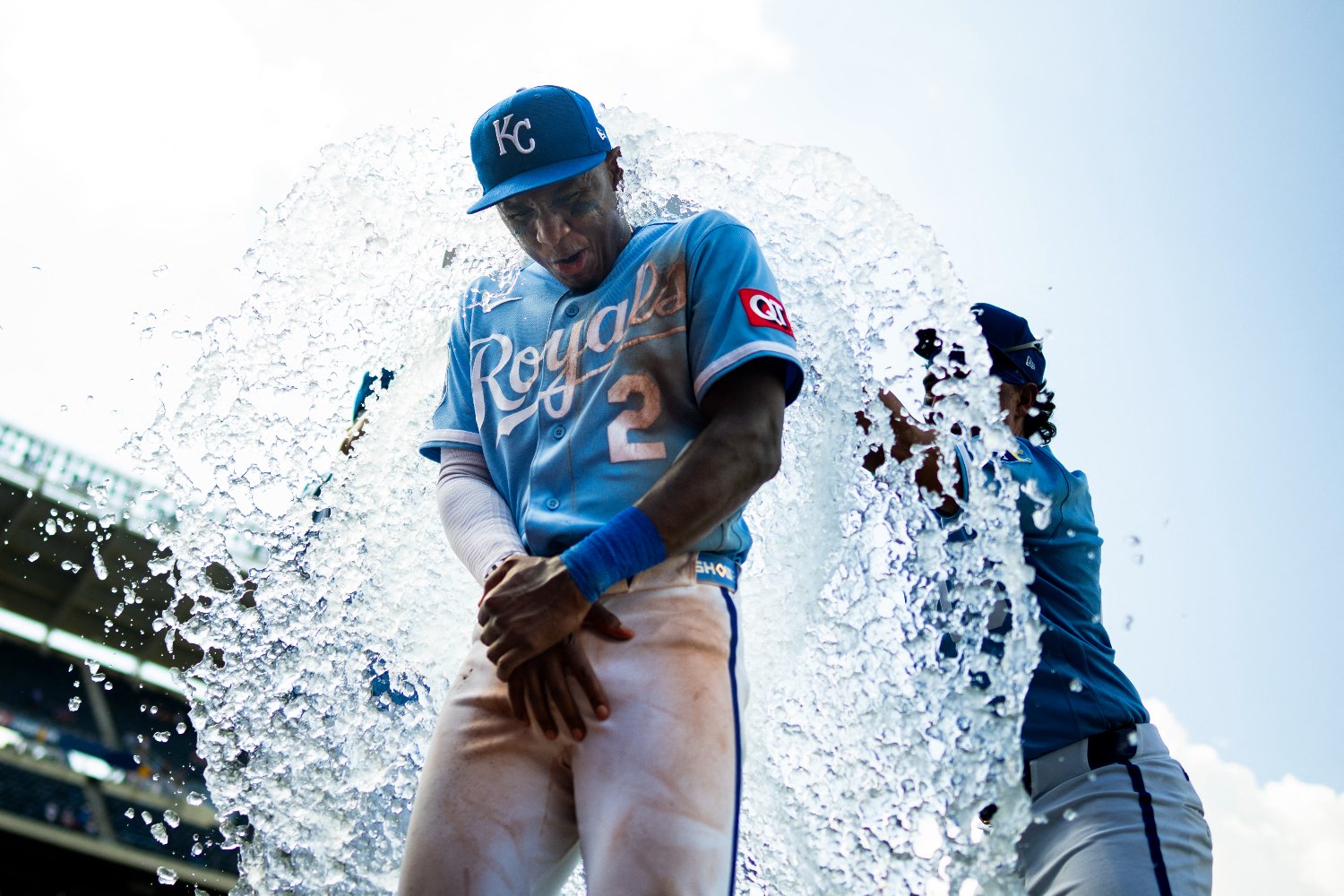 Week in a Nutshell The Royals returned to Kauffman Stadium this past week for their last homestand before the All-Star Break. It didn't start well, as Kansas City was swept during the week by the Tampa Bay Rays, one of the hottest teams in baseball. With fan morale low after the sweep and a poor first half, they also fell flat on the Fourth of July in the first game against the Phillies, despite a pretty packed house (30,000+ in attendance). However, the Royals righted the ship a bit on Sunday and Monday, with victories that helped them take the series against the favored NL East ballclub. And if that wasn't enough, Kansas City made offensive history with 15 total runs on 22 hits in the series finale against Philadelphia. Record this Week: 2-4 Run Differential for the Week: -1 Record for the Year: 37-54 Run Differential for the Year: -71 Standing: 5th in the AL Central One Sentence Game Summaries Game 86: TB 10, KC 4 Noah Cameron and the Royals' bullpen are tagged for 10 runs by the sixth inning in a game that never felt close. Game 87: TB 4, KC 0 Shane McClanahan silences the Royals bats over six innings of work, as Junior Caminero hits a home run in the sixth straight game. Game 88: TB 5, KC 2 Carter Jensen and Isaac Collins go yard, but it's not enough, as Stephen Kolek exits the game after only two innings. Game 89: PHI 6, KC 1 Fireworks come after the game and from Phillies bats in this one. Game 90: KC 5, PHI 2 Royals snap losing streak thanks to strong five-inning outing from Luinder Avila and clutch hits from Collins and Salvador Perez. Game 91: KC 15, PHI 1 The Royals score at least one run in every inning in a blowout against NL Cy Young favorite Cristopher Sanchez (who had a 2.00 ERA entering this game). News and Notes Kolek has been dealing with some family issues, mostly centering on the birth of his child, who was born prematurely (but is reportedly in stable condition). As a result, the right-handed pitcher has been on and off the Family Emergency List twice, with the most recent addition coming on July 4th after his two-inning July 2nd start against the Rays. The Royals shuffled their pitching staff with Kolek on the Family Emergency List. Jose Cuas, who last pitched in Kansas City in 2023, was called up to take Kolek's place on the pitching staff, and he has done well in the role, especially with new acquisition Connor Seabold recently going on the IL. Reliever Eric Cerantola was also called up to pitch some innings with a depleted staff. Unfortunately, he struggled during his brief tenure, highlighted by a nightmarish June 30th outing against the Rays that featured six walks in 1.1 IP. Cerantola was eventually designated for assignment on July 2nd, and the San Francisco Giants picked him up on waivers on July 6th. In addition to Cuas, the Royals called up another former player, Maile, who made his 2026 debut on Sunday against the Phillies. In Maile's first at-bat with the Royals this season, he hit an opposite-field three-run home run off Sanchez in the bottom of the first inning. Maile's promotion resulted in John Rave's demotion back to Omaha. Rave had a 151 wRC+ in 21 plate appearances with the Royals this season. The primary reason for Maile's call-up is apparently Perez's lingering minor injuries, preventing him from seeing any time at catcher. Salvy has not caught since June 27th. In other injury news, they received both positive and negative updates this week. On a positive note, Vinnie Pasquantino has been cleared to begin a rehab start in Triple-A Omaha on Tuesday, July 7th. On the negative side, the Royals saw setbacks with Kyle Isbel and Kris Bubic, who were lifted from rehab assignments (or those scheduled) for further evaluation. Bubic made two appearances in Omaha before returning to the IL. Speaking of pitching, Cole Ragans underwent surgery on his left UCL, which will not only end his 2026 season but also keep him out for part of 2027. An interesting Minor League move the Royals made this week was acquiring Scott Barlow as a Minor League free agent. The former Royals reliever was a prolific closer for Kansas City from 2021 to 2023, but he struggled with the Athletics this year. Barlow posted a 6.48 ERA and 6.44 FIP in 33.1 IP with the A's before being released. He is currently pitching in Triple-A Omaha. In some encouraging Major League news, two Royals players made the All-Star Game roster: Bobby Witt Jr. and Michael Wacha. Witt was voted in as the starting shortstop by the fans. This is his third straight All-Star appearance and his first as a starter. As for Wacha, this is his second All-Star appearance, with his last coming in 2015 when he was a member of the St. Louis Cardinals. Highlights There weren't many highlights for the Royals in the Rays series, but things picked up for the club in the Phillies series. The Royals won 2 of 3 from Philadelphia, their first series win since their June 18-21 series at home against the Cardinals. Kansas City's offensive performance was pretty historic on Monday afternoon. Even though they were facing Sanchez, who had a 2.00 ERA going into the game and was recently named to the NL All-Star roster, the Royals tagged him for 9 runs on 12 hits and 1 walk over 3.1 IP. Overall, the Royals scored 15 runs on 22 hits and scored at least one run in every inning in their 14-run victory on Monday afternoon. Many Royals bats stood out this week during the homestand. In 23 at-bats, Witt hit .348 with a .984 OPS and two home runs. His eight hits led all Royals hitters in the past week. Salvy also had a strong performance this week, hitting .313 with a .978 OPS in 16 at-bats. He also hit two home runs during the homestand, his latest coming on Monday against Sanchez. Collins also had a strong week at the plate, which was encouraging to see considering he's been quite up and down this year. In 13 at-bats, he hit .385 with a 1.154 OPS, a home run, and two doubles. Much like Salvy, Collins has seemed to do better offensively with more days off and fewer at-bats. The best offensive performance of the week may belong to Tyler Tolbert, who had a five-hit game on Monday and was a triple short of the cycle. The Royals utility player hit .700 this week with a 1.800 OPS. That included a home run and two stolen bases. On the pitching side, there were fewer highlights, but Steven Cruz is a reliever who deserves recognition. Over three innings pitched, he allowed no runs and posted a 1.33 WHIP. While he didn't strike out a tremendous amount (three) and had some control issues, the TJ Stuff+, xwOBACON, and chase% were all solid this week for Cruz. Cruz is slowly proving that he can be a reliable reliever for the Royals, even though he had a brutal start to the season. Another pitching standout was Luinder Avila, who stopped the bleeding for the Royals and helped Kansas City snap a four-game losing streak on Sunday. It was an efficient outing for Avila over five innings against a daunting Phillies lineup. He struck out four, walked one, allowed three hits, and allowed only one run on 69 pitches. Manager Matt Quatraro pulled the hook on Avila early after he gave up some loud contact in the fifth, but the Venezuelan righty did enough to help set up a Royals victory. Avila has been a reliable starter for the Royals this year, much-needed considering the injuries to many pitchers on this staff, especially Ragans, Bubic, and reliever Carlos Estevez. Lowlights Cameron got the win on Monday, but he didn't have a pretty stretch this week, as evidenced by the numbers from his two starts during this homestand. In 8.2 IP, the St. Joseph, Missouri product produced a 7.27 ERA and 2.65 WHIP. Cameron got hit around by the Rays and Phillies, as evidenced by 15 hits and two home runs allowed this week. Control and command were also issues for Cameron this week. He had more walks than strikeouts, and he struggled to generate much chase, whiff, or weak contact in his two starts at Kauffman Stadium this week, as demonstrated below in his TJ Stuff+ summary. Cameron is coming off a poor June in which he posted a 5.52 ERA and 1.42 WHIP in 31 IP. While he was able to get through some tough jams on Monday against the Phillies (only one run allowed), his lack of control (five walks) could hurt him in future outings down the stretch if he is not getting the same batted-ball luck. Cerantola had the worst outing of any Royals pitcher during this homestand, which seemed to be the final straw for him with the Royals. In 1.1 IP, he walked six batters and allowed two runs to score (he also allowed one hit). The Canadian pitcher has a wicked slider, but his fastball and cutter are mediocre offerings, as demonstrated by his TJ Stuff+ data from his June 30th outing against the Rays. After being designated for assignment, the San Francisco Giants claimed Ceranotla on waivers on Tuesday, hoping that the 2021 5th-round pick can boost their mediocre bullpen, which ranks 23rd in bullpen ERA and 29th in bullpen K/9. On the offensive end, Jac Caglianone had a rough homestand, hitting .200 with a .392 OPS in 25 at-bats, a team-leading total. Strikeouts were an issue for him, as he struck out six times and didn't walk once. The same was true with Carter Jensen, who also hit .200, didn't walk once, and struck out 10 times. At least Jensen showed power, launching two home runs this week. That made his OPS respectable at .700. Cags has been hot and cold this year, and his rough homestand lowered his OPS from .847 on June 23rd to .782 after Monday's win. Wild swings may just be Cags' MO in the future, but it'll be interesting to see if he gets more patient now that he's hit a cold stretch. After walking 10 times last month in 106 plate appearances, he has zero so far in 22 plate-appearances this month. Another hitter with a rough homestand was Michael Massey, who hit .176 with a .439 OPS in 17 at-bats. With Jonathan India hurt, Massey has stepped up, filling in admirably on the offensive and defensive end. In terms of the latter, his +8 OAA at second base makes him one of the best defenders at the keystone position in baseball. Massey is coming off a solid June, hitting .294 with a .792 OPS in 91 plate appearances. He also hit two home runs and collected 12 RBI. That is what the Royals need near the middle to bottom of the batting order. Unfortunately, he's gotten off to a cold start in July, which includes six strikeouts to only two walks in 17 at-bats. A productive Massey at the plate will only enhance his overall value, especially considering how strong he is defensively. Hopefully, he can put this rough homestand behind him. Looking Ahead The Royals hit the road this week for their final road trip of the 2026 first half. They will face two teams that have also disappointed this year: the New York Mets (38-53) and the Baltimore Orioles (42-49). The Mets have been a massive disappointment in 2026, especially considering their massive payroll centered around superstar Juan Soto. Much like the Royals, injuries have hurt the Mets, and the combination of those and lackluster performances from key players ultimately cost manager Carlos Mendoza his job. The Royals will likely pitch Seth Lugo, Stephen Kolek (fresh off the FME List), and Michael Wacha in this series and will likely face Kodai Senga, Christian Scott, and former Royals draft pick Sean Manaea. The Mets' bullpen (6th in reliever ERA) has been much better than their rotation (27th in starter ERA), so if the Royals want to win this series, they will need to get after Mets starters early. In the weekend series, Kansas City will face the Orioles, whom they faced in the 2024 AL Wild Card Series (the Royals won in two games in Baltimore). The Orioles and Royals are pretty much kindred spirits when comparing their circumstances: Both made the postseason in 2024 despite years of rebuilding as smaller-market teams with smaller payrolls. They built their postseason teams through homegrown talent. They have regressed over the past two years, as both teams missed the playoffs last year and will likely do so again in 2026. They had former ownership groups that were very cheap and unhelpful, but now have owners who want to win, are more willing to spend, and have higher expectations. The Royals could build some much-needed momentum with a series win in Baltimore. They will likely face Brandon Young, Kyle Bradish, and Shane Baz in this final series of the first half. Luinder Avila, Noah Cameron, and Seth Lugo are expected to pitch for the Royals. The Orioles won the series against the Royals at Kauffman Stadium back in April, two games to one. Thus, it would be nice for Kansas City to even up the season series with Baltimore before the All-Star Break.
 -
 Abraham Toro homered twice and drove in four as Omaha routed Indianapolis 13-3, with Henry Williams turning in a quality start. Coleman Picard spun five scoreless innings to lead Columbia to a 3-0 shutout, with JC Vanek delivering a bases-loaded triple. Ramon Ramirez collected three hits within Quad C, delivering an 8-4 win. Steven Zobac struck out eight in a strong start, but Northwest Arkansas fell 5-2 to Corpus Christi. Royals Transactions No Roster Moves Abraham Toro's Two Homers Headline Omaha's Rout Of Indianapolis Omaha handled the Indianapolis Indians 13-3 behind a balanced attack and a strong start from Williams. Toro led the way from the cleanup spot, going 3-for-5 with two home runs, a double, and four RBI. Andrew Velazquez added three hits and two RBI, John Rave collected two hits with a double, and Gavin Cross chipped in two hits and two RBI. Williams turned in a quality start, working six innings and allowing three earned runs on five hits, with two walks and four strikeouts. Oscar Rayo and Eli Morgan combined for three scoreless innings to close it out. The Storm Chasers' defense also picked up the pitching with a rare triple play in the fourth inning. Omaha set the tone in the first inning in the win. Rave doubled home Rudy Martin Jr., Brett Squires brought in Matthew Lugo on a sacrifice fly, and Cross doubled home Rave for a 3-0 lead. Omaha blew the game open in the eighth. Martin Jr. led off with a two-run homer that scored Velazquez, and later in the frame Toro launched his second homer of the night, a two-run shot that plated Lugo. Omaha left five runners on base and went 5-for-10 with runners in scoring position. They are now 38-48 this season. Player AB R H RBI BB K Rudy Martin Jr. 4 2 1 2 1 2 Matthew Lugo 3 3 1 1 2 1 John Rave 5 2 2 1 0 1 Abraham Toro 5 2 3 4 0 0 Brett Squires 4 1 2 1 0 1 Gavin Cross 5 1 2 2 0 2 Elih Marrero 3 1 0 0 0 2 Kevin Newman 3 0 0 0 1 1 Andrew Velazquez 4 1 3 2 0 0 Player IP H R ER BB K HR Henry Williams 6 5 3 3 2 4 0 Oscar Rayo 2 4 0 0 0 1 0 Eli Morgan 1 0 0 0 0 0 0 Steven Zobac Strikes Out Eight But Naturals Fall To Corpus Christi Zobac was sharp in a losing effort as Northwest Arkansas dropped a 5-2 decision to the Corpus Christi Hooks. The 25-year-old righty struck out eight over four and a third innings, allowing two earned runs on two hits with no walks and one home run. It was a nice outing for the No. 16 prospect in the Royals system, who's only made five starts in Northwest Arkansas this year due to injuries. The Naturals managed just four hits. Jack Pineda led the offense, going 2-for-4 with a home run and an RBI. Carson Roccaforte reached with a single and scored a run, and Alberto Rodriguez added the team's other hit. Northwest Arkansas scratched out a run in the third to take a brief 1-0 lead. Unfortunately, the game turned in the Hooks' favor in the eighth. After the Naturals bullpen surrendered three runs to fall behind 5-1, Pineda answered with a solo home run in the bottom half, but the rally stopped there. Tommy Molsky was effective out of the pen, striking out three over one and two-thirds scoreless innings. Frank Mozzicato struggled in the eighth, giving up three earned runs on three hits and two walks over one and a third innings. The former first-round pick, who's been primarily pitching in relief recently, has an ERA of 8.74 this season in his second stint in Double-A. Northwest Arkansas left six runners on base and went 0-for-4 with runners in scoring position. The Naturals are now 32-47 after the loss. Player AB R H RBI BB K Carson Roccaforte 3 1 1 0 0 0 Jack Pineda 4 1 2 1 0 0 Sam Kulasingam 3 0 0 0 1 0 Spencer Nivens 3 0 0 0 1 1 Jorge Alfaro 3 0 0 0 0 0 Connor Scott 4 0 0 0 0 1 Canyon Brown 4 0 0 0 0 0 Alberto Rodriguez 4 0 1 0 0 2 Justin Johnson 2 0 0 0 0 1 Player IP H R ER BB K HR Steven Zobac 4 1/3 2 2 2 0 8 1 Tommy Molsky 1 2/3 0 0 0 1 3 0 Frank Mozzicato 1 1/3 3 3 3 2 2 1 Augusto Mendieta 2/3 1 0 0 0 0 0 Dennis Colleran Jr. 1 0 0 0 1 0 0 Ramon Ramirez Drives In Three As Quad Cities Beats Cedar Rapids Quad Cities pushed past the Cedar Rapids Kernels 8-4, powered by a big night from Ramirez. Ramirez went 2-for-5 with two doubles, three RBI, and a stolen base. Leadoff man Nolan Sailors was a catalyst, going 3-for-4 with a double, a walk, a stolen base, and three runs scored. Luke Pelzer added two hits, an RBI, and two stolen bases, and Trevor Werner homered for two RBI, with his latest home run tying him for 10th in total home runs in River Bandits history. The River Bandits jumped ahead in the first. Ramirez doubled home Sailors, and a second run scored on an error for a 2-0 lead. Werner's two-run homer in the fourth extended the lead, giving the Sailors the advantage. Quad Cities added insurance in the eighth. With runners aboard, Ramirez laced a double to left that scored Angel Acosta and Sailors, stretching the lead to its final margin. Emmanuel Reyes had a rough start, allowing three earned runs on seven hits over four and a third innings, with an earned run and a strikeout. That said, two of his runs came in the first inning, and he settled down afterward, even though he didn't generate many strikeouts. Mason Miller picked up the win with one and a third innings of work, and Nick Conte, Max Martin, and Yimi Presinal combined for three and a third scoreless innings to finish. Quad Cities left seven runners on base and went 5-for-15 with runners in scoring position. The Sunday victory was the River Bandits' fourth in a row and improved their record to 37-40. Player AB R H RBI BB K Nolan Sailors 4 3 3 0 1 0 Asbel Gonzalez 3 0 1 0 0 2 Ramon Ramirez 5 1 2 3 0 0 Luke Pelzer 3 0 2 1 1 0 Chris Brito 3 0 0 0 0 1 Tyriq Kemp 4 0 0 0 0 1 Jose Cerice 3 1 1 0 1 0 Trevor Werner 4 1 1 2 0 1 Angel Acosta 4 2 1 0 0 0 Player IP H R ER BB K HR Emmanuel Reyes 4 1/3 7 3 3 2 1 1 Mason Miller 1 1/3 3 1 1 0 2 0 Nick Conte 1 1/3 0 0 0 1 1 0 Max Martin 1 0 0 0 0 1 0 Yimi Presinal 1 0 0 0 0 1 0 Coleman Picard, JC Vanek Lead Columbia To Shutout Of Fredericksburg Columbia blanked the Fredericksburg Nationals 3-0 behind a dominant start from Picard and a bases-clearing triple from Vanek. Picard was excellent, tossing five scoreless innings and allowing just one hit with a walk and six strikeouts. The 2023 6th-round pick out of Bryant College earned his first victory of the year and improved his ERA to 1.93 after the outing. The Fireflies bullpen finished the shutout in style. Hunter Alberini, Dash Albus, and Yeri Perez combined for four hitless innings, with Perez recording the save. The Fireflies pitching staff held Fredericksburg to a single hit on the night. Columbia scored all of its runs in the third. With the bases loaded, Vanek tripled to right, clearing them and scoring Connor Rasmussen, Josh Hammond, and Sean Gamble, extending a 3-0 lead that held up the rest of the way. Vanek finished 1-for-4 with the triple and three RBI. Hammond, the Royals' No. 3 prospect, reached base twice on walks and scored a run, and Stone Russell singled, walked, and swiped two bases. Columbia left five runners on base and went 1-for-7 with runners in scoring position. With the victory, the Fireflies got back over .500 with a 41-40 record. Player AB R H RBI BB K Josh Hammond 2 1 0 0 2 0 Sean Gamble 3 1 0 0 1 3 Yandel Ricardo 4 0 1 0 0 2 JC Vanek 4 0 1 3 0 1 Stone Russell 3 0 1 0 1 1 Henry Ramos 3 0 0 0 0 3 Hyungchan Um 3 0 0 0 0 0 Connor Rasmussen 2 1 1 0 1 0 Roni Cabrera 1 0 0 0 0 1 Angel Ramirez 2 0 0 0 0 0 Player IP H R ER BB K HR Coleman Picard 5 1 0 0 1 6 0 Hunter Alberini 1 1/3 0 0 0 0 1 0 Dash Albus 1 2/3 0 0 0 0 1 0 Yeri Perez 1 0 0 0 2 0 0 Top-20 Prospect Performance Kendry Chourio: DNP David Shields: DNP Josh Hammond: 0-for-2, 2 BB Blake Mitchell: DNP Sean Gamble: 0-for-3, BB, 3 K Ramon Ramirez: 2-for-5, 2 2B, 3 RBI, SB Drew Beam: DNP Carson Roccaforte: 1-for-3 Asbel Gonzalez: 1-for-3, 2 K Yandel Ricardo: 1-for-4, 2 K Michael Lombardi: DNP Ben Kudrna: DNP Justin Lamkin: DNP Felix Arronde: DNP Blake Wolters: DNP Steven Zobac: 4 1/3 IP, 2 H, 2 R, 2 ER, 0 BB, 8 K Austin Charles: DNP Daniel Vázquez: DNP Kamden Edge: DNP Warren Calcano: DNP
 -
Abraham Toro homered twice and drove in four as Omaha routed Indianapolis 13-3, with Henry Williams turning in a quality start. Coleman Picard spun five scoreless innings to lead Columbia to a 3-0 shutout, with JC Vanek delivering a bases-loaded triple. Ramon Ramirez collected three hits within Quad C, delivering an 8-4 win. Steven Zobac struck out eight in a strong start, but Northwest Arkansas fell 5-2 to Corpus Christi. Royals Transactions No Roster Moves Abraham Toro's Two Homers Headline Omaha's Rout Of Indianapolis Omaha handled the Indianapolis Indians 13-3 behind a balanced attack and a strong start from Williams. Toro led the way from the cleanup spot, going 3-for-5 with two home runs, a double, and four RBI. Andrew Velazquez added three hits and two RBI, John Rave collected two hits with a double, and Gavin Cross chipped in two hits and two RBI. Williams turned in a quality start, working six innings and allowing three earned runs on five hits, with two walks and four strikeouts. Oscar Rayo and Eli Morgan combined for three scoreless innings to close it out. The Storm Chasers' defense also picked up the pitching with a rare triple play in the fourth inning. Omaha set the tone in the first inning in the win. Rave doubled home Rudy Martin Jr., Brett Squires brought in Matthew Lugo on a sacrifice fly, and Cross doubled home Rave for a 3-0 lead. Omaha blew the game open in the eighth. Martin Jr. led off with a two-run homer that scored Velazquez, and later in the frame Toro launched his second homer of the night, a two-run shot that plated Lugo. Omaha left five runners on base and went 5-for-10 with runners in scoring position. They are now 38-48 this season. Player AB R H RBI BB K Rudy Martin Jr. 4 2 1 2 1 2 Matthew Lugo 3 3 1 1 2 1 John Rave 5 2 2 1 0 1 Abraham Toro 5 2 3 4 0 0 Brett Squires 4 1 2 1 0 1 Gavin Cross 5 1 2 2 0 2 Elih Marrero 3 1 0 0 0 2 Kevin Newman 3 0 0 0 1 1 Andrew Velazquez 4 1 3 2 0 0 Player IP H R ER BB K HR Henry Williams 6 5 3 3 2 4 0 Oscar Rayo 2 4 0 0 0 1 0 Eli Morgan 1 0 0 0 0 0 0 Steven Zobac Strikes Out Eight But Naturals Fall To Corpus Christi Zobac was sharp in a losing effort as Northwest Arkansas dropped a 5-2 decision to the Corpus Christi Hooks. The 25-year-old righty struck out eight over four and a third innings, allowing two earned runs on two hits with no walks and one home run. It was a nice outing for the No. 16 prospect in the Royals system, who's only made five starts in Northwest Arkansas this year due to injuries. The Naturals managed just four hits. Jack Pineda led the offense, going 2-for-4 with a home run and an RBI. Carson Roccaforte reached with a single and scored a run, and Alberto Rodriguez added the team's other hit. Northwest Arkansas scratched out a run in the third to take a brief 1-0 lead. Unfortunately, the game turned in the Hooks' favor in the eighth. After the Naturals bullpen surrendered three runs to fall behind 5-1, Pineda answered with a solo home run in the bottom half, but the rally stopped there. Tommy Molsky was effective out of the pen, striking out three over one and two-thirds scoreless innings. Frank Mozzicato struggled in the eighth, giving up three earned runs on three hits and two walks over one and a third innings. The former first-round pick, who's been primarily pitching in relief recently, has an ERA of 8.74 this season in his second stint in Double-A. Northwest Arkansas left six runners on base and went 0-for-4 with runners in scoring position. The Naturals are now 32-47 after the loss. Player AB R H RBI BB K Carson Roccaforte 3 1 1 0 0 0 Jack Pineda 4 1 2 1 0 0 Sam Kulasingam 3 0 0 0 1 0 Spencer Nivens 3 0 0 0 1 1 Jorge Alfaro 3 0 0 0 0 0 Connor Scott 4 0 0 0 0 1 Canyon Brown 4 0 0 0 0 0 Alberto Rodriguez 4 0 1 0 0 2 Justin Johnson 2 0 0 0 0 1 Player IP H R ER BB K HR Steven Zobac 4 1/3 2 2 2 0 8 1 Tommy Molsky 1 2/3 0 0 0 1 3 0 Frank Mozzicato 1 1/3 3 3 3 2 2 1 Augusto Mendieta 2/3 1 0 0 0 0 0 Dennis Colleran Jr. 1 0 0 0 1 0 0 Ramon Ramirez Drives In Three As Quad Cities Beats Cedar Rapids Quad Cities pushed past the Cedar Rapids Kernels 8-4, powered by a big night from Ramirez. Ramirez went 2-for-5 with two doubles, three RBI, and a stolen base. Leadoff man Nolan Sailors was a catalyst, going 3-for-4 with a double, a walk, a stolen base, and three runs scored. Luke Pelzer added two hits, an RBI, and two stolen bases, and Trevor Werner homered for two RBI, with his latest home run tying him for 10th in total home runs in River Bandits history. The River Bandits jumped ahead in the first. Ramirez doubled home Sailors, and a second run scored on an error for a 2-0 lead. Werner's two-run homer in the fourth extended the lead, giving the Sailors the advantage. Quad Cities added insurance in the eighth. With runners aboard, Ramirez laced a double to left that scored Angel Acosta and Sailors, stretching the lead to its final margin. Emmanuel Reyes had a rough start, allowing three earned runs on seven hits over four and a third innings, with an earned run and a strikeout. That said, two of his runs came in the first inning, and he settled down afterward, even though he didn't generate many strikeouts. Mason Miller picked up the win with one and a third innings of work, and Nick Conte, Max Martin, and Yimi Presinal combined for three and a third scoreless innings to finish. Quad Cities left seven runners on base and went 5-for-15 with runners in scoring position. The Sunday victory was the River Bandits' fourth in a row and improved their record to 37-40. Player AB R H RBI BB K Nolan Sailors 4 3 3 0 1 0 Asbel Gonzalez 3 0 1 0 0 2 Ramon Ramirez 5 1 2 3 0 0 Luke Pelzer 3 0 2 1 1 0 Chris Brito 3 0 0 0 0 1 Tyriq Kemp 4 0 0 0 0 1 Jose Cerice 3 1 1 0 1 0 Trevor Werner 4 1 1 2 0 1 Angel Acosta 4 2 1 0 0 0 Player IP H R ER BB K HR Emmanuel Reyes 4 1/3 7 3 3 2 1 1 Mason Miller 1 1/3 3 1 1 0 2 0 Nick Conte 1 1/3 0 0 0 1 1 0 Max Martin 1 0 0 0 0 1 0 Yimi Presinal 1 0 0 0 0 1 0 Coleman Picard, JC Vanek Lead Columbia To Shutout Of Fredericksburg Columbia blanked the Fredericksburg Nationals 3-0 behind a dominant start from Picard and a bases-clearing triple from Vanek. Picard was excellent, tossing five scoreless innings and allowing just one hit with a walk and six strikeouts. The 2023 6th-round pick out of Bryant College earned his first victory of the year and improved his ERA to 1.93 after the outing. The Fireflies bullpen finished the shutout in style. Hunter Alberini, Dash Albus, and Yeri Perez combined for four hitless innings, with Perez recording the save. The Fireflies pitching staff held Fredericksburg to a single hit on the night. Columbia scored all of its runs in the third. With the bases loaded, Vanek tripled to right, clearing them and scoring Connor Rasmussen, Josh Hammond, and Sean Gamble, extending a 3-0 lead that held up the rest of the way. Vanek finished 1-for-4 with the triple and three RBI. Hammond, the Royals' No. 3 prospect, reached base twice on walks and scored a run, and Stone Russell singled, walked, and swiped two bases. Columbia left five runners on base and went 1-for-7 with runners in scoring position. With the victory, the Fireflies got back over .500 with a 41-40 record. Player AB R H RBI BB K Josh Hammond 2 1 0 0 2 0 Sean Gamble 3 1 0 0 1 3 Yandel Ricardo 4 0 1 0 0 2 JC Vanek 4 0 1 3 0 1 Stone Russell 3 0 1 0 1 1 Henry Ramos 3 0 0 0 0 3 Hyungchan Um 3 0 0 0 0 0 Connor Rasmussen 2 1 1 0 1 0 Roni Cabrera 1 0 0 0 0 1 Angel Ramirez 2 0 0 0 0 0 Player IP H R ER BB K HR Coleman Picard 5 1 0 0 1 6 0 Hunter Alberini 1 1/3 0 0 0 0 1 0 Dash Albus 1 2/3 0 0 0 0 1 0 Yeri Perez 1 0 0 0 2 0 0 Top-20 Prospect Performance Kendry Chourio: DNP David Shields: DNP Josh Hammond: 0-for-2, 2 BB Blake Mitchell: DNP Sean Gamble: 0-for-3, BB, 3 K Ramon Ramirez: 2-for-5, 2 2B, 3 RBI, SB Drew Beam: DNP Carson Roccaforte: 1-for-3 Asbel Gonzalez: 1-for-3, 2 K Yandel Ricardo: 1-for-4, 2 K Michael Lombardi: DNP Ben Kudrna: DNP Justin Lamkin: DNP Felix Arronde: DNP Blake Wolters: DNP Steven Zobac: 4 1/3 IP, 2 H, 2 R, 2 ER, 0 BB, 8 K Austin Charles: DNP Daniel Vázquez: DNP Kamden Edge: DNP Warren Calcano: DNP View full article
-
I'm hearing that the Royals may go underslot on a college pitcher at 6. Reddemann feels like a reach for that, but then again, he probably would've been a Top-15 pick had he finished the year healthy. I like Reddemann a lot more than Gio Rojas or Mason Edwards, two pitchers rumored to the Royals in the first round. If healthy, Reddemann could be the best pitcher selected in the first round.
- 3 replies
-
- 1
-

-
- coleman borthwick
- zion rose
- (and 3 more)
-
Image courtesy of USA TODAY Network via Reuters Connect In my first MLB Draft writeup on the Royals' options at No. 6, I looked at five candidates. That included three prep prospects (EJ Booth, Gio Rojas, and Jacob Lombard) and two college ones (Drew Burress and Jackson Flora). In this latest writeup, I am going to explore the Royals' options in the Competitive Balance A round, as they hold pick No. 30. A lot of what they do at No. 30 will depend on what they do at No. 6. If they draft an underslot college guy, they likely could spend a bit more on an overslot prep prospect. If they draft a prep prospect like Booth or Lombard, who will command a high signing bonus, they will likely have to settle for a more signable college player (Rojas may sign underslot, but his stock has risen a lot in the past couple of weeks). Thus, let's take a look at the Royals' possible options at No. 30, and what each of those draft candidates could offer Kansas City in the future if drafted. Like last time, all draft reports will come from Jamie Cameron's latest Mock Draft on Diamondcentric. Coleman Borthwick, 3B/RHP, South Walton High School (FL) Borthwick is a big pitcher with big stuff and a strong pedigree for a prep prospect. The Auburn commit is 6'6 and 255 pounds, looking more like a linebacker or tight end than a baseball player. However, he has excellent upside, especially on the mound. He's the kind of pitcher who could be a No. 1 or 2 starter at the Major League level. Because of his multi-positional profile, his pitching repertoire is pretty limited. He throws a four-seamer, slider, and changeup. However, his pitches sport strong stuff profiles, with good velocity and movement, according to scouts. In high school at South Walton, Borthwick piled up strikeouts in bunches, as evidenced in this Tweet below. It seems like people are high on Borthwick not just for his physical profile, but for his polish as a prep pitcher as well. Cameron, who mocked Borthwick at No. 27, noted that his control was much better than expected for a prep pitcher of his frame. The Royals have liked pitchers like Borthwick in the past. Blake Wolters, our No. 15 prospect at Royals Keep, is a similar pitcher to Borthwick in his size and stuff profile. Wolters, a 2023 second-round pick, has moved slowly in the Royals' system (he just reached High-A this year), but he also didn't quite have Borthwick's command either as a high schooler out of Mahomet-Seymour High School in Illinois. Another positive in Borthwick's favor is that he has done well in international competition. He was named 2025 WBSC Player of the Year for his strong play as both a hitter and pitcher in the 18-and-Under World Cup last August. Borthwick will most likely command a high signing bonus in the $2.8-$3 million range. Thus, it is more likely that the Royals would select Borthwick if they draft someone like Flora, Burress, or Rojas at No. 6. Mason Edwards, LHP, University of Southern California The USC lefty has shot up a lot of boards recently, with many thinking that the 21-year-old could crack into the first round on Draft Day. His mocks still have him in the 28-32 range, so it's possible that the prolific strikeout artist could be available at No. 30. Edwards is coming off a sensational season with the Trojans. In 17 starts and 95.2 IP, he posted a 2.07 ERA, 1.06 WHIP, and a K/BB ratio of 3.60. Strikeouts came easily for Edwards as a 20-year-old, as he sported a K/9 of 15.9, which is 3.2 better than his K/9 mark in 2025. One of Edwards' highlights last season was his 16-strikeout game against Iowa back in April. At 6'2, 210 pounds, Edwards has some size, but he's not as physically dominant as Borthwick. Furthermore, his stuff is a bit of a question mark, as he doesn't have a premium fastball. Cameron mocks him at No. 28, just two slots ahead of the Royals' pick. In his scouting report of Edwards, Cameron notes the fastball velocity concerns, but does point to Edwards' pitchability as a factor in his favor in this particular Draft. When looking at Edwards, his profile feels similar to Kris Bubic in the sense that the USC product can generate strikeouts in bunches despite not sporting premium velocity. The Royals have seemed to do wonders with pitchers with this profile, with Bubic and Noah Cameron being homegrown success stories who have matriculated through the farm system to find Major League success. An example of Edwards being a mature pitcher for his age was evident in a bad-weather game on March 28th against Maryland (classic Big Ten matchup). Even though Edwards only went 4.1 IP and didn't have the best stuff on his fastball, he still struck out 10 batters. If the Royals are looking for a pitcher who can move quickly in the farm system, Edwards fits the bill at No. 30. He could be a nice arm in this slot who could complement a premium prep talent like Booth or Lombard, or he could be a quick mover in the system that could debut at the same time as Burress. Zion Rose, OF, University of Louisville Rose is an interesting draft candidate because his 2026 campaign was affected by injury. After playing 66 games in 2025, he played only 36 games with the Cardinals this past season due to an ankle injury at the start of the season. Thus, there are some question marks about Rose's durability heading into this Draft. However, when he was healthy, Rose absolutely mashed with Louisville. In 173 plate appearances, the outfielder hit .417 with a 1.137 OPS. That included six home runs, 44 runs scored, 47 RBI, and 24 stolen bases on 27 attempts. When looking at his highlights, Rose has five-tool potential, with a unique blend of power and speed for a player of his profile (6'1, 200 pounds). Mocked at No. 29 by Cameron, Rose can be a bit free-swinging, though Cameron notes that he makes a lot of out-of-zone contact. Still, the strong bat speed and excellent BB/K ratio (19 walks to 15 strikeouts) make him an intriguing draft candidate who could move quickly in the Royals' farm system. Rose is a competitive player who has received rave reviews for his makeup and leadership. He also has demonstrated strong defense in the outfield, though he doesn't have elite arm strength. Still, he should be able to handle Kauffman Stadium's dimensions, though he may not have much time out there before the stadium transition (ETA in 2031). Rose makes the most sense at No. 30 if the Royals draft Flora and want two picks who will debut soon in Kansas City. It also could make sense for the Royals to draft Rose, if available, if they nab Rojas at No. 6. Regardless, the Cardinals outfielder is a premium athlete with a strong college pedigree who could debut as a Top-3 prospect immediately in the Royals' system. Logan Reddemann, RHP, UCLA The Royals need pitching. I mean, what MLB team doesn't? Thus, it's possible to see the Royals invest in a polished college arm like Redderman if Edwards is not available at No. 30. Reddemann was one of the best arms for UCLA, one of the best teams in the country last season. Unfortunately, he was shut down at the end of the year due to injury, and the Bruins ended up bowing out early in the NCAA Tournament. When he was healthy, Reddemann was dominant and probably would've been a Top-20 pick in this year's Draft. In 10 starts and 59.2 IP, the 21-year-old righty posted a 2.87 ERA, 0.97 WHIP, and a 7.64 K/BB ratio. Reddemann's command was impressive, as he had a K/9 of 12.7 and a BB/9 of only 1.7. A prime example of Reddemann's supreme command was on display against TCU, as he struck out 10 Horned Frogs over five innings. Cameron mocked Reddemann at 30, right in the Royals' spot. He noted that if Reddemann can prove to be healthy in pre-draft workouts, he could jump back into first-round consideration. Reddemann participated in the MLB Draft Combine and showed strong velocity and movement on his pitches. That was especially true with his fastball, which averaged 94-95 MPH and had 18 inches of vertical break. I like Reddemann more than Edwards just on profile alone. Reddemann has better stuff, and his profile seems more prototypical of a strong No. 2-3 starter. He reminds me a lot of Brady Singer with a couple of more offerings. The Royals could use that kind of profile in their system, especially with the lack of premium prospect arms at Double-A and Triple-A. Cole Prosek, 3B/OF, Magnolia Heights High School (MS) If the Royals go with Flora or another college arm at No. 6 (Coastal Carolina's Cameron Flukey is getting some late buzz), then it may make sense for Kansas City to select a high-upside prep talent. It seems like Scouting Director Brian Bridges likes those athletic, high-ceiling prep types, as evidenced by their selections of Sean Gamble and Josh Hammond with their first two picks in last year's Draft. A candidate who could fit in that Gamble/Hammond mold is Prosek, a prep prospect out of Mississippi. Prosek has an athletic profile with some serious power potential. He participated in the MLB Draft Combine and impressed scouts during batting practice, producing many hard hits and barrels. A lefty with a smooth swing, there seems to be 20+ HR potential with Prosek, especially once he fills out into his 6'1 frame. He doesn't have eye-popping tools beyond his power, which explains why he's going in the Competitive Balance A or Second Round by most draft experts. Cameron has him at No. 35 and points out that his hit tool needs work when he debuts professionally. Prosek's multi-position versatility is intriguing, with his ability to play in the infield, outfield, and possibly catcher. The Royals like athletes like this, with Gamble being a prime example. Prosek's situation may be similar to that of Gamble, who needed some intensive tutelage after a rough couple of months in Low-A Columbia. However, the 2025 first-round pick has turned it around and looks to be settling into Minor League ball. Something similar could happen with Prosek, though he has more pedigree and polish than Gamble did as a prep player. The one difference between Gamble and Prosek, however, is that the Mississippi prep product's power is already way more developed than Gamble's, as evidenced by Prosek's gaudy home run numbers in high school. The Royals need good athletes who can hit and hit for power, regardless of position. Prosek may be more of a project, as he won't move as quickly through the farm system as other candidates at No. 30, like Rose. Still, if the Royals want a high-upside position prep prospect in this Draft outside of No. 6, then Prosek could fit the bill nicely for the Royals at this slot in the Draft. View full article
-
Five Options That the Royals Could Select at No. 30 in the MLB Draft
Kevin O'Brien posted an article in MLB Draft
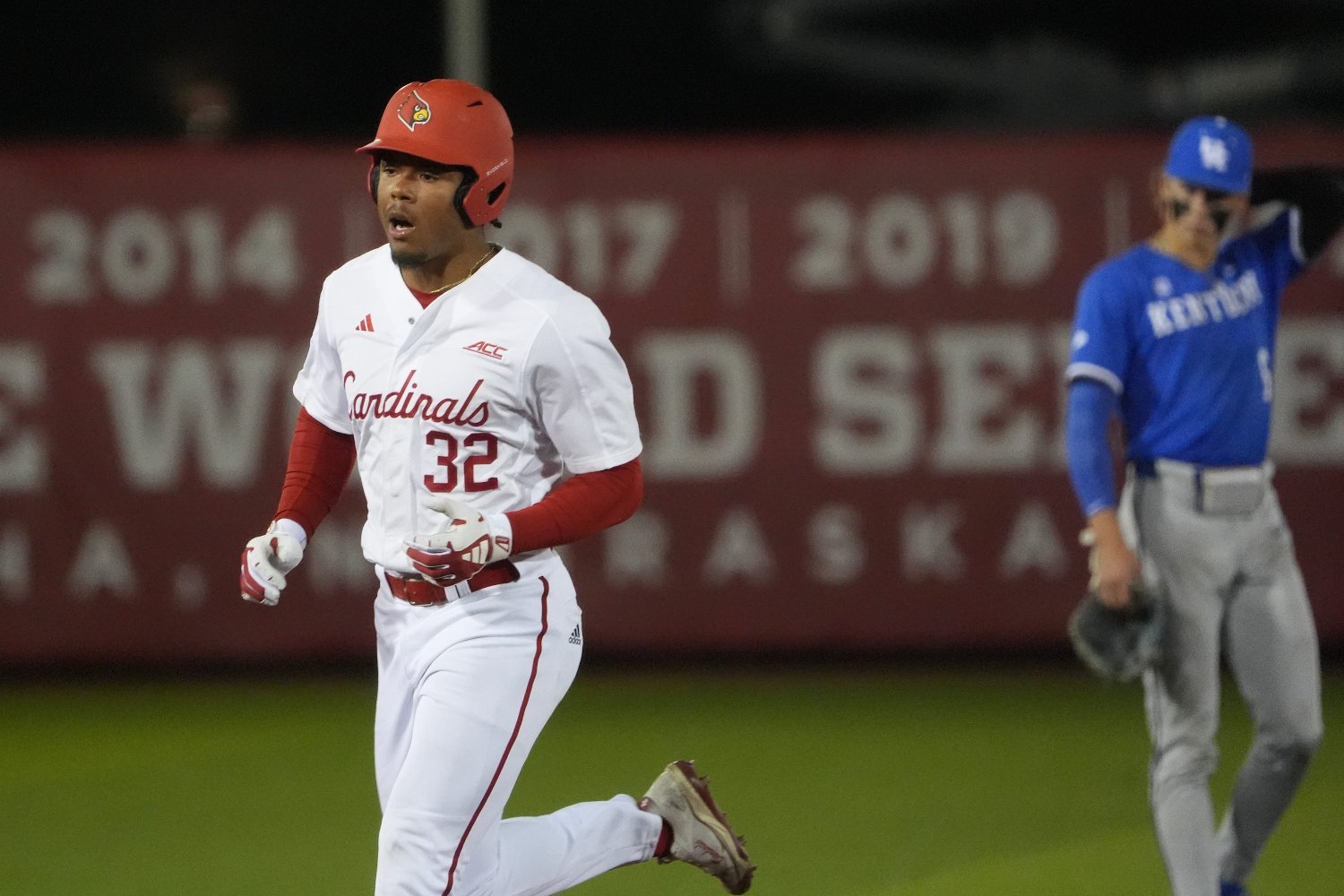 In my first MLB Draft writeup on the Royals' options at No. 6, I looked at five candidates. That included three prep prospects (EJ Booth, Gio Rojas, and Jacob Lombard) and two college ones (Drew Burress and Jackson Flora). In this latest writeup, I am going to explore the Royals' options in the Competitive Balance A round, as they hold pick No. 30. A lot of what they do at No. 30 will depend on what they do at No. 6. If they draft an underslot college guy, they likely could spend a bit more on an overslot prep prospect. If they draft a prep prospect like Booth or Lombard, who will command a high signing bonus, they will likely have to settle for a more signable college player (Rojas may sign underslot, but his stock has risen a lot in the past couple of weeks). Thus, let's take a look at the Royals' possible options at No. 30, and what each of those draft candidates could offer Kansas City in the future if drafted. Like last time, all draft reports will come from Jamie Cameron's latest Mock Draft on Diamondcentric. Coleman Borthwick, 3B/RHP, South Walton High School (FL) Borthwick is a big pitcher with big stuff and a strong pedigree for a prep prospect. The Auburn commit is 6'6 and 255 pounds, looking more like a linebacker or tight end than a baseball player. However, he has excellent upside, especially on the mound. He's the kind of pitcher who could be a No. 1 or 2 starter at the Major League level. Because of his multi-positional profile, his pitching repertoire is pretty limited. He throws a four-seamer, slider, and changeup. However, his pitches sport strong stuff profiles, with good velocity and movement, according to scouts. In high school at South Walton, Borthwick piled up strikeouts in bunches, as evidenced in this Tweet below. It seems like people are high on Borthwick not just for his physical profile, but for his polish as a prep pitcher as well. Cameron, who mocked Borthwick at No. 27, noted that his control was much better than expected for a prep pitcher of his frame. The Royals have liked pitchers like Borthwick in the past. Blake Wolters, our No. 15 prospect at Royals Keep, is a similar pitcher to Borthwick in his size and stuff profile. Wolters, a 2023 second-round pick, has moved slowly in the Royals' system (he just reached High-A this year), but he also didn't quite have Borthwick's command either as a high schooler out of Mahomet-Seymour High School in Illinois. Another positive in Borthwick's favor is that he has done well in international competition. He was named 2025 WBSC Player of the Year for his strong play as both a hitter and pitcher in the 18-and-Under World Cup last August. Borthwick will most likely command a high signing bonus in the $2.8-$3 million range. Thus, it is more likely that the Royals would select Borthwick if they draft someone like Flora, Burress, or Rojas at No. 6. Mason Edwards, LHP, University of Southern California The USC lefty has shot up a lot of boards recently, with many thinking that the 21-year-old could crack into the first round on Draft Day. His mocks still have him in the 28-32 range, so it's possible that the prolific strikeout artist could be available at No. 30. Edwards is coming off a sensational season with the Trojans. In 17 starts and 95.2 IP, he posted a 2.07 ERA, 1.06 WHIP, and a K/BB ratio of 3.60. Strikeouts came easily for Edwards as a 20-year-old, as he sported a K/9 of 15.9, which is 3.2 better than his K/9 mark in 2025. One of Edwards' highlights last season was his 16-strikeout game against Iowa back in April. At 6'2, 210 pounds, Edwards has some size, but he's not as physically dominant as Borthwick. Furthermore, his stuff is a bit of a question mark, as he doesn't have a premium fastball. Cameron mocks him at No. 28, just two slots ahead of the Royals' pick. In his scouting report of Edwards, Cameron notes the fastball velocity concerns, but does point to Edwards' pitchability as a factor in his favor in this particular Draft. When looking at Edwards, his profile feels similar to Kris Bubic in the sense that the USC product can generate strikeouts in bunches despite not sporting premium velocity. The Royals have seemed to do wonders with pitchers with this profile, with Bubic and Noah Cameron being homegrown success stories who have matriculated through the farm system to find Major League success. An example of Edwards being a mature pitcher for his age was evident in a bad-weather game on March 28th against Maryland (classic Big Ten matchup). Even though Edwards only went 4.1 IP and didn't have the best stuff on his fastball, he still struck out 10 batters. If the Royals are looking for a pitcher who can move quickly in the farm system, Edwards fits the bill at No. 30. He could be a nice arm in this slot who could complement a premium prep talent like Booth or Lombard, or he could be a quick mover in the system that could debut at the same time as Burress. Zion Rose, OF, University of Louisville Rose is an interesting draft candidate because his 2026 campaign was affected by injury. After playing 66 games in 2025, he played only 36 games with the Cardinals this past season due to an ankle injury at the start of the season. Thus, there are some question marks about Rose's durability heading into this Draft. However, when he was healthy, Rose absolutely mashed with Louisville. In 173 plate appearances, the outfielder hit .417 with a 1.137 OPS. That included six home runs, 44 runs scored, 47 RBI, and 24 stolen bases on 27 attempts. When looking at his highlights, Rose has five-tool potential, with a unique blend of power and speed for a player of his profile (6'1, 200 pounds). Mocked at No. 29 by Cameron, Rose can be a bit free-swinging, though Cameron notes that he makes a lot of out-of-zone contact. Still, the strong bat speed and excellent BB/K ratio (19 walks to 15 strikeouts) make him an intriguing draft candidate who could move quickly in the Royals' farm system. Rose is a competitive player who has received rave reviews for his makeup and leadership. He also has demonstrated strong defense in the outfield, though he doesn't have elite arm strength. Still, he should be able to handle Kauffman Stadium's dimensions, though he may not have much time out there before the stadium transition (ETA in 2031). Rose makes the most sense at No. 30 if the Royals draft Flora and want two picks who will debut soon in Kansas City. It also could make sense for the Royals to draft Rose, if available, if they nab Rojas at No. 6. Regardless, the Cardinals outfielder is a premium athlete with a strong college pedigree who could debut as a Top-3 prospect immediately in the Royals' system. Logan Reddemann, RHP, UCLA The Royals need pitching. I mean, what MLB team doesn't? Thus, it's possible to see the Royals invest in a polished college arm like Redderman if Edwards is not available at No. 30. Reddemann was one of the best arms for UCLA, one of the best teams in the country last season. Unfortunately, he was shut down at the end of the year due to injury, and the Bruins ended up bowing out early in the NCAA Tournament. When he was healthy, Reddemann was dominant and probably would've been a Top-20 pick in this year's Draft. In 10 starts and 59.2 IP, the 21-year-old righty posted a 2.87 ERA, 0.97 WHIP, and a 7.64 K/BB ratio. Reddemann's command was impressive, as he had a K/9 of 12.7 and a BB/9 of only 1.7. A prime example of Reddemann's supreme command was on display against TCU, as he struck out 10 Horned Frogs over five innings. Cameron mocked Reddemann at 30, right in the Royals' spot. He noted that if Reddemann can prove to be healthy in pre-draft workouts, he could jump back into first-round consideration. Reddemann participated in the MLB Draft Combine and showed strong velocity and movement on his pitches. That was especially true with his fastball, which averaged 94-95 MPH and had 18 inches of vertical break. I like Reddemann more than Edwards just on profile alone. Reddemann has better stuff, and his profile seems more prototypical of a strong No. 2-3 starter. He reminds me a lot of Brady Singer with a couple of more offerings. The Royals could use that kind of profile in their system, especially with the lack of premium prospect arms at Double-A and Triple-A. Cole Prosek, 3B/OF, Magnolia Heights High School (MS) If the Royals go with Flora or another college arm at No. 6 (Coastal Carolina's Cameron Flukey is getting some late buzz), then it may make sense for Kansas City to select a high-upside prep talent. It seems like Scouting Director Brian Bridges likes those athletic, high-ceiling prep types, as evidenced by their selections of Sean Gamble and Josh Hammond with their first two picks in last year's Draft. A candidate who could fit in that Gamble/Hammond mold is Prosek, a prep prospect out of Mississippi. Prosek has an athletic profile with some serious power potential. He participated in the MLB Draft Combine and impressed scouts during batting practice, producing many hard hits and barrels. A lefty with a smooth swing, there seems to be 20+ HR potential with Prosek, especially once he fills out into his 6'1 frame. He doesn't have eye-popping tools beyond his power, which explains why he's going in the Competitive Balance A or Second Round by most draft experts. Cameron has him at No. 35 and points out that his hit tool needs work when he debuts professionally. Prosek's multi-position versatility is intriguing, with his ability to play in the infield, outfield, and possibly catcher. The Royals like athletes like this, with Gamble being a prime example. Prosek's situation may be similar to that of Gamble, who needed some intensive tutelage after a rough couple of months in Low-A Columbia. However, the 2025 first-round pick has turned it around and looks to be settling into Minor League ball. Something similar could happen with Prosek, though he has more pedigree and polish than Gamble did as a prep player. The one difference between Gamble and Prosek, however, is that the Mississippi prep product's power is already way more developed than Gamble's, as evidenced by Prosek's gaudy home run numbers in high school. The Royals need good athletes who can hit and hit for power, regardless of position. Prosek may be more of a project, as he won't move as quickly through the farm system as other candidates at No. 30, like Rose. Still, if the Royals want a high-upside position prep prospect in this Draft outside of No. 6, then Prosek could fit the bill nicely for the Royals at this slot in the Draft.
 -
 Quad Cities swept a doubleheader, erupting for 15 runs in their continuation of Friday's rainout behind Tyriq Kemp and Erick Torres before Blake Mitchell's walk-off double in the second game. Darwin Rodriguez spun five scoreless innings as Columbia beat Fredericksburg, and Tanner Jones struck out seven in the nightcap win. Northwest Arkansas fell 3-2 despite Brandon Johnson and Zachary Cawyer combining for hitless relief, and Omaha dropped both ends to Indianapolis, with Luca Tresh homering in the second loss. Royals Transactions RHP Stephen Kolek added to Family Emergency List by Kansas City Royals. Kansas City Royals recalled RHP Jose Cuas from Omaha Storm Chasers. Storm Chasers Shut Out In Series Opener The Omaha Storm Chasers managed just five hits and never crossed the plate in a 6-0 loss to the visiting Indianapolis Indians. This was a continuation of Friday's game, which was 1-0 before the rainout. Leadoff man Rudy Martin Jr. accounted for two of those hits and swiped a base, while Peyton Wilson, Gavin Cross, and Elih Marrero each singled. Abraham Toro and Brett Squires drew the only walks, and Omaha stranded seven runners on the day. Starter Mason Black gave Omaha a chance, allowing one run on four hits over 3 1/3 innings while striking out two. He surrendered a solo home run in the second, but kept the deficit at one when he departed. The game turned in the seventh. Scott Barlow, working his second inning of relief in his return to the Royals organization, gave up two home runs, and the lead grew to 4-0. Indianapolis tacked on another run in the eighth against Anthony Gose, who walked two and allowed a run-scoring double, and a final run crossed in the ninth on a home run off Ben Sears. The Omaha bullpen combined to allow five runs over the final 5 2/3 innings, and the offense could not answer, dropping Black to 0-2 on the season. The Storm Chasers stranded seven runners and went 0-for-3 with runners in scoring position. Player AB R H RBI BB K Rudy Martin Jr. 4 0 2 0 0 1 Matthew Lugo 4 0 0 0 0 1 John Rave 4 0 0 0 0 1 Abraham Toro 3 0 0 0 1 0 Brett Squires 3 0 0 0 1 1 Peyton Wilson 4 0 1 0 0 1 Gavin Cross 4 0 1 0 0 0 Elih Marrero 3 0 1 0 0 0 Andrew Velazquez 3 0 0 0 0 1 Player IP H R ER BB K HR Mason Black 3 1/3 4 1 1 0 2 1 Dan Altavilla 1 2/3 2 1 1 1 1 0 Scott Barlow 1 2/3 2 2 2 0 1 2 Anthony Gose 1 1/3 1 1 1 2 1 0 Ben Sears 1 2 1 1 1 0 1 Omaha Routed In Doubleheader Nightcap The Omaha Storm Chasers dropped the second game of the doubleheader 17-4 to the Indianapolis Indians, unable to keep pace after an early barrage. Omaha struck first in the bottom of the first, when Toro singled home Martin Jr. to briefly cut the deficit to 2-1. Unfortunately, that was as close as it would get for the Storm Chato cut the deficit to 2-1 brieflyded just two outs, allowing two runs on one hit and two walks before exiting, and he was tagged with the loss to fall to 2-1. Ryan Ramsey, just recently named Omaha Pitcher of the Month for June, followed and was battered for seven runs on six hits over three innings, though he did strike out four. The Indians blew the game open with an eight-run fourth that included a grand slam, then piled on seven more in the sixth, capped by another grand slam. A rare Omaha highlight in this one came in the bottom of the sixth. Tresh launched a three-run home run to left center, scoring Toro and Wilson and accounting for three of the team's four runs. Toro finished 2-for-4 with a double, and Martin reached three times with a hit and two walks. With the bullpen depleted, infielder Toro took the mound for the seventh and retired the side in order for a scoreless inning. The Storm Chasers left six runners on base and went 2-for-6 with runners in scoring position. They also struck out 10 times as a team. With both losses on Saturday, Omaha fell to 37-48. Player AB R H RBI BB K Rudy Martin Jr. 2 1 1 0 2 1 Matthew Lugo 4 0 0 0 0 1 John Rave 2 0 0 0 1 1 Andrew Velazquez 1 0 1 0 0 0 Abraham Toro 4 1 2 1 0 1 Brett Squires 2 0 0 0 1 1 Peyton Wilson 2 1 0 0 1 1 Luca Tresh 3 1 2 3 0 0 Gavin Cross 3 0 1 0 0 2 Kevin Newman 3 0 0 0 0 2 Player IP H R ER BB K HR Bailey Falter 2/3 1 2 2 2 1 0 Ryan Ramsey 3 6 7 7 2 4 0 Andrew Pérez 1 2/3 4 4 2 4 2 2 Génesis Cabrera 2/3 2 4 0 1 0 1 Abraham Toro 1 0 0 0 0 0 0 Naturals' Bullpen Dominates But Northwest Arkansas Falls The Northwest Arkansas Naturals wasted a dominant bullpen effort in a 3-2 loss to the Corpus Christi Hooks. Northwest Arkansas jumped ahead in the first inning. Leadoff man Carson Roccaforte doubled, came around to score on a Colton Becker bunt single, and Becker later scored on a Jorge Alfaro sacrifice fly for a quick 2-0 lead. The offense went dormant after that, managing only four hits on the night and stranding just two runners. Becker finished 2-for-3 with a walk and a stolen base, and Roccaforte added a double. Becker also flashed some leather and a strong arm in the field to keep the Naturals in the game. Starter Felix Arronde ran into trouble as the game wore on. He allowed three runs on seven hits over 4 2/3 innings, walking four and striking out three, and two of those hits left the yard. Corpus Christi took the lead with a two-run fourth and added an insurance run in the fifth, all charged to Arronde, who took the loss to even his record at 3-3. The bullpen did pick up the Royals' No. 14 prospect. Johnson struck out four over 2 1/3 hitless innings, and Cawyer followed with two more hitless frames, punching out three. The two relievers combined to retire 13 of the final 14 batters, but the Naturals could not push across the tying run, leaving the early lead as their only offense. The Naturals went 1-for-4 with runners in scoring position and left two on base. Northwest Arkansas is now 32-46 this season. Player AB R H RBI BB K Carson Roccaforte 4 1 1 0 0 1 Colton Becker 3 1 2 0 1 0 Sam Kulasingam 4 0 0 0 0 3 Jorge Alfaro 3 0 0 1 0 2 Spencer Nivens 3 0 0 0 0 0 Daniel Vazquez 3 0 0 0 0 1 Omar Hernandez 3 0 0 0 0 0 Canyon Brown 3 0 0 0 0 1 Justin Johnson 3 0 1 0 0 0 Player IP H R ER BB K HR Felix Arronde 4 2/3 7 3 3 4 3 2 Brandon Johnson 2 1/3 0 0 0 1 4 0 Zachary Cawyer 2 0 0 0 0 3 0 River Bandits Erupt For Fifteen In Rout The Quad Cities River Bandits overwhelmed the Cedar Rapids Kernels 15-9, scoring in bunches early and holding on late after the game was delayed on Friday due to weather. Quad Cities batted around in a seven-run first inning. Leadoff man Asbel Gonzalez scored on an error, Mitchell came home on a hit by pitch, Kemp doubled home two runs, and Erick Torres capped the outburst with a three-run home run. The River Bandits kept rolling in the second, adding four more. Derlin Figueroa doubled home a run, Jose Cerice drove in two on a sacrifice fly, and Kemp launched a solo home run to make it 11-0. Four more runs in the fourth, keyed by a two-run single from Gonzalez, pushed the lead to 15-2. Kemp finished 2-for-4 with a double, a home run, three runs batted in, and three runs scored, while Torres also drove in three. Gonzalez, the Royals' No. 9 prospect, collected two hits and two RBIs, Ramon Ramirez, the Royals' No. 6 prospect, reached base three times, and Cerice knocked in two. Blake Wolters, the Royals' No. 15 prospect, turned in a solid start, allowing two runs on four hits over four innings with four strikeouts and a walk. The Kernels chipped away against the bullpen, scoring four in the eighth, but Kamden Edge, the Royals' No. 19 prospect, closed it out to earn the win and improve to 3-1, despite surrendering a home run in the ninth. Quad Cities pounded out 10 hits and left five runners on base. The River Bandits went 5-for-10 with runners in scoring position in the victory. Player AB R H RBI BB K Asbel Gonzalez 5 1 2 2 0 1 Nolan Sailors 5 0 0 0 0 1 Blake Mitchell 5 2 1 0 0 0 Ramon Ramirez 3 3 1 0 2 0 Derlin Figueroa 4 2 1 1 1 1 Jose Cerice 3 2 0 2 0 0 Tyriq Kemp 4 3 2 3 1 1 Erick Torres 5 1 2 3 0 1 Diego Guzman 3 1 1 1 1 1 Player IP H R ER BB K HR Blake Wolters 4 4 2 2 1 4 0 Jordan Woods 3 3 2 2 1 3 0 Tyson Guerrero 1/3 4 4 3 0 1 0 Kamden Edge 1 2/3 1 1 1 0 1 1 Mitchell's Walk-Off Double Completes Quad Cities Sweep The Quad Cities River Bandits completed a doubleheader sweep with a walk-off, 4-3 win over the Cedar Rapids Kernels. After falling behind 1-0 in the first, Quad Cities answered with three runs in the second. Kemp singled home Figueroa, a run scored on a Torres sacrifice fly, and Angel Acosta tripled home Kemp to make it 3-1. Cedar Rapids pulled even with two runs in the fifth, setting up a tense finish. In the bottom of the seventh, Gonzalez reached, and Mitchell doubled him home to end it and send Quad Cities home a winner. Starter Jones was excellent, striking out seven over five innings while allowing three runs on six hits and two walks. L.P. Langevin slammed the door, tossing two hitless innings with four strikeouts to earn the win and improve to 4-1. Mitchell, the Royals' No. 4 prospect, drove in the decisive run with his double, Acosta tripled and knocked in a run, and Kemp added a hit and an RBI. Quad Cities scattered eight hits and left six runners on base in the nightcap. With both victories, the River Bandits improved their record to 36-40. Player AB R H RBI BB K Nolan Sailors 3 0 0 0 1 1 Asbel Gonzalez 4 1 1 0 0 2 Blake Mitchell 4 0 1 1 0 3 Luke Pelzer 3 0 1 0 0 1 Derlin Figueroa 2 1 1 0 0 0 Diego Guzman 1 0 1 0 0 0 Jose Cerice 3 1 1 0 0 0 Tyriq Kemp 2 1 1 1 1 0 Erick Torres 3 0 0 0 0 0 Angel Acosta 3 0 1 1 0 0 Player IP H R ER BB K HR Tanner Jones 5 6 3 3 2 7 0 L.P. Langevin 2 0 0 0 1 4 0 Rodriguez Sparkles As Columbia Downs Fredericksburg Rodriguez set the tone on the mound, and the Columbia Fireflies backed him with a balanced attack in a 7- 1 win over the Fredericksburg Nationals. Rodriguez worked five scoreless innings, scattering four hits and three walks while striking out four to earn the win and improve to 4-5. Columbia built its lead steadily in this Saturday afternoon contest. The Fireflies broke through in the first on a run-scoring single by JC Vanek, then pushed across three runs in the second. Jhosmmel Zue stole home for the first run, Ivan Sosa doubled home another, and Yandel Ricardo drew a bases-loaded walk to force in the third. The Fireflies added single runs in the fourth, fifth, and sixth. Sean Gamble, the Royals' No. 5 prospect, capped his night with a home run in the sixth and finished 2-for-4 with a double, a home run, and an RBI. Stone Russell paced the offense with a 3-for-5 effort, and Vanek added two hits and an RBI. Columbia collected 11 hits but left 11 runners on base and went 3-for-17 with runners in scoring position. Out of the bullpen, Henson Leal struck out five over three innings, allowing one run on a solo home run in the sixth, and Andy Basora finished with a scoreless ninth. Columbia's lead was never seriously threatened. The Fireflies' record is now back to .500 at 40-40. Player AB R H RBI BB K Josh Hammond 4 0 0 0 0 2 Sean Gamble 4 2 2 1 1 2 Yandel Ricardo 3 1 0 0 2 0 JC Vanek 4 0 2 1 1 1 Stone Russell 5 0 3 0 0 0 Jhosmmel Zue 4 1 1 0 1 2 Roni Cabrera 3 2 1 0 1 2 Angel Ramirez 4 0 1 0 0 1 Ivan Sosa 4 1 1 1 0 3 Player IP H R ER BB K HR Darwin Rodriguez 5 4 0 0 3 4 0 Henson Leal 3 2 1 1 0 5 1 Andy Basora 1 0 0 0 0 0 0 Top-20 Prospect Performance Kendry Chourio: DNP David Shields: DNP Josh Hammond: 0-for-4, 2 K Blake Mitchell: 2-for-9, 2B, 3 K Sean Gamble: 2-for-4, 2B, HR, 2 K Ramon Ramirez: 1-for-3, 2B Drew Beam: DNP Carson Roccaforte: 1-for-4, 2B, 1 K Asbel Gonzalez: 3-for-9, 3 K Yandel Ricardo: 0-for-3 Michael Lombardi: DNP Ben Kudrna: DNP Justin Lamkin: DNP Felix Arronde: 4 2/3 IP, 7 H, 3 R, 4 BB, 3 K Blake Wolters: 4 IP, 4 H, 2 R, 1 BB, 4 K Steven Zobac: DNP Austin Charles: DNP Daniel Vázquez: 0-for-3, 1 K Kamden Edge: 1 2/3 IP, 1 H, 1 R, 1 BB, 1 K, HR Warren Calcano: 0-for-2, 1 K
 -
Quad Cities swept a doubleheader, erupting for 15 runs in their continuation of Friday's rainout behind Tyriq Kemp and Erick Torres before Blake Mitchell's walk-off double in the second game. Darwin Rodriguez spun five scoreless innings as Columbia beat Fredericksburg, and Tanner Jones struck out seven in the nightcap win. Northwest Arkansas fell 3-2 despite Brandon Johnson and Zachary Cawyer combining for hitless relief, and Omaha dropped both ends to Indianapolis, with Luca Tresh homering in the second loss. Royals Transactions RHP Stephen Kolek added to Family Emergency List by Kansas City Royals. Kansas City Royals recalled RHP Jose Cuas from Omaha Storm Chasers. Storm Chasers Shut Out In Series Opener The Omaha Storm Chasers managed just five hits and never crossed the plate in a 6-0 loss to the visiting Indianapolis Indians. This was a continuation of Friday's game, which was 1-0 before the rainout. Leadoff man Rudy Martin Jr. accounted for two of those hits and swiped a base, while Peyton Wilson, Gavin Cross, and Elih Marrero each singled. Abraham Toro and Brett Squires drew the only walks, and Omaha stranded seven runners on the day. Starter Mason Black gave Omaha a chance, allowing one run on four hits over 3 1/3 innings while striking out two. He surrendered a solo home run in the second, but kept the deficit at one when he departed. The game turned in the seventh. Scott Barlow, working his second inning of relief in his return to the Royals organization, gave up two home runs, and the lead grew to 4-0. Indianapolis tacked on another run in the eighth against Anthony Gose, who walked two and allowed a run-scoring double, and a final run crossed in the ninth on a home run off Ben Sears. The Omaha bullpen combined to allow five runs over the final 5 2/3 innings, and the offense could not answer, dropping Black to 0-2 on the season. The Storm Chasers stranded seven runners and went 0-for-3 with runners in scoring position. Player AB R H RBI BB K Rudy Martin Jr. 4 0 2 0 0 1 Matthew Lugo 4 0 0 0 0 1 John Rave 4 0 0 0 0 1 Abraham Toro 3 0 0 0 1 0 Brett Squires 3 0 0 0 1 1 Peyton Wilson 4 0 1 0 0 1 Gavin Cross 4 0 1 0 0 0 Elih Marrero 3 0 1 0 0 0 Andrew Velazquez 3 0 0 0 0 1 Player IP H R ER BB K HR Mason Black 3 1/3 4 1 1 0 2 1 Dan Altavilla 1 2/3 2 1 1 1 1 0 Scott Barlow 1 2/3 2 2 2 0 1 2 Anthony Gose 1 1/3 1 1 1 2 1 0 Ben Sears 1 2 1 1 1 0 1 Omaha Routed In Doubleheader Nightcap The Omaha Storm Chasers dropped the second game of the doubleheader 17-4 to the Indianapolis Indians, unable to keep pace after an early barrage. Omaha struck first in the bottom of the first, when Toro singled home Martin Jr. to briefly cut the deficit to 2-1. Unfortunately, that was as close as it would get for the Storm Chato cut the deficit to 2-1 brieflyded just two outs, allowing two runs on one hit and two walks before exiting, and he was tagged with the loss to fall to 2-1. Ryan Ramsey, just recently named Omaha Pitcher of the Month for June, followed and was battered for seven runs on six hits over three innings, though he did strike out four. The Indians blew the game open with an eight-run fourth that included a grand slam, then piled on seven more in the sixth, capped by another grand slam. A rare Omaha highlight in this one came in the bottom of the sixth. Tresh launched a three-run home run to left center, scoring Toro and Wilson and accounting for three of the team's four runs. Toro finished 2-for-4 with a double, and Martin reached three times with a hit and two walks. With the bullpen depleted, infielder Toro took the mound for the seventh and retired the side in order for a scoreless inning. The Storm Chasers left six runners on base and went 2-for-6 with runners in scoring position. They also struck out 10 times as a team. With both losses on Saturday, Omaha fell to 37-48. Player AB R H RBI BB K Rudy Martin Jr. 2 1 1 0 2 1 Matthew Lugo 4 0 0 0 0 1 John Rave 2 0 0 0 1 1 Andrew Velazquez 1 0 1 0 0 0 Abraham Toro 4 1 2 1 0 1 Brett Squires 2 0 0 0 1 1 Peyton Wilson 2 1 0 0 1 1 Luca Tresh 3 1 2 3 0 0 Gavin Cross 3 0 1 0 0 2 Kevin Newman 3 0 0 0 0 2 Player IP H R ER BB K HR Bailey Falter 2/3 1 2 2 2 1 0 Ryan Ramsey 3 6 7 7 2 4 0 Andrew Pérez 1 2/3 4 4 2 4 2 2 Génesis Cabrera 2/3 2 4 0 1 0 1 Abraham Toro 1 0 0 0 0 0 0 Naturals' Bullpen Dominates But Northwest Arkansas Falls The Northwest Arkansas Naturals wasted a dominant bullpen effort in a 3-2 loss to the Corpus Christi Hooks. Northwest Arkansas jumped ahead in the first inning. Leadoff man Carson Roccaforte doubled, came around to score on a Colton Becker bunt single, and Becker later scored on a Jorge Alfaro sacrifice fly for a quick 2-0 lead. The offense went dormant after that, managing only four hits on the night and stranding just two runners. Becker finished 2-for-3 with a walk and a stolen base, and Roccaforte added a double. Becker also flashed some leather and a strong arm in the field to keep the Naturals in the game. Starter Felix Arronde ran into trouble as the game wore on. He allowed three runs on seven hits over 4 2/3 innings, walking four and striking out three, and two of those hits left the yard. Corpus Christi took the lead with a two-run fourth and added an insurance run in the fifth, all charged to Arronde, who took the loss to even his record at 3-3. The bullpen did pick up the Royals' No. 14 prospect. Johnson struck out four over 2 1/3 hitless innings, and Cawyer followed with two more hitless frames, punching out three. The two relievers combined to retire 13 of the final 14 batters, but the Naturals could not push across the tying run, leaving the early lead as their only offense. The Naturals went 1-for-4 with runners in scoring position and left two on base. Northwest Arkansas is now 32-46 this season. Player AB R H RBI BB K Carson Roccaforte 4 1 1 0 0 1 Colton Becker 3 1 2 0 1 0 Sam Kulasingam 4 0 0 0 0 3 Jorge Alfaro 3 0 0 1 0 2 Spencer Nivens 3 0 0 0 0 0 Daniel Vazquez 3 0 0 0 0 1 Omar Hernandez 3 0 0 0 0 0 Canyon Brown 3 0 0 0 0 1 Justin Johnson 3 0 1 0 0 0 Player IP H R ER BB K HR Felix Arronde 4 2/3 7 3 3 4 3 2 Brandon Johnson 2 1/3 0 0 0 1 4 0 Zachary Cawyer 2 0 0 0 0 3 0 River Bandits Erupt For Fifteen In Rout The Quad Cities River Bandits overwhelmed the Cedar Rapids Kernels 15-9, scoring in bunches early and holding on late after the game was delayed on Friday due to weather. Quad Cities batted around in a seven-run first inning. Leadoff man Asbel Gonzalez scored on an error, Mitchell came home on a hit by pitch, Kemp doubled home two runs, and Erick Torres capped the outburst with a three-run home run. The River Bandits kept rolling in the second, adding four more. Derlin Figueroa doubled home a run, Jose Cerice drove in two on a sacrifice fly, and Kemp launched a solo home run to make it 11-0. Four more runs in the fourth, keyed by a two-run single from Gonzalez, pushed the lead to 15-2. Kemp finished 2-for-4 with a double, a home run, three runs batted in, and three runs scored, while Torres also drove in three. Gonzalez, the Royals' No. 9 prospect, collected two hits and two RBIs, Ramon Ramirez, the Royals' No. 6 prospect, reached base three times, and Cerice knocked in two. Blake Wolters, the Royals' No. 15 prospect, turned in a solid start, allowing two runs on four hits over four innings with four strikeouts and a walk. The Kernels chipped away against the bullpen, scoring four in the eighth, but Kamden Edge, the Royals' No. 19 prospect, closed it out to earn the win and improve to 3-1, despite surrendering a home run in the ninth. Quad Cities pounded out 10 hits and left five runners on base. The River Bandits went 5-for-10 with runners in scoring position in the victory. Player AB R H RBI BB K Asbel Gonzalez 5 1 2 2 0 1 Nolan Sailors 5 0 0 0 0 1 Blake Mitchell 5 2 1 0 0 0 Ramon Ramirez 3 3 1 0 2 0 Derlin Figueroa 4 2 1 1 1 1 Jose Cerice 3 2 0 2 0 0 Tyriq Kemp 4 3 2 3 1 1 Erick Torres 5 1 2 3 0 1 Diego Guzman 3 1 1 1 1 1 Player IP H R ER BB K HR Blake Wolters 4 4 2 2 1 4 0 Jordan Woods 3 3 2 2 1 3 0 Tyson Guerrero 1/3 4 4 3 0 1 0 Kamden Edge 1 2/3 1 1 1 0 1 1 Mitchell's Walk-Off Double Completes Quad Cities Sweep The Quad Cities River Bandits completed a doubleheader sweep with a walk-off, 4-3 win over the Cedar Rapids Kernels. After falling behind 1-0 in the first, Quad Cities answered with three runs in the second. Kemp singled home Figueroa, a run scored on a Torres sacrifice fly, and Angel Acosta tripled home Kemp to make it 3-1. Cedar Rapids pulled even with two runs in the fifth, setting up a tense finish. In the bottom of the seventh, Gonzalez reached, and Mitchell doubled him home to end it and send Quad Cities home a winner. Starter Jones was excellent, striking out seven over five innings while allowing three runs on six hits and two walks. L.P. Langevin slammed the door, tossing two hitless innings with four strikeouts to earn the win and improve to 4-1. Mitchell, the Royals' No. 4 prospect, drove in the decisive run with his double, Acosta tripled and knocked in a run, and Kemp added a hit and an RBI. Quad Cities scattered eight hits and left six runners on base in the nightcap. With both victories, the River Bandits improved their record to 36-40. Player AB R H RBI BB K Nolan Sailors 3 0 0 0 1 1 Asbel Gonzalez 4 1 1 0 0 2 Blake Mitchell 4 0 1 1 0 3 Luke Pelzer 3 0 1 0 0 1 Derlin Figueroa 2 1 1 0 0 0 Diego Guzman 1 0 1 0 0 0 Jose Cerice 3 1 1 0 0 0 Tyriq Kemp 2 1 1 1 1 0 Erick Torres 3 0 0 0 0 0 Angel Acosta 3 0 1 1 0 0 Player IP H R ER BB K HR Tanner Jones 5 6 3 3 2 7 0 L.P. Langevin 2 0 0 0 1 4 0 Rodriguez Sparkles As Columbia Downs Fredericksburg Rodriguez set the tone on the mound, and the Columbia Fireflies backed him with a balanced attack in a 7- 1 win over the Fredericksburg Nationals. Rodriguez worked five scoreless innings, scattering four hits and three walks while striking out four to earn the win and improve to 4-5. Columbia built its lead steadily in this Saturday afternoon contest. The Fireflies broke through in the first on a run-scoring single by JC Vanek, then pushed across three runs in the second. Jhosmmel Zue stole home for the first run, Ivan Sosa doubled home another, and Yandel Ricardo drew a bases-loaded walk to force in the third. The Fireflies added single runs in the fourth, fifth, and sixth. Sean Gamble, the Royals' No. 5 prospect, capped his night with a home run in the sixth and finished 2-for-4 with a double, a home run, and an RBI. Stone Russell paced the offense with a 3-for-5 effort, and Vanek added two hits and an RBI. Columbia collected 11 hits but left 11 runners on base and went 3-for-17 with runners in scoring position. Out of the bullpen, Henson Leal struck out five over three innings, allowing one run on a solo home run in the sixth, and Andy Basora finished with a scoreless ninth. Columbia's lead was never seriously threatened. The Fireflies' record is now back to .500 at 40-40. Player AB R H RBI BB K Josh Hammond 4 0 0 0 0 2 Sean Gamble 4 2 2 1 1 2 Yandel Ricardo 3 1 0 0 2 0 JC Vanek 4 0 2 1 1 1 Stone Russell 5 0 3 0 0 0 Jhosmmel Zue 4 1 1 0 1 2 Roni Cabrera 3 2 1 0 1 2 Angel Ramirez 4 0 1 0 0 1 Ivan Sosa 4 1 1 1 0 3 Player IP H R ER BB K HR Darwin Rodriguez 5 4 0 0 3 4 0 Henson Leal 3 2 1 1 0 5 1 Andy Basora 1 0 0 0 0 0 0 Top-20 Prospect Performance Kendry Chourio: DNP David Shields: DNP Josh Hammond: 0-for-4, 2 K Blake Mitchell: 2-for-9, 2B, 3 K Sean Gamble: 2-for-4, 2B, HR, 2 K Ramon Ramirez: 1-for-3, 2B Drew Beam: DNP Carson Roccaforte: 1-for-4, 2B, 1 K Asbel Gonzalez: 3-for-9, 3 K Yandel Ricardo: 0-for-3 Michael Lombardi: DNP Ben Kudrna: DNP Justin Lamkin: DNP Felix Arronde: 4 2/3 IP, 7 H, 3 R, 4 BB, 3 K Blake Wolters: 4 IP, 4 H, 2 R, 1 BB, 4 K Steven Zobac: DNP Austin Charles: DNP Daniel Vázquez: 0-for-3, 1 K Kamden Edge: 1 2/3 IP, 1 H, 1 R, 1 BB, 1 K, HR Warren Calcano: 0-for-2, 1 K View full article
-
Image courtesy of Allan Henry-Imagn Images Yesterday, we talked about the top hitters in the Royals farm system in June. In this post, we highlight four pitchers, one from each Royals affiliate, who had strong performances on the mound in the past month. Identifying the pitchers was much tougher than the hitters, especially in the upper levels of the Royals farm system (i.e., Double-A and Triple-A). However, some encouraging arms emerged in June, especially in Low-A Columbia and High-A Quad Cities. Of those four, three were starters, and one was a reliever. Hence, let's break down those four top June Minor League pitching performers. Triple-A Omaha: Ryan Ramsey, LHP I talked about Ramsey as a pitcher who may deserve an opportunity to prove himself at the Major League level, especially with the Royals' pitching depth seriously challenged due to injury. While he doesn't have eye-popping stuff (97 overall TJ Stuff+), he has been efficient on the mound, especially in the past month. In four starts and 18.2 IP, the former Maryland product produced a 3.86 ERA and 1.23 WHIP. His K% was low at 17.9%, but he did generate a lot of chase in June (31% O-Swing%) and limited hard contact as well (29.6% Hard-Hit rate). His wOBA (.304) and xwOBA (.291) were also strong, as they both ranked in the 86th percentile. Those numbers seemed to make up for a mediocre FIP (4.60) and K-BB% (6.4%). I'm not sure if Ramsey is the kind of pitcher that the Royals would throw every five days. However, he could be a hybrid pitcher who could make spot starts or pitch in long relief. When he's on, he can generate swing-and-miss, as evidenced in this game from April. Ramsey, a 13th-round pick in the 2022 MLB Draft, isn't a top prospect by any means. That said, during a lost season like this one, he's the kind of arm worth giving a shot to to see what he could offer the pitching staff at the Major League level. Double-A Northwest Arkansas: Hunter Patteson, LHP A Royals Spring Training non-roster invitee, Patteson was the Naturals' best starter in June. The 2022 5th-Round pick led all Northwest Arkansas pitchers in innings pitched (28.2), and he posted a 3.14 ERA and 1.15 WHIP. Like Ramsey, he didn't strike out a ton of batters (19.6% K%), and his CSW was mediocre (22.2%). However, he generated a chase rate of 34.1%, which ranked in the 90th percentile. Patteson is a tall lefty who works efficiently, even if he doesn't have overpowering stuff. He succeeded in Columbia in 2024, posting a 3.27 ERA in 55.1 IP, and put up even stronger numbers in Quad Cities in 2025, with a 1.99 ERA in 72.1 IP. This year with the Naturals, he has an overall ERA of 4.80 in 69.1 IP. At the very least, Patteson can stay healthy and eat innings, which is valuable. The 26-year-old got some valuable work in Spring Training with the Royals this past spring as a non-roster invitee, which shows that the Royals think somewhat highly of his potential, even though he has progressed past Double-A just yet. Patteson may be more of a Daniel Lynch IV type, especially since he doesn't post gaudy strikeout numbers for a starter. I wouldn't be surprised to see Patteson not only get a promotion to Triple-A soon, but also change his role to give him a more realistic shot in the Big Leagues. High-A Quad Cities: L.P. Langevin, RHP Langevin was the only reliever of this group, but he arguably was the most dominant with a June to remember. In nine outings and 10.1 IP with the River Bandits this month, Langevin posted a 1.74 ERA and 0.87 WHIP. He also sported some ridiculous strikeout numbers, with a 55% K% and 42.5% K-BB%. Midwest League hitters struggled against Langevin in June, as the Quebec native produced a 52.1% whiff rate, a 59.6% Z-Contact%, and 40.8% CSW. A product of Louisiana-Lafayette, Langevin showed that he is not only ready for a promotion to Double-A, but he is also a possible dark horse to make the 2026 Opening Day roster. On the Royals Pipeline Podcast on the Kansas City Sports Network, Jared Perkins of Just Baseball and I interviewed him, and we were impressed by his competitive attitude and demeanor. Even though he is a pitcher, he has a hockey mindset, stemming from growing up with the game in French Canada. I believe that makeup, to go along with elite stuff, will help him become a high-leverage reliever at the Major League level in 2027 or 2028 at the latest. The only thing that could hold Langevin back is the control, as he has an 18.8% walk rate this year. He also struggled with that issue in 2025 (21.2% BB%) and in the Arizona Fall League. However, he has shown progress in June with a 12.5% walk rate, which is 6.3% lower than his season-long rate. If he continues to improve in this area, Langevin will move quickly, especially since the Royals lack premium bullpen arms currently. Low-A Columbia: Jose Gutierrez, RHP Gutierrez didn't get much buzz in the preseason because he was hit around in his Columbia debut last season. While he dominated the Arizona Complex League with a 0.99 ERA in 27.1 IP, he struggled initially with the Fireflies, posting a 5.77 ERA in 39 IP. Thus, the 23-year-old was seen as an afterthought in Columbia, especially with higher-profile pitching prospects like Kendry Chourio, Michael Lombardi, and Shane Van Dam on the staff. However, Gutierrez has been solid this year for the Fireflies in his second stint. In 16 outings and 72.1 IP this year, he has a 3.36 ERA and 1.23 WHIP with a 3.49 FIP and 17.2% K-BB%. Furthermore, the Venezuelan righty has stepped it up to another level in June. In 27.1 IP this month, he posted a 1.65 ERA and 0.77 WHIP with a 2.95 FIP and 24% K-BB%. Gutierrez was a strike machine in June with a 33.9% CSW (97th percentile), 70.3% Strike% (98th percentile), 42.2% O-Swing% (100th percentile), and 26% K% (68th percentile). He still gave up a lot of contact in the zone (86.3%), which explains why his whiff rate wasn't as impressive (27.2%, which ranked in the 43rd percentile). Still, Gutierrez was Columbia's most efficient starter in June by a significant margin. He is an older pitching prospect at 23, and he's already Rule 5 eligible. Thus, if the Royals want to promote him, they may move him to the bullpen so he could move more quickly in the Royals' system. His profile is similar to Carlos Hernandez, who also debuted in professional ball late for an international signee. Despite his age, he's a pitcher to watch out for, especially once he moves to High-A Quad Cities, which likely will happen after the July 12th MLB Draft. View full article
-
Royals Minor League Pitchers of the Month: June 2026
Kevin O'Brien posted an article in Minor Leagues
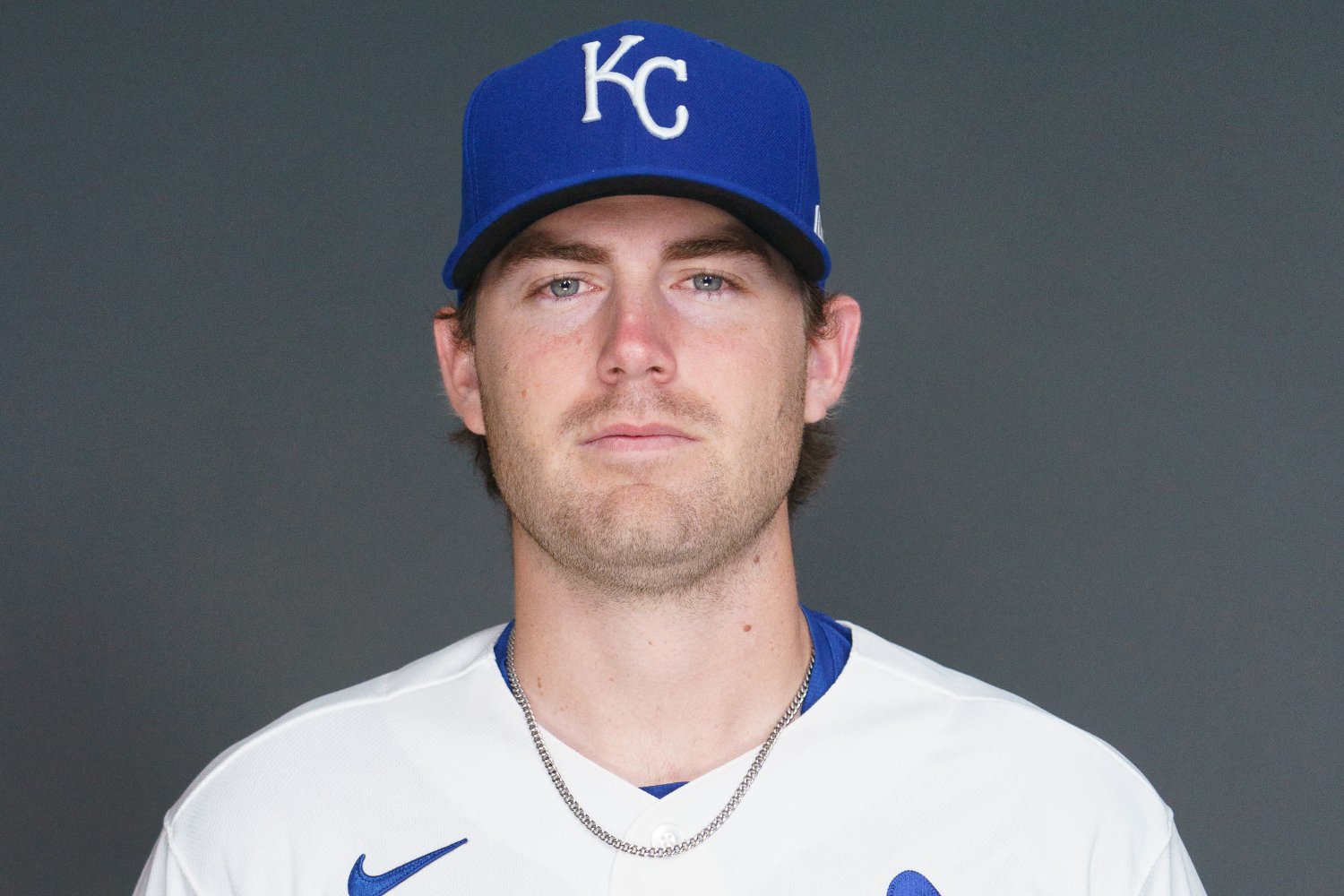 Yesterday, we talked about the top hitters in the Royals farm system in June. In this post, we highlight four pitchers, one from each Royals affiliate, who had strong performances on the mound in the past month. Identifying the pitchers was much tougher than the hitters, especially in the upper levels of the Royals farm system (i.e., Double-A and Triple-A). However, some encouraging arms emerged in June, especially in Low-A Columbia and High-A Quad Cities. Of those four, three were starters, and one was a reliever. Hence, let's break down those four top June Minor League pitching performers. Triple-A Omaha: Ryan Ramsey, LHP I talked about Ramsey as a pitcher who may deserve an opportunity to prove himself at the Major League level, especially with the Royals' pitching depth seriously challenged due to injury. While he doesn't have eye-popping stuff (97 overall TJ Stuff+), he has been efficient on the mound, especially in the past month. In four starts and 18.2 IP, the former Maryland product produced a 3.86 ERA and 1.23 WHIP. His K% was low at 17.9%, but he did generate a lot of chase in June (31% O-Swing%) and limited hard contact as well (29.6% Hard-Hit rate). His wOBA (.304) and xwOBA (.291) were also strong, as they both ranked in the 86th percentile. Those numbers seemed to make up for a mediocre FIP (4.60) and K-BB% (6.4%). I'm not sure if Ramsey is the kind of pitcher that the Royals would throw every five days. However, he could be a hybrid pitcher who could make spot starts or pitch in long relief. When he's on, he can generate swing-and-miss, as evidenced in this game from April. Ramsey, a 13th-round pick in the 2022 MLB Draft, isn't a top prospect by any means. That said, during a lost season like this one, he's the kind of arm worth giving a shot to to see what he could offer the pitching staff at the Major League level. Double-A Northwest Arkansas: Hunter Patteson, LHP A Royals Spring Training non-roster invitee, Patteson was the Naturals' best starter in June. The 2022 5th-Round pick led all Northwest Arkansas pitchers in innings pitched (28.2), and he posted a 3.14 ERA and 1.15 WHIP. Like Ramsey, he didn't strike out a ton of batters (19.6% K%), and his CSW was mediocre (22.2%). However, he generated a chase rate of 34.1%, which ranked in the 90th percentile. Patteson is a tall lefty who works efficiently, even if he doesn't have overpowering stuff. He succeeded in Columbia in 2024, posting a 3.27 ERA in 55.1 IP, and put up even stronger numbers in Quad Cities in 2025, with a 1.99 ERA in 72.1 IP. This year with the Naturals, he has an overall ERA of 4.80 in 69.1 IP. At the very least, Patteson can stay healthy and eat innings, which is valuable. The 26-year-old got some valuable work in Spring Training with the Royals this past spring as a non-roster invitee, which shows that the Royals think somewhat highly of his potential, even though he has progressed past Double-A just yet. Patteson may be more of a Daniel Lynch IV type, especially since he doesn't post gaudy strikeout numbers for a starter. I wouldn't be surprised to see Patteson not only get a promotion to Triple-A soon, but also change his role to give him a more realistic shot in the Big Leagues. High-A Quad Cities: L.P. Langevin, RHP Langevin was the only reliever of this group, but he arguably was the most dominant with a June to remember. In nine outings and 10.1 IP with the River Bandits this month, Langevin posted a 1.74 ERA and 0.87 WHIP. He also sported some ridiculous strikeout numbers, with a 55% K% and 42.5% K-BB%. Midwest League hitters struggled against Langevin in June, as the Quebec native produced a 52.1% whiff rate, a 59.6% Z-Contact%, and 40.8% CSW. A product of Louisiana-Lafayette, Langevin showed that he is not only ready for a promotion to Double-A, but he is also a possible dark horse to make the 2026 Opening Day roster. On the Royals Pipeline Podcast on the Kansas City Sports Network, Jared Perkins of Just Baseball and I interviewed him, and we were impressed by his competitive attitude and demeanor. Even though he is a pitcher, he has a hockey mindset, stemming from growing up with the game in French Canada. I believe that makeup, to go along with elite stuff, will help him become a high-leverage reliever at the Major League level in 2027 or 2028 at the latest. The only thing that could hold Langevin back is the control, as he has an 18.8% walk rate this year. He also struggled with that issue in 2025 (21.2% BB%) and in the Arizona Fall League. However, he has shown progress in June with a 12.5% walk rate, which is 6.3% lower than his season-long rate. If he continues to improve in this area, Langevin will move quickly, especially since the Royals lack premium bullpen arms currently. Low-A Columbia: Jose Gutierrez, RHP Gutierrez didn't get much buzz in the preseason because he was hit around in his Columbia debut last season. While he dominated the Arizona Complex League with a 0.99 ERA in 27.1 IP, he struggled initially with the Fireflies, posting a 5.77 ERA in 39 IP. Thus, the 23-year-old was seen as an afterthought in Columbia, especially with higher-profile pitching prospects like Kendry Chourio, Michael Lombardi, and Shane Van Dam on the staff. However, Gutierrez has been solid this year for the Fireflies in his second stint. In 16 outings and 72.1 IP this year, he has a 3.36 ERA and 1.23 WHIP with a 3.49 FIP and 17.2% K-BB%. Furthermore, the Venezuelan righty has stepped it up to another level in June. In 27.1 IP this month, he posted a 1.65 ERA and 0.77 WHIP with a 2.95 FIP and 24% K-BB%. Gutierrez was a strike machine in June with a 33.9% CSW (97th percentile), 70.3% Strike% (98th percentile), 42.2% O-Swing% (100th percentile), and 26% K% (68th percentile). He still gave up a lot of contact in the zone (86.3%), which explains why his whiff rate wasn't as impressive (27.2%, which ranked in the 43rd percentile). Still, Gutierrez was Columbia's most efficient starter in June by a significant margin. He is an older pitching prospect at 23, and he's already Rule 5 eligible. Thus, if the Royals want to promote him, they may move him to the bullpen so he could move more quickly in the Royals' system. His profile is similar to Carlos Hernandez, who also debuted in professional ball late for an international signee. Despite his age, he's a pitcher to watch out for, especially once he moves to High-A Quad Cities, which likely will happen after the July 12th MLB Draft.
 -
On Saturday, Major League Baseball named the All-Star rosters for the 2026 All-Star Game in Philadelphia. The Kansas City Royals were fortunate to have two players make the American League roster. Bobby Witt Jr. not only made his third consecutive All-Star team, but he was named the AL starting shortstop, the first time he's been named a starter in the Midsummer Classic. Witt leads all American League players in fWAR with a 4.6 mark. Only the Cubs' Pete Crow-Armstrong is ahead of Witt in the Majors with a 5.2 mark. The Kansas City shortstop is also hitting .289 with an .830 OPS. That includes 12 home runs, 36 RBI, 44 runs scored, and 29 stolen bases. He also has a .358 wOBA, .395 xwOBACON, and 130 TJ Bat+, which rank in the upper percentiles of the league, according to his TJ Stats Statcast summary. The other Royals player to make the All-Star team was pitcher Michael Wacha. Wacha has been the Royals' best starting pitcher this year, much-needed considering the injuries to Cole Ragans and Kris Bubic. As of Saturday, Wacha has a 3.46 ERA, 1.18 WHIP, 3.88 FIP, and 12.3% K-BB% in 112 IP. Even though he's not a strikeout machine (19.1% K%) and his stuff isn't eye-popping (96 overall TJ Stuff+), he's been efficient on the mound for the Royals. He's produced 12 quality starts, which leads all AL starting pitchers and is second in baseball to Philadelphia's Cristopher Sanchez, a favorite for the NL Cy Young award. Though Wacha has been prone to giving up home runs (he gave up two on Saturday to the Phillies), he has been solid this season when it comes to limiting hard contact and generating strikes. Wacha ranks in the 75th percentile in Zone%, 90th percentile in Barrel%, and 87th percentile in Hard-Hit% and Average EV allowed. The 35-year-old is producing these metrics despite having only two pitches in his arsenal with TJ Stuff+ marks of 100 or higher. This is the second All-Star appearance for Wacha, who last made the All-Star team in 2015 when he was a member of the St. Louis Cardinals. That season, he posted a 3.38 ERA, 1.21 WHIP, and 3.87 FIP in 181.1 IP with the Cardinals. View full rumor
-
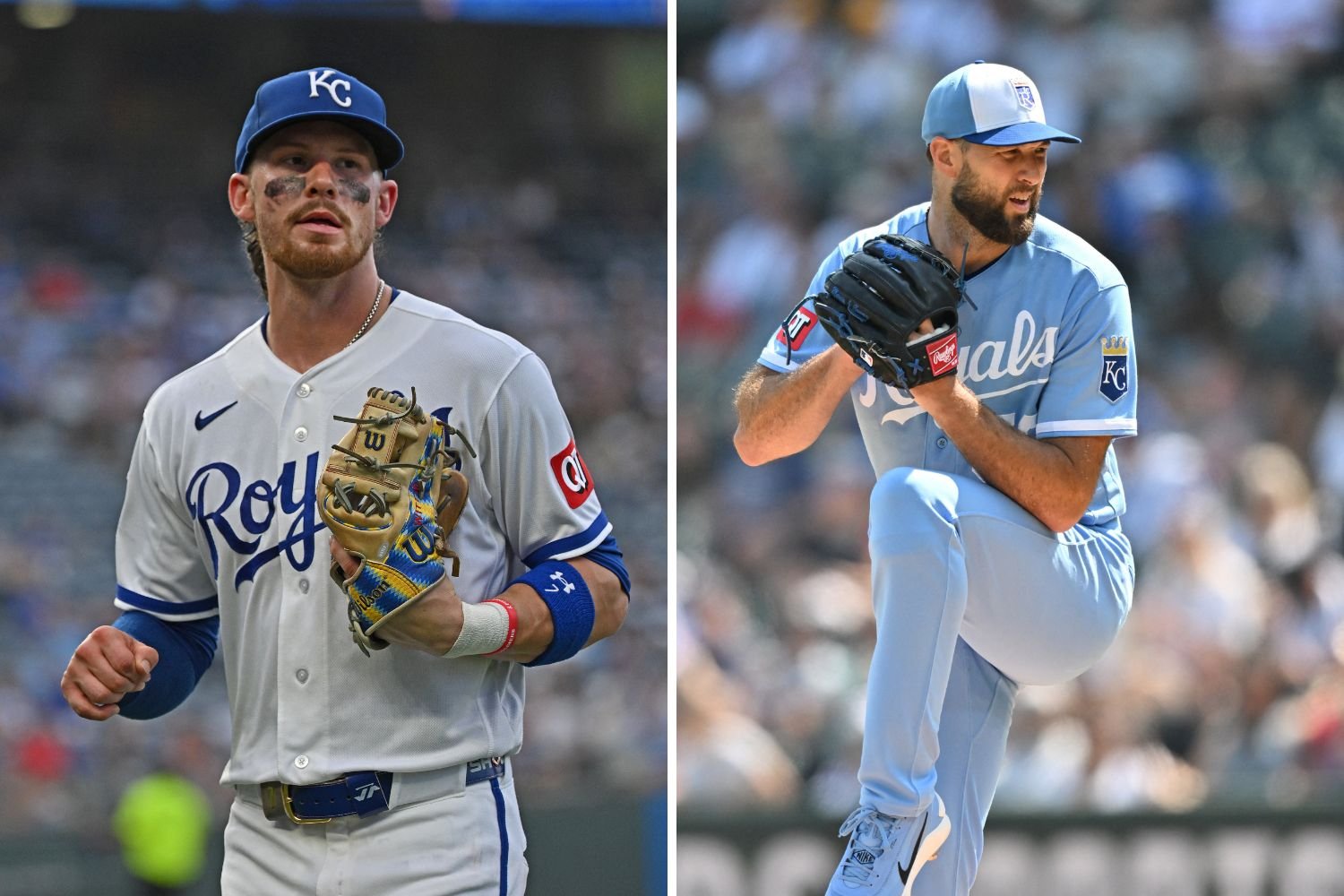 On Saturday, Major League Baseball named the All-Star rosters for the 2026 All-Star Game in Philadelphia. The Kansas City Royals were fortunate to have two players make the American League roster. Bobby Witt Jr. not only made his third consecutive All-Star team, but he was named the AL starting shortstop, the first time he's been named a starter in the Midsummer Classic. Witt leads all American League players in fWAR with a 4.6 mark. Only the Cubs' Pete Crow-Armstrong is ahead of Witt in the Majors with a 5.2 mark. The Kansas City shortstop is also hitting .289 with an .830 OPS. That includes 12 home runs, 36 RBI, 44 runs scored, and 29 stolen bases. He also has a .358 wOBA, .395 xwOBACON, and 130 TJ Bat+, which rank in the upper percentiles of the league, according to his TJ Stats Statcast summary. The other Royals player to make the All-Star team was pitcher Michael Wacha. Wacha has been the Royals' best starting pitcher this year, much-needed considering the injuries to Cole Ragans and Kris Bubic. As of Saturday, Wacha has a 3.46 ERA, 1.18 WHIP, 3.88 FIP, and 12.3% K-BB% in 112 IP. Even though he's not a strikeout machine (19.1% K%) and his stuff isn't eye-popping (96 overall TJ Stuff+), he's been efficient on the mound for the Royals. He's produced 12 quality starts, which leads all AL starting pitchers and is second in baseball to Philadelphia's Cristopher Sanchez, a favorite for the NL Cy Young award. Though Wacha has been prone to giving up home runs (he gave up two on Saturday to the Phillies), he has been solid this season when it comes to limiting hard contact and generating strikes. Wacha ranks in the 75th percentile in Zone%, 90th percentile in Barrel%, and 87th percentile in Hard-Hit% and Average EV allowed. The 35-year-old is producing these metrics despite having only two pitches in his arsenal with TJ Stuff+ marks of 100 or higher. This is the second All-Star appearance for Wacha, who last made the All-Star team in 2015 when he was a member of the St. Louis Cardinals. That season, he posted a 3.38 ERA, 1.21 WHIP, and 3.87 FIP in 181.1 IP with the Cardinals.
 -
Agreed. He looks a lot more locked in and relaxed, which he didn’t look like in April and May. I think the pressure got to him initially but he’s made the adjustment which is great because the other tools like baserunning and defense have still been solid
-
Carson Roccaforte homered and drove in three as the Northwest Arkansas Naturals beat Corpus Christi, 8-3, behind five innings from Hunter Patteson. Michael Lombardi struck out six over five sharp innings for Columbia, though the Fireflies bullpen faltered in a loss. Blake Wolters fanned four as Quad Cities raced to a 13-2 lead before rain suspended play, and rain also halted Omaha's game with the Storm Chasers trailing early. Royals Transactions No Roster Moves Rain Suspends Storm Chasers' Game With Omaha Trailing Rain suspended the Omaha Storm Chasers' game against the Indianapolis Indians in the top of the fourth inning, with Omaha trailing 1-0. The only run to that point came on a solo home run in the second inning. Starter Mason Black was otherwise sharp across 3 1/3 innings, allowing four hits and no walks while striking out two, with that home run the lone blemish. Andrew Pérez took over on the mound before play was stopped. Omaha's offense had little going, managing just one hit, a single from leadoff man Rudy Martin Jr., who also stole a base. Brett Squires drew the team's only walk. The game is scheduled to resume at 4 p.m. on the Fourth of July. Saturday's scheduled game will be a 7-inning game and take place after the conclusion of the first game. Player AB R H RBI BB K Rudy Martin Jr. 2 0 1 0 0 1 Matthew Lugo 2 0 0 0 0 1 John Rave 1 0 0 0 0 1 Abraham Toro 1 0 0 0 0 0 Brett Squires 0 0 0 0 1 0 Peyton Wilson 1 0 0 0 0 0 Gavin Cross 1 0 0 0 0 0 Elih Marrero 1 0 0 0 0 0 Andrew Velazquez 1 0 0 0 0 1 Player IP H R ER BB K HR Mason Black 3 1/3 4 1 1 0 2 1 Andrew Pérez 0 0 0 0 0 0 0 Roccaforte Homers As Naturals Roll Past Corpus Christi The Northwest Arkansas Naturals answered an early deficit with a big first two innings and cruised past the Corpus Christi Hooks, 8-3. After the Hooks pushed across a run in the top of the first, leadoff man Roccaforte tied the game with a home run, and Jack Pineda followed with a home run of his own to give the Naturals a 2-1 lead. In the second, Roccaforte lined a two-run single to score Omar Hernandez and Alberto Rodriguez, and Pineda added a run-scoring single that plated Canyon Brown, stretching the lead to 5-1. Daniel Vazquez doubled home a run in the fifth, and Brown launched a two-run homer in the sixth to make it 8-2. Roccaforte finished 3-for-4 with a home run and three runs batted in, Pineda went 2-for-4 with a home run and two RBI, and Brown drove in two. Starter Patteson earned the win, working five innings and allowing two runs on four hits and four walks while striking out three. Anthony Simonelli, Chase Jessee, and Augusto Mendieta combined to finish the game. The Naturals left six runners on base and went 5-for-10 with runners in scoring position. With the victory, Northwest Arkansas improved their record to 32-45. Player AB R H RBI BB K Carson Roccaforte 4 1 3 3 1 0 Colton Becker 3 0 0 0 0 0 Jack Pineda 4 1 2 2 0 0 Spencer Nivens 4 1 1 0 0 1 Daniel Vazquez 4 0 2 1 0 1 Connor Scott 4 0 0 0 0 3 Omar Hernandez 3 2 2 0 0 0 Alberto Rodriguez 4 1 1 0 0 0 Canyon Brown 3 2 1 2 1 1 Player IP H R ER BB K HR Hunter Patteson 5 4 2 2 4 3 1 Anthony Simonelli 1 1/3 0 0 0 1 0 0 Chase Jessee 1 2/3 3 1 1 2 1 0 Augusto Mendieta 1 1 0 0 0 1 0 River Bandits Race To 13-2 Lead Before Rain Suspends Play The Quad Cities River Bandits piled up runs in a hurry before rain suspended their game against the Cedar Rapids Kernels with Quad Cities ahead 13-2. The River Bandits scored seven times in the first inning, capped by a three-run home run from Erick Torres and fueled by a two-run double from Tyriq Kemp, a bases-loaded hit by pitch, and an error. They tacked on four more in the second, including a run-scoring double from Derlin Figueroa and a solo home run from Kemp. In the fourth, a fielder's choice and a run-scoring single from Diego Guzman pushed the margin to 13-2. Wolters turned in four solid innings on the mound, allowing two runs on four hits and one walk with four strikeouts. Kemp finished with a home run, a double, and three runs batted in; Torres also drove in three, and Ramon Ramirez reached base three times and scored three runs. The game is scheduled to resume on the Fourth of July at 4 p.m. Saturday's game will begin 40 minutes after the completion of game one and will be a 7-inning contest. Player AB R H RBI BB K Asbel Gonzalez 3 1 1 0 0 1 Nolan Sailors 3 0 0 0 0 1 Blake Mitchell 3 2 1 0 0 0 Ramon Ramirez 1 3 1 0 2 0 Derlin Figueroa 2 2 1 1 1 1 Jose Cerice 1 2 0 2 0 0 Tyriq Kemp 2 2 2 3 1 0 Erick Torres 3 1 2 3 0 1 Diego Guzman 3 0 1 1 0 1 Player IP H R ER BB K HR Blake Wolters 4 4 2 2 1 4 0 Lombardi Sharp, But Fireflies Bullpen Unravels In Loss Michael Lombardi gave the Columbia Fireflies a strong start, but the bullpen could not hold a late lead in an 8-3 loss to the Fredericksburg Nationals. Lombardi struck out six over five innings, allowing just one run on three hits and two walks, and handed off a 2-1 lead. He now leads all Single-A pitchers in strikeouts. Columbia had scratched out its runs on an unearned tally in the second inning and a run-scoring single from Jhosmmel Zue in the fourth that brought home Yandel Ricardo. The lead disappeared in the sixth, when Fredericksburg connected for a two-run home run to move ahead 3-2, a blown save charged to Jhon Reyes, who took the loss. The Nationals kept pouring it on, adding two runs in the seventh, one in the eighth, and two more in the ninth against a bullpen that struggled to find the strike zone. Luis Valdez walked five in a single inning. Josh Hammond led the offense with a 2-for-4 night, and Zue added two hits and a run batted in, but Columbia struck out 11 times and could not recover. The Fireflies went 1-for-5 with runners in scoring position. They are now 39-40 this season. Player AB R H RBI BB K Josh Hammond 4 0 2 0 0 1 Sean Gamble 3 0 0 0 1 1 Yandel Ricardo 4 1 1 0 0 2 Hyungchan Um 3 2 1 0 1 0 Jhosmmel Zue 4 0 2 1 0 0 Roni Cabrera 4 0 0 0 0 2 Connor Rasmussen 2 0 0 0 1 2 Josi Novas 3 0 0 0 0 1 Ivan Sosa 3 0 0 0 0 2 Player IP H R ER BB K HR Michael Lombardi 5 3 1 1 2 6 1 Jhon Reyes 1 2 2 2 0 2 1 Randy Ramnarace 1 2/3 3 3 3 0 0 1 Luis Valdez 1 2 2 2 5 3 1 Hunter Alberini 1/3 0 0 0 0 1 0 Top-20 Prospect Performance Kendry Chourio: DNP David Shields: DNP Josh Hammond: 2-for-4, K Blake Mitchell: 1-for-3, 2 R Sean Gamble: 0-for-3, BB, K Ramon Ramirez: 1-for-1, 2B, 3 R, 2 BB Drew Beam: DNP Carson Roccaforte: 3-for-4, HR, 3 RBI, R, BB Asbel Gonzalez: 1-for-3, SB, R, K Yandel Ricardo: 1-for-4, R, 2 K Michael Lombardi: 5 IP, 3 H, 1 R, 1 ER, 2 BB, 6 K Ben Kudrna: DNP Justin Lamkin: DNP Felix Arronde: DNP Blake Wolters: 4 IP, 4 H, 2 R, 2 ER, 1 BB, 4 K Steven Zobac: DNP Austin Charles: DNP Daniel Vázquez: 2-for-4, 2B, RBI, K Kamden Edge: DNP Warren Calcano: DNP View full article
-
 Carson Roccaforte homered and drove in three as the Northwest Arkansas Naturals beat Corpus Christi, 8-3, behind five innings from Hunter Patteson. Michael Lombardi struck out six over five sharp innings for Columbia, though the Fireflies bullpen faltered in a loss. Blake Wolters fanned four as Quad Cities raced to a 13-2 lead before rain suspended play, and rain also halted Omaha's game with the Storm Chasers trailing early. Royals Transactions No Roster Moves Rain Suspends Storm Chasers' Game With Omaha Trailing Rain suspended the Omaha Storm Chasers' game against the Indianapolis Indians in the top of the fourth inning, with Omaha trailing 1-0. The only run to that point came on a solo home run in the second inning. Starter Mason Black was otherwise sharp across 3 1/3 innings, allowing four hits and no walks while striking out two, with that home run the lone blemish. Andrew Pérez took over on the mound before play was stopped. Omaha's offense had little going, managing just one hit, a single from leadoff man Rudy Martin Jr., who also stole a base. Brett Squires drew the team's only walk. The game is scheduled to resume at 4 p.m. on the Fourth of July. Saturday's scheduled game will be a 7-inning game and take place after the conclusion of the first game. Player AB R H RBI BB K Rudy Martin Jr. 2 0 1 0 0 1 Matthew Lugo 2 0 0 0 0 1 John Rave 1 0 0 0 0 1 Abraham Toro 1 0 0 0 0 0 Brett Squires 0 0 0 0 1 0 Peyton Wilson 1 0 0 0 0 0 Gavin Cross 1 0 0 0 0 0 Elih Marrero 1 0 0 0 0 0 Andrew Velazquez 1 0 0 0 0 1 Player IP H R ER BB K HR Mason Black 3 1/3 4 1 1 0 2 1 Andrew Pérez 0 0 0 0 0 0 0 Roccaforte Homers As Naturals Roll Past Corpus Christi The Northwest Arkansas Naturals answered an early deficit with a big first two innings and cruised past the Corpus Christi Hooks, 8-3. After the Hooks pushed across a run in the top of the first, leadoff man Roccaforte tied the game with a home run, and Jack Pineda followed with a home run of his own to give the Naturals a 2-1 lead. In the second, Roccaforte lined a two-run single to score Omar Hernandez and Alberto Rodriguez, and Pineda added a run-scoring single that plated Canyon Brown, stretching the lead to 5-1. Daniel Vazquez doubled home a run in the fifth, and Brown launched a two-run homer in the sixth to make it 8-2. Roccaforte finished 3-for-4 with a home run and three runs batted in, Pineda went 2-for-4 with a home run and two RBI, and Brown drove in two. Starter Patteson earned the win, working five innings and allowing two runs on four hits and four walks while striking out three. Anthony Simonelli, Chase Jessee, and Augusto Mendieta combined to finish the game. The Naturals left six runners on base and went 5-for-10 with runners in scoring position. With the victory, Northwest Arkansas improved their record to 32-45. Player AB R H RBI BB K Carson Roccaforte 4 1 3 3 1 0 Colton Becker 3 0 0 0 0 0 Jack Pineda 4 1 2 2 0 0 Spencer Nivens 4 1 1 0 0 1 Daniel Vazquez 4 0 2 1 0 1 Connor Scott 4 0 0 0 0 3 Omar Hernandez 3 2 2 0 0 0 Alberto Rodriguez 4 1 1 0 0 0 Canyon Brown 3 2 1 2 1 1 Player IP H R ER BB K HR Hunter Patteson 5 4 2 2 4 3 1 Anthony Simonelli 1 1/3 0 0 0 1 0 0 Chase Jessee 1 2/3 3 1 1 2 1 0 Augusto Mendieta 1 1 0 0 0 1 0 River Bandits Race To 13-2 Lead Before Rain Suspends Play The Quad Cities River Bandits piled up runs in a hurry before rain suspended their game against the Cedar Rapids Kernels with Quad Cities ahead 13-2. The River Bandits scored seven times in the first inning, capped by a three-run home run from Erick Torres and fueled by a two-run double from Tyriq Kemp, a bases-loaded hit by pitch, and an error. They tacked on four more in the second, including a run-scoring double from Derlin Figueroa and a solo home run from Kemp. In the fourth, a fielder's choice and a run-scoring single from Diego Guzman pushed the margin to 13-2. Wolters turned in four solid innings on the mound, allowing two runs on four hits and one walk with four strikeouts. Kemp finished with a home run, a double, and three runs batted in; Torres also drove in three, and Ramon Ramirez reached base three times and scored three runs. The game is scheduled to resume on the Fourth of July at 4 p.m. Saturday's game will begin 40 minutes after the completion of game one and will be a 7-inning contest. Player AB R H RBI BB K Asbel Gonzalez 3 1 1 0 0 1 Nolan Sailors 3 0 0 0 0 1 Blake Mitchell 3 2 1 0 0 0 Ramon Ramirez 1 3 1 0 2 0 Derlin Figueroa 2 2 1 1 1 1 Jose Cerice 1 2 0 2 0 0 Tyriq Kemp 2 2 2 3 1 0 Erick Torres 3 1 2 3 0 1 Diego Guzman 3 0 1 1 0 1 Player IP H R ER BB K HR Blake Wolters 4 4 2 2 1 4 0 Lombardi Sharp, But Fireflies Bullpen Unravels In Loss Michael Lombardi gave the Columbia Fireflies a strong start, but the bullpen could not hold a late lead in an 8-3 loss to the Fredericksburg Nationals. Lombardi struck out six over five innings, allowing just one run on three hits and two walks, and handed off a 2-1 lead. He now leads all Single-A pitchers in strikeouts. Columbia had scratched out its runs on an unearned tally in the second inning and a run-scoring single from Jhosmmel Zue in the fourth that brought home Yandel Ricardo. The lead disappeared in the sixth, when Fredericksburg connected for a two-run home run to move ahead 3-2, a blown save charged to Jhon Reyes, who took the loss. The Nationals kept pouring it on, adding two runs in the seventh, one in the eighth, and two more in the ninth against a bullpen that struggled to find the strike zone. Luis Valdez walked five in a single inning. Josh Hammond led the offense with a 2-for-4 night, and Zue added two hits and a run batted in, but Columbia struck out 11 times and could not recover. The Fireflies went 1-for-5 with runners in scoring position. They are now 39-40 this season. Player AB R H RBI BB K Josh Hammond 4 0 2 0 0 1 Sean Gamble 3 0 0 0 1 1 Yandel Ricardo 4 1 1 0 0 2 Hyungchan Um 3 2 1 0 1 0 Jhosmmel Zue 4 0 2 1 0 0 Roni Cabrera 4 0 0 0 0 2 Connor Rasmussen 2 0 0 0 1 2 Josi Novas 3 0 0 0 0 1 Ivan Sosa 3 0 0 0 0 2 Player IP H R ER BB K HR Michael Lombardi 5 3 1 1 2 6 1 Jhon Reyes 1 2 2 2 0 2 1 Randy Ramnarace 1 2/3 3 3 3 0 0 1 Luis Valdez 1 2 2 2 5 3 1 Hunter Alberini 1/3 0 0 0 0 1 0 Top-20 Prospect Performance Kendry Chourio: DNP David Shields: DNP Josh Hammond: 2-for-4, K Blake Mitchell: 1-for-3, 2 R Sean Gamble: 0-for-3, BB, K Ramon Ramirez: 1-for-1, 2B, 3 R, 2 BB Drew Beam: DNP Carson Roccaforte: 3-for-4, HR, 3 RBI, R, BB Asbel Gonzalez: 1-for-3, SB, R, K Yandel Ricardo: 1-for-4, R, 2 K Michael Lombardi: 5 IP, 3 H, 1 R, 1 ER, 2 BB, 6 K Ben Kudrna: DNP Justin Lamkin: DNP Felix Arronde: DNP Blake Wolters: 4 IP, 4 H, 2 R, 2 ER, 1 BB, 4 K Steven Zobac: DNP Austin Charles: DNP Daniel Vázquez: 2-for-4, 2B, RBI, K Kamden Edge: DNP Warren Calcano: DNP
 -
Image courtesy of David Frerker-Imagn Images Things have been rough for the Kansas City Royals, as they are 18 games under .500 as of Friday, July 3rd. Sporting a 0.7% playoff odds before the Fourth of July isn't the greatest place to be as an organization or fanbase. That said, there is some lingering hope in the Royals' Minor Leagues that should help this fanbase be more optimistic about 2027 and beyond. Let's take a look at the top hitters in June from each Royals affiliate, and what these strong performances over the past month mean for not just the players themselves, but the farm system as the MLB Draft looms on July 12th. *All Statcast summaries courtesy of TJ Stats. Triple-A Omaha: Matthew Lugo, OF I talked in a recent post about Lugo deserving a shot in Kansas City. His strong June at the plate is the reason why. In 21 games and 80 at-bats with the Storm Chasers this month, Lugo hit .325 with a 1.035 OPS. He hit seven home runs, the most of any Omaha hitter in June, and scored 17 runs, which tied Abraham Toro for the June lead. Toro technically produced the better average (.326) and OPS (1.041). Still, I gave the edge to Lugo considering Lugo's power (more home runs and higher slugging than Toro) and youth (25 to the 29-year-old Toro). Lugo still had flaws this month. His 4.7% walk rate ranked in the 3rd percentile, and his 34% O-Swing% ranked in the 12th percentile. That said, his barrel rate ranked in the 90th percentile (11.5%), his LA Sweet-Spot% ranked in the 97th percentile (45.9%), and his Pull Air% ranked in the 88th percentile (19.7%). The Royals need bats who can not only hit for power but also pull the ball effectively, especially at home, where the stadium's dimensions are modified. Hopefully, the former Angels prospect will get a chance to do that in Kansas City sooner rather than later. Double-A Northwest Arkansas: Jack Pineda, 2B/SS/3B The Naturals struggled in June hitting-wise. That was especially true of their top players. Carson Roccaforte, our No. 8 prospect at Royals Keep, hit .200 with a .683 OPS. Daniel Vazquez, our No. 18 prospect, hit .247 with a .687 OPS. Sam Kulasingam, who looked to be on the verge of a promotion to Omaha in May, only hit .173 with a .612 OPS. One Northwest Arkansas player that did NOT struggle was Pineda, a Royals 12th-round pick in the 2022 MLB Draft. In 78 at-bats (second most of any Naturals player this month), the utility infielder hit .346 with a .908 OPS. He launched two home runs, scored 10 runs, and collected 14 RBI. The latter led all Naturals players this month in that category. The former Baylor product also drew 11 walks to only 9 strikeouts and stole 9 bases on 10 attempts in June. The 26-year-old infielder also had a 15-game on-base streak that extended from June 13th to July 1st (it ended on July 2nd against Corpus Christi). Pineda is an aggressive hitter who can chase a lot (31.8% O-Swing% this month), but he makes contact frequently (82.5% Z-Contact%). If the Royals opt to promote Peyton Wilson this year, Pineda could replace him on the Storm Chasers roster. The 5'8, 170-pound infielder isn't a high-ceiling prospect, and his profile seems more similar to Nicky Lopez than Michael Massey. That said, the Royals need gritty guys who play good defense, are efficient on the basepaths, and can put the ball in play. Perhaps Pineda can satisfy that role in Kansas City in 2027. High-A Quad Cities: Luke Pelzer, OF There are a lot of big names in Quad Cities, as catcher Blake Mitchell and pitcher Kendry Chourio were the two representatives chosen to represent the Royals in the MLB All-Star Futures Game on Sunday, June 12th (the same day as the Draft). However, while Pelzer doesn't have the prospect status of those two, or position players like Ramon Ramirez (No. 6), Asbel Gonzalez (No. 9), or Austin Charles (No. 17), he has arguably been one of the most productive hitters this season in Davenport. In 77 at-bats in June, the 2025 17th-round pick hit .390 with a .966 OPS. While he didn't hit a home run, he produced a .494 Slugging thanks to six doubles and one triple. Pelzer also scored 14 runs, collected 15 RBI, and stole 6 bases on 7 attempts. The University of Illinois-Chicago product also drew 12 walks to just 17 strikeouts, good for a 0.71 ratio. Another intriguing aspect of Pelzer's profile is that he's been extremely productive with ducks on the pond. He has produced a .525 average in RISP and 2-Out situations this season, according to the Royals Player Development social media account. Pelzer didn't pull the ball much this month (13th percentile Pull Air%), but he is a patient hitter (27th percentile in June) who doesn't chase (70th percentile O-Swing%), whiff (79th percentile whiff%), or strike out (81st percentile). That profile should earn him a promotion to Double-A Northwest Arkansas soon. Low-A Columbia: Sean Gamble, OF Gamble's overall numbers this year in Columbia are atrocious. In 70 games and 304 plate appearances, he is hitting .182 with a .565 OPS. However, that was mostly due to brutal months in April (23 TJ Bat+) and May (46 TJ Bat+). It's been a much different story in June for Gamble, and he's finally showing fans why the Royals drafted him 23rd overall in last year's MLB Draft. In 77 at-bats this month, Gamble is hitting .260 with a .760 OPS. His TJ Bat+ in June is 107, 84 points higher than his April mark and 61 points higher than his May mark. The former IMG Academy scored 13 runs, collected 14 RBI, and stole 10 bases on 11 attempts. Another impressive development? He drew 13 walks to 20 strikeouts, good for a 0.65 mark. The 19-year-old showed much better plate discipline in June, with a 22.2% O-Swing% (81st percentile), a 21.8% whiff rate (84th percentile), and 84.7% Z-Contact% (76th percentile). He also pulled the ball much better this past month, as his 15.5% PullAir% ranked in the 66th percentile. That resulted in some big hits, as he had four doubles, a triple, and a home run this month. Fellow 2025 MLB Draft selection Josh Hammond has gotten more attention in Columbia, and he had a great month as well, hitting .316 with two home runs in 98 at-bats. However, Gamble actually had a better OPS than Hammond in June (.746), with Gamble striking out the same amount (20), but walking six more times than Hammond this month. Many jaded Royals fans have already chimed in that Gamble is another Royals draft "bust." That said, this past month has demonstrated that Gamble has made the necessary adjustments to Low-A pitching (a promising development sign), and he's showing he could have a future as a defensive and speed specialist who can maintain discipline at the plate and make regular contact. A strong July and early August could help propel Gamble to a short stint in Quad Cities during the stretch run in late August and September, something that seemed unthinkable back in May. View full article
-
Royals Minor League Hitters of the Month: June 2026
Kevin O'Brien posted an article in Minor Leagues
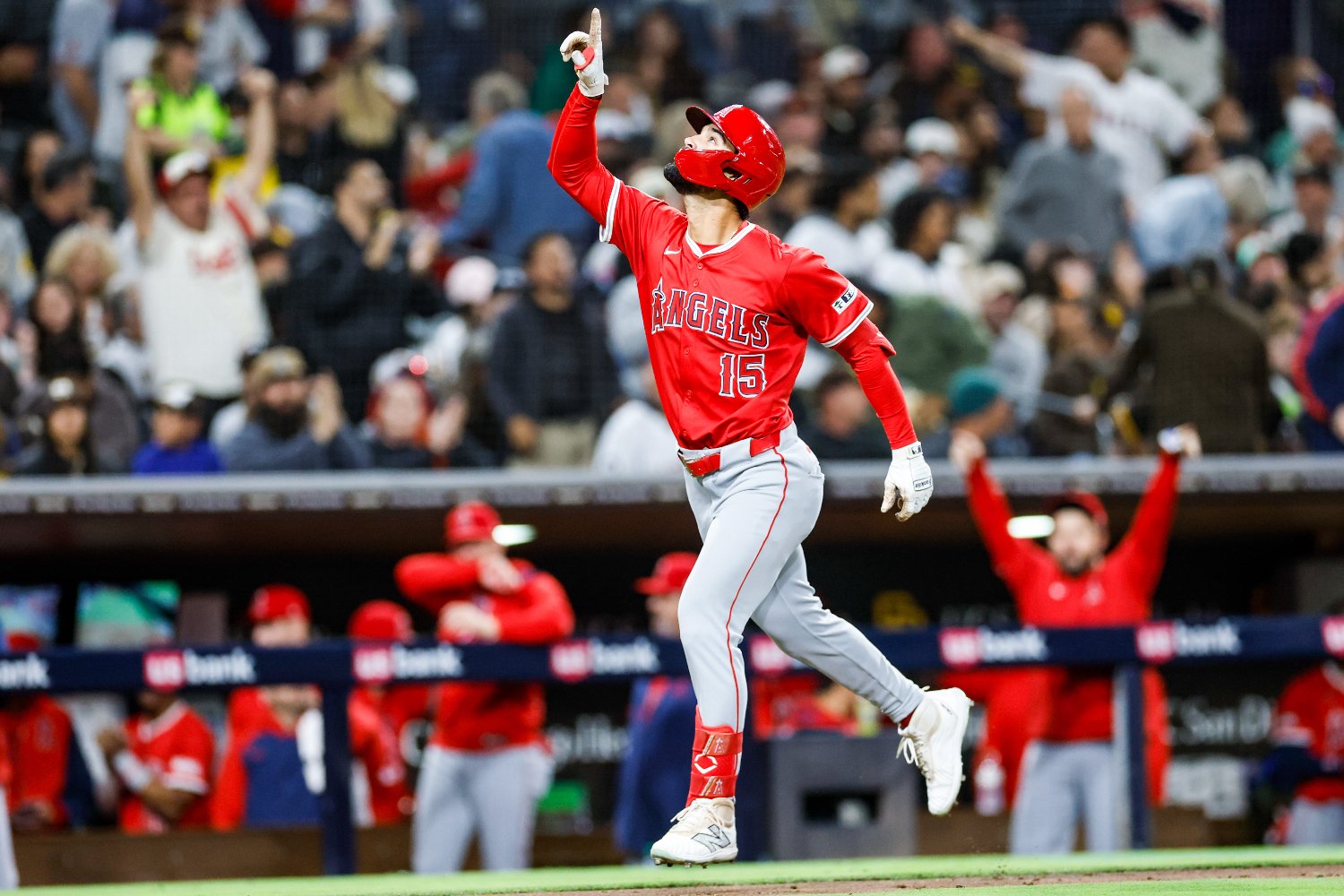 Things have been rough for the Kansas City Royals, as they are 18 games under .500 as of Friday, July 3rd. Sporting a 0.7% playoff odds before the Fourth of July isn't the greatest place to be as an organization or fanbase. That said, there is some lingering hope in the Royals' Minor Leagues that should help this fanbase be more optimistic about 2027 and beyond. Let's take a look at the top hitters in June from each Royals affiliate, and what these strong performances over the past month mean for not just the players themselves, but the farm system as the MLB Draft looms on July 12th. *All Statcast summaries courtesy of TJ Stats. Triple-A Omaha: Matthew Lugo, OF I talked in a recent post about Lugo deserving a shot in Kansas City. His strong June at the plate is the reason why. In 21 games and 80 at-bats with the Storm Chasers this month, Lugo hit .325 with a 1.035 OPS. He hit seven home runs, the most of any Omaha hitter in June, and scored 17 runs, which tied Abraham Toro for the June lead. Toro technically produced the better average (.326) and OPS (1.041). Still, I gave the edge to Lugo considering Lugo's power (more home runs and higher slugging than Toro) and youth (25 to the 29-year-old Toro). Lugo still had flaws this month. His 4.7% walk rate ranked in the 3rd percentile, and his 34% O-Swing% ranked in the 12th percentile. That said, his barrel rate ranked in the 90th percentile (11.5%), his LA Sweet-Spot% ranked in the 97th percentile (45.9%), and his Pull Air% ranked in the 88th percentile (19.7%). The Royals need bats who can not only hit for power but also pull the ball effectively, especially at home, where the stadium's dimensions are modified. Hopefully, the former Angels prospect will get a chance to do that in Kansas City sooner rather than later. Double-A Northwest Arkansas: Jack Pineda, 2B/SS/3B The Naturals struggled in June hitting-wise. That was especially true of their top players. Carson Roccaforte, our No. 8 prospect at Royals Keep, hit .200 with a .683 OPS. Daniel Vazquez, our No. 18 prospect, hit .247 with a .687 OPS. Sam Kulasingam, who looked to be on the verge of a promotion to Omaha in May, only hit .173 with a .612 OPS. One Northwest Arkansas player that did NOT struggle was Pineda, a Royals 12th-round pick in the 2022 MLB Draft. In 78 at-bats (second most of any Naturals player this month), the utility infielder hit .346 with a .908 OPS. He launched two home runs, scored 10 runs, and collected 14 RBI. The latter led all Naturals players this month in that category. The former Baylor product also drew 11 walks to only 9 strikeouts and stole 9 bases on 10 attempts in June. The 26-year-old infielder also had a 15-game on-base streak that extended from June 13th to July 1st (it ended on July 2nd against Corpus Christi). Pineda is an aggressive hitter who can chase a lot (31.8% O-Swing% this month), but he makes contact frequently (82.5% Z-Contact%). If the Royals opt to promote Peyton Wilson this year, Pineda could replace him on the Storm Chasers roster. The 5'8, 170-pound infielder isn't a high-ceiling prospect, and his profile seems more similar to Nicky Lopez than Michael Massey. That said, the Royals need gritty guys who play good defense, are efficient on the basepaths, and can put the ball in play. Perhaps Pineda can satisfy that role in Kansas City in 2027. High-A Quad Cities: Luke Pelzer, OF There are a lot of big names in Quad Cities, as catcher Blake Mitchell and pitcher Kendry Chourio were the two representatives chosen to represent the Royals in the MLB All-Star Futures Game on Sunday, June 12th (the same day as the Draft). However, while Pelzer doesn't have the prospect status of those two, or position players like Ramon Ramirez (No. 6), Asbel Gonzalez (No. 9), or Austin Charles (No. 17), he has arguably been one of the most productive hitters this season in Davenport. In 77 at-bats in June, the 2025 17th-round pick hit .390 with a .966 OPS. While he didn't hit a home run, he produced a .494 Slugging thanks to six doubles and one triple. Pelzer also scored 14 runs, collected 15 RBI, and stole 6 bases on 7 attempts. The University of Illinois-Chicago product also drew 12 walks to just 17 strikeouts, good for a 0.71 ratio. Another intriguing aspect of Pelzer's profile is that he's been extremely productive with ducks on the pond. He has produced a .525 average in RISP and 2-Out situations this season, according to the Royals Player Development social media account. Pelzer didn't pull the ball much this month (13th percentile Pull Air%), but he is a patient hitter (27th percentile in June) who doesn't chase (70th percentile O-Swing%), whiff (79th percentile whiff%), or strike out (81st percentile). That profile should earn him a promotion to Double-A Northwest Arkansas soon. Low-A Columbia: Sean Gamble, OF Gamble's overall numbers this year in Columbia are atrocious. In 70 games and 304 plate appearances, he is hitting .182 with a .565 OPS. However, that was mostly due to brutal months in April (23 TJ Bat+) and May (46 TJ Bat+). It's been a much different story in June for Gamble, and he's finally showing fans why the Royals drafted him 23rd overall in last year's MLB Draft. In 77 at-bats this month, Gamble is hitting .260 with a .760 OPS. His TJ Bat+ in June is 107, 84 points higher than his April mark and 61 points higher than his May mark. The former IMG Academy scored 13 runs, collected 14 RBI, and stole 10 bases on 11 attempts. Another impressive development? He drew 13 walks to 20 strikeouts, good for a 0.65 mark. The 19-year-old showed much better plate discipline in June, with a 22.2% O-Swing% (81st percentile), a 21.8% whiff rate (84th percentile), and 84.7% Z-Contact% (76th percentile). He also pulled the ball much better this past month, as his 15.5% PullAir% ranked in the 66th percentile. That resulted in some big hits, as he had four doubles, a triple, and a home run this month. Fellow 2025 MLB Draft selection Josh Hammond has gotten more attention in Columbia, and he had a great month as well, hitting .316 with two home runs in 98 at-bats. However, Gamble actually had a better OPS than Hammond in June (.746), with Gamble striking out the same amount (20), but walking six more times than Hammond this month. Many jaded Royals fans have already chimed in that Gamble is another Royals draft "bust." That said, this past month has demonstrated that Gamble has made the necessary adjustments to Low-A pitching (a promising development sign), and he's showing he could have a future as a defensive and speed specialist who can maintain discipline at the plate and make regular contact. A strong July and early August could help propel Gamble to a short stint in Quad Cities during the stretch run in late August and September, something that seemed unthinkable back in May.
 -
Drew Beam struck out eight over seven innings, and Alberto Rodriguez capped a five-run seventh with a home run to rally Northwest Arkansas from a two-run deficit past Corpus Christi. Kendry Chourio spun six strong innings as Quad Cities beat Cedar Rapids, with Ramon Ramirez collecting two hits and two stolen bases. Omaha and Columbia both fell despite a quality start from Mitch Spence and seven strikeouts from Jose Gutierrez. Royals Transactions Kansas City Royals activated RHP Stephen Kolek from the bereavement list. Kansas City Royals designated RHP Eric Cerantola for assignment. Kansas City Royals optioned RF John Rave to Omaha Storm Chasers. Kansas City Royals selected the contract of C Luke Maile from Omaha Storm Chasers. Kansas City Royals optioned RHP Jose Cuas to Omaha Storm Chasers. Eighth-Inning Homer Sinks Omaha Despite Spence's Quality Start The Omaha Storm Chasers carried a lead into the eighth inning, but a late home run flipped the game, and they fell to the Indianapolis Indians, 4- 2. Starter Spence, who has struggled at the Major League level with Kansas City, bounced back from a recent rough outing and turned in a quality start, working six innings and allowing one run on six hits with one walk and five strikeouts. Omaha built its lead with single runs in the fourth and fifth. In the fourth, Matthew Lugo, who had walked and stolen a base, came around to score on a two-out single by Brett Squires. In the fifth, Andrew Velazquez singled, stole a base, and scored when leadoff man Gavin Cross singled him home—that 2-to-1 advantage held until the eighth. Dan Altavilla worked a scoreless seventh, but the bottom of the bullpen faltered in the eighth, when a three-run homer put Indianapolis ahead for good. Génesis Cabrera was charged with two runs in two-thirds of an inning, and Ben Sears allowed the home run over his one-third of an inning. Anthony Gose closed the ninth with a scoreless frame. At the plate, Squires led the way, going 2-for-4 with a run batted in and a stolen base. Cross and Velazquez each added a hit, and Abraham Toro doubled. Omaha drew four walks but stranded seven runners and could not add on after the fifth. They went 2-for-9 with runners in scoring position. The loss overshadowed a strong outing from Spence, who gave the Storm Chasers exactly the kind of start they needed before the bullpen surrendered the lead late. The loss drops Omaha's record to 37-46. Player AB R H RBI BB K Gavin Cross 4 0 1 1 0 0 Matthew Lugo 3 1 1 0 1 0 Abraham Toro 4 0 1 0 0 1 Drew Waters 3 0 0 0 1 1 Brett Squires 4 0 2 1 0 0 Peyton Wilson 3 0 0 0 1 1 Luca Tresh 3 0 0 0 1 1 Rudy Martin Jr. 0 0 0 0 0 0 Kevin Newman 4 0 0 0 0 2 Andrew Velazquez 4 1 1 0 0 1 Player IP H R ER BB K HR Mitch Spence 6 6 1 1 1 5 0 Dan Altavilla 1 0 0 0 1 1 0 Génesis Cabrera 2/3 0 2 2 1 1 0 Ben Sears 1/3 1 1 1 0 1 1 Anthony Gose 1 0 0 0 0 1 0 Five-Run Seventh Powers Naturals Past Corpus Christi The Northwest Arkansas Naturals erased a two-run deficit with a five-run seventh inning and held on to beat the Corpus Christi Hooks, 5 to 4. Beam, the No. 7 prospect in the Royals' system at Royals Keep, set the tone on the mound, striking out eight over seven innings while allowing two runs on four hits and one walk, one of them coming on a solo home run. Trailing 2- 0, the Naturals broke through in the seventh. Sam Kulasingam singled and scored on a triple by cleanup hitter Spencer Nivens. Nivens then came home on a wild pitch, and after Daniel Vazquez walked and a throwing error extended the inning, Connor Scott and Omar Hernandez each brought in a run on groundouts. Rodriguez capped the rally with a solo home run that made it 5 to 2. The Hooks answered with two runs in the eighth against the bullpen, 5- 2, as Caden Monke was charged with two runs in two-thirds of an inning before Zachary Cawyer recorded the final out of the frame. Dennis Colleran Jr. worked a scoreless ninth, striking out three, to secure the win. Leadoff man Carson Roccaforte reached three times, going 2-for-3 with a walk and a stolen base. Nivens finished with a triple, a walk, and a run batted in, and Rodriguez drove in the go-ahead run with his home run. The Naturals collected only five hits but drew four walks and made the most of the seventh, turning a quiet night into a comeback victory. They left four runners on base and went 1-for-8 with runners in scoring position. Northwest Arkansas is now 31-45 this season. Player AB R H RBI BB K Carson Roccaforte 3 0 2 0 1 0 Jack Pineda 4 0 0 0 0 2 Sam Kulasingam 4 1 1 0 0 0 Spencer Nivens 3 1 1 1 1 0 Daniel Vazquez 2 1 0 0 1 0 Colton Becker 2 1 0 0 1 0 Connor Scott 3 0 0 1 0 0 Omar Hernandez 3 0 0 1 0 0 Alberto Rodriguez 3 1 1 1 0 0 Player IP H R ER BB K HR Drew Beam 7 4 2 2 1 8 1 Caden Monke 2/3 1 2 2 2 1 0 Zachary Cawyer 1/3 1 0 0 0 1 0 Dennis Colleran Jr. 1 0 0 0 2 3 0 Chourio's Quality Start Carries Quad Cities Over Cedar Rapids The Quad Cities River Bandits got a quality start from Chourio, the Royals' top prospect and just recently added to the MLB All-Star Futures Game roster, and did just enough at the plate to beat the Cedar Rapids Kernels, 3-1. Chourio worked six innings, allowing one run on three hits with one walk and three strikeouts. The River Bandits gave him the lead early. In the second, Derlin Figueroa scored on a double by Trevor Werner, and Werner came home on a two-out single by Angel Acosta to make it 2- 0. Cedar Rapids pulled within a run on a sacrifice fly in the fourth, but Quad Cities restored its cushion in the fifth, when Ramon Ramirez singled, stole a base, and scored on a double by Tyriq Kemp. The bullpen slammed the door from there. Aiden Jimenez tossed two scoreless innings, and Max Martin worked a scoreless ninth to finish it. It was Martin's first save of the season. Ramirez was the standout on offense, going 2-for-3 with a walk and two stolen bases. Werner added a double, a walk, and a run batted in, while Kemp doubled, walked, drove in a run, and stole a base. Figueroa also doubled among the eight hits for Quad Cities. The River Bandits left nine runners on base and struck out ten times, but they cashed in enough of their chances to hold the lead throughout. They went 3-for-13 with runners in scoring position. Chourio has now given the River Bandits another strong arm at the front of the rotation with David Shields, the No. 2 prospect at Royals Keep. The bullpen backed him with three scoreless innings to close out the win, improving their record to 34-40. Player AB R H RBI BB K Asbel Gonzalez 4 0 1 0 0 1 Blake Mitchell 3 0 0 0 1 1 Ramon Ramirez 3 1 2 0 1 0 Luke Pelzer 4 0 0 0 0 3 Derlin Figueroa 4 1 1 0 0 2 Tyriq Kemp 2 0 1 1 1 1 Erick Torres 4 0 1 0 0 2 Trevor Werner 3 1 1 1 1 0 Angel Acosta 4 0 1 1 0 0 Player IP H R ER BB K HR Kendry Chourio 6 3 1 1 1 3 0 Aiden Jimenez 2 1 0 0 1 1 0 Max Martin 1 0 0 0 1 1 0 Fireflies Fall to Fredericksburg Despite Gutierrez's Seven Strikeouts The Columbia Fireflies could not solve the Fredericksburg Nationals at the plate and dropped the game, 5 to 1. Starter Gutierrez piled up seven strikeouts over 5 1/3 innings, but he was tagged for three runs on five hits with one walk, including a solo home run. Fredericksburg jumped ahead with two runs in the second on a pair of doubles, then added a run in the sixth on the home run off Gutierrez. Columbia answered in the bottom of the sixth, when JC Vanek walked, moved into scoring position, and scored on a sacrifice bunt by Hyungchan Um. That was the only run the Fireflies would push across on Thursday night. Dutch prospect Brandon Herbold provided a lift out of the bullpen, striking out three over 1 2/3 scoreless innings, but Yeri Perez was charged with two runs in the eighth that put the game out of reach. Dash Albus finished with a scoreless ninth in mop-up duty. Offensively, the Fireflies managed just four hits. Cleanup hitter Vanek went 1-for-2 with two walks, two stolen bases, and the team's only run. Connor Rasmussen doubled, and Yandel Ricardo and Jhosmmel Zue each singled. Columbia drew six walks but stranded seven runners and could not string together enough offense to support Gutierrez. His strikeout total was the bright spot on a night when the Fireflies were held to a single run and never led. Player AB R H RBI BB K Henry Ramos 3 0 0 0 1 1 Sean Gamble 3 0 0 0 1 1 Yandel Ricardo 4 0 1 0 0 1 JC Vanek 2 1 1 0 2 1 Stone Russell 3 0 0 0 1 0 Hyungchan Um 2 0 0 1 1 0 Angel Ramirez 4 0 0 0 0 0 Jhosmmel Zue 4 0 1 0 0 1 Connor Rasmussen 3 0 1 0 0 0 Player IP H R ER BB K HR Jose Gutierrez 5 1/3 5 3 3 1 7 1 Brandon Herbold 1 2/3 0 0 0 1 3 0 Yeri Perez 1 3 2 2 1 0 0 Dash Albus 1 1 0 0 0 1 0 Top-20 Prospect Performance Kendry Chourio: 6 IP, 3 H, 1 R, 1 BB, 3 K David Shields: DNP Josh Hammond: DNP Blake Mitchell: 0-for-3, 1 BB, 1 K Sean Gamble: 0-for-3, 1 BB, 1 K Ramon Ramirez: 2-for-3, 1 BB, 2 SB Drew Beam: 7 IP, 4 H, 2 R, 1 BB, 8 K, 1 HR Carson Roccaforte: 2-for-3, 1 BB, 1 SB Asbel Gonzalez: 1-for-4, 1 SB, 1 K Yandel Ricardo: 1-for-4, 1 K Michael Lombardi: DNP Ben Kudrna: DNP Justin Lamkin: DNP Felix Arronde: DNP Blake Wolters: DNP Steven Zobac: DNP Austin Charles: DNP Daniel Vázquez: 0-for-2, 1 BB Kamden Edge: DNP Warren Calcano: 0-for-2, 2 BB View full article
-
 Drew Beam struck out eight over seven innings, and Alberto Rodriguez capped a five-run seventh with a home run to rally Northwest Arkansas from a two-run deficit past Corpus Christi. Kendry Chourio spun six strong innings as Quad Cities beat Cedar Rapids, with Ramon Ramirez collecting two hits and two stolen bases. Omaha and Columbia both fell despite a quality start from Mitch Spence and seven strikeouts from Jose Gutierrez. Royals Transactions Kansas City Royals activated RHP Stephen Kolek from the bereavement list. Kansas City Royals designated RHP Eric Cerantola for assignment. Kansas City Royals optioned RF John Rave to Omaha Storm Chasers. Kansas City Royals selected the contract of C Luke Maile from Omaha Storm Chasers. Kansas City Royals optioned RHP Jose Cuas to Omaha Storm Chasers. Eighth-Inning Homer Sinks Omaha Despite Spence's Quality Start The Omaha Storm Chasers carried a lead into the eighth inning, but a late home run flipped the game, and they fell to the Indianapolis Indians, 4- 2. Starter Spence, who has struggled at the Major League level with Kansas City, bounced back from a recent rough outing and turned in a quality start, working six innings and allowing one run on six hits with one walk and five strikeouts. Omaha built its lead with single runs in the fourth and fifth. In the fourth, Matthew Lugo, who had walked and stolen a base, came around to score on a two-out single by Brett Squires. In the fifth, Andrew Velazquez singled, stole a base, and scored when leadoff man Gavin Cross singled him home—that 2-to-1 advantage held until the eighth. Dan Altavilla worked a scoreless seventh, but the bottom of the bullpen faltered in the eighth, when a three-run homer put Indianapolis ahead for good. Génesis Cabrera was charged with two runs in two-thirds of an inning, and Ben Sears allowed the home run over his one-third of an inning. Anthony Gose closed the ninth with a scoreless frame. At the plate, Squires led the way, going 2-for-4 with a run batted in and a stolen base. Cross and Velazquez each added a hit, and Abraham Toro doubled. Omaha drew four walks but stranded seven runners and could not add on after the fifth. They went 2-for-9 with runners in scoring position. The loss overshadowed a strong outing from Spence, who gave the Storm Chasers exactly the kind of start they needed before the bullpen surrendered the lead late. The loss drops Omaha's record to 37-46. Player AB R H RBI BB K Gavin Cross 4 0 1 1 0 0 Matthew Lugo 3 1 1 0 1 0 Abraham Toro 4 0 1 0 0 1 Drew Waters 3 0 0 0 1 1 Brett Squires 4 0 2 1 0 0 Peyton Wilson 3 0 0 0 1 1 Luca Tresh 3 0 0 0 1 1 Rudy Martin Jr. 0 0 0 0 0 0 Kevin Newman 4 0 0 0 0 2 Andrew Velazquez 4 1 1 0 0 1 Player IP H R ER BB K HR Mitch Spence 6 6 1 1 1 5 0 Dan Altavilla 1 0 0 0 1 1 0 Génesis Cabrera 2/3 0 2 2 1 1 0 Ben Sears 1/3 1 1 1 0 1 1 Anthony Gose 1 0 0 0 0 1 0 Five-Run Seventh Powers Naturals Past Corpus Christi The Northwest Arkansas Naturals erased a two-run deficit with a five-run seventh inning and held on to beat the Corpus Christi Hooks, 5 to 4. Beam, the No. 7 prospect in the Royals' system at Royals Keep, set the tone on the mound, striking out eight over seven innings while allowing two runs on four hits and one walk, one of them coming on a solo home run. Trailing 2- 0, the Naturals broke through in the seventh. Sam Kulasingam singled and scored on a triple by cleanup hitter Spencer Nivens. Nivens then came home on a wild pitch, and after Daniel Vazquez walked and a throwing error extended the inning, Connor Scott and Omar Hernandez each brought in a run on groundouts. Rodriguez capped the rally with a solo home run that made it 5 to 2. The Hooks answered with two runs in the eighth against the bullpen, 5- 2, as Caden Monke was charged with two runs in two-thirds of an inning before Zachary Cawyer recorded the final out of the frame. Dennis Colleran Jr. worked a scoreless ninth, striking out three, to secure the win. Leadoff man Carson Roccaforte reached three times, going 2-for-3 with a walk and a stolen base. Nivens finished with a triple, a walk, and a run batted in, and Rodriguez drove in the go-ahead run with his home run. The Naturals collected only five hits but drew four walks and made the most of the seventh, turning a quiet night into a comeback victory. They left four runners on base and went 1-for-8 with runners in scoring position. Northwest Arkansas is now 31-45 this season. Player AB R H RBI BB K Carson Roccaforte 3 0 2 0 1 0 Jack Pineda 4 0 0 0 0 2 Sam Kulasingam 4 1 1 0 0 0 Spencer Nivens 3 1 1 1 1 0 Daniel Vazquez 2 1 0 0 1 0 Colton Becker 2 1 0 0 1 0 Connor Scott 3 0 0 1 0 0 Omar Hernandez 3 0 0 1 0 0 Alberto Rodriguez 3 1 1 1 0 0 Player IP H R ER BB K HR Drew Beam 7 4 2 2 1 8 1 Caden Monke 2/3 1 2 2 2 1 0 Zachary Cawyer 1/3 1 0 0 0 1 0 Dennis Colleran Jr. 1 0 0 0 2 3 0 Chourio's Quality Start Carries Quad Cities Over Cedar Rapids The Quad Cities River Bandits got a quality start from Chourio, the Royals' top prospect and just recently added to the MLB All-Star Futures Game roster, and did just enough at the plate to beat the Cedar Rapids Kernels, 3-1. Chourio worked six innings, allowing one run on three hits with one walk and three strikeouts. The River Bandits gave him the lead early. In the second, Derlin Figueroa scored on a double by Trevor Werner, and Werner came home on a two-out single by Angel Acosta to make it 2- 0. Cedar Rapids pulled within a run on a sacrifice fly in the fourth, but Quad Cities restored its cushion in the fifth, when Ramon Ramirez singled, stole a base, and scored on a double by Tyriq Kemp. The bullpen slammed the door from there. Aiden Jimenez tossed two scoreless innings, and Max Martin worked a scoreless ninth to finish it. It was Martin's first save of the season. Ramirez was the standout on offense, going 2-for-3 with a walk and two stolen bases. Werner added a double, a walk, and a run batted in, while Kemp doubled, walked, drove in a run, and stole a base. Figueroa also doubled among the eight hits for Quad Cities. The River Bandits left nine runners on base and struck out ten times, but they cashed in enough of their chances to hold the lead throughout. They went 3-for-13 with runners in scoring position. Chourio has now given the River Bandits another strong arm at the front of the rotation with David Shields, the No. 2 prospect at Royals Keep. The bullpen backed him with three scoreless innings to close out the win, improving their record to 34-40. Player AB R H RBI BB K Asbel Gonzalez 4 0 1 0 0 1 Blake Mitchell 3 0 0 0 1 1 Ramon Ramirez 3 1 2 0 1 0 Luke Pelzer 4 0 0 0 0 3 Derlin Figueroa 4 1 1 0 0 2 Tyriq Kemp 2 0 1 1 1 1 Erick Torres 4 0 1 0 0 2 Trevor Werner 3 1 1 1 1 0 Angel Acosta 4 0 1 1 0 0 Player IP H R ER BB K HR Kendry Chourio 6 3 1 1 1 3 0 Aiden Jimenez 2 1 0 0 1 1 0 Max Martin 1 0 0 0 1 1 0 Fireflies Fall to Fredericksburg Despite Gutierrez's Seven Strikeouts The Columbia Fireflies could not solve the Fredericksburg Nationals at the plate and dropped the game, 5 to 1. Starter Gutierrez piled up seven strikeouts over 5 1/3 innings, but he was tagged for three runs on five hits with one walk, including a solo home run. Fredericksburg jumped ahead with two runs in the second on a pair of doubles, then added a run in the sixth on the home run off Gutierrez. Columbia answered in the bottom of the sixth, when JC Vanek walked, moved into scoring position, and scored on a sacrifice bunt by Hyungchan Um. That was the only run the Fireflies would push across on Thursday night. Dutch prospect Brandon Herbold provided a lift out of the bullpen, striking out three over 1 2/3 scoreless innings, but Yeri Perez was charged with two runs in the eighth that put the game out of reach. Dash Albus finished with a scoreless ninth in mop-up duty. Offensively, the Fireflies managed just four hits. Cleanup hitter Vanek went 1-for-2 with two walks, two stolen bases, and the team's only run. Connor Rasmussen doubled, and Yandel Ricardo and Jhosmmel Zue each singled. Columbia drew six walks but stranded seven runners and could not string together enough offense to support Gutierrez. His strikeout total was the bright spot on a night when the Fireflies were held to a single run and never led. Player AB R H RBI BB K Henry Ramos 3 0 0 0 1 1 Sean Gamble 3 0 0 0 1 1 Yandel Ricardo 4 0 1 0 0 1 JC Vanek 2 1 1 0 2 1 Stone Russell 3 0 0 0 1 0 Hyungchan Um 2 0 0 1 1 0 Angel Ramirez 4 0 0 0 0 0 Jhosmmel Zue 4 0 1 0 0 1 Connor Rasmussen 3 0 1 0 0 0 Player IP H R ER BB K HR Jose Gutierrez 5 1/3 5 3 3 1 7 1 Brandon Herbold 1 2/3 0 0 0 1 3 0 Yeri Perez 1 3 2 2 1 0 0 Dash Albus 1 1 0 0 0 1 0 Top-20 Prospect Performance Kendry Chourio: 6 IP, 3 H, 1 R, 1 BB, 3 K David Shields: DNP Josh Hammond: DNP Blake Mitchell: 0-for-3, 1 BB, 1 K Sean Gamble: 0-for-3, 1 BB, 1 K Ramon Ramirez: 2-for-3, 1 BB, 2 SB Drew Beam: 7 IP, 4 H, 2 R, 1 BB, 8 K, 1 HR Carson Roccaforte: 2-for-3, 1 BB, 1 SB Asbel Gonzalez: 1-for-4, 1 SB, 1 K Yandel Ricardo: 1-for-4, 1 K Michael Lombardi: DNP Ben Kudrna: DNP Justin Lamkin: DNP Felix Arronde: DNP Blake Wolters: DNP Steven Zobac: DNP Austin Charles: DNP Daniel Vázquez: 0-for-2, 1 BB Kamden Edge: DNP Warren Calcano: 0-for-2, 2 BB
 -
Image courtesy of Troy Taormina-Imagn Images The Royals' season is plummeting fast, much to the chagrin of fans. Going into Thursday's game, Kansas City was 35-52, good for last in the AL Central. At the time of this writing, the Royals are losing 5-1 and are on the verge of being swept by the Tampa Bay Rays at home. That's not a good sign, especially with a tough weekend home series against the Philadelphia Phillies coming up. With 1.1% odds to make the postseason, according to Fangraphs, the Royals are clearly in rebuilding mode. They likely will bring in a lot of new pieces later in the month, especially as they near the August 3rd MLB Trade Deadline. For now, however, they have to rely on players on their 40-man roster or those up in Omaha who can make the transition from Triple-A to Major League competition. Right now, there isn't a lot of depth in the Royals system, both on the hitting and pitching end. However, the Royals really have nothing to lose at this point, especially being 17 games under .500. Therefore, Kansas City could benefit from bringing in some fresh faces from Omaha to help spark this club over the next few months. While they may not be long-term solutions to the Royals' roster problems, they deserve a shot to show the front office what they can do and whether or not they will be part of the Royals' roster in 2027 and beyond. Here are four players in Omaha (three hitters and one pitcher) who should get an opportunity for some playing time with the Royals at some point in the second half of this brutal season. Ryan Ramsey, LHP The Royals do not have much pitching depth, both on the 40-man roster and in Triple-A Omaha and Double-A Northwest Arkansas. The only pitcher who deserves a chance who isn't on the 40-man (and not injured) is Ramsey, who is in his second year with the Storm Chasers. Ramsey's surface-level metrics aren't eye-popping. In 15 outings (13 starts) and 69.2 IP, the former Maryland product is posting a 4.78 ERA, 1.44 WHIP, 5.57 FIP, and 9.2% K-BB%. That said, he seems to be trending positively recently, as he went five innings and only allowed one run on four hits in his most recent start on June 26th. Ramsey is not a strikeout (19.7% K%) or swinging-strike machine (9.7% SwStr%). However, he is efficient in generating called strikes, as evidenced by his 14.2% called-strike rate. The former 13th-round pick has also demonstrated an ability to limit hard hits and contact in the zone. That is illustrated in his Statcast percentiles summary from Triple-A this season via TJ Stats. When it comes to TJ Stuff+, Ramsey's overall 97 mark isn't impressive, but his slider and curveball rate as above-average offerings with 101 marks. He also has produced a decent whiff rate this year, with his 23.7% whiff rate ranking in the 59th percentile, according to TJ Stats. Ramsey may not be a long-term option for the Royals. That said, the former Terrapin could be a nice hybrid guy for the remainder of the season who could thrive if given the opportunity. Peyton Wilson, 2B/3B Wilson has not gotten much attention in Omaha because he's been overshadowed by veteran infielders like Josh Rojas, Abraham Toro, Kevin Newman, and Brandon Drury. Furthermore, he was hurt in mid-April and missed roughly a month of play. That said, since returning, Wilson has performed much better in his second stint in Omaha. Last year, the former Alabama product hit .223 with a 65 wRC+ in 319 plate appearances with the Storm Chasers. This season? He's hitting .294 with a 102 wRC+ in 186 plate appearances. He also has shown a strong ability to not just hit with more power in Omaha this year (.107 ISO compared to .086 last year), but hit fewer pop-ups and more line drives as well. Wilson is still striking out and whiffing a lot, but he's launching the ball better and hitting it hard, as illustrated by his TJ Stats Statcast percentiles summary from Omaha. Wilson has long been known for a solid glove at the keystone and hot corner, so he's the kind of player who at least would hold his own defensively in the infield. The biggest question mark with him has been his bat. That's been the primary reason he hasn't been added to the 40-man roster or picked up in the Rule 5 Draft. When looking at Wilson, his profile feels very similar to Michael Massey. While Massey has had a solid year (1.2 fWAR and 96 wRC+), he is also 28 and will be 29 next season. Furthermore, Massey could be a trade candidate. If Wilson can fill in for Massey adequately, then Royals president JJ Picollo may be tempted to trade the former Illinois product by August 3rd. Matthew Lugo, OF The Royals claimed Lugo off waivers after he was designated for assignment by the Angels. Since coming over to the Kansas City organization, he's done nothing but hit in Omaha. In 90 plate appearances with the Storm Chasers, Lugo is hitting .321 with a 151 wRC+. The former 2019 Red Sox draft pick has also shown tremendous home run power, with seven home runs in 22 games with Omaha. Lugo had a cup of coffee with the Angels last year, but didn't do anything earth-shattering in his rookie debut. In 31 games and 70 plate appearances, the 25-year-old hit .232 with an 89 wRC+. He flashed some power with the Halos with four home runs. However, he struck out 34.3% of the time and didn't draw a single walk in his MLB tenure last year. Thus, his free-swinging approach was a big reason why the Angels opted to part ways with him this year. Still, even though his profile is flawed, there's some big-fly and power potential with Lugo, who can reasonably play all three outfield positions. In Triple-A this year, with both the Angels and Royals organizations, he has demonstrated the ability to barrel and launch the ball consistently, per TJ Stats Statcast percentiles. The Royals have a dearth of right-handed bats on the 40-man roster right now. That has been obvious in this Rays series, as manager Matt Quatraro has had to bat lefty hitters like Kameron Misner and Michael Massey against lefty starters like Shane McClanahan and Ian Seymour. Misner has cooled off significantly after a strong start, and the Royals may opt to bring up Lugo to take Misner's place, especially since Lugo would give Kansas City a right-handed bat who can play multiple positions in the outfield. Brett Squires, 1B/3B I have talked about Squires before here on Royals Keep, as he's been the kind of player who's hit at every level in the Royals system. Since being called up to Omaha, the former Oklahoma product has hit .293 with a 131 wRC+ in 162 plate appearances. That includes 10 home runs in 40 games. The main issue preventing Squires from a possible promotion or addition to the 40-man roster is his lack of positional versatility. He is a corner infielder who primarily plays first base. Thus, he's been blocked by Maikel Garcia and Nick Loftin at third base and Vinnie Pasquantino, Salvador Perez, and Jac Caglianone at first. That said, those positions have become a lot more open. Garcia is currently on the IL, and Loftin has cooled at the plate, as he is hitless in his last 21 plate appearances. Vinnie is also on the IL, Salvy is hurt, and Caglianone seems to be rotating between right field and first base, depending on the pitching matchup. Thus, the Royals may have a spot for Squires, who is producing some of the most impressive batted-ball metrics in Omaha, as evidenced by his TJ Stats Statcast percentiles. It is hard to see Squires as a long-term answer, especially once Garcia and Pasquantino return healthy. Nonetheless, the Royals need some pop and consistency in the middle of the batting order, and Squires could provide that, even if there is some swing-and-miss risk with his hitting profile (15th percentile whiff rate, 12th percentile chase rate, and 26th percentile K rate). View full article
-
Four Players in Omaha Who Deserve Shots in Kansas City Soon
Kevin O'Brien posted an article in Royals
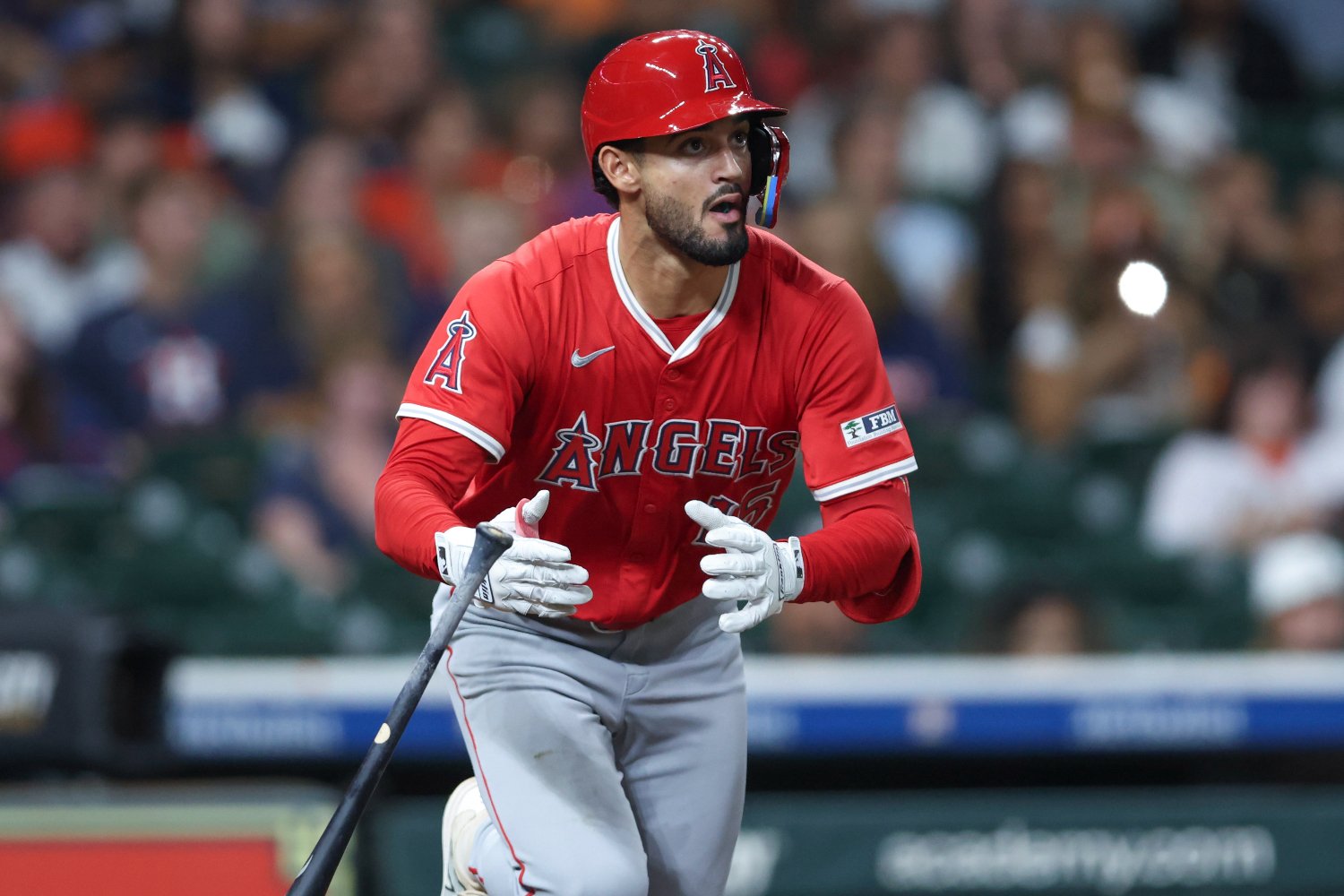 The Royals' season is plummeting fast, much to the chagrin of fans. Going into Thursday's game, Kansas City was 35-52, good for last in the AL Central. At the time of this writing, the Royals are losing 5-1 and are on the verge of being swept by the Tampa Bay Rays at home. That's not a good sign, especially with a tough weekend home series against the Philadelphia Phillies coming up. With 1.1% odds to make the postseason, according to Fangraphs, the Royals are clearly in rebuilding mode. They likely will bring in a lot of new pieces later in the month, especially as they near the August 3rd MLB Trade Deadline. For now, however, they have to rely on players on their 40-man roster or those up in Omaha who can make the transition from Triple-A to Major League competition. Right now, there isn't a lot of depth in the Royals system, both on the hitting and pitching end. However, the Royals really have nothing to lose at this point, especially being 17 games under .500. Therefore, Kansas City could benefit from bringing in some fresh faces from Omaha to help spark this club over the next few months. While they may not be long-term solutions to the Royals' roster problems, they deserve a shot to show the front office what they can do and whether or not they will be part of the Royals' roster in 2027 and beyond. Here are four players in Omaha (three hitters and one pitcher) who should get an opportunity for some playing time with the Royals at some point in the second half of this brutal season. Ryan Ramsey, LHP The Royals do not have much pitching depth, both on the 40-man roster and in Triple-A Omaha and Double-A Northwest Arkansas. The only pitcher who deserves a chance who isn't on the 40-man (and not injured) is Ramsey, who is in his second year with the Storm Chasers. Ramsey's surface-level metrics aren't eye-popping. In 15 outings (13 starts) and 69.2 IP, the former Maryland product is posting a 4.78 ERA, 1.44 WHIP, 5.57 FIP, and 9.2% K-BB%. That said, he seems to be trending positively recently, as he went five innings and only allowed one run on four hits in his most recent start on June 26th. Ramsey is not a strikeout (19.7% K%) or swinging-strike machine (9.7% SwStr%). However, he is efficient in generating called strikes, as evidenced by his 14.2% called-strike rate. The former 13th-round pick has also demonstrated an ability to limit hard hits and contact in the zone. That is illustrated in his Statcast percentiles summary from Triple-A this season via TJ Stats. When it comes to TJ Stuff+, Ramsey's overall 97 mark isn't impressive, but his slider and curveball rate as above-average offerings with 101 marks. He also has produced a decent whiff rate this year, with his 23.7% whiff rate ranking in the 59th percentile, according to TJ Stats. Ramsey may not be a long-term option for the Royals. That said, the former Terrapin could be a nice hybrid guy for the remainder of the season who could thrive if given the opportunity. Peyton Wilson, 2B/3B Wilson has not gotten much attention in Omaha because he's been overshadowed by veteran infielders like Josh Rojas, Abraham Toro, Kevin Newman, and Brandon Drury. Furthermore, he was hurt in mid-April and missed roughly a month of play. That said, since returning, Wilson has performed much better in his second stint in Omaha. Last year, the former Alabama product hit .223 with a 65 wRC+ in 319 plate appearances with the Storm Chasers. This season? He's hitting .294 with a 102 wRC+ in 186 plate appearances. He also has shown a strong ability to not just hit with more power in Omaha this year (.107 ISO compared to .086 last year), but hit fewer pop-ups and more line drives as well. Wilson is still striking out and whiffing a lot, but he's launching the ball better and hitting it hard, as illustrated by his TJ Stats Statcast percentiles summary from Omaha. Wilson has long been known for a solid glove at the keystone and hot corner, so he's the kind of player who at least would hold his own defensively in the infield. The biggest question mark with him has been his bat. That's been the primary reason he hasn't been added to the 40-man roster or picked up in the Rule 5 Draft. When looking at Wilson, his profile feels very similar to Michael Massey. While Massey has had a solid year (1.2 fWAR and 96 wRC+), he is also 28 and will be 29 next season. Furthermore, Massey could be a trade candidate. If Wilson can fill in for Massey adequately, then Royals president JJ Picollo may be tempted to trade the former Illinois product by August 3rd. Matthew Lugo, OF The Royals claimed Lugo off waivers after he was designated for assignment by the Angels. Since coming over to the Kansas City organization, he's done nothing but hit in Omaha. In 90 plate appearances with the Storm Chasers, Lugo is hitting .321 with a 151 wRC+. The former 2019 Red Sox draft pick has also shown tremendous home run power, with seven home runs in 22 games with Omaha. Lugo had a cup of coffee with the Angels last year, but didn't do anything earth-shattering in his rookie debut. In 31 games and 70 plate appearances, the 25-year-old hit .232 with an 89 wRC+. He flashed some power with the Halos with four home runs. However, he struck out 34.3% of the time and didn't draw a single walk in his MLB tenure last year. Thus, his free-swinging approach was a big reason why the Angels opted to part ways with him this year. Still, even though his profile is flawed, there's some big-fly and power potential with Lugo, who can reasonably play all three outfield positions. In Triple-A this year, with both the Angels and Royals organizations, he has demonstrated the ability to barrel and launch the ball consistently, per TJ Stats Statcast percentiles. The Royals have a dearth of right-handed bats on the 40-man roster right now. That has been obvious in this Rays series, as manager Matt Quatraro has had to bat lefty hitters like Kameron Misner and Michael Massey against lefty starters like Shane McClanahan and Ian Seymour. Misner has cooled off significantly after a strong start, and the Royals may opt to bring up Lugo to take Misner's place, especially since Lugo would give Kansas City a right-handed bat who can play multiple positions in the outfield. Brett Squires, 1B/3B I have talked about Squires before here on Royals Keep, as he's been the kind of player who's hit at every level in the Royals system. Since being called up to Omaha, the former Oklahoma product has hit .293 with a 131 wRC+ in 162 plate appearances. That includes 10 home runs in 40 games. The main issue preventing Squires from a possible promotion or addition to the 40-man roster is his lack of positional versatility. He is a corner infielder who primarily plays first base. Thus, he's been blocked by Maikel Garcia and Nick Loftin at third base and Vinnie Pasquantino, Salvador Perez, and Jac Caglianone at first. That said, those positions have become a lot more open. Garcia is currently on the IL, and Loftin has cooled at the plate, as he is hitless in his last 21 plate appearances. Vinnie is also on the IL, Salvy is hurt, and Caglianone seems to be rotating between right field and first base, depending on the pitching matchup. Thus, the Royals may have a spot for Squires, who is producing some of the most impressive batted-ball metrics in Omaha, as evidenced by his TJ Stats Statcast percentiles. It is hard to see Squires as a long-term answer, especially once Garcia and Pasquantino return healthy. Nonetheless, the Royals need some pop and consistency in the middle of the batting order, and Squires could provide that, even if there is some swing-and-miss risk with his hitting profile (15th percentile whiff rate, 12th percentile chase rate, and 26th percentile K rate).

