


Kevin O'Brien
-
Posts
858 -
Joined
-
Last visited
-
Days Won
41
Content Type
Profiles
Forums
Blogs
Events
News
2026 Kansas City Royals Top Prospects Ranking
Kansas City Royals Videos
Kansas City Royals Free Agent & Trade Rumors, Notes, & Tidbits
Guides & Resources
The Kansas City Royals Players Project
2026 Kansas City Royals Draft Tracker: Picks & Bonuses
Store
Downloads
Gallery
Everything posted by Kevin O'Brien
-
 Angel Ramirez capped a four-run tenth inning with a walk-off single as Columbia stunned Salem 9-8. Ramon Ramirez doubled twice and drove in four runs, but Quad Cities fell 9-8 at home on a ninth-inning home run. Steven Zobac fired five scoreless innings, and Zachary Cawyer closed out a 4-3 Northwest Arkansas win. Brett Squires homered, and Henry Williams turned in a quality start, but Omaha dropped a 4-2 decision at Louisville. Kansas City Royals Transactions No Roster Moves Brett Squires Homers But Omaha Falls 4-2 At Louisville Squires provided all of Omaha's offense, but the Storm Chasers dropped a 4-2 decision to the Louisville Bats. Williams turned in a quality start in the loss, allowing three runs over six innings with five strikeouts and no walks. Louisville got to him early, opening the scoring with a solo home run in the first. The Bats added two more in the third, when a leadoff single was followed by an RBI double and an RBI single to make it 3-0. Omaha answered in the fourth. John Rave drew a leadoff walk, and Squires followed with a line-drive home run to right field, his 12th of the season, to cut the deficit to 3-2. Unfortunately, after Squires' home run, Matthew Lugo struck out, and Gavin Cross and Peyton Wilson grounded out to end the inning. The Storm Chasers never got closer in this one. Anthony Gose was dominant at times in relief, striking out five over two innings. However, he surrendered a solo home run in the eighth, extending Louisville's lead to 4-2. He also walked two. The Storm Chasers managed just five hits, including a double by Elih Marrero, and drew two walks while striking out eight times. Omaha left five men on base and went quietly over the final five innings, failing to score after Squires' blast. They went 0-for-4 with runners in scoring position. Omaha is now 39-52 this season. Player AB R H RBI BB K Rudy Martin Jr., CF 4 0 1 0 0 2 John Rave, RF 3 1 0 0 1 0 Brett Squires, 1B 3 1 1 2 1 1 Matthew Lugo, 3B 4 0 0 0 0 2 Gavin Cross, LF 4 0 1 0 0 0 Peyton Wilson, 2B 4 0 1 0 0 0 Brandon Drury, DH 3 0 0 0 0 2 Elih Marrero, C 3 0 1 0 0 0 Andrew Velazquez, SS 3 0 0 0 0 1 Player IP H R ER BB K HR Henry Williams 6.0 6 3 3 0 5 1 Anthony Gose 2.0 2 1 1 2 5 1 Steven Zobac's Five Scoreless Innings Lead Naturals Past Wichita 4-3 Zobac fired five scoreless innings, and Northwest Arkansas held on for a 4-3 win over the Wichita Wind Surge. Zobac, the Royals' No. 16 prospect, allowed just three hits, walked two, and struck out four to earn the win. The Naturals broke through in the sixth, when Carson Roccaforte reached on an error, stole second base, his 17th of the season, and scored on a line-drive single by Sam Kulasingam. Northwest Arkansas added two more in the seventh. Colton Becker was hit by a pitch, moved up on a stolen base, and scored on an RBI single by Omar Hernandez. Hernandez then stole second and came home on an error when Connor Scott lined out to center, making it 3-0. Reliever Grant Gambrell ran into trouble in the bottom of the seventh, allowing an RBI double and a run-scoring single that cut the lead to 3-2, though Roccaforte threw out the runner trying to stretch the hit into a double. Gambrell, who recently came over from the Kansas City Monarchs of the American Association, allowed three runs over 2 2/3 innings and earned a hold. The Naturals got an insurance run in the eighth when Jack Pineda doubled, and after a walk to Kulasingam, Spencer Nivens singled him home. Wichita answered with a sacrifice fly in the bottom half, making it 4-3. Cawyer slammed the door on Wichita, retiring all four batters he faced with a strikeout to record his third save. Northwest Arkansas won despite managing just five hits and striking out 10 times. They stranded five runners and went 3-for-9 with runners in scoring position. After their fourth-straight win, the Naturals improved to 36-48. Player AB R H RBI BB K Carson Roccaforte, CF 4 1 0 0 0 2 Jack Pineda, SS 3 1 1 0 1 2 Sam Kulasingam, RF 3 0 1 1 1 1 Spencer Nivens, LF 3 0 1 1 1 1 Daniel Vazquez, DH 4 0 0 0 0 1 Colton Becker, 3B 3 1 1 0 0 0 Omar HernanVázquez 4 1 1 1 0 0 Connor Scott, 1B 4 0 0 0 0 0 Justin Johnson, 2B 4 0 0 0 0 3 Player IP H R ER BB K HR Steven Zobac (W, 1-3) 5.0 3 0 0 2 4 0 Grant Gambrell (H, 1) 2.2 5 3 3 2 2 0 Zachary Cawyer (S, 3) 1.1 0 0 0 0 1 0 Ramirez Drives In Four But River Bandits Fall 9-8 On Ninth-Inning Homer No. 6 prospect Ramirez doubled twice and drove in four runs, but the Quad Cities River Bandits let a six-run lead slip away in a 9-8 loss to the Peoria Chiefs. Quad Cities pounced early. In the first, No. 9 prospect Asbel Gonzalez walked, Nolan Sailors singled, and Ramirez laced a two-run double, his 22nd. Derlin Figueroa followed with an RBI single to make it 3-0. The River Bandits kept it going in the second, when Angel Acosta and Gonzalez singled ahead of another two-run double by Ramirez, and Luke Pelzer singled him home for a 6-0 lead. Emmanuel Reyes gave Quad Cities five innings, allowing two runs on three hits with two walks and six strikeouts. The game turned in the sixth, when Nick Conte failed to record an out and was charged with four runs as Peoria tied it 6-6. Max Martin struck out five over 2 2/3 innings and was not charged with a run, but was tagged with a blown save when inherited runners scored. The River Bandits answered. Gonzalez lifted a sacrifice fly in the sixth to make it 7-6, and Erick Torres singled home Jose Cerice in the eighth for an 8-6 lead. But in the ninth, L.P. Langevin allowed a single to make it a walk, and a three-run home run put Peoria ahead 9-8. Langevin, who's been one of the most dependable relievers in Quad Cities, took the loss and the blown save. Torres finished 2-for-4, and Gonzalez reached with a hit and two walks while scoring twice. The River Bandits stranded five runners and went 6-for-15 with runners in scoring position. Quad Cities is now 40-42 after two straight losses. Player AB R H RBI BB K Asbel Gonzalez, CF 2 2 1 1 2 0 Nolan Sailors, DH 4 1 1 0 1 1 Ramon Ramirez, C 5 2 2 4 0 2 Luke Pelzer, LF 5 0 1 1 0 2 Derlin Figueroa, 1B 4 0 1 1 0 2 Jose Cerice, 3B 4 1 1 0 0 1 Tyriq Kemp, SS 3 1 0 0 0 1 Erick Torres, RF 4 0 2 1 0 0 Angel Acosta, 2B 3 1 1 0 0 0 Player IP H R ER BB K HR Emmanuel Reyes 5.0 3 2 2 2 6 1 Nick Conte 0.0 2 4 4 2 0 0 Max Martin (BS, 1) 2.2 2 0 0 0 5 0 L.P. Langevin (L, 4-2)(BS, 1) 1.1 2 3 3 1 2 1 Ramirez's Walk-Off Single Caps Four-Run Tenth As Fireflies Win 9-8 Ramirez capped a four-run bottom of the tenth with a walk-off single as the Columbia Fireflies rallied past the Salem RidgeYaks 9-8. Darwin Rodriguez delivered a quality start, allowing one run on five hits over 6 2/3 innings with no walks and five strikeouts. The only blemish was a solo home run in the seventh. Columbia broke through in the fifth. Angel Ramirez drove in Connor Rasmussen on a fielder's choice, and Henry Ramos followed with an inside-the-park two-run home run, his fifth, for a 3-0 lead. In the seventh, Ramirez doubled home Jhosmmel Zue on an error, giving the Angels a run and making it 5-1. Salem tied it with four runs in the eighth off Yeri Perez and Andy Basora, then plated three in the tenth against Dash Albus, aided by a fielding error, to take an 8-5 lead. All three runs were unearned, and Albus struck out three in the inning. The Fireflies stormed back in the bottom of the tenth. With Sean Gamble as the zombie runner, Stone Russell and Yandel Ricardo walked, and Rasmussen ripped a two-run single to make it 8-7. Zue walked to load the bases, Ricardo scored the tying run on a wild pitch, and Ramirez grounded an infield single through the left side to score Rasmussen and end it. Ramirez finished 2-for-5 with a double and three RBIs, and Zue went 2-for-4 with a double and a walk. Albus earned the win. The Fireflies stranded eight runners and went 4-for-15 with runners in scoring position. The win brought Columbia back to .500, as they now are 43-43 this season. Player AB R H RBI BB K Henry Ramos, LF 5 1 1 2 0 2 Sean Gamble, CF 5 1 1 0 0 2 Josh Hammond, 3B 4 0 1 0 1 1 Stone Russell, 1B 4 1 0 0 1 3 Yandel Ricardo, SS 4 1 0 0 1 2 Hyungchan Um, DH 3 0 0 0 1 1 Roni Cabrera, DH 1 0 0 0 0 1 Connor Rasmussen, 2B 3 2 1 2 2 0 Jhosmmel Zue, C 4 1 2 0 1 0 Angel Ramirez, RF 5 2 2 3 0 1 Player IP H R ER BB K HR Darwin Rodriguez 6.2 5 1 1 0 5 1 Yeri Perez (H, 2) 1.0 1 3 3 1 0 0 Andy Basora (BS, 4) 1.1 4 1 1 0 2 0 Dash Albus (W, 3-2) 1.0 2 3 0 0 3 0 Top-20 Prospect Performance Kendry Chourio: DNP David Shields: DNP Josh Hammond: 1-for-4, BB, K Blake Mitchell: DNP Sean Gamble: 1-for-5, R, 2 K Ramon Ramirez: 2-for-5, 2 2B, 2 R, 4 RBI, 2 K Drew Beam: DNP Carson Roccaforte: 0-for-4, R, 2 K Asbel Gonzalez: 1-for-2, 2 R, RBI, 2 BB Yandel Ricardo: 0-for-4, R, BB, 2 K Michael Lombardi: DNP Ben Kudrna: DNP Justin Lamkin: DNP Felix Arronde: DNP Blake Wolters: DNP Steven Zobac: W, 5 IP, 3 H, 0 R, 2 BB, 4 K Austin Charles: DNP Daniel Vazquez: 0-for-4, K Kamden Edge: DNP Warren Calcano: DNP
 -
Angel Ramirez capped a four-run tenth inning with a walk-off single as Columbia stunned Salem 9-8. Ramon Ramirez doubled twice and drove in four runs, but Quad Cities fell 9-8 at home on a ninth-inning home run. Steven Zobac fired five scoreless innings, and Zachary Cawyer closed out a 4-3 Northwest Arkansas win. Brett Squires homered, and Henry Williams turned in a quality start, but Omaha dropped a 4-2 decision at Louisville. Kansas City Royals Transactions No Roster Moves Brett Squires Homers But Omaha Falls 4-2 At Louisville Squires provided all of Omaha's offense, but the Storm Chasers dropped a 4-2 decision to the Louisville Bats. Williams turned in a quality start in the loss, allowing three runs over six innings with five strikeouts and no walks. Louisville got to him early, opening the scoring with a solo home run in the first. The Bats added two more in the third, when a leadoff single was followed by an RBI double and an RBI single to make it 3-0. Omaha answered in the fourth. John Rave drew a leadoff walk, and Squires followed with a line-drive home run to right field, his 12th of the season, to cut the deficit to 3-2. Unfortunately, after Squires' home run, Matthew Lugo struck out, and Gavin Cross and Peyton Wilson grounded out to end the inning. The Storm Chasers never got closer in this one. Anthony Gose was dominant at times in relief, striking out five over two innings. However, he surrendered a solo home run in the eighth, extending Louisville's lead to 4-2. He also walked two. The Storm Chasers managed just five hits, including a double by Elih Marrero, and drew two walks while striking out eight times. Omaha left five men on base and went quietly over the final five innings, failing to score after Squires' blast. They went 0-for-4 with runners in scoring position. Omaha is now 39-52 this season. Player AB R H RBI BB K Rudy Martin Jr., CF 4 0 1 0 0 2 John Rave, RF 3 1 0 0 1 0 Brett Squires, 1B 3 1 1 2 1 1 Matthew Lugo, 3B 4 0 0 0 0 2 Gavin Cross, LF 4 0 1 0 0 0 Peyton Wilson, 2B 4 0 1 0 0 0 Brandon Drury, DH 3 0 0 0 0 2 Elih Marrero, C 3 0 1 0 0 0 Andrew Velazquez, SS 3 0 0 0 0 1 Player IP H R ER BB K HR Henry Williams 6.0 6 3 3 0 5 1 Anthony Gose 2.0 2 1 1 2 5 1 Steven Zobac's Five Scoreless Innings Lead Naturals Past Wichita 4-3 Zobac fired five scoreless innings, and Northwest Arkansas held on for a 4-3 win over the Wichita Wind Surge. Zobac, the Royals' No. 16 prospect, allowed just three hits, walked two, and struck out four to earn the win. The Naturals broke through in the sixth, when Carson Roccaforte reached on an error, stole second base, his 17th of the season, and scored on a line-drive single by Sam Kulasingam. Northwest Arkansas added two more in the seventh. Colton Becker was hit by a pitch, moved up on a stolen base, and scored on an RBI single by Omar Hernandez. Hernandez then stole second and came home on an error when Connor Scott lined out to center, making it 3-0. Reliever Grant Gambrell ran into trouble in the bottom of the seventh, allowing an RBI double and a run-scoring single that cut the lead to 3-2, though Roccaforte threw out the runner trying to stretch the hit into a double. Gambrell, who recently came over from the Kansas City Monarchs of the American Association, allowed three runs over 2 2/3 innings and earned a hold. The Naturals got an insurance run in the eighth when Jack Pineda doubled, and after a walk to Kulasingam, Spencer Nivens singled him home. Wichita answered with a sacrifice fly in the bottom half, making it 4-3. Cawyer slammed the door on Wichita, retiring all four batters he faced with a strikeout to record his third save. Northwest Arkansas won despite managing just five hits and striking out 10 times. They stranded five runners and went 3-for-9 with runners in scoring position. After their fourth-straight win, the Naturals improved to 36-48. Player AB R H RBI BB K Carson Roccaforte, CF 4 1 0 0 0 2 Jack Pineda, SS 3 1 1 0 1 2 Sam Kulasingam, RF 3 0 1 1 1 1 Spencer Nivens, LF 3 0 1 1 1 1 Daniel Vazquez, DH 4 0 0 0 0 1 Colton Becker, 3B 3 1 1 0 0 0 Omar HernanVázquez 4 1 1 1 0 0 Connor Scott, 1B 4 0 0 0 0 0 Justin Johnson, 2B 4 0 0 0 0 3 Player IP H R ER BB K HR Steven Zobac (W, 1-3) 5.0 3 0 0 2 4 0 Grant Gambrell (H, 1) 2.2 5 3 3 2 2 0 Zachary Cawyer (S, 3) 1.1 0 0 0 0 1 0 Ramirez Drives In Four But River Bandits Fall 9-8 On Ninth-Inning Homer No. 6 prospect Ramirez doubled twice and drove in four runs, but the Quad Cities River Bandits let a six-run lead slip away in a 9-8 loss to the Peoria Chiefs. Quad Cities pounced early. In the first, No. 9 prospect Asbel Gonzalez walked, Nolan Sailors singled, and Ramirez laced a two-run double, his 22nd. Derlin Figueroa followed with an RBI single to make it 3-0. The River Bandits kept it going in the second, when Angel Acosta and Gonzalez singled ahead of another two-run double by Ramirez, and Luke Pelzer singled him home for a 6-0 lead. Emmanuel Reyes gave Quad Cities five innings, allowing two runs on three hits with two walks and six strikeouts. The game turned in the sixth, when Nick Conte failed to record an out and was charged with four runs as Peoria tied it 6-6. Max Martin struck out five over 2 2/3 innings and was not charged with a run, but was tagged with a blown save when inherited runners scored. The River Bandits answered. Gonzalez lifted a sacrifice fly in the sixth to make it 7-6, and Erick Torres singled home Jose Cerice in the eighth for an 8-6 lead. But in the ninth, L.P. Langevin allowed a single to make it a walk, and a three-run home run put Peoria ahead 9-8. Langevin, who's been one of the most dependable relievers in Quad Cities, took the loss and the blown save. Torres finished 2-for-4, and Gonzalez reached with a hit and two walks while scoring twice. The River Bandits stranded five runners and went 6-for-15 with runners in scoring position. Quad Cities is now 40-42 after two straight losses. Player AB R H RBI BB K Asbel Gonzalez, CF 2 2 1 1 2 0 Nolan Sailors, DH 4 1 1 0 1 1 Ramon Ramirez, C 5 2 2 4 0 2 Luke Pelzer, LF 5 0 1 1 0 2 Derlin Figueroa, 1B 4 0 1 1 0 2 Jose Cerice, 3B 4 1 1 0 0 1 Tyriq Kemp, SS 3 1 0 0 0 1 Erick Torres, RF 4 0 2 1 0 0 Angel Acosta, 2B 3 1 1 0 0 0 Player IP H R ER BB K HR Emmanuel Reyes 5.0 3 2 2 2 6 1 Nick Conte 0.0 2 4 4 2 0 0 Max Martin (BS, 1) 2.2 2 0 0 0 5 0 L.P. Langevin (L, 4-2)(BS, 1) 1.1 2 3 3 1 2 1 Ramirez's Walk-Off Single Caps Four-Run Tenth As Fireflies Win 9-8 Ramirez capped a four-run bottom of the tenth with a walk-off single as the Columbia Fireflies rallied past the Salem RidgeYaks 9-8. Darwin Rodriguez delivered a quality start, allowing one run on five hits over 6 2/3 innings with no walks and five strikeouts. The only blemish was a solo home run in the seventh. Columbia broke through in the fifth. Angel Ramirez drove in Connor Rasmussen on a fielder's choice, and Henry Ramos followed with an inside-the-park two-run home run, his fifth, for a 3-0 lead. In the seventh, Ramirez doubled home Jhosmmel Zue on an error, giving the Angels a run and making it 5-1. Salem tied it with four runs in the eighth off Yeri Perez and Andy Basora, then plated three in the tenth against Dash Albus, aided by a fielding error, to take an 8-5 lead. All three runs were unearned, and Albus struck out three in the inning. The Fireflies stormed back in the bottom of the tenth. With Sean Gamble as the zombie runner, Stone Russell and Yandel Ricardo walked, and Rasmussen ripped a two-run single to make it 8-7. Zue walked to load the bases, Ricardo scored the tying run on a wild pitch, and Ramirez grounded an infield single through the left side to score Rasmussen and end it. Ramirez finished 2-for-5 with a double and three RBIs, and Zue went 2-for-4 with a double and a walk. Albus earned the win. The Fireflies stranded eight runners and went 4-for-15 with runners in scoring position. The win brought Columbia back to .500, as they now are 43-43 this season. Player AB R H RBI BB K Henry Ramos, LF 5 1 1 2 0 2 Sean Gamble, CF 5 1 1 0 0 2 Josh Hammond, 3B 4 0 1 0 1 1 Stone Russell, 1B 4 1 0 0 1 3 Yandel Ricardo, SS 4 1 0 0 1 2 Hyungchan Um, DH 3 0 0 0 1 1 Roni Cabrera, DH 1 0 0 0 0 1 Connor Rasmussen, 2B 3 2 1 2 2 0 Jhosmmel Zue, C 4 1 2 0 1 0 Angel Ramirez, RF 5 2 2 3 0 1 Player IP H R ER BB K HR Darwin Rodriguez 6.2 5 1 1 0 5 1 Yeri Perez (H, 2) 1.0 1 3 3 1 0 0 Andy Basora (BS, 4) 1.1 4 1 1 0 2 0 Dash Albus (W, 3-2) 1.0 2 3 0 0 3 0 Top-20 Prospect Performance Kendry Chourio: DNP David Shields: DNP Josh Hammond: 1-for-4, BB, K Blake Mitchell: DNP Sean Gamble: 1-for-5, R, 2 K Ramon Ramirez: 2-for-5, 2 2B, 2 R, 4 RBI, 2 K Drew Beam: DNP Carson Roccaforte: 0-for-4, R, 2 K Asbel Gonzalez: 1-for-2, 2 R, RBI, 2 BB Yandel Ricardo: 0-for-4, R, BB, 2 K Michael Lombardi: DNP Ben Kudrna: DNP Justin Lamkin: DNP Felix Arronde: DNP Blake Wolters: DNP Steven Zobac: W, 5 IP, 3 H, 0 R, 2 BB, 4 K Austin Charles: DNP Daniel Vazquez: 0-for-4, K Kamden Edge: DNP Warren Calcano: DNP View full article
-
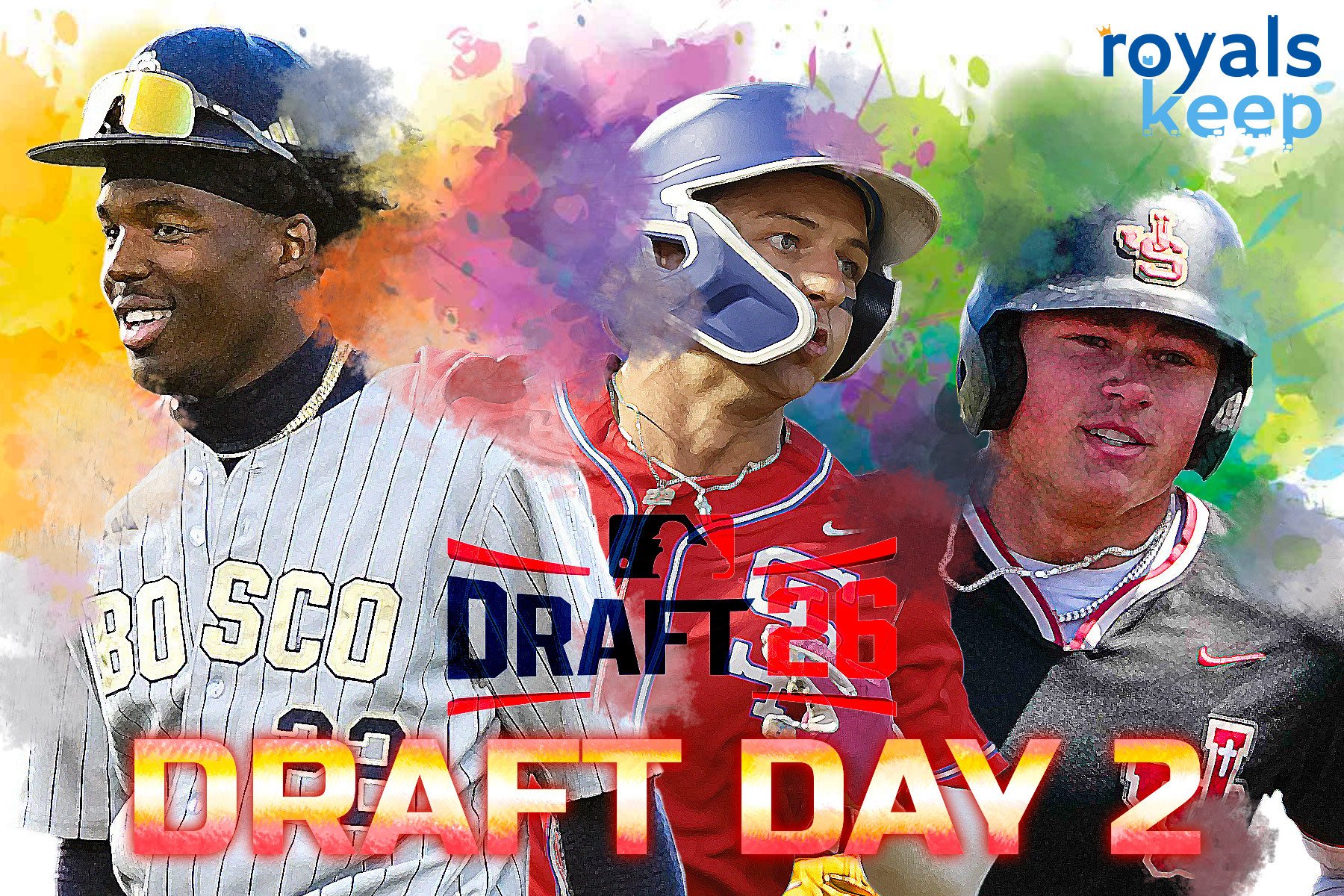 It is Day 2 of the MLB Draft! The Royals turned some heads by selecting Zion Rose with the No. 6 overall pick. Many projected Rose as a late first-round pick, so the decision was seen as a cost-saving move. Nonetheless, the Royals acquired an outfielder who should have an immediate impact on their farm system. Here's a list of the five players the Royals selected on Day 1: Zion Rose, OF, Louisville (No. 6 overall) Taylor Rabe, RHP, Mississippi (No. 30 overall) Jack Slightom, RHP, Lyons Township High School (IL) (No. 56 overall) Maxx Yehl, LHP, West Virginia (No. 91 overall) Dominic Battista, OF, Oswego East High School (IL) (No. 119 overall) You can find our recap and grade of the Royals' Day 1 of the Draft below. The draft continues today as an all-day affair. Here's the time of the draft and where you can watch it. • 11:30 a.m.-7:30 p.m. ET (MLB.com, MLB.TV, MLB+) We will update picks on the website and in this thread. Follow Royals Keep for all your MLB Draft Day 2 coverage!
 -
It is Day 2 of the MLB Draft! The Royals turned some heads by selecting Zion Rose with the No. 6 overall pick. Many projected Rose as a late first-round pick, so the decision was seen as a cost-saving move. Nonetheless, the Royals acquired an outfielder who should have an immediate impact on their farm system. Here's a list of the five players the Royals selected on Day 1: Zion Rose, OF, Louisville (No. 6 overall) Taylor Rabe, RHP, Mississippi (No. 30 overall) Jack Slightom, RHP, Lyons Township High School (IL) (No. 56 overall) Maxx Yehl, LHP, West Virginia (No. 91 overall) Dominic Battista, OF, Oswego East High School (IL) (No. 119 overall) You can find our recap and grade of the Royals' Day 1 of the Draft below. The draft continues today as an all-day affair. Here's the time of the draft and where you can watch it. • 11:30 a.m.-7:30 p.m. ET (MLB.com, MLB.TV, MLB+) We will update picks on the website and in this thread. Follow Royals Keep for all your MLB Draft Day 2 coverage! View full article
-
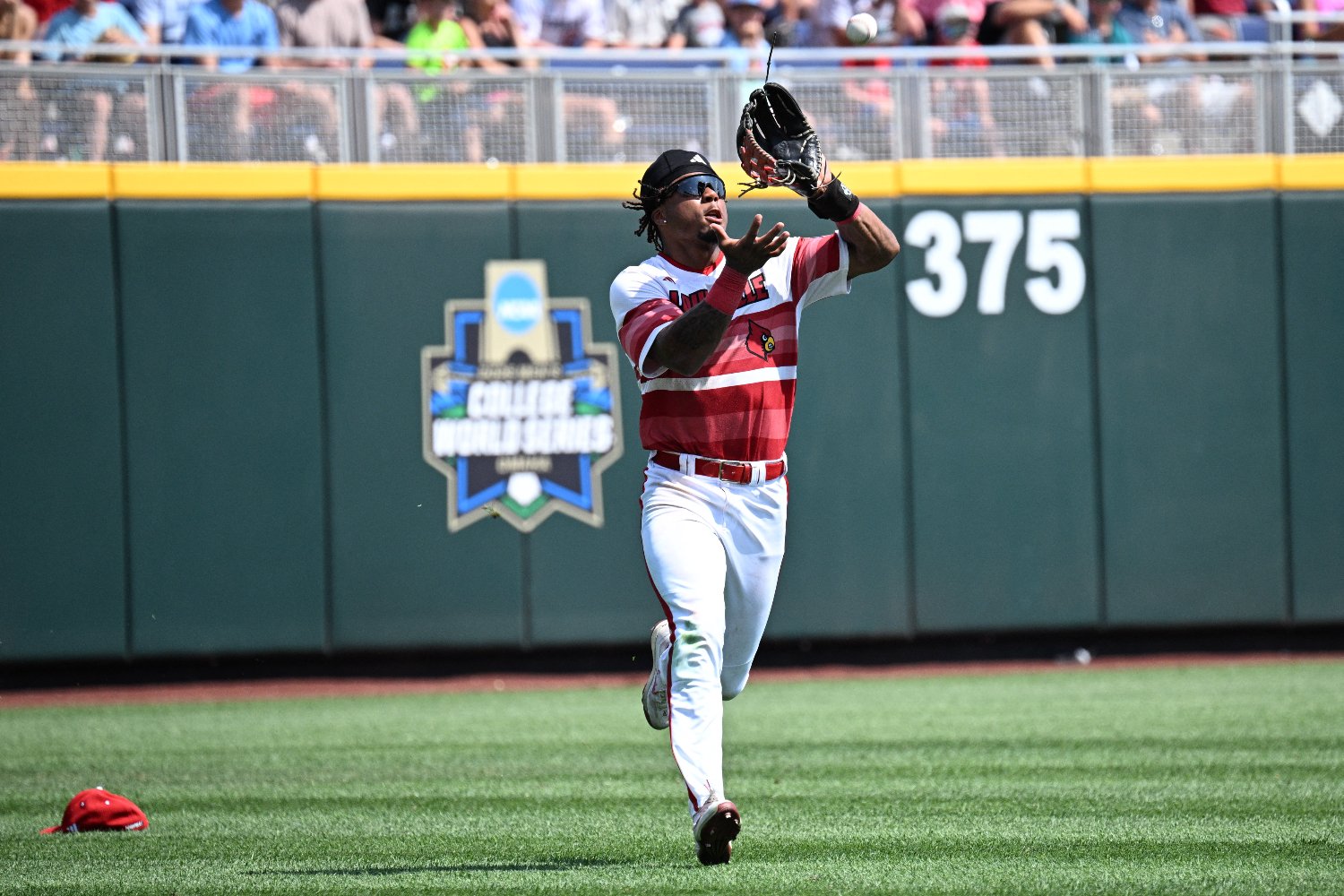
Image courtesy of Steven Branscombe-Imagn Images It was an interesting first day of the MLB Draft for the Kansas City Royals. Tied to prep players like Eric Booth Jr. and Jacob Lombard, and college players like Drew Burress and Jackson Flora, they surprised everyone by selecting Zion Rose, an outfielder from the University of Louisville. Rose was the 26th-ranked draft prospect in Jamie Cameron's Mock Draft on Diamondcentric. Many experts thought that the Royals would be in play for Rose at No. 30, their Competitive Balance A pick. However, drafting the 21-year-old outfielder at No. 6 was seen as a reach, especially with Booth and Burress still on the board. Was Rose a bad pick, or did the fans' expectations that the Royals would select Burress or Booth overwhelm them? And how did his selection affect the Royals' other selections on Day One? Rose Brings Contact-Heavy and Athletic Profile to Outfield (At Underslot Value) The reality is that the Royals need help in the outfield. Sean Gamble is the Royals' highest-rated outfield prospect at No. 5, but he's in Low-A ball, and he may be a guy who moves slowly as he continues to develop and adjust to professional pitching (he's been hitting well since June 1st). Carson Roccaforte and Asbel Gonzalez are Top-10 prospects, but they have their share of flaws that could hold them back (strikeouts for Roccaforte; power for Gonzalez). Beyond those three? There are no other outfielder prospects in the Royals' Top 20 at Royals Keep. Thus, Rose not only changes that but is also a player who could move quickly through the Royals' farm system, given his experience with the Cardinals. Last year, the Royals' first-round pick missed time with an injury and played only 36 games, 30 fewer than his total in 2025. However, despite only getting 173 plate appearances, he slashed .421/.491/.646 with a 1.137 OPS and 147 wRC+. He also stole 24 bases on 27 attempts and hit six home runs. For context, in 301 plate appearances in 2025, Rose hit .310 with a .948 OPS, 109 wRC+, 13 home runs, and 31 stolen bases. In terms of his strengths, the Louisville outfielder shows incredible contact skills and can draw a walk. He had a 1.27 BB/K ratio last year, highlighted by an 8.7% K rate, a career best. Rose makes contact, hits line drives, steals bases, and shows strong defense in the corners, which is impressive, considering he initially came to campus as a catcher. Even though he wasn't a "projected" Top-10 pick, Rose checks off many of the boxes the Royals value in position players. That goes beyond the draft, as Lane Thomas and Isaac Collins were also examples of veteran players with profiles similar to Rose's. The good thing with Rose is that he likely will sign underneath the expected slot bonus of $7.7 million at pick No. 6. Hence, the Royals not only got the outfielder with the profile they wanted, but they also were able to save some money that could be spread out on bonuses given out to other selections in this draft. Rabe, Slightom, and Yehl Are High Upside Arms (Helped by the Rose Selection) At pick No. 30, the Royals selected Taylor Rabe, a 21-year-old righty from Ole Miss. Rabe is not only a big arm (6'5), but he demonstrated excellent command (7.00 K/BB ratio) and ability to strike batters out (34.2% K%). In 17 appearances (11 starts) and 76.1 IP, he posted a 3.55 ERA, 1.03 WHIP, and 3.75 FIP. Rabe's ranking was a bit all over the place before the MLB Draft. Cameron had him ranked No. 36 at Diamondcentric, and MLB Pipeline ranked him 40th. However, Baseball America was a little more optimistic about his outlook, ranking him 26th. Thus, Rabe could be seen as a good-to-great overslot selection, depending on the ranking. Regardless, there's mid-rotation upside with Rabe at the very least, and he could be a pitcher who could move quickly, something they need considering the dearth of quality starting arms in Double-A and Triple-A. As for their second-round pick, Jack Slightom is a bit more of a project. He just turned 18 in April, and he's an Illinois prep product who will likely begin in the Complex League this year and advance to Low-A ball in 2027. However, he's the pitching prospect that could be a success story, much like David Shields, our No. 2 prospect at Royals Keep. data:image/gif;base64,R0lGODlhAQABAPABAP///wAAACH5BAEKAAAALAAAAAABAAEAAAICRAEAOw== Here's what Cameron said about Slightom in his Mock Draft article: data:image/gif;base64,R0lGODlhAQABAPABAP///wAAACH5BAEKAAAALAAAAAABAAEAAAICRAEAOw== This is another pick who will likely sign an overslot deal, much like Rabe. Rose's expected savings paved the way for two high-upside, high-cost selections like Rabe and Slightom. Yehl, the Royals' third-round selection, won't be an overslot deal. If anything, he'll probably agree to a deal below the expected $872.9K slot bonus. However, the 22-year-old is a polished and proven lefty who can move quickly and strike out guys in bunches. In 18 starts and 97 IP, Yehl posted a 2.13 ERA, 1.07 WHIP, 4.07 FIP, 27.9% K%, and a 4.31 K/BB ratio. He was named Big 12 Pitcher of the Year after missing all of 2025 due to Tommy John surgery. data:image/gif;base64,R0lGODlhAQABAPABAP///wAAACH5BAEKAAAALAAAAAABAAEAAAICRAEAOw== Yehl's professional outlook is still a little hazy. Some believe he can be a middle-to-bottom-of-the-rotation starter, while others believe he carries some reliever risk (hence his falling to the third). Nonetheless, Yehl is a quality arm that can help the Royals quickly, which is a benefit considering their starter and bullpen struggles in Double-A, Triple-A, and even the Major Leagues. How Would We Rate Day One? In the fourth round, the Royals selected Dominic Battista, a prep outfielder from Illinois who ranked outside most experts' Top-100 lists. This selection was likely a cost-saver (i.e., under-slot). Still, Battista has some athleticism and tools, and his draft stock was primarily hurt by a hamate injury that forced him to miss 10 games in his senior year at Oswego East High School. If fully healthy, he could've been a 2nd or 3rd-round selection. data:image/gif;base64,R0lGODlhAQABAPABAP///wAAACH5BAEKAAAALAAAAAABAAEAAAICRAEAOw== Battista is a University of Illinois-Chicago commit, and the Royals had success with Luke Pelzer, a UIC product, in last year's draft. Pelzer is hitting .342 with a 136 wRC+ in High-A Quad Cities, and he'll likely move up to Northwest Arkansas after the All-Star Break. Overall, there's a strong balance of talent from Day One of the MLB Draft for the Royals. They selected proven guys who can move quickly (Rose and Rabe), some prep guys with upside (Slightom and Battista), and a big arm with big stuff who could develop into a starter with the right pitcher development in the next year or two (Yehl). That's a Day One to be happy about, especially for a Royals farm system that needs help in Double-A sooner rather than later. At the same time, the Royals' Day One feels a little underwhelming, especially considering the expectations going into this 2026 Draft. The Royals could've drafted a big, high-upside guy with star potential at No. 6. That could've been a college guy like Burress or a prep one like Booth or Lombard. And yet, they chose the "cheaper" option in Rose. It's not a bad selection by any means, because Rose has all the tools to be a successful outfielder for the Royals. Plus, Rose has the intangibles and makeup to develop quickly in the farm system. Joe Doyle talked about Rose maybe being the best "sleeper" pick in this draft and could surprise a lot of folks who criticized the Royals for drafting Rose at No. 6. And yet, it feels like the Royals could've done a better job of drafting for "more" upside, especially in their first two selections. Thus, this Day One feels like a passing grade, but not much more, unfortunately. Day One Grade: C+ View full article
-
 It was an interesting first day of the MLB Draft for the Kansas City Royals. Tied to prep players like Eric Booth Jr. and Jacob Lombard, and college players like Drew Burress and Jackson Flora, they surprised everyone by selecting Zion Rose, an outfielder from the University of Louisville. Rose was the 26th-ranked draft prospect in Jamie Cameron's Mock Draft on Diamondcentric. Many experts thought that the Royals would be in play for Rose at No. 30, their Competitive Balance A pick. However, drafting the 21-year-old outfielder at No. 6 was seen as a reach, especially with Booth and Burress still on the board. Was Rose a bad pick, or did the fans' expectations that the Royals would select Burress or Booth overwhelm them? And how did his selection affect the Royals' other selections on Day One? Rose Brings Contact-Heavy and Athletic Profile to Outfield (At Underslot Value) The reality is that the Royals need help in the outfield. Sean Gamble is the Royals' highest-rated outfield prospect at No. 5, but he's in Low-A ball, and he may be a guy who moves slowly as he continues to develop and adjust to professional pitching (he's been hitting well since June 1st). Carson Roccaforte and Asbel Gonzalez are Top-10 prospects, but they have their share of flaws that could hold them back (strikeouts for Roccaforte; power for Gonzalez). Beyond those three? There are no other outfielder prospects in the Royals' Top 20 at Royals Keep. Thus, Rose not only changes that but is also a player who could move quickly through the Royals' farm system, given his experience with the Cardinals. Last year, the Royals' first-round pick missed time with an injury and played only 36 games, 30 fewer than his total in 2025. However, despite only getting 173 plate appearances, he slashed .421/.491/.646 with a 1.137 OPS and 147 wRC+. He also stole 24 bases on 27 attempts and hit six home runs. For context, in 301 plate appearances in 2025, Rose hit .310 with a .948 OPS, 109 wRC+, 13 home runs, and 31 stolen bases. In terms of his strengths, the Louisville outfielder shows incredible contact skills and can draw a walk. He had a 1.27 BB/K ratio last year, highlighted by an 8.7% K rate, a career best. Rose makes contact, hits line drives, steals bases, and shows strong defense in the corners, which is impressive, considering he initially came to campus as a catcher. Even though he wasn't a "projected" Top-10 pick, Rose checks off many of the boxes the Royals value in position players. That goes beyond the draft, as Lane Thomas and Isaac Collins were also examples of veteran players with profiles similar to Rose's. The good thing with Rose is that he likely will sign underneath the expected slot bonus of $7.7 million at pick No. 6. Hence, the Royals not only got the outfielder with the profile they wanted, but they also were able to save some money that could be spread out on bonuses given out to other selections in this draft. Rabe, Slightom, and Yehl Are High Upside Arms (Helped by the Rose Selection) At pick No. 30, the Royals selected Taylor Rabe, a 21-year-old righty from Ole Miss. Rabe is not only a big arm (6'5), but he demonstrated excellent command (7.00 K/BB ratio) and ability to strike batters out (34.2% K%). In 17 appearances (11 starts) and 76.1 IP, he posted a 3.55 ERA, 1.03 WHIP, and 3.75 FIP. Rabe's ranking was a bit all over the place before the MLB Draft. Cameron had him ranked No. 36 at Diamondcentric, and MLB Pipeline ranked him 40th. However, Baseball America was a little more optimistic about his outlook, ranking him 26th. Thus, Rabe could be seen as a good-to-great overslot selection, depending on the ranking. Regardless, there's mid-rotation upside with Rabe at the very least, and he could be a pitcher who could move quickly, something they need considering the dearth of quality starting arms in Double-A and Triple-A. As for their second-round pick, Jack Slightom is a bit more of a project. He just turned 18 in April, and he's an Illinois prep product who will likely begin in the Complex League this year and advance to Low-A ball in 2027. However, he's the pitching prospect that could be a success story, much like David Shields, our No. 2 prospect at Royals Keep. data:image/gif;base64,R0lGODlhAQABAPABAP///wAAACH5BAEKAAAALAAAAAABAAEAAAICRAEAOw== Here's what Cameron said about Slightom in his Mock Draft article: data:image/gif;base64,R0lGODlhAQABAPABAP///wAAACH5BAEKAAAALAAAAAABAAEAAAICRAEAOw== This is another pick who will likely sign an overslot deal, much like Rabe. Rose's expected savings paved the way for two high-upside, high-cost selections like Rabe and Slightom. Yehl, the Royals' third-round selection, won't be an overslot deal. If anything, he'll probably agree to a deal below the expected $872.9K slot bonus. However, the 22-year-old is a polished and proven lefty who can move quickly and strike out guys in bunches. In 18 starts and 97 IP, Yehl posted a 2.13 ERA, 1.07 WHIP, 4.07 FIP, 27.9% K%, and a 4.31 K/BB ratio. He was named Big 12 Pitcher of the Year after missing all of 2025 due to Tommy John surgery. data:image/gif;base64,R0lGODlhAQABAPABAP///wAAACH5BAEKAAAALAAAAAABAAEAAAICRAEAOw== Yehl's professional outlook is still a little hazy. Some believe he can be a middle-to-bottom-of-the-rotation starter, while others believe he carries some reliever risk (hence his falling to the third). Nonetheless, Yehl is a quality arm that can help the Royals quickly, which is a benefit considering their starter and bullpen struggles in Double-A, Triple-A, and even the Major Leagues. How Would We Rate Day One? In the fourth round, the Royals selected Dominic Battista, a prep outfielder from Illinois who ranked outside most experts' Top-100 lists. This selection was likely a cost-saver (i.e., under-slot). Still, Battista has some athleticism and tools, and his draft stock was primarily hurt by a hamate injury that forced him to miss 10 games in his senior year at Oswego East High School. If fully healthy, he could've been a 2nd or 3rd-round selection. data:image/gif;base64,R0lGODlhAQABAPABAP///wAAACH5BAEKAAAALAAAAAABAAEAAAICRAEAOw== Battista is a University of Illinois-Chicago commit, and the Royals had success with Luke Pelzer, a UIC product, in last year's draft. Pelzer is hitting .342 with a 136 wRC+ in High-A Quad Cities, and he'll likely move up to Northwest Arkansas after the All-Star Break. Overall, there's a strong balance of talent from Day One of the MLB Draft for the Royals. They selected proven guys who can move quickly (Rose and Rabe), some prep guys with upside (Slightom and Battista), and a big arm with big stuff who could develop into a starter with the right pitcher development in the next year or two (Yehl). That's a Day One to be happy about, especially for a Royals farm system that needs help in Double-A sooner rather than later. At the same time, the Royals' Day One feels a little underwhelming, especially considering the expectations going into this 2026 Draft. The Royals could've drafted a big, high-upside guy with star potential at No. 6. That could've been a college guy like Burress or a prep one like Booth or Lombard. And yet, they chose the "cheaper" option in Rose. It's not a bad selection by any means, because Rose has all the tools to be a successful outfielder for the Royals. Plus, Rose has the intangibles and makeup to develop quickly in the farm system. Joe Doyle talked about Rose maybe being the best "sleeper" pick in this draft and could surprise a lot of folks who criticized the Royals for drafting Rose at No. 6. And yet, it feels like the Royals could've done a better job of drafting for "more" upside, especially in their first two selections. Thus, this Day One feels like a passing grade, but not much more, unfortunately. Day One Grade: C+
 -
In the fourth round, the Kansas City Royals selected Dominic Battista, an outfielder from Oswego East High School in Illinois. Selected 119th overall, Battista is committed to the University of Illinois-Chicago. Battista missed some time due to a hamate injury, but he's been widely hailed by scouts for his toolsy and athletic profile. Here's what Prep Baseball said about him back in a write-up last August. Battista will be a project of sorts, as he is currently 18 and won't turn 19 until October. Prep Baseball ranked him the 6th-best player in Illinois and the best outfielder in the state as well. The Royals are now done for the first round, having made all four of their picks. A complete review of Day 1 of the MLB Draft will be posted on Royals Keep later this evening. View full rumor
-
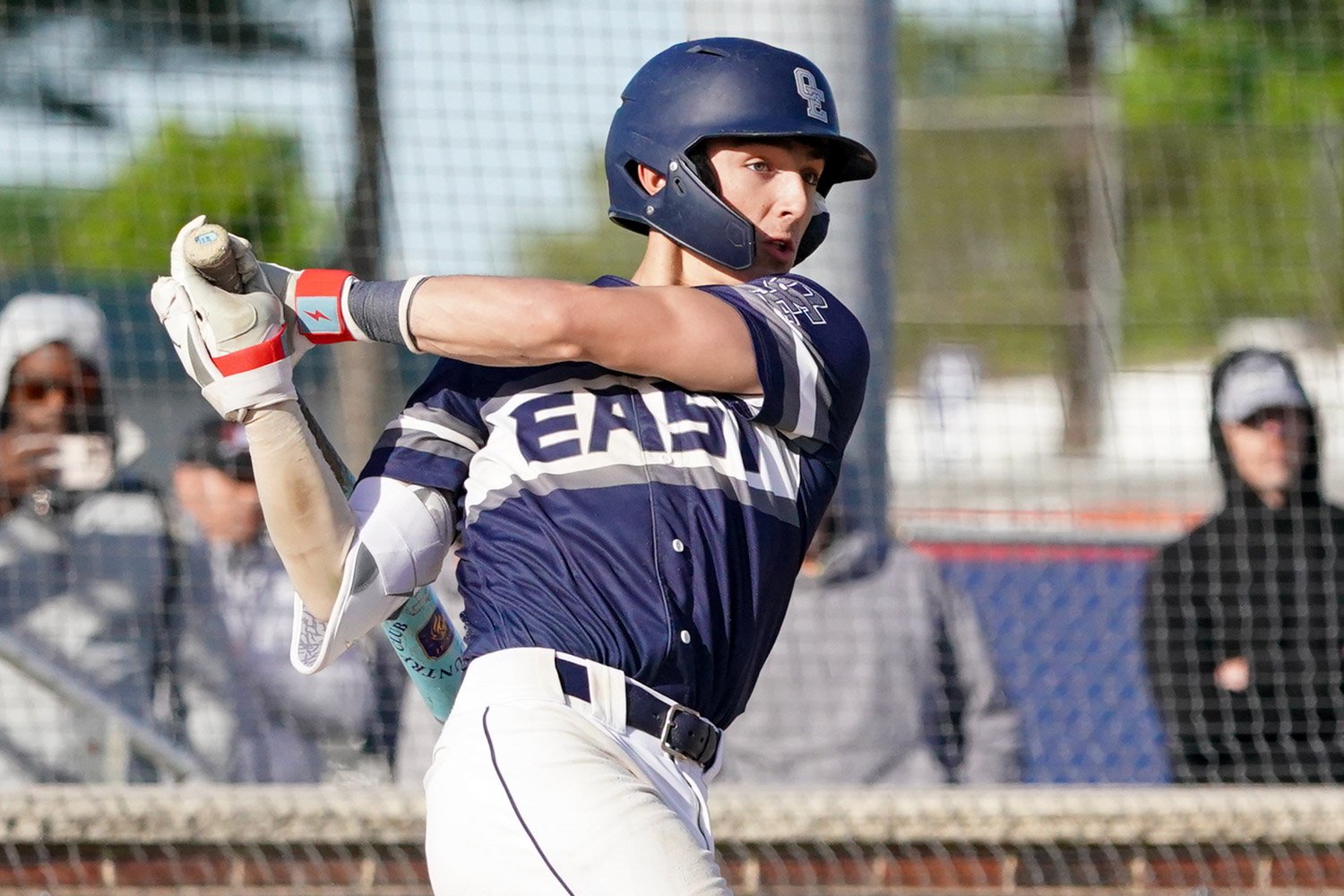 In the fourth round, the Kansas City Royals selected Dominic Battista, an outfielder from Oswego East High School in Illinois. Selected 119th overall, Battista is committed to the University of Illinois-Chicago. Battista missed some time due to a hamate injury, but he's been widely hailed by scouts for his toolsy and athletic profile. Here's what Prep Baseball said about him back in a write-up last August. Battista will be a project of sorts, as he is currently 18 and won't turn 19 until October. Prep Baseball ranked him the 6th-best player in Illinois and the best outfielder in the state as well. The Royals are now done for the first round, having made all four of their picks. A complete review of Day 1 of the MLB Draft will be posted on Royals Keep later this evening.
 -
Maxx Yehl thrived out of West Virginia's bullpen as a 2023 freshman and again in 2024, but Tommy John surgery cost him 2025. Back in 2026, the 6-foot-6 lefty seized his first shot at starting, became the Friday night ace, won Big 12 Pitcher of the Year, and clinched the Mountaineers' first College World Series berth. Yehl is known for his durability post-injury, having thrown a 124-pitch complete game against the University of Kansas on May 8th. His fastball has hit 96-97 mph, backed by an above-average slider up to 87. Late-season fatigue is understandable post-surgery. A strong strike-thrower and competitor with limited starting experience, he could stick in a rotation—or fall back on his fastball-slider combo in relief. View full rumor
-
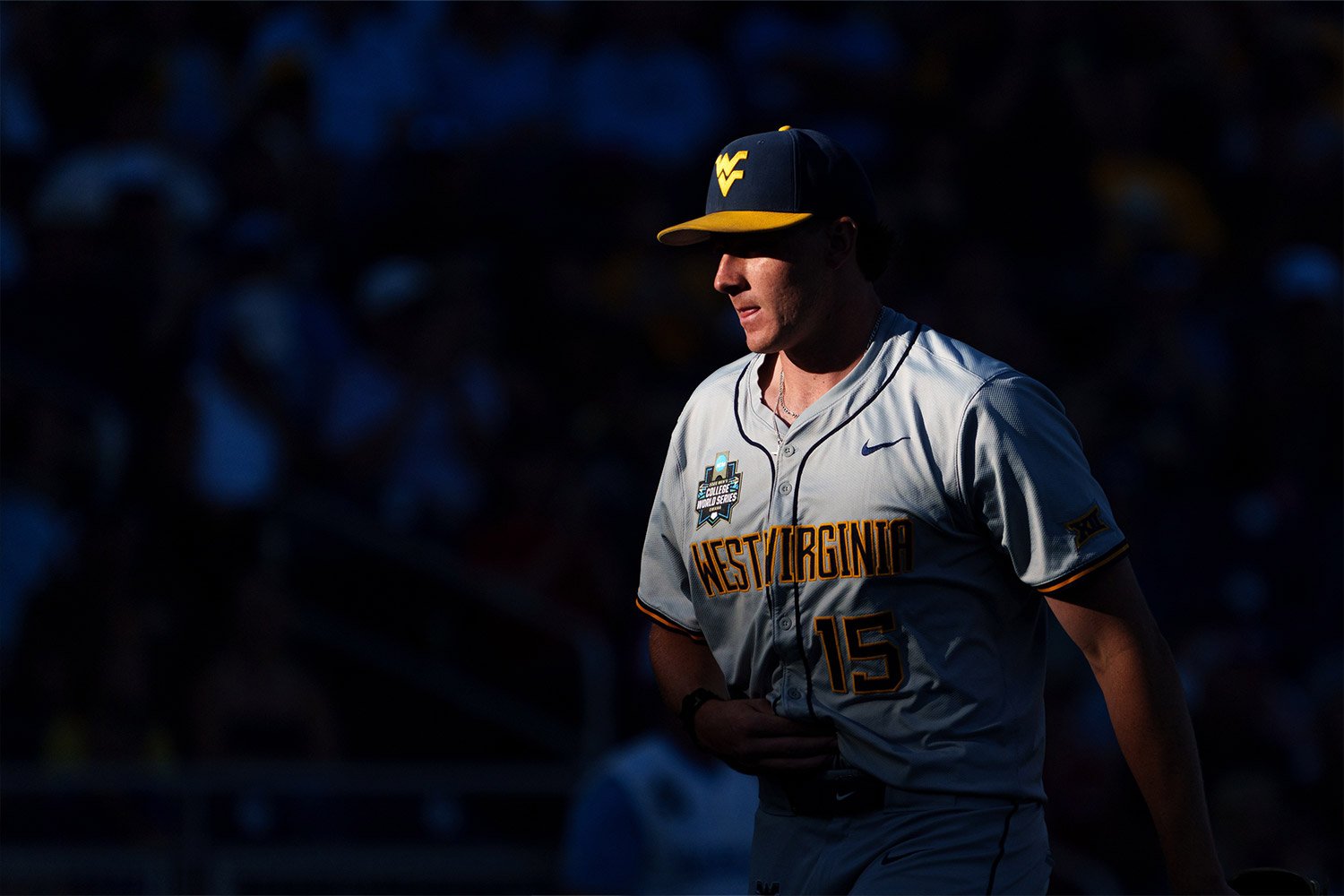 Maxx Yehl thrived out of West Virginia's bullpen as a 2023 freshman and again in 2024, but Tommy John surgery cost him 2025. Back in 2026, the 6-foot-6 lefty seized his first shot at starting, became the Friday night ace, won Big 12 Pitcher of the Year, and clinched the Mountaineers' first College World Series berth. Yehl is known for his durability post-injury, having thrown a 124-pitch complete game against the University of Kansas on May 8th. His fastball has hit 96-97 mph, backed by an above-average slider up to 87. Late-season fatigue is understandable post-surgery. A strong strike-thrower and competitor with limited starting experience, he could stick in a rotation—or fall back on his fastball-slider combo in relief.
 -
Image courtesy of © Scott Utterback/Courier Journal / USA TODAY NETWORK via Imagn Images The Royals bucked the experts and selected Zion Rose with the sixth overall selection in the 2026 MLB Draft. Rose was ranked No. 30 by MLB Pipeline and ranged in the 15-25 range by most experts, including Baseball America and Overslot.com. Rose was a highly regarded catching prospect out of IMG Academy, transferring there as a senior after initially playing for Brother Rice High School in Chicago for his first three years. Rose, a Chicago-area product, was part of the MLB Develops program as a youth player. Famous MLB Develops alums include Michael Harris II, Taj Bradley, and Lawrence Butler. Since arriving on campus at Louisville, he's transitioned to a full-time role in the outfield. Rose slid a little early in the season due to missed time with injuries, but has since returned to his typical, productive self. At the plate, Rose has a direct right-handed swing with strong bat-to-ball skills. He is particularly adept at making out-of-zone contact, possibly a dangerous combination for him, as it's paired with a higher chase rate than you'd like to see. Rose has above-average power, too, backed by good bat speed. There's an opportunity to get into this more in-game, as he doesn't yet pull the ball much in the air. Defensively, it's likely a corner outfield spot, though some believe with his instincts and athleticism he could see some time in center field. How he develops defensively when he breaks into professional ball will determine his ultimate outlook in the outfield. That said, Scouting Director Brian Bridges raved about his makeup and coachability, which makes a move to center field not entirely out of the question. Rose has above-average speed and stole 31 bases in 2025 and 24 bases in 2026. In 36 games in 2026, Rose managed a .417/.491/.646 line with 6 home runs (20 XBH), an 11% walk rate, an 8.7 K%, and a 147 wRC+. View full article
-
With The 6th Overall Pick, The Royals Surprise & Select Zion Rose
Kevin O'Brien posted an article in MLB Draft
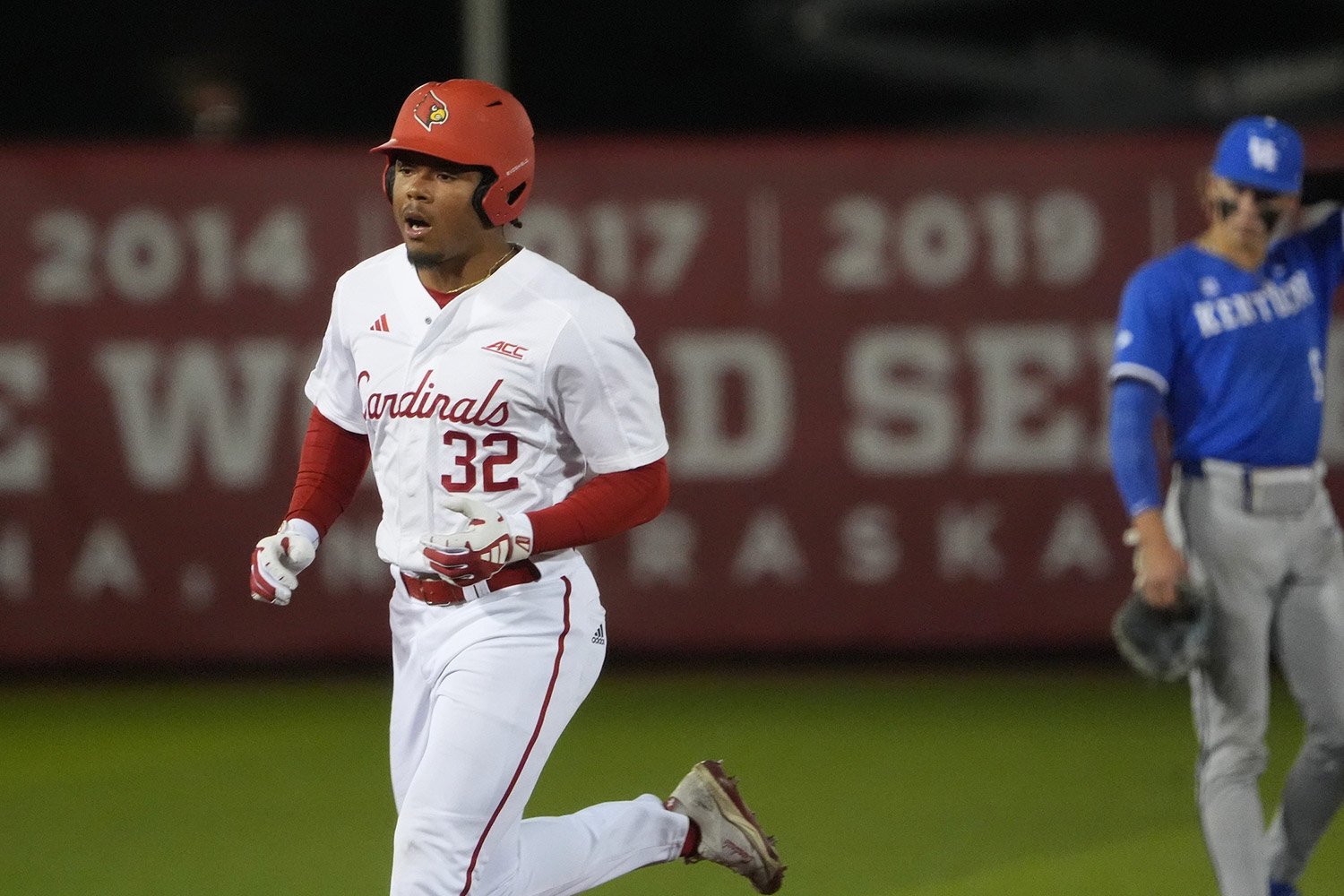 The Royals bucked the experts and selected Zion Rose with the sixth overall selection in the 2026 MLB Draft. Rose was ranked No. 30 by MLB Pipeline and ranged in the 15-25 range by most experts, including Baseball America and Overslot.com. Rose was a highly regarded catching prospect out of IMG Academy, transferring there as a senior after initially playing for Brother Rice High School in Chicago for his first three years. Rose, a Chicago-area product, was part of the MLB Develops program as a youth player. Famous MLB Develops alums include Michael Harris II, Taj Bradley, and Lawrence Butler. Since arriving on campus at Louisville, he's transitioned to a full-time role in the outfield. Rose slid a little early in the season due to missed time with injuries, but has since returned to his typical, productive self. At the plate, Rose has a direct right-handed swing with strong bat-to-ball skills. He is particularly adept at making out-of-zone contact, possibly a dangerous combination for him, as it's paired with a higher chase rate than you'd like to see. Rose has above-average power, too, backed by good bat speed. There's an opportunity to get into this more in-game, as he doesn't yet pull the ball much in the air. Defensively, it's likely a corner outfield spot, though some believe with his instincts and athleticism he could see some time in center field. How he develops defensively when he breaks into professional ball will determine his ultimate outlook in the outfield. That said, Scouting Director Brian Bridges raved about his makeup and coachability, which makes a move to center field not entirely out of the question. Rose has above-average speed and stole 31 bases in 2025 and 24 bases in 2026. In 36 games in 2026, Rose managed a .417/.491/.646 line with 6 home runs (20 XBH), an 11% walk rate, an 8.7 K%, and a 147 wRC+.
 -
Kansas City Royals 2026 MLB Draft Day 1 Thread
Kevin O'Brien replied to Kevin O'Brien's topic in Royals Minor League Talk
I think my preference is: Flora, Booth, and Burress. Don't love Lombard, but would be happy with him. Believe all those guys could have a major impact on the Royals roster, with Flora and Burress being the ones to do so the quickest. -
Image courtesy of Brett Davis-Imagn Images Welcome to Royals Keep's coverage of the 2026 MLB Draft! Here you can follow all of the day’s events and join in on the conversation surrounding the newest Kansas City Royals. This year’s draft will once again consist of 20 rounds. The first four rounds will take place on Saturday, July 11th. The 5th-20th rounds will take place on Sunday, July 12th. Here's what TV coverage will be like for the MLB Draft, as it is different from years past. • 12:00-1:30 p.m. CST - Preview show + Picks 1-10 (NBC/Peacock) • 1:30-3:30 p.m. CST - Picks 11-40 (MLB Network, MLB.com, MLB.TV, MLB+) • 3:30-6:45 p.m. CST - Picks 41-135 (MLB.com, MLB.TV, MLB+) The Royals have five picks on day one of the draft: No. 6 (1st round), No. 30 (Competitive Balance A), No. 56 (2nd round), No. 91 (3rd round), and No. 119 (4th round). Kansas City has a bonus pool of $15,954,000 to divide amongst their picks. That is the seventh-highest bonus pool in this year's draft. We're excited to show off the Royals Draft Tracker, which will be kept up to date not only during the draft but throughout the entire signing period. So keep coming back for updates! The draft is a busy, fast-paced event, and we’ll be updating articles and providing scouting reports on the Royals' picks as things happen, so stay tuned and feel free to share your thoughts in the comments! View full article
-
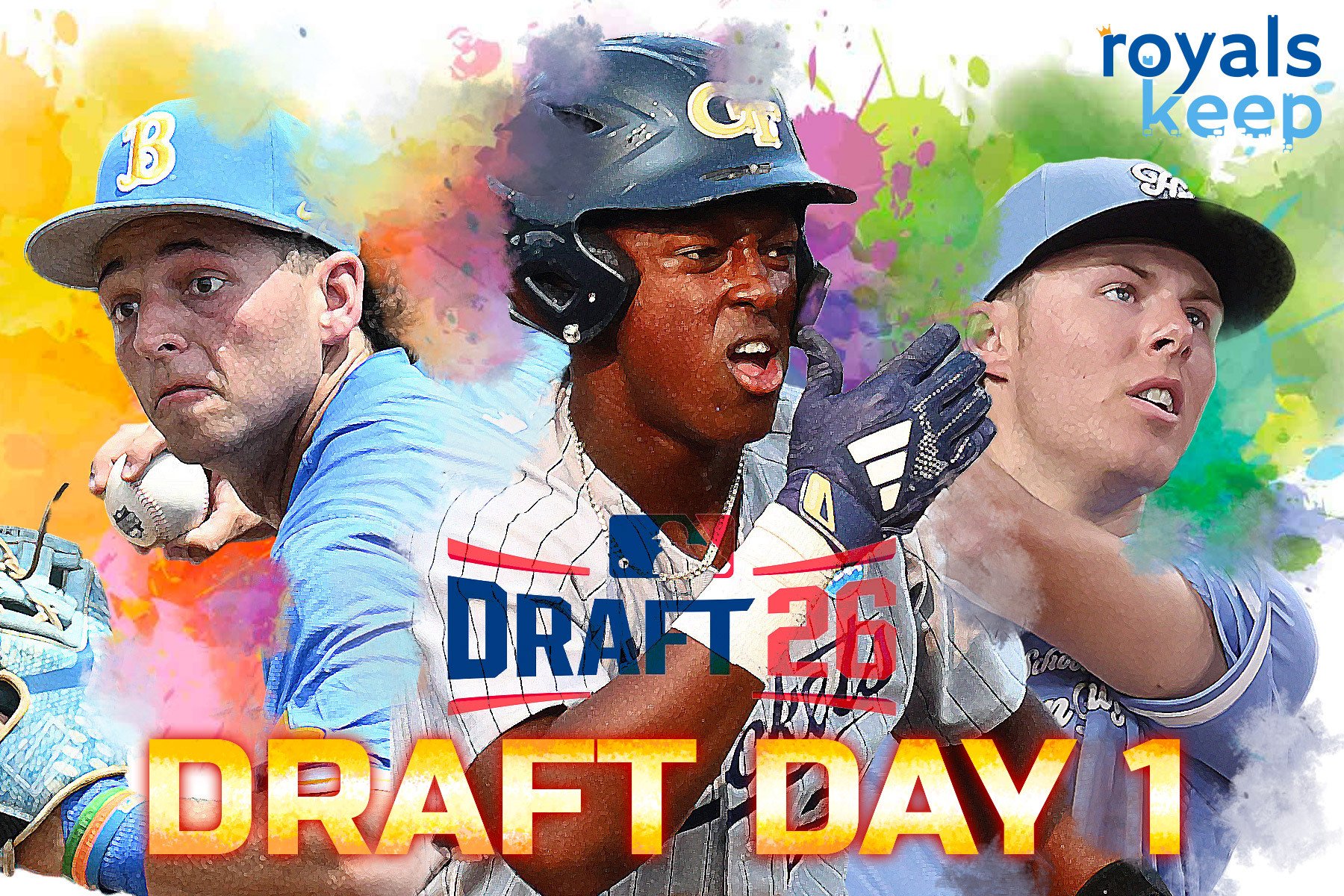 Welcome to Royals Keep's coverage of the 2026 MLB Draft! Here you can follow all of the day’s events and join in on the conversation surrounding the newest Kansas City Royals. This year’s draft will once again consist of 20 rounds. The first four rounds will take place on Saturday, July 11th. The 5th-20th rounds will take place on Sunday, July 12th. Here's what TV coverage will be like for the MLB Draft, as it is different from years past. • 12:00-1:30 p.m. CST - Preview show + Picks 1-10 (NBC/Peacock) • 1:30-3:30 p.m. CST - Picks 11-40 (MLB Network, MLB.com, MLB.TV, MLB+) • 3:30-6:45 p.m. CST - Picks 41-135 (MLB.com, MLB.TV, MLB+) The Royals have five picks on day one of the draft: No. 6 (1st round), No. 30 (Competitive Balance A), No. 56 (2nd round), No. 91 (3rd round), and No. 119 (4th round). Kansas City has a bonus pool of $15,954,000 to divide amongst their picks. That is the seventh-highest bonus pool in this year's draft. We're excited to show off the Royals Draft Tracker, which will be kept up to date not only during the draft but throughout the entire signing period. So keep coming back for updates! The draft is a busy, fast-paced event, and we’ll be updating articles and providing scouting reports on the Royals' picks as things happen, so stay tuned and feel free to share your thoughts in the comments!
 -
John Rave hit a ninth-inning grand slam to lift Omaha past Louisville, 6-4, while Felix Arronde earned his fourth win as Northwest Arkansas rolled past Wichita, 8-1. Kamden Edge struck out four in relief, but Quad Cities fell to Peoria, 6-3, despite Nolan Sailors' three-hit night. Columbia scored five runs in the first inning, and Henson Leal threw 3 1/3 hitless innings, but the Fireflies dropped a 9-8 decision to Salem. Royals Transactions No Roster Moves Rave's Ninth-Inning Grand Slam Lifts Omaha Past Louisville The Omaha Storm Chasers trailed by two runs entering the ninth inning in Louisville, and Rave erased the deficit with one swing. The Omaha outfielder, just recently optioned back to Triple-A from Kansas City, hit a grand slam, his 11th home run of the season, to cap a four-run ninth and lift Omaha to a 6-4 win over the Bats. The rally began with a Luca Tresh single and a Drew Waters double. After a strikeout, Rudy Martin Jr. walked to load the bases, and Rave drove a pitch to center field to put Omaha ahead. Rave finished 3-for-5 with four RBI. He was Omaha's top offensive performer on Friday night. Bailey Falter started for Omaha and pitched five innings, allowing two runs on six hits while walking one and striking out one. Louisville scored on an RBI single in the second and a sacrifice fly in the third. The Bats took the lead in the seventh. Against Scott Barlow, a bunt single and a line-drive single put two runners on, and a wild pitch scored a run during a walk. A force-out by Genesis Cabrera brought home another run, making it 4-2. Cabrera and Dan Altavilla held Louisville there, and Altavilla struck out two over the final 1 2/3 innings. Peyton Wilson tied the game at 2-2 in the fourth with a two-run double that scored Abraham Toro and Gavin Cross. Cross went 2-for-5 with a double, and Tresh added two hits. The Storm Chasers left eight runners on base and went 3-for-13 with runners in scoring position. They improved their record to 39-51 after the win. Player AB R H RBI BB K Rudy Martin Jr. 3 1 1 0 1 0 John Rave 5 1 3 4 0 1 Brett Squires 5 0 1 0 0 0 Abraham Toro 3 1 0 0 2 1 Gavin Cross 5 1 2 0 0 1 Peyton Wilson 4 0 1 2 0 1 Luca Tresh 4 1 2 0 0 0 Drew Waters 4 1 1 0 0 2 Andrew Velazquez 4 0 1 0 0 1 Player IP H R ER BB K HR Bailey Falter 5 6 2 2 1 1 0 Scott Barlow 1 3 2 2 1 1 0 Genesis Cabrera 1 1/3 0 0 0 1 1 0 Dan Altavilla 1 2/3 0 0 0 0 2 0 Arronde Earns Fourth Win As Naturals Roll Past Wichita Arronde worked around traffic, and the Northwest Arkansas offense broke the game open late in an 8-1 win over the Wichita Wind Surge. The Royals' No. 14 prospect pitched 5 1/3 innings, allowing one run on five hits while walking four and striking out four to earn his fourth win of the season. Northwest Arkansas built an early lead. Spencer Nivens singled home Jack Pineda in the first, Alberto Rodriguez added an RBI groundout in the second, and Pineda doubled in the fifth before coming around to score on a wild pitch. The Naturals put the game away with five runs in the seventh. Pineda tripled and scored on a single by Nivens, Jorge Alfaro followed with a two-run single, and after a pair of walks, Canyon Brown capped the inning with a two-run single of his own to make it 8-1. Pineda finished 3-for-5 with a double, a triple, and three runs scored. Nivens went 3-for-5 with two RBI and a stolen base, and Colton Becker reached base five times, going 2-for-2 with three walks, a double, and a stolen base. Wichita's only run came in the sixth on an RBI single against Arronde. Brandon Johnson followed with 2 2/3 hitless innings, striking out two, and Tommy Molsky needed just six pitches for a scoreless ninth. The Naturals stranded 10 runners and went 4-for-17 with runners in scoring position. It was Northwest Arkansas' third-straight win, improving their record to 35-48. Player AB R H RBI BB K Carson Roccaforte 5 0 0 0 0 0 Jack Pineda 5 3 3 0 0 0 Sam Kulasingam 3 1 0 0 2 1 Spencer Nivens 5 1 3 2 0 0 Jorge Alfaro 4 1 1 2 0 1 Colton Becker 2 2 2 0 3 0 Omar Hernandez 5 0 0 0 0 2 Alberto Rodriguez 4 0 0 1 1 2 Canyon Brown 5 0 1 2 0 1 Player IP H R ER BB K HR Felix Arronde 5 1/3 5 1 1 4 4 0 Brandon Johnson 2 2/3 0 0 0 0 2 0 Tommy Molsky 1 0 0 0 0 0 0 Sailors Homers But River Bandits Fall To Peoria Derlin Figueroa and Sailors homered, but the Quad Cities River Bandits dropped a 6-3 decision to the Peoria Chiefs at home. Figueroa gave the River Bandits a 1-0 lead in the second with his 17th home run of the season, a solo shot to center field. He finished 2-for-4. Tanner Jones started and pitched five innings, allowing four runs on nine hits with no walks and three strikeouts. Peoria broke through with three runs in the fifth on back-to-back doubles, a triple, and an RBI single, then added a run in the sixth on a sacrifice fly after Jones left with a runner at second base. Peoria added two more in the eighth, a solo home run charged to Mason Miller and an RBI single that scored an inherited runner. Edge, the Royals' No. 19 prospect at Royals Keep, was a bright spot out of the bullpen, striking out four of the five batters he faced across 1 1/3 innings, including striking out the side in the ninth. Sailors kept Quad Cities in the game with a two-run home run, his third, in the eighth, scoring No. 9 prospect Asbel Gonzalez and cutting the deficit to 6-3. Sailors finished 3-for-4 with a double, and No. 4 prospect Blake Mitchell went 2-for-4 with a stolen base. Gonzalez tripled, walked, and scored. Unfortunately, the River Bandits struck out 12 times, went 0-for-7 with runners in scoring position, and stranded seven runners. The River Bandits' win streak was snapped, and they are now back under .500 at 40-41. Player AB R H RBI BB K Asbel Gonzalez 3 1 1 0 1 1 Nolan Sailors 4 1 3 2 0 1 Blake Mitchell 4 0 2 0 0 1 Luke Pelzer 4 0 0 0 0 3 Derlin Figueroa 4 1 2 1 0 2 Tyriq Kemp 4 0 0 0 0 0 Erick Torres 4 0 0 0 0 1 Trevor Werner 4 0 0 0 0 3 Angel Acosta 4 0 2 0 0 0 Player IP H R ER BB K HR Tanner Jones 5 9 4 4 0 3 0 Mason Miller 2 2/3 1 2 2 3 1 1 Kamden Edge 1 1/3 1 0 0 0 4 0 Fireflies' Five-Run First Wasted In 9-8 Loss To Salem The Columbia Fireflies scored five runs in the first inning, but the Salem RidgeYaks answered with seven unanswered runs across the fourth and fifth innings, and Columbia's late comeback fell one run short in a 9-8 loss. Salem opened the game with two solo home runs against Michael Lombardi, and Columbia responded immediately. Henry Ramos and No. 5 prospect Sean Gamble singled, No. 3 prospect Josh Hammond walked, and JC Vanek was hit by a pitch, forcing in a run. Roni Cabrera drew a bases-loaded walk, Connor Rasmussen added an RBI single, Angel Ramirez lifted a sacrifice fly, and Cabrera stole home to make it 5-2. Lombardi, the Royals' No. 11 prospect, pitched 4 1/3 innings, allowing four runs on four hits, including three home runs, while walking four and striking out four. A two-run homer in the fourth cut the lead to 5-4, and Salem scored five in the fifth, all charged to Hunter Alberini, on a double, four singles, a hit by pitch, and a walk to take a 9-5 lead. Leal kept Columbia in the game with 3 1/3 hitless innings on the mound, striking out two. The Fireflies got two runs back in the sixth on a Vanek RBI single and a Stone Russell sacrifice fly, and Ramirez scored from second base on a wild pitch in the seventh to make it 9-8. Unfortunately, they could not complete the comeback. Ramos went 3-for-4 with two walks, two runs, and a stolen base, and Rasmussen finished 3-for-5 with an RBI. Columbia went 2-for-18 with runners in scoring position, stranded 12 runners, and struck out 15 times. The Fireflies fell to under .500 with the loss and are now 42-43 this season. Player AB R H RBI BB K Henry Ramos 4 2 3 0 2 1 Sean Gamble 5 2 1 0 0 3 Josh Hammond 3 1 1 0 2 0 JC Vanek 4 1 1 2 0 2 Stone Russell 3 0 0 1 1 2 Roni Cabrera 3 1 1 1 2 2 Connor Rasmussen 5 0 3 1 0 1 Yandel Ricardo 0 0 0 0 0 0 Angel Ramirez 3 1 0 1 0 2 Gabriel Silva 5 0 0 0 0 2 Player IP H R ER BB K HR Michael Lombardi 4 1/3 4 4 4 4 4 3 Hunter Alberini 1/3 5 5 5 1 0 0 Henson Leal 3 1/3 0 0 0 1 2 0 Dash Albus 1 1 0 0 0 1 0 Top-20 Prospect Performance Kendry Chourio: DNP David Shields: DNP Josh Hammond: 1-for-3, 2 BB, R Blake Mitchell: 2-for-4, K, SB Sean Gamble: 1-for-5, 2 R, 3 K Ramon Ramirez: DNP Drew Beam: DNP Carson Roccaforte: 0-for-5 Asbel Gonzalez: 1-for-3, 3B, BB, R, K Yandel Ricardo: 0-for-0 Michael Lombardi: 4 1/3 IP, 4 H, 4 R, 4 BB, 4 K, 3 HR Ben Kudrna: DNP Justin Lamkin: DNP Felix Arronde: 5 1/3 IP, 5 H, 1 R, 4 BB, 4 K Blake Wolters: DNP Steven Zobac: DNP Austin Charles: DNP Daniel Vazquez: DNP Kamden Edge: 1 1/3 IP, 1 H, 0 R, 0 BB, 4 K Warren Calcano: DNP View full article
-
 John Rave hit a ninth-inning grand slam to lift Omaha past Louisville, 6-4, while Felix Arronde earned his fourth win as Northwest Arkansas rolled past Wichita, 8-1. Kamden Edge struck out four in relief, but Quad Cities fell to Peoria, 6-3, despite Nolan Sailors' three-hit night. Columbia scored five runs in the first inning, and Henson Leal threw 3 1/3 hitless innings, but the Fireflies dropped a 9-8 decision to Salem. Royals Transactions No Roster Moves Rave's Ninth-Inning Grand Slam Lifts Omaha Past Louisville The Omaha Storm Chasers trailed by two runs entering the ninth inning in Louisville, and Rave erased the deficit with one swing. The Omaha outfielder, just recently optioned back to Triple-A from Kansas City, hit a grand slam, his 11th home run of the season, to cap a four-run ninth and lift Omaha to a 6-4 win over the Bats. The rally began with a Luca Tresh single and a Drew Waters double. After a strikeout, Rudy Martin Jr. walked to load the bases, and Rave drove a pitch to center field to put Omaha ahead. Rave finished 3-for-5 with four RBI. He was Omaha's top offensive performer on Friday night. Bailey Falter started for Omaha and pitched five innings, allowing two runs on six hits while walking one and striking out one. Louisville scored on an RBI single in the second and a sacrifice fly in the third. The Bats took the lead in the seventh. Against Scott Barlow, a bunt single and a line-drive single put two runners on, and a wild pitch scored a run during a walk. A force-out by Genesis Cabrera brought home another run, making it 4-2. Cabrera and Dan Altavilla held Louisville there, and Altavilla struck out two over the final 1 2/3 innings. Peyton Wilson tied the game at 2-2 in the fourth with a two-run double that scored Abraham Toro and Gavin Cross. Cross went 2-for-5 with a double, and Tresh added two hits. The Storm Chasers left eight runners on base and went 3-for-13 with runners in scoring position. They improved their record to 39-51 after the win. Player AB R H RBI BB K Rudy Martin Jr. 3 1 1 0 1 0 John Rave 5 1 3 4 0 1 Brett Squires 5 0 1 0 0 0 Abraham Toro 3 1 0 0 2 1 Gavin Cross 5 1 2 0 0 1 Peyton Wilson 4 0 1 2 0 1 Luca Tresh 4 1 2 0 0 0 Drew Waters 4 1 1 0 0 2 Andrew Velazquez 4 0 1 0 0 1 Player IP H R ER BB K HR Bailey Falter 5 6 2 2 1 1 0 Scott Barlow 1 3 2 2 1 1 0 Genesis Cabrera 1 1/3 0 0 0 1 1 0 Dan Altavilla 1 2/3 0 0 0 0 2 0 Arronde Earns Fourth Win As Naturals Roll Past Wichita Arronde worked around traffic, and the Northwest Arkansas offense broke the game open late in an 8-1 win over the Wichita Wind Surge. The Royals' No. 14 prospect pitched 5 1/3 innings, allowing one run on five hits while walking four and striking out four to earn his fourth win of the season. Northwest Arkansas built an early lead. Spencer Nivens singled home Jack Pineda in the first, Alberto Rodriguez added an RBI groundout in the second, and Pineda doubled in the fifth before coming around to score on a wild pitch. The Naturals put the game away with five runs in the seventh. Pineda tripled and scored on a single by Nivens, Jorge Alfaro followed with a two-run single, and after a pair of walks, Canyon Brown capped the inning with a two-run single of his own to make it 8-1. Pineda finished 3-for-5 with a double, a triple, and three runs scored. Nivens went 3-for-5 with two RBI and a stolen base, and Colton Becker reached base five times, going 2-for-2 with three walks, a double, and a stolen base. Wichita's only run came in the sixth on an RBI single against Arronde. Brandon Johnson followed with 2 2/3 hitless innings, striking out two, and Tommy Molsky needed just six pitches for a scoreless ninth. The Naturals stranded 10 runners and went 4-for-17 with runners in scoring position. It was Northwest Arkansas' third-straight win, improving their record to 35-48. Player AB R H RBI BB K Carson Roccaforte 5 0 0 0 0 0 Jack Pineda 5 3 3 0 0 0 Sam Kulasingam 3 1 0 0 2 1 Spencer Nivens 5 1 3 2 0 0 Jorge Alfaro 4 1 1 2 0 1 Colton Becker 2 2 2 0 3 0 Omar Hernandez 5 0 0 0 0 2 Alberto Rodriguez 4 0 0 1 1 2 Canyon Brown 5 0 1 2 0 1 Player IP H R ER BB K HR Felix Arronde 5 1/3 5 1 1 4 4 0 Brandon Johnson 2 2/3 0 0 0 0 2 0 Tommy Molsky 1 0 0 0 0 0 0 Sailors Homers But River Bandits Fall To Peoria Derlin Figueroa and Sailors homered, but the Quad Cities River Bandits dropped a 6-3 decision to the Peoria Chiefs at home. Figueroa gave the River Bandits a 1-0 lead in the second with his 17th home run of the season, a solo shot to center field. He finished 2-for-4. Tanner Jones started and pitched five innings, allowing four runs on nine hits with no walks and three strikeouts. Peoria broke through with three runs in the fifth on back-to-back doubles, a triple, and an RBI single, then added a run in the sixth on a sacrifice fly after Jones left with a runner at second base. Peoria added two more in the eighth, a solo home run charged to Mason Miller and an RBI single that scored an inherited runner. Edge, the Royals' No. 19 prospect at Royals Keep, was a bright spot out of the bullpen, striking out four of the five batters he faced across 1 1/3 innings, including striking out the side in the ninth. Sailors kept Quad Cities in the game with a two-run home run, his third, in the eighth, scoring No. 9 prospect Asbel Gonzalez and cutting the deficit to 6-3. Sailors finished 3-for-4 with a double, and No. 4 prospect Blake Mitchell went 2-for-4 with a stolen base. Gonzalez tripled, walked, and scored. Unfortunately, the River Bandits struck out 12 times, went 0-for-7 with runners in scoring position, and stranded seven runners. The River Bandits' win streak was snapped, and they are now back under .500 at 40-41. Player AB R H RBI BB K Asbel Gonzalez 3 1 1 0 1 1 Nolan Sailors 4 1 3 2 0 1 Blake Mitchell 4 0 2 0 0 1 Luke Pelzer 4 0 0 0 0 3 Derlin Figueroa 4 1 2 1 0 2 Tyriq Kemp 4 0 0 0 0 0 Erick Torres 4 0 0 0 0 1 Trevor Werner 4 0 0 0 0 3 Angel Acosta 4 0 2 0 0 0 Player IP H R ER BB K HR Tanner Jones 5 9 4 4 0 3 0 Mason Miller 2 2/3 1 2 2 3 1 1 Kamden Edge 1 1/3 1 0 0 0 4 0 Fireflies' Five-Run First Wasted In 9-8 Loss To Salem The Columbia Fireflies scored five runs in the first inning, but the Salem RidgeYaks answered with seven unanswered runs across the fourth and fifth innings, and Columbia's late comeback fell one run short in a 9-8 loss. Salem opened the game with two solo home runs against Michael Lombardi, and Columbia responded immediately. Henry Ramos and No. 5 prospect Sean Gamble singled, No. 3 prospect Josh Hammond walked, and JC Vanek was hit by a pitch, forcing in a run. Roni Cabrera drew a bases-loaded walk, Connor Rasmussen added an RBI single, Angel Ramirez lifted a sacrifice fly, and Cabrera stole home to make it 5-2. Lombardi, the Royals' No. 11 prospect, pitched 4 1/3 innings, allowing four runs on four hits, including three home runs, while walking four and striking out four. A two-run homer in the fourth cut the lead to 5-4, and Salem scored five in the fifth, all charged to Hunter Alberini, on a double, four singles, a hit by pitch, and a walk to take a 9-5 lead. Leal kept Columbia in the game with 3 1/3 hitless innings on the mound, striking out two. The Fireflies got two runs back in the sixth on a Vanek RBI single and a Stone Russell sacrifice fly, and Ramirez scored from second base on a wild pitch in the seventh to make it 9-8. Unfortunately, they could not complete the comeback. Ramos went 3-for-4 with two walks, two runs, and a stolen base, and Rasmussen finished 3-for-5 with an RBI. Columbia went 2-for-18 with runners in scoring position, stranded 12 runners, and struck out 15 times. The Fireflies fell to under .500 with the loss and are now 42-43 this season. Player AB R H RBI BB K Henry Ramos 4 2 3 0 2 1 Sean Gamble 5 2 1 0 0 3 Josh Hammond 3 1 1 0 2 0 JC Vanek 4 1 1 2 0 2 Stone Russell 3 0 0 1 1 2 Roni Cabrera 3 1 1 1 2 2 Connor Rasmussen 5 0 3 1 0 1 Yandel Ricardo 0 0 0 0 0 0 Angel Ramirez 3 1 0 1 0 2 Gabriel Silva 5 0 0 0 0 2 Player IP H R ER BB K HR Michael Lombardi 4 1/3 4 4 4 4 4 3 Hunter Alberini 1/3 5 5 5 1 0 0 Henson Leal 3 1/3 0 0 0 1 2 0 Dash Albus 1 1 0 0 0 1 0 Top-20 Prospect Performance Kendry Chourio: DNP David Shields: DNP Josh Hammond: 1-for-3, 2 BB, R Blake Mitchell: 2-for-4, K, SB Sean Gamble: 1-for-5, 2 R, 3 K Ramon Ramirez: DNP Drew Beam: DNP Carson Roccaforte: 0-for-5 Asbel Gonzalez: 1-for-3, 3B, BB, R, K Yandel Ricardo: 0-for-0 Michael Lombardi: 4 1/3 IP, 4 H, 4 R, 4 BB, 4 K, 3 HR Ben Kudrna: DNP Justin Lamkin: DNP Felix Arronde: 5 1/3 IP, 5 H, 1 R, 4 BB, 4 K Blake Wolters: DNP Steven Zobac: DNP Austin Charles: DNP Daniel Vazquez: DNP Kamden Edge: 1 1/3 IP, 1 H, 0 R, 0 BB, 4 K Warren Calcano: DNP
 -
The Royals' system went 3-for-4 on Thursday. Carson Roccaforte homered and drove in three as Northwest Arkansas rolled, with Hunter Patteson earning the win over five innings. Blake Wolters picked up the win behind Quad Cities' 18-run outburst, powered by Blake Mitchell and Ramon Ramirez. Jose Gutierrez earned the win as Hyungchan Um drove in four runs for Columbia. Brett Squires homered, but Omaha fell at Louisville. Sam Kulasingam added a home run for Northwest Arkansas. Royals Transactions No Roster Moves Storm Chasers Rally Falls Short In 11-7 Loss At Louisville The Omaha Storm Chasers erased a four-run deficit with a five-run fourth inning, but the Louisville Bats regained the lead an inning later and pulled away for an 11-7 win on Thursday. Trailing 4-0 in the fourth, Omaha put together its biggest inning of the night. With one out, Vinnie Pasquantino singled, Matthew Lugo doubled, and Squires followed with a three-run home run, his 11th of the season, to pull the Storm Chasers within 4-3. Abraham Toro singled later in the inning, Elih Marrero doubled, and Andrew Velazquez drove both home with a two-run single, giving Omaha a 5-4 lead. The lead did not last. Louisville tied the game in the bottom of the fourth on a double, then scored three runs in the fifth on a forceout, a bases-loaded hit by pitch, and a sacrifice fly. The Bats added three more in the eighth on three consecutive run-scoring singles. Starter Ryan Ramsey struggled with his command, allowing five runs on three hits and five walks, with four strikeouts, over 3 1/3 innings. Oscar Rayo took the loss, allowing three runs in 2 2/3 innings. Squires finished 2-for-5 with three RBIs. Marrero went 2-for-5 with a double and drove in a run in the eighth, and Brandon Drury added an RBI single in the ninth. Omaha left 10 runners on base and went 5-for-15 with runners in scoring position. The Storm Chasers are now 38-51. Player AB R H RBI BB K Rudy Martin Jr. 4 0 2 0 1 1 Gavin Cross 5 0 2 0 0 0 Vinnie Pasquantino 5 1 2 0 0 2 Peyton Wilson 0 1 0 0 0 0 Matthew Lugo 3 1 1 0 2 1 Brett Squires 5 1 2 3 0 2 Abraham Toro 5 2 1 0 0 0 Brandon Drury 5 0 1 1 0 1 Elih Marrero 5 1 2 1 0 1 Andrew Velazquez 3 0 1 2 1 0 Player IP H R ER BB K HR Ryan Ramsey 3 1/3 3 5 5 5 4 0 Oscar Rayo 2 2/3 4 3 3 2 2 0 Andrew Pérez 2 5 3 3 1 4 0 Roccaforte's Three-Run Homer Powers Naturals Past Wichita, 13-6 The Northwest Arkansas Naturals jumped on the Wichita Wind Surge early and never trailed, rolling to a 13-6 win behind a five-run fourth inning on Thursday. Northwest Arkansas scored three times in the first. Roccaforte, the Royals' No. 8 prospect at Royals Keep, walked to open the game. Later, Sam Kulasingam doubled him home, Spencer Nivens singled in Kulasingam, and Daniel Vazquez, the Royals' No. 18 prospect, added an RBI single. Canyon Brown made it 4-0 with a solo home run in the second. The Naturals broke the game open in the fourth. Alberto Rodriguez doubled and scored on a double by Brown, a pitch hit Justin Johnson, and Roccaforte hit a three-run home run, his 17th of the season. Kulasingam followed two batters later with a solo homer, his seventh, to make it 9-1. Roccaforte finished 1-for-3 with three runs scored, three RBIs, two walks, and a stolen base. Kulasingam went 2-for-3 with two walks, and Brown went 3-for-5 with three runs scored and two stolen bases. Patteson earned the win, allowing two runs on five hits with three walks and three strikeouts over five innings. Frank Mozzicato allowed two runs in one inning of relief, and Augusto Mendieta threw two scoreless innings. The Naturals tacked on two in the sixth, when Brown came home on a catcher's error during a single by Jack Pineda, and Roccaforte scored on a sacrifice fly by Nivens. Jorge Alfaro tripled in a run in the ninth, and Vazquez singled him home. Northwest Arkansas left only four runners on base and went an eye-popping 8-for-10 with runners in scoring position. The Naturals improved to 34-48 after the victory, their second straight. Player AB R H RBI BB K Carson Roccaforte 3 3 1 3 2 1 Jack Pineda 5 0 1 0 0 0 Sam Kulasingam 3 3 2 2 2 0 Spencer Nivens 4 1 1 2 0 0 Jorge Alfaro 5 1 1 1 0 2 Daniel Vazquez 5 0 2 2 0 1 Alberto Rodriguez 5 1 1 0 0 3 Canyon Brown 5 3 3 2 0 0 Justin Johnson 3 1 0 0 0 1 Player IP H R ER BB K HR Hunter Patteson 5 5 2 2 3 3 1 Frank Mozzicato 1 4 2 2 1 1 1 Augusto Mendieta 2 1 0 0 1 2 0 Dennis Colleran Jr. 1 2 2 2 2 1 0 River Bandits Pile Up 18 Runs And 19 Hits In Rout Of Peoria The Quad Cities River Bandits collected 19 hits, scored in six different innings, and beat the Peoria Chiefs 18-8 on Thursday. Quad Cities led 3-2 before breaking the game open with five runs in the fourth. Jose Cerice singled, Erick Torres doubled, and Angel Acosta was hit by a pitch, which loaded the bases. Diego Guzman cleared two runners with a double, Asbel Gonzalez, the Royals' No. 9 prospect, singled in Acosta, and Guzman scored on a wild pitch during Mitchell's walk. Ramirez, the Royals' No. 6 prospect, capped the inning with an RBI groundout, making it 8-2. The River Bandits added five more in the seventh. Gonzalez tripled and scored on a single by Nolan Sailors, Ramirez hit a two-run home run, his 11th of the season, and Acosta lined a two-run single. Mitchell, the Royals' No. 4 prospect, hit a two-run homer in the eighth, his 16th of the season, and finished 2-for-4 with a double, two walks, and three runs scored. Sailors went 3-for-5 with a triple and four runs scored, Gonzalez went 3-for-6 with a triple and a stolen base, and Ramirez drove in four runs. Every River Bandits starter recorded at least one hit. Wolters, the Royals' No. 15 prospect, earned his first High-A win of the season, allowing four runs on seven hits with two walks and five strikeouts over five innings. Jordan Woods allowed four runs, three earned, over three innings, and Yimi Presinal threw a scoreless ninth. The River Bandits stranded 12 runners and went 8-for-23 with runners in scoring position. The win was the seventh in a row for Quad Cities, and they are back to .500 at 40-40. Player AB R H RBI BB K Asbel Gonzalez 6 3 3 1 0 0 Nolan Sailors 5 4 3 2 1 0 Blake Mitchell 4 3 2 2 2 1 Ramon Ramirez 5 1 1 4 1 1 Derlin Figueroa 4 2 2 2 1 2 Jose Cerice 4 2 2 1 2 1 Erick Torres 5 1 3 0 1 1 Angel Acosta 5 1 2 3 0 0 Diego Guzman 6 1 1 2 0 3 Player IP H R ER BB K HR Blake Wolters 5 7 4 4 2 5 1 Jordan Woods 3 4 4 3 2 3 1 Yimi Presinal 1 0 0 0 0 1 0 Um Drives In Four As Fireflies Top Salem, 10-5 Um drove in four runs, and Roni Cabrera hit a three-run home run as the Columbia Fireflies beat the Salem Ridge Yaks 10-5 on Thursday. Columbia trailed 3-2 in the fourth when it took the lead for good. JC Vanek was hit by a pitch, and 10th-ranked Royals prospect Yandel Ricardo walked before Cabrera hit a three-run home run, his sixth of the season, to put the Fireflies ahead 5-3. The Fireflies added four more in the fifth. Sean Gamble, the Royals' No. 5 prospect, walked, Josh Hammond, the Royals' No. 3 prospect, singled, and Ricardo drew a two-out walk to load the bases. Um followed with a single to left that scored all three runners, and Um came around to score on a throwing error during Cabrera's single, making it 9-4. Um added an RBI single in the seventh, bringing home Ricardo. Ricardo walked three times, stole a base, and scored three runs despite going hitless. Leadoff man Henry Ramos went 3-for-4 with two doubles, and Vanek hit a solo home run in the first, his eighth of the season, after Hammond's RBI groundout opened the scoring for Columbia. Gutierrez earned the win, allowing four runs, two earned, on six hits with three walks and three strikeouts over five innings. Two of those runs scored on a third-inning throwing error. Randy Ramnarace struck out three over two scoreless innings, and Yeri Pérez allowed one run over the final two innings. The Fireflies stranded four runners and went 4-for-8 with runners in scoring position. The win propelled Columbia back to .500, bringing them to 42-42 this season. Player AB R H RBI BB K Henry Ramos 4 1 3 0 1 0 Sean Gamble 2 1 0 0 2 0 Josh Hammond 4 1 1 1 0 1 JC Vanek 2 2 1 1 1 1 Yandel Ricardo 1 3 0 0 3 1 Hyungchan Um 4 1 2 4 0 2 Roni Cabrera 4 1 2 3 0 1 Jhosmmel Zue 3 0 0 0 1 1 Ivan Sosa 3 0 0 0 1 1 Player IP H R ER BB K HR Jose Gutierrez 5 6 4 2 3 3 1 Randy Ramnarace 2 3 0 0 0 3 0 Yeri Pérez 2 Pérez 2 1 0 Top-20 Prospect Performance Kendry Chourio: DNP David Shields: DNP Josh Hammond: 1-for-4, RBI, K Blake Mitchell: 2-for-4, 2B, HR, 2 RBI, 2 BB, K Sean Gamble: 0-for-2, 2 BB, SB Ramon Ramirez: 1-for-5, HR, 4 RBI, BB, K Drew Beam: DNP Carson Roccaforte: 1-for-3, HR, 3 RBI, 2 BB, K, SB Asbel Gonzalez: 3-for-6, 3B, RBI, SB Yandel Ricardo: 0-for-1, 3 BB, K, SB Michael Lombardi: DNP Ben Kudrna: DNP Justin Lamkin: DNP Felix Arronde: DNP Blake Wolters: W, five innings, 7 H, 4 ER, 2 BB, 5 K Steven Zobac: DNP Austin Charles: DNP Daniel Vázquez: 2-for-5, 2 RBI, K Kamden Edge: DNP Warren Calcano: DNP View full article
-
 The Royals' system went 3-for-4 on Thursday. Carson Roccaforte homered and drove in three as Northwest Arkansas rolled, with Hunter Patteson earning the win over five innings. Blake Wolters picked up the win behind Quad Cities' 18-run outburst, powered by Blake Mitchell and Ramon Ramirez. Jose Gutierrez earned the win as Hyungchan Um drove in four runs for Columbia. Brett Squires homered, but Omaha fell at Louisville. Sam Kulasingam added a home run for Northwest Arkansas. Royals Transactions No Roster Moves Storm Chasers Rally Falls Short In 11-7 Loss At Louisville The Omaha Storm Chasers erased a four-run deficit with a five-run fourth inning, but the Louisville Bats regained the lead an inning later and pulled away for an 11-7 win on Thursday. Trailing 4-0 in the fourth, Omaha put together its biggest inning of the night. With one out, Vinnie Pasquantino singled, Matthew Lugo doubled, and Squires followed with a three-run home run, his 11th of the season, to pull the Storm Chasers within 4-3. Abraham Toro singled later in the inning, Elih Marrero doubled, and Andrew Velazquez drove both home with a two-run single, giving Omaha a 5-4 lead. The lead did not last. Louisville tied the game in the bottom of the fourth on a double, then scored three runs in the fifth on a forceout, a bases-loaded hit by pitch, and a sacrifice fly. The Bats added three more in the eighth on three consecutive run-scoring singles. Starter Ryan Ramsey struggled with his command, allowing five runs on three hits and five walks, with four strikeouts, over 3 1/3 innings. Oscar Rayo took the loss, allowing three runs in 2 2/3 innings. Squires finished 2-for-5 with three RBIs. Marrero went 2-for-5 with a double and drove in a run in the eighth, and Brandon Drury added an RBI single in the ninth. Omaha left 10 runners on base and went 5-for-15 with runners in scoring position. The Storm Chasers are now 38-51. Player AB R H RBI BB K Rudy Martin Jr. 4 0 2 0 1 1 Gavin Cross 5 0 2 0 0 0 Vinnie Pasquantino 5 1 2 0 0 2 Peyton Wilson 0 1 0 0 0 0 Matthew Lugo 3 1 1 0 2 1 Brett Squires 5 1 2 3 0 2 Abraham Toro 5 2 1 0 0 0 Brandon Drury 5 0 1 1 0 1 Elih Marrero 5 1 2 1 0 1 Andrew Velazquez 3 0 1 2 1 0 Player IP H R ER BB K HR Ryan Ramsey 3 1/3 3 5 5 5 4 0 Oscar Rayo 2 2/3 4 3 3 2 2 0 Andrew Pérez 2 5 3 3 1 4 0 Roccaforte's Three-Run Homer Powers Naturals Past Wichita, 13-6 The Northwest Arkansas Naturals jumped on the Wichita Wind Surge early and never trailed, rolling to a 13-6 win behind a five-run fourth inning on Thursday. Northwest Arkansas scored three times in the first. Roccaforte, the Royals' No. 8 prospect at Royals Keep, walked to open the game. Later, Sam Kulasingam doubled him home, Spencer Nivens singled in Kulasingam, and Daniel Vazquez, the Royals' No. 18 prospect, added an RBI single. Canyon Brown made it 4-0 with a solo home run in the second. The Naturals broke the game open in the fourth. Alberto Rodriguez doubled and scored on a double by Brown, a pitch hit Justin Johnson, and Roccaforte hit a three-run home run, his 17th of the season. Kulasingam followed two batters later with a solo homer, his seventh, to make it 9-1. Roccaforte finished 1-for-3 with three runs scored, three RBIs, two walks, and a stolen base. Kulasingam went 2-for-3 with two walks, and Brown went 3-for-5 with three runs scored and two stolen bases. Patteson earned the win, allowing two runs on five hits with three walks and three strikeouts over five innings. Frank Mozzicato allowed two runs in one inning of relief, and Augusto Mendieta threw two scoreless innings. The Naturals tacked on two in the sixth, when Brown came home on a catcher's error during a single by Jack Pineda, and Roccaforte scored on a sacrifice fly by Nivens. Jorge Alfaro tripled in a run in the ninth, and Vazquez singled him home. Northwest Arkansas left only four runners on base and went an eye-popping 8-for-10 with runners in scoring position. The Naturals improved to 34-48 after the victory, their second straight. Player AB R H RBI BB K Carson Roccaforte 3 3 1 3 2 1 Jack Pineda 5 0 1 0 0 0 Sam Kulasingam 3 3 2 2 2 0 Spencer Nivens 4 1 1 2 0 0 Jorge Alfaro 5 1 1 1 0 2 Daniel Vazquez 5 0 2 2 0 1 Alberto Rodriguez 5 1 1 0 0 3 Canyon Brown 5 3 3 2 0 0 Justin Johnson 3 1 0 0 0 1 Player IP H R ER BB K HR Hunter Patteson 5 5 2 2 3 3 1 Frank Mozzicato 1 4 2 2 1 1 1 Augusto Mendieta 2 1 0 0 1 2 0 Dennis Colleran Jr. 1 2 2 2 2 1 0 River Bandits Pile Up 18 Runs And 19 Hits In Rout Of Peoria The Quad Cities River Bandits collected 19 hits, scored in six different innings, and beat the Peoria Chiefs 18-8 on Thursday. Quad Cities led 3-2 before breaking the game open with five runs in the fourth. Jose Cerice singled, Erick Torres doubled, and Angel Acosta was hit by a pitch, which loaded the bases. Diego Guzman cleared two runners with a double, Asbel Gonzalez, the Royals' No. 9 prospect, singled in Acosta, and Guzman scored on a wild pitch during Mitchell's walk. Ramirez, the Royals' No. 6 prospect, capped the inning with an RBI groundout, making it 8-2. The River Bandits added five more in the seventh. Gonzalez tripled and scored on a single by Nolan Sailors, Ramirez hit a two-run home run, his 11th of the season, and Acosta lined a two-run single. Mitchell, the Royals' No. 4 prospect, hit a two-run homer in the eighth, his 16th of the season, and finished 2-for-4 with a double, two walks, and three runs scored. Sailors went 3-for-5 with a triple and four runs scored, Gonzalez went 3-for-6 with a triple and a stolen base, and Ramirez drove in four runs. Every River Bandits starter recorded at least one hit. Wolters, the Royals' No. 15 prospect, earned his first High-A win of the season, allowing four runs on seven hits with two walks and five strikeouts over five innings. Jordan Woods allowed four runs, three earned, over three innings, and Yimi Presinal threw a scoreless ninth. The River Bandits stranded 12 runners and went 8-for-23 with runners in scoring position. The win was the seventh in a row for Quad Cities, and they are back to .500 at 40-40. Player AB R H RBI BB K Asbel Gonzalez 6 3 3 1 0 0 Nolan Sailors 5 4 3 2 1 0 Blake Mitchell 4 3 2 2 2 1 Ramon Ramirez 5 1 1 4 1 1 Derlin Figueroa 4 2 2 2 1 2 Jose Cerice 4 2 2 1 2 1 Erick Torres 5 1 3 0 1 1 Angel Acosta 5 1 2 3 0 0 Diego Guzman 6 1 1 2 0 3 Player IP H R ER BB K HR Blake Wolters 5 7 4 4 2 5 1 Jordan Woods 3 4 4 3 2 3 1 Yimi Presinal 1 0 0 0 0 1 0 Um Drives In Four As Fireflies Top Salem, 10-5 Um drove in four runs, and Roni Cabrera hit a three-run home run as the Columbia Fireflies beat the Salem Ridge Yaks 10-5 on Thursday. Columbia trailed 3-2 in the fourth when it took the lead for good. JC Vanek was hit by a pitch, and 10th-ranked Royals prospect Yandel Ricardo walked before Cabrera hit a three-run home run, his sixth of the season, to put the Fireflies ahead 5-3. The Fireflies added four more in the fifth. Sean Gamble, the Royals' No. 5 prospect, walked, Josh Hammond, the Royals' No. 3 prospect, singled, and Ricardo drew a two-out walk to load the bases. Um followed with a single to left that scored all three runners, and Um came around to score on a throwing error during Cabrera's single, making it 9-4. Um added an RBI single in the seventh, bringing home Ricardo. Ricardo walked three times, stole a base, and scored three runs despite going hitless. Leadoff man Henry Ramos went 3-for-4 with two doubles, and Vanek hit a solo home run in the first, his eighth of the season, after Hammond's RBI groundout opened the scoring for Columbia. Gutierrez earned the win, allowing four runs, two earned, on six hits with three walks and three strikeouts over five innings. Two of those runs scored on a third-inning throwing error. Randy Ramnarace struck out three over two scoreless innings, and Yeri Pérez allowed one run over the final two innings. The Fireflies stranded four runners and went 4-for-8 with runners in scoring position. The win propelled Columbia back to .500, bringing them to 42-42 this season. Player AB R H RBI BB K Henry Ramos 4 1 3 0 1 0 Sean Gamble 2 1 0 0 2 0 Josh Hammond 4 1 1 1 0 1 JC Vanek 2 2 1 1 1 1 Yandel Ricardo 1 3 0 0 3 1 Hyungchan Um 4 1 2 4 0 2 Roni Cabrera 4 1 2 3 0 1 Jhosmmel Zue 3 0 0 0 1 1 Ivan Sosa 3 0 0 0 1 1 Player IP H R ER BB K HR Jose Gutierrez 5 6 4 2 3 3 1 Randy Ramnarace 2 3 0 0 0 3 0 Yeri Pérez 2 Pérez 2 1 0 Top-20 Prospect Performance Kendry Chourio: DNP David Shields: DNP Josh Hammond: 1-for-4, RBI, K Blake Mitchell: 2-for-4, 2B, HR, 2 RBI, 2 BB, K Sean Gamble: 0-for-2, 2 BB, SB Ramon Ramirez: 1-for-5, HR, 4 RBI, BB, K Drew Beam: DNP Carson Roccaforte: 1-for-3, HR, 3 RBI, 2 BB, K, SB Asbel Gonzalez: 3-for-6, 3B, RBI, SB Yandel Ricardo: 0-for-1, 3 BB, K, SB Michael Lombardi: DNP Ben Kudrna: DNP Justin Lamkin: DNP Felix Arronde: DNP Blake Wolters: W, five innings, 7 H, 4 ER, 2 BB, 5 K Steven Zobac: DNP Austin Charles: DNP Daniel Vázquez: 2-for-5, 2 RBI, K Kamden Edge: DNP Warren Calcano: DNP
 -
Do the Royals Have A Dilemma With Michael Wacha?
Kevin O'Brien replied to Kevin O'Brien's topic in Kansas City Royals Talk
I understand that thinking. To be fair, saying he was mediocre at best is unfair to him. He had bad seasons in 2020 (shortened season) and 2021, sure. But he had a 3.32 ERA in 2022 and 3.22 ERA in 2023. He wasn't quite the innings eater that he is now in Kansas City, but he practically was the same pitcher then as he is now, he's just stayed healthier, which has been the difference between him being simply good and an All Star. I mean, he did sign the extension in 2025, which was a year ago (I know he signed it before the 2025 season, so it has been longer). I get it's not immediate, but it's not like he's in the last year of the deal. I get what you're saying, and you're right, he probably doesn't sign if Royals dont' win. That said, I think the fact that he signed the extension is relevant because Royals don't have a history of signing quality free agent starting pitchers due to the variety of factors I mentioned. -
Of the list of free-agent starting pitchers who are making under $14 million, I predict that Casey Mize, Foster Griffin, and Freddy Peralta are the only ones of quality, which means they will likely exceed that $14 million AAV mark in their next contract. If the Royals deal Wacha and try to replace him with someone else on their list, they're taking a flier on someone with far less dependability (Brady Singer, Tomoyuki Sugano, or Trevor Rogers) or on an injury risk (Patrick Sandoval or Shane Bieber). The ceiling may not be all that high for Wacha. That said, the ceiling is clear and dependable, not to mention a value for a pitcher who will be making less next year than questionable arms like Shota Imanaga, Jack Flaherty, Lance McCullers Jr., and Jameson Taillon, to name a few. Furthermore, the Royals haven't been able to acquire many free-agent starting pitchers of Wacha's caliber in the past. Since the World Series run in 2015, the most high-profile pitcher the Royals acquired on a long-term deal in free agency was Ian Kennedy in 2016, who had an underwhelming run from 2016 to 2020 in Kansas City. This isn't a coincidence. Part of it is due to the Royals' history of incompetence. With only two winning seasons since their World Series title (both under Matt Quatraro, by the way), the Royals aren't exactly a franchise with a "winning" reputation. Furthermore, Kansas City can be a brutal place weather-wise in the summer, and it's one of the smallest markets in Major League Baseball (only Cincinnati and Milwaukee are smaller). Wacha was able to look past those other factors and not only sign an initial long-term deal with Kansas City but also an extension. If the Royals trade Wacha after just signing him to an extension before the 2025 season, they could risk their chances at other free-agent starting pitchers in the future. After all, why should competent free-agent starting pitchers sign in the muggy, small-market metro of Kansas City when they are just going to get traded in a couple of years anyway? Not keeping veteran arms works for Milwaukee because they have a premium pitching development program in the Minors. That said, with a dearth of MLB-ready arms in Triple-A or Double-A, the Royals don't have the luxury of emulating the Brewers' pitching strategy just yet (though they could in a year, especially if they have a good draft). Why the Royals Should Trade Wacha The main concern with Wacha is that he's 35 years old and will be 36 next year. While he has done a good job of staying healthy and effective as a Royal, there is a higher risk that regression will hit Wacha harder in 2027. That was certainly the case for Salvador Perez, and there were fewer signs of a sharp regression for Salvy in 2025. When looking at his TJ Stuff+ summary comparison from 2025 to 2026, Wacha has remained relatively stable in results, but TJ Stuff+ has shown some regression on a couple of pitches, as shown below. Wacha's overall TJ Stuff+ went from 97 in 2025 to 96 in 2026. His four-seamer improved from 94 to 96, which is good, considering it's been his most-used pitch over the past couple of years. He has also seen an improvement in his sinker, as it has gone from an 88 TJ Stuff+ to 90 TJ Stuff+. However, his curve (96 to 95), slider (102 to 101), cutter (97 to 93), and changeup (102 to 100) have all seen regression in TJ Stuff+. The results have been fine this year, with the chase rate (1.6% improvement) and whiff rate (0.6% improvement) up and the xwOBACON down (.374 in 2025 to .351 in 2025). That said, he has seen a significant decline in the zone rate, from 52.9% in 2025 to 49.8% in 2026. That's a 3.1% decline, and he didn't exactly excel in that category in his rough outing against the Mets on Thursday, as seen below in his TJ Stuff+ summary. Wacha's zone rate against the Mets was 45.2%, and his overall TJ Stuff+ was 93. Both marks were 4.6% and 3 points below his season-long marks in those categories. That's not what the Royals or fans want to see, especially before the All-Star Break. Now, one or a few bad outings won't affect Wacha's trade value. Any team knows what Wacha is and the risks he carries, both for the remainder of this season and 2027. That said, Wacha's value will be much higher now at the Trade Deadline than in the offseason, especially with the outlook for 2027 play still unclear due to a potential lockout. What Should the Royals Do? I understand the Royals' aversion to trading Wacha "just to trade him." That's not a recipe for success in any trade, and those kinds of deals are reserved for guys who will be free agents this offseason. That's a strategy the Royals should take with assets like Bubic, Lane Thomas, and John Schreiber. Wacha, though? JJ Picollo ought to be patient, especially if he believes the Royals can bounce back in 2027. While seasons like this year are deflating, the AL Central has remained wide open since 2024. In 2024, the Royals, Guardians, and Tigers competed in the division. Last year, it was the Guardians and Tigers. This year, it's the Guardians, White Sox, and maybe the Twins and Tigers. Thus, if the White Sox and Twins can quickly bounce back into contention in the AL Central, the same could be true for the Royals. To do that, with no Ragans and barring a marquee free-agent starting pitcher (i.e., Skubal), the Royals need Wacha. Still, could we see a team panic at the Deadline and overpay for Wacha? The Cubs desperately need starting pitching, and Wacha could be their No. 2 in the rotation immediately. Could that net the Royals not just a starting-pitching asset like Jordan Wicks, but also some high-ceiling guys like outfielders Kevin Alcantara and Josiah Hartshorn? Picollo can't give away Wacha. That said, he has to be aggressive enough to pounce on the right deal for Wacha, not just to compete in 2027, but long-term as well. If the Royals want to be the American League version of the Brewers, an organization they've expressed admiration for before, then they need to make an aggressive deal with Wacha, even if it may hurt initially and put Kansas City in a brief period of uncertainty. View full article
-
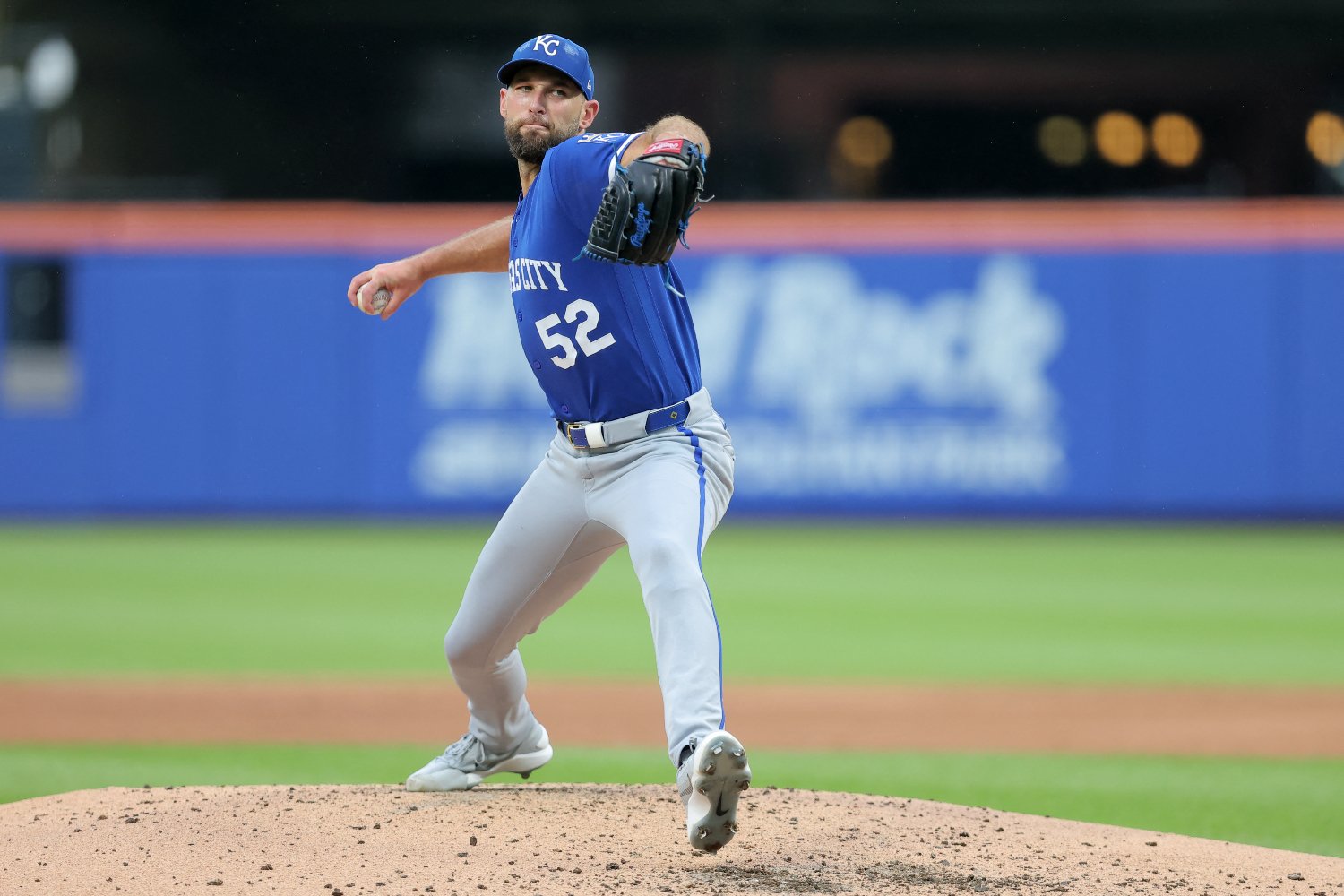 Before Thursday's rubber game against the New York Mets, Ken Rosenthal of The Athletic reported that the Royals were unlikely to trade starting pitchers Michael Wacha and Seth Lugo by the August 3rd Trade Deadline. Rosenthal reported that they would not trade either starting pitcher barring a "massive" return. With a 4.56 ERA and $21.5 million due next year, it is unlikely that Kansas City would trade Lugo at the Trade Deadline. Not only would the return be meager, but the Royals would have to eat some of Lugo's contract to make a deal enticing for an opposing ballclub. For a team with a limited payroll, that isn't exactly a recipe for success. Wacha, on the other hand, is a tougher dilemma for the Royals. While he has had two difficult outings recently, the 35-year-old starter has been Kansas City's most dependable pitcher and one of baseball's most durable. In 119.1 IP, Wacha has produced a 3.77 ERA, 1.19 WHIP, 4.05 FIP, and 12.7% K-BB%. He ranks in the top three in innings pitched this year, and his 12 quality starts rank fourth in all of baseball. Even though his stuff isn't elite, the veteran righty has been crafty enough to generate strikes and limit hard contact for the most part, as evidenced by his Statcast percentiles this season. With pitching, starting pitching especially, in demand across the league, Wacha remains the Royals' best trade chip. However, for a Royals team that is 38-56 and coming off back-to-back winning seasons in 2024 and 2025, he could be key to Kansas City's competitiveness again in 2027. The Royals need pitching stability, and they don't have it, with Cole Ragans recently undergoing elbow surgery and Kris Bubic likely not returning in 2027. Thus, do the Royals hold on to Wacha, as the report indicated, or should they make a deal, even if it may not be the "massive" one they are hoping for? The Case to Keep Wacha From 2024 to 2026, Wacha has been one of the most valuable starting pitchers in baseball, according to Fangraphs. His 9.0 fWAR ranks 16th among all starting pitchers since 2024, and his 454 IP rank 9th as well. He is also tied for 14th in quality starts with 39, tying him with Nathan Eovaldi, Chris Sale, and Luis Castillo. His 3.57 ERA also ranks 25th, putting him ahead of Dylan Cease, Gavin Williams, and Sonny Gray. The main issue is that Wacha doesn't strike out guys in bunches like those other names listed. His 19.4% K% ranks 65th of 85 qualified starting pitchers over that 2024-2026 period. His 12.9% K-BB% also ranks 55th. Thus, it's easy for fans to overlook Wacha as a quality starting pitcher, though he has finally received the recognition he deserves this year, being named to the AL All-Star Game roster. Thus, while the Royals may be tempted to trade Wacha, they need someone to hold down the top of the Royals' rotation in 2027. Wacha has done it so far with Ragans and Bubic injured, and he may be up for it again in 2027. Furthermore, he's holding this role while only making $18 million this year and $14 million next year. That latter is a steal for a No. 1-2 starting pitcher. For context, here's the list of 2027 unrestricted free-agent starting pitchers, and notice those pitchers "currently" making $14 million or less. It's not a great list. Of the list of free-agent starting pitchers who are making under $14 million, I predict that Casey Mize, Foster Griffin, and Freddy Peralta are the only ones of quality, which means they will likely exceed that $14 million AAV mark in their next contract. If the Royals deal Wacha and try to replace him with someone else on their list, they're taking a flier on someone with far less dependability (Brady Singer, Tomoyuki Sugano, or Trevor Rogers) or on an injury risk (Patrick Sandoval or Shane Bieber). The ceiling may not be all that high for Wacha. That said, the ceiling is clear and dependable, not to mention a value for a pitcher who will be making less next year than questionable arms like Shota Imanaga, Jack Flaherty, Lance McCullers Jr., and Jameson Taillon, to name a few. Furthermore, the Royals haven't been able to acquire many free-agent starting pitchers of Wacha's caliber in the past. Since the World Series run in 2015, the most high-profile pitcher the Royals acquired on a long-term deal in free agency was Ian Kennedy in 2016, who had an underwhelming run from 2016 to 2020 in Kansas City. This isn't a coincidence. Part of it is due to the Royals' history of incompetence. With only two winning seasons since their World Series title (both under Matt Quatraro, by the way), the Royals aren't exactly a franchise with a "winning" reputation. Furthermore, Kansas City can be a brutal place weather-wise in the summer, and it's one of the smallest markets in Major League Baseball (only Cincinnati and Milwaukee are smaller). Wacha was able to look past those other factors and not only sign an initial long-term deal with Kansas City but also an extension. If the Royals trade Wacha after just signing him to an extension before the 2025 season, they could risk their chances at other free-agent starting pitchers in the future. After all, why should competent free-agent starting pitchers sign in the muggy, small-market metro of Kansas City when they are just going to get traded in a couple of years anyway? Not keeping veteran arms works for Milwaukee because they have a premium pitching development program in the Minors. That said, with a dearth of MLB-ready arms in Triple-A or Double-A, the Royals don't have the luxury of emulating the Brewers' pitching strategy just yet (though they could in a year, especially if they have a good draft). Why the Royals Should Trade Wacha The main concern with Wacha is that he's 35 years old and will be 36 next year. While he has done a good job of staying healthy and effective as a Royal, there is a higher risk that regression will hit Wacha harder in 2027. That was certainly the case for Salvador Perez, and there were fewer signs of a sharp regression for Salvy in 2025. When looking at his TJ Stuff+ summary comparison from 2025 to 2026, Wacha has remained relatively stable in results, but TJ Stuff+ has shown some regression on a couple of pitches, as shown below. Wacha's overall TJ Stuff+ went from 97 in 2025 to 96 in 2026. His four-seamer improved from 94 to 96, which is good, considering it's been his most-used pitch over the past couple of years. He has also seen an improvement in his sinker, as it has gone from an 88 TJ Stuff+ to 90 TJ Stuff+. However, his curve (96 to 95), slider (102 to 101), cutter (97 to 93), and changeup (102 to 100) have all seen regression in TJ Stuff+. The results have been fine this year, with the chase rate (1.6% improvement) and whiff rate (0.6% improvement) up and the xwOBACON down (.374 in 2025 to .351 in 2025). That said, he has seen a significant decline in the zone rate, from 52.9% in 2025 to 49.8% in 2026. That's a 3.1% decline, and he didn't exactly excel in that category in his rough outing against the Mets on Thursday, as seen below in his TJ Stuff+ summary. Wacha's zone rate against the Mets was 45.2%, and his overall TJ Stuff+ was 93. Both marks were 4.6% and 3 points below his season-long marks in those categories. That's not what the Royals or fans want to see, especially before the All-Star Break. Now, one or a few bad outings won't affect Wacha's trade value. Any team knows what Wacha is and the risks he carries, both for the remainder of this season and 2027. That said, Wacha's value will be much higher now at the Trade Deadline than in the offseason, especially with the outlook for 2027 play still unclear due to a potential lockout. What Should the Royals Do? I understand the Royals' aversion to trading Wacha "just to trade him." That's not a recipe for success in any trade, and those kinds of deals are reserved for guys who will be free agents this offseason. That's a strategy the Royals should take with assets like Bubic, Lane Thomas, and John Schreiber. Wacha, though? JJ Picollo ought to be patient, especially if he believes the Royals can bounce back in 2027. While seasons like this year are deflating, the AL Central has remained wide open since 2024. In 2024, the Royals, Guardians, and Tigers competed in the division. Last year, it was the Guardians and Tigers. This year, it's the Guardians, White Sox, and maybe the Twins and Tigers. Thus, if the White Sox and Twins can quickly bounce back into contention in the AL Central, the same could be true for the Royals. To do that, with no Ragans and barring a marquee free-agent starting pitcher (i.e., Skubal), the Royals need Wacha. Still, could we see a team panic at the Deadline and overpay for Wacha? The Cubs desperately need starting pitching, and Wacha could be their No. 2 in the rotation immediately. Could that net the Royals not just a starting-pitching asset like Jordan Wicks, but also some high-ceiling guys like outfielders Kevin Alcantara and Josiah Hartshorn? Picollo can't give away Wacha. That said, he has to be aggressive enough to pounce on the right deal for Wacha, not just to compete in 2027, but long-term as well. If the Royals want to be the American League version of the Brewers, an organization they've expressed admiration for before, then they need to make an aggressive deal with Wacha, even if it may hurt initially and put Kansas City in a brief period of uncertainty.
 -
Drew Beam spun a quality start, striking out seven over seven innings as the Northwest Arkansas Naturals edged Wichita. Kendry Chourio tossed three scoreless frames for the Quad Cities River Bandits, who rode Angel Acosta, Ramon Ramirez, and Blake Mitchell to a rout of Peoria. Gavin Cross doubled and tripled in Omaha's comeback bid before a walk-off loss, and Stone Russell homered in the Columbia Fireflies' defeat against Salem. Royals Transactions Kansas City Royals sent 1B Vinnie Pasquantino on a rehab assignment to Omaha Storm Chasers.The Kansas City Royals signed free-agent RHP Justin Topa to a minor-league contract. Omaha Rallies To Tie But Falls On Late Grand Slam The Omaha Storm Chasers erased a four-run deficit to draw even in Louisville, but a ninth-inning grand slam sent them to a 12-8 loss to the Bats. Omaha's offense came in bursts, starting with a five-run second inning. Luca Tresh doubled home a run, leadoff man Cross followed with a two-run ground-rule double, and John Rave added a run-scoring groundout to make it 5-2. After the Bats pulled ahead, Omaha chipped back to make it a game again in Louisville. Peyton Wilson and Brandon Drury delivered run-scoring singles in the seventh, and Matthew Lugo reached on an error in the eighth, scoring Andrew Velazquez to tie the game at 8-8. Cross led the effort, going 2-for-4 with a double, a triple, and two RBIs. Drury reached base three times, walking twice and driving in a run, while Drew Waters scored twice. Starter Mason Black, who's moved back to a starting role since being optioned back to Omaha, struggled through four innings, allowing seven runs, six earned, on 10 hits, including five home runs, with one walk and three strikeouts. The bullpen kept Omaha within reach until the ninth, when Ben Sears retired nobody and surrendered a walk-off grand slam, charged with four runs in the loss. Omaha left nine runners on base and went 4-for-10 with runners in scoring position. They are now 38-50 this season. Player AB R H RBI BB K Gavin Cross 4 1 2 2 1 0 John Rave 4 0 0 1 1 1 Vinnie Pasquantino 3 0 0 0 2 0 Brett Squires 0 0 0 0 0 0 Matthew Lugo 5 1 1 0 0 0 Drew Waters 4 2 1 0 1 1 Peyton Wilson 5 0 1 1 0 2 Brandon Drury 3 1 1 1 2 0 Rudy Martin Jr. 0 0 0 0 0 0 Luca Tresh 5 1 1 1 0 2 Andrew Velazquez 2 2 0 0 2 1 Player IP H R ER BB K HR Mason Black 4 10 7 6 1 3 5 Ethan Bosacker 2 1 1 0 4 3 0 Justin Topa 2 1 0 0 0 1 0 Ben Sears 0 1/3 3 4 4 1 0 1 Naturals Break Through Late To Beat Wichita The Northwest Arkansas Naturals scored three runs in the eighth inning to pull away for a 7-5 win over the Wichita Wind Surge. Northwest Arkansas built its lead steadily throughout the contest. Sam Kulasingam drove in a run with a groundout in the third, Omar Hernandez singled home a run in the fourth, and Jack Pineda homered in the fifth. Clinging to a 4-3 lead in the eighth, the Naturals broke through. Leadoff man Carson Roccaforte singled in a run, and Kulasingam and Spencer Nivens each drew bases-loaded walks to push the margin to 7-3. Hernandez paced the offense with a 4-for-5 night and an RBI. Pineda added three hits, two doubles, and a home run, while Colton Becker also collected three hits. Kulasingam finished with a triple and two RBIs, and Nivens drove in two more. Roccaforte reached base twice and scored twice out of the leadoff spot. Beam, the Royals' No. 7 prospect at Royals Keep, turned in a quality start, working seven innings and allowing three runs on five hits, with one walk, seven strikeouts, and two home runs allowed. The Naturals stranded 11 runners, but went 5-for-13 with runners in scoring position. They also did enough to hold on after Wichita pushed across two in the ninth. Northwest Arkansas is now 33-48 this season. Player AB R H RBI BB K Carson Roccaforte 4 2 1 1 1 2 Jack Pineda 4 1 3 1 1 0 Sam Kulasingam 4 1 1 2 1 0 Spencer Nivens 3 0 1 2 2 0 Jorge Alfaro 4 0 0 0 0 4 Daniel Vazquez 5 0 2 0 0 0 Colton Becker 5 1 3 0 0 1 Omar Hernandez 5 1 4 1 0 0 Justin Johnson 4 1 0 0 1 1 Player IP H R ER BB K HR Drew Beam 7 5 3 3 1 7 2 Zachary Cawyer 2 3 2 0 1 2 0 River Bandits Pull Away Late In Rout Of Peoria The Quad Cities River Bandits scored in four separate innings and broke the game open late for a 10-4 win over the Peoria Chiefs. Quad Cities jumped ahead with three runs in the second, as Erick Torres singled home a run and Acosta followed with a two-run single. Peoria answered to take the lead, but the River Bandits regained control. Mitchell, the Royals' No. 4 prospect at Royals Keep, homered in the fifth, and Asbel Gonzalez, the No. 9 prospect, and Ramirez, the No. 6 prospect, drove in key runs in the seventh. The biggest blow came in the eighth, when Jose Cerice homered, Acosta singled in a run, and Ramirez capped the frame with a two-run double for a 10-4 lead. Acosta led the way, going 3-for-4 with a triple and three RBIs. Ramirez added two doubles and three RBIs, Derlin Figueroa collected three hits, and leadoff man Gonzalez reached base three times and scored twice. Chourio, the Royals' top prospect at Royals Keep, set the tone on the mound, throwing three scoreless innings with two hits allowed and four strikeouts. The bullpen wobbled in the middle innings but slammed the door late, as the final three relievers combined for four scoreless innings to win their sixth straight game. Quad Cities left six on base and went an impressive 7-for-14 with runners in scoring position. The River Bandits are now just one game under .500 at 39-40. Player AB R H RBI BB K Asbel Gonzalez 4 2 2 1 1 1 Blake Mitchell 5 1 2 1 0 1 Ramon Ramirez 4 0 2 3 0 0 Luke Pelzer 5 0 1 0 0 3 Derlin Figueroa 4 1 3 0 0 1 Tyriq Kemp 4 0 1 0 0 1 Jose Cerice 4 2 2 1 0 0 Erick Torres 3 2 1 1 1 1 Angel Acosta 4 2 3 3 0 0 Player IP H R ER BB K HR Kendry Chourio 3 2 0 0 0 4 0 Nick Conte 2 4 4 4 2 3 0 Tyson Guerrero 1 1 0 0 1 0 0 Max Martin 2 1 0 0 0 1 0 L.P. Langevin 1 0 0 0 0 3 0 Fireflies Fall After Early Deficit To Salem The Columbia Fireflies could not recover from a four-run first inning and dropped a 5-2 decision to the Salem RidgeYaks. Salem plated four runs in the first and added another in the fourth, leaving Columbia to climb out of a five-run hole for most of the night. The Fireflies finally got on the board in the fourth when Russell homered to right field, and they added another in the fifth when Yandel Ricardo doubled home Sean Gamble. That was as close as Columbia would come, as the offense managed just six hits and struck out 12 times in a three-run loss. Ricardo, the Royals' No. 10 prospect, led the group with two hits, a double, and an RBI, and Russell's home run accounted for Columbia's other run. Starter Shane Van Dam allowed five runs, four earned, on nine hits over five innings, with four strikeouts and no walks. The bullpen was sharp behind him, as Dash Albus and Andy Basora combined for four scoreless innings, but Columbia's offense could not close the gap. The Fireflies left seven runners on base and went 0-for-4 with runners in scoring position. The loss drops Columbia back under .500 at 41-42. Player AB R H RBI BB K Josh Hammond 3 0 0 0 1 1 Sean Gamble 4 1 1 0 0 3 Yandel Ricardo 4 0 2 1 0 1 JC Vanek 4 0 0 0 0 1 Stone Russell 4 1 1 1 0 1 Henry Ramos 3 0 1 0 1 1 Hyungchan Um 2 0 1 0 1 0 Jhosmmel Zue 4 0 0 0 0 1 Josi Novas 4 0 0 0 0 3 Player IP H R ER BB K HR Shane Van Dam 5 9 5 4 0 4 0 Dash Albus 2 1 0 0 0 2 0 Andy Basora 2 1 0 0 2 2 0 Top-20 Prospect Performance Kendry Chourio: 3 IP, 2 H, 0 R, 4 K David Shields: DNP Josh Hammond: 0-for-3, BB, 1 K Blake Mitchell: 2-for-5, HR, 1 K Sean Gamble: 1-for-4, 3 K Ramon Ramirez: 2-for-4, 2 2B Drew Beam: 7 IP, 5 H, 3 R, 1 BB, 7 K, 2 HR Carson Roccaforte: 1-for-4, BB, 2 K Asbel Gonzalez: 2-for-4, BB, 1 K Yandel Ricardo: 2-for-4, 2B, 1 K Michael Lombardi: DNP Ben Kudrna: DNP Justin Lamkin: DNP Felix Arronde: DNP Blake Wolters: DNP Steven Zobac: DNP Austin Charles: DNP Daniel Vázquez: 2-for-5 Kamden Edge: DNP Warren Calcano: DNP View full article
-
 Drew Beam spun a quality start, striking out seven over seven innings as the Northwest Arkansas Naturals edged Wichita. Kendry Chourio tossed three scoreless frames for the Quad Cities River Bandits, who rode Angel Acosta, Ramon Ramirez, and Blake Mitchell to a rout of Peoria. Gavin Cross doubled and tripled in Omaha's comeback bid before a walk-off loss, and Stone Russell homered in the Columbia Fireflies' defeat against Salem. Royals Transactions Kansas City Royals sent 1B Vinnie Pasquantino on a rehab assignment to Omaha Storm Chasers.The Kansas City Royals signed free-agent RHP Justin Topa to a minor-league contract. Omaha Rallies To Tie But Falls On Late Grand Slam The Omaha Storm Chasers erased a four-run deficit to draw even in Louisville, but a ninth-inning grand slam sent them to a 12-8 loss to the Bats. Omaha's offense came in bursts, starting with a five-run second inning. Luca Tresh doubled home a run, leadoff man Cross followed with a two-run ground-rule double, and John Rave added a run-scoring groundout to make it 5-2. After the Bats pulled ahead, Omaha chipped back to make it a game again in Louisville. Peyton Wilson and Brandon Drury delivered run-scoring singles in the seventh, and Matthew Lugo reached on an error in the eighth, scoring Andrew Velazquez to tie the game at 8-8. Cross led the effort, going 2-for-4 with a double, a triple, and two RBIs. Drury reached base three times, walking twice and driving in a run, while Drew Waters scored twice. Starter Mason Black, who's moved back to a starting role since being optioned back to Omaha, struggled through four innings, allowing seven runs, six earned, on 10 hits, including five home runs, with one walk and three strikeouts. The bullpen kept Omaha within reach until the ninth, when Ben Sears retired nobody and surrendered a walk-off grand slam, charged with four runs in the loss. Omaha left nine runners on base and went 4-for-10 with runners in scoring position. They are now 38-50 this season. Player AB R H RBI BB K Gavin Cross 4 1 2 2 1 0 John Rave 4 0 0 1 1 1 Vinnie Pasquantino 3 0 0 0 2 0 Brett Squires 0 0 0 0 0 0 Matthew Lugo 5 1 1 0 0 0 Drew Waters 4 2 1 0 1 1 Peyton Wilson 5 0 1 1 0 2 Brandon Drury 3 1 1 1 2 0 Rudy Martin Jr. 0 0 0 0 0 0 Luca Tresh 5 1 1 1 0 2 Andrew Velazquez 2 2 0 0 2 1 Player IP H R ER BB K HR Mason Black 4 10 7 6 1 3 5 Ethan Bosacker 2 1 1 0 4 3 0 Justin Topa 2 1 0 0 0 1 0 Ben Sears 0 1/3 3 4 4 1 0 1 Naturals Break Through Late To Beat Wichita The Northwest Arkansas Naturals scored three runs in the eighth inning to pull away for a 7-5 win over the Wichita Wind Surge. Northwest Arkansas built its lead steadily throughout the contest. Sam Kulasingam drove in a run with a groundout in the third, Omar Hernandez singled home a run in the fourth, and Jack Pineda homered in the fifth. Clinging to a 4-3 lead in the eighth, the Naturals broke through. Leadoff man Carson Roccaforte singled in a run, and Kulasingam and Spencer Nivens each drew bases-loaded walks to push the margin to 7-3. Hernandez paced the offense with a 4-for-5 night and an RBI. Pineda added three hits, two doubles, and a home run, while Colton Becker also collected three hits. Kulasingam finished with a triple and two RBIs, and Nivens drove in two more. Roccaforte reached base twice and scored twice out of the leadoff spot. Beam, the Royals' No. 7 prospect at Royals Keep, turned in a quality start, working seven innings and allowing three runs on five hits, with one walk, seven strikeouts, and two home runs allowed. The Naturals stranded 11 runners, but went 5-for-13 with runners in scoring position. They also did enough to hold on after Wichita pushed across two in the ninth. Northwest Arkansas is now 33-48 this season. Player AB R H RBI BB K Carson Roccaforte 4 2 1 1 1 2 Jack Pineda 4 1 3 1 1 0 Sam Kulasingam 4 1 1 2 1 0 Spencer Nivens 3 0 1 2 2 0 Jorge Alfaro 4 0 0 0 0 4 Daniel Vazquez 5 0 2 0 0 0 Colton Becker 5 1 3 0 0 1 Omar Hernandez 5 1 4 1 0 0 Justin Johnson 4 1 0 0 1 1 Player IP H R ER BB K HR Drew Beam 7 5 3 3 1 7 2 Zachary Cawyer 2 3 2 0 1 2 0 River Bandits Pull Away Late In Rout Of Peoria The Quad Cities River Bandits scored in four separate innings and broke the game open late for a 10-4 win over the Peoria Chiefs. Quad Cities jumped ahead with three runs in the second, as Erick Torres singled home a run and Acosta followed with a two-run single. Peoria answered to take the lead, but the River Bandits regained control. Mitchell, the Royals' No. 4 prospect at Royals Keep, homered in the fifth, and Asbel Gonzalez, the No. 9 prospect, and Ramirez, the No. 6 prospect, drove in key runs in the seventh. The biggest blow came in the eighth, when Jose Cerice homered, Acosta singled in a run, and Ramirez capped the frame with a two-run double for a 10-4 lead. Acosta led the way, going 3-for-4 with a triple and three RBIs. Ramirez added two doubles and three RBIs, Derlin Figueroa collected three hits, and leadoff man Gonzalez reached base three times and scored twice. Chourio, the Royals' top prospect at Royals Keep, set the tone on the mound, throwing three scoreless innings with two hits allowed and four strikeouts. The bullpen wobbled in the middle innings but slammed the door late, as the final three relievers combined for four scoreless innings to win their sixth straight game. Quad Cities left six on base and went an impressive 7-for-14 with runners in scoring position. The River Bandits are now just one game under .500 at 39-40. Player AB R H RBI BB K Asbel Gonzalez 4 2 2 1 1 1 Blake Mitchell 5 1 2 1 0 1 Ramon Ramirez 4 0 2 3 0 0 Luke Pelzer 5 0 1 0 0 3 Derlin Figueroa 4 1 3 0 0 1 Tyriq Kemp 4 0 1 0 0 1 Jose Cerice 4 2 2 1 0 0 Erick Torres 3 2 1 1 1 1 Angel Acosta 4 2 3 3 0 0 Player IP H R ER BB K HR Kendry Chourio 3 2 0 0 0 4 0 Nick Conte 2 4 4 4 2 3 0 Tyson Guerrero 1 1 0 0 1 0 0 Max Martin 2 1 0 0 0 1 0 L.P. Langevin 1 0 0 0 0 3 0 Fireflies Fall After Early Deficit To Salem The Columbia Fireflies could not recover from a four-run first inning and dropped a 5-2 decision to the Salem RidgeYaks. Salem plated four runs in the first and added another in the fourth, leaving Columbia to climb out of a five-run hole for most of the night. The Fireflies finally got on the board in the fourth when Russell homered to right field, and they added another in the fifth when Yandel Ricardo doubled home Sean Gamble. That was as close as Columbia would come, as the offense managed just six hits and struck out 12 times in a three-run loss. Ricardo, the Royals' No. 10 prospect, led the group with two hits, a double, and an RBI, and Russell's home run accounted for Columbia's other run. Starter Shane Van Dam allowed five runs, four earned, on nine hits over five innings, with four strikeouts and no walks. The bullpen was sharp behind him, as Dash Albus and Andy Basora combined for four scoreless innings, but Columbia's offense could not close the gap. The Fireflies left seven runners on base and went 0-for-4 with runners in scoring position. The loss drops Columbia back under .500 at 41-42. Player AB R H RBI BB K Josh Hammond 3 0 0 0 1 1 Sean Gamble 4 1 1 0 0 3 Yandel Ricardo 4 0 2 1 0 1 JC Vanek 4 0 0 0 0 1 Stone Russell 4 1 1 1 0 1 Henry Ramos 3 0 1 0 1 1 Hyungchan Um 2 0 1 0 1 0 Jhosmmel Zue 4 0 0 0 0 1 Josi Novas 4 0 0 0 0 3 Player IP H R ER BB K HR Shane Van Dam 5 9 5 4 0 4 0 Dash Albus 2 1 0 0 0 2 0 Andy Basora 2 1 0 0 2 2 0 Top-20 Prospect Performance Kendry Chourio: 3 IP, 2 H, 0 R, 4 K David Shields: DNP Josh Hammond: 0-for-3, BB, 1 K Blake Mitchell: 2-for-5, HR, 1 K Sean Gamble: 1-for-4, 3 K Ramon Ramirez: 2-for-4, 2 2B Drew Beam: 7 IP, 5 H, 3 R, 1 BB, 7 K, 2 HR Carson Roccaforte: 1-for-4, BB, 2 K Asbel Gonzalez: 2-for-4, BB, 1 K Yandel Ricardo: 2-for-4, 2B, 1 K Michael Lombardi: DNP Ben Kudrna: DNP Justin Lamkin: DNP Felix Arronde: DNP Blake Wolters: DNP Steven Zobac: DNP Austin Charles: DNP Daniel Vázquez: 2-for-5 Kamden Edge: DNP Warren Calcano: DNP
 -
Image courtesy of Patrick Gorski-Imagn Images The Royals' offense has come alive over the past two games. After beating the Phillies 15-1 on Monday, Kansas City erupted for 16 runs in a 16-12 victory over the Mets, another NL East foe, on Tuesday. The Royals overcame a rough start by Seth Lugo, who allowed nine runs (six earned) on nine hits and two walks over 4.1 IP. The subpar outing raised his ERA to 4.56 for the season, not exactly what Royals fans want to see, especially with him being seen as a possible Trade Deadline candidate. The biggest story to emerge, though, from this two-game scoring outburst has been Tyler Tolbert, a utility player for the Royals. The 28-year-old collected 12 consecutive hits, tying an MLB record set by Detroit's Walt Dropo in 1952. In addition to 12 consecutive hits, Tolbert becomes the third player in MLB history to have back-to-back five-hit games. The other two players? Roberto Clemente in 1970 and Hi Myers in 1917. While many baseball fans are familiar with Clemente, Myers was a center fielder who played for the Brooklyn Robins from 1909 to 1922 and the St. Louis Cardinals from 1923 to 1925 (he also finished the 1925 season with the Cincinnati Reds). It's been a wild ride for Tolbert, who made the Opening Day roster but was optioned to Omaha on April 19th and played in Triple-A for over a month. The Royals recalled him on May 22nd, and he's been on the active roster ever since. However, his role has been limited, as he has played only 32 games and had 48 plate appearances before Tuesday's game. Going into the July 4th game against the Phillies, Tolbert was hitting .200 with a .475 OPS. Before Saturday's game at Kauffman Stadium, he had been hitless in his previous three starts. On July 4th, Tolbert went 2-for-2 with two singles and two stolen bases. He then went on to have back-to-back five-hit games on Monday against the Phillies and Mets. Over those two games, he also hit his first two home runs of the year, including a key two-run off the Mets' Kodai Senga that got the Royals on the board. After this three-game stretch, Tolbert is now hitting .396 with a .976 OPS in 54 plate appearances (his streak ended in the ninth on Tuesday with a pop-up to right field). It's definitely been one of the most impressive hitting stretches in Royals history. That said, could this be a sign of things to come for Tolbert, or is this just a flash in the pan that is the tip of the iceberg for the former 13th-round pick? Tolbert Showing He Can Be More Than a Pinch Runner Tolbert made the Opening Day roster and played in 64 games last year, but he was mostly utilized as a pinch runner. He had only 57 plate appearances, a sign he didn't see many starts in his rookie debut in 2025. That said, the Royals utility player excelled on the basepaths in his limited role. He stole 21 bases on 23 attempts in 2025. His stolen-base total was the third-highest on the team last year. Only Bobby Witt Jr. (38) and Maikel Garcia (23) had more, and they played in nearly 100 more games than Tolbert. Beyond the stolen bases, Tolbert showed surprising production in limited action. He hit .280 with a .701 OPS. That included a home run, six RBI, and 19 runs scored. That said, while he launched the ball well and made consistent contact, he struggled to generate much exit velocity or barrel balls in his rookie debut, as evidenced by his Statcast summary below via TJ Stats. This year, Tolbert has produced more of the same in terms of batted-ball profile, even amidst this historic streak. While he is now hitting .396, 116 points higher than his average a year ago, and has a TJ Bat+ of 122, 29 points higher than his mark in 2025, the hard-hit, barrel, and exit-velocity metrics aren't all that improved, as illustrated below. As of Tuesday, his barrel rate ranks in the 22nd percentile, his hard-hit rate in the 23rd percentile, his pull air rate in the 19th percentile, and his average EV in the bottom 3rd percentile. Last year, his barrel rate ranked in the 16th percentile, his hard-hit rate in the 37th percentile, his average EV in the 23rd percentile, and his pull air rate in the 11th percentile. Thus, while he has seen some improvement in certain categories, he has also seen regression in others (barrel rate and average exit velocity). Regarding his bat, Tolbert has been on a heater, but it likely won't last over an extended sample. However, he has demonstrated that he may deserve more starts in the future, especially against left-handed starting pitchers. He could be a guy who could see time in left or right field against lefties, which hasn't always been the case for Tolbert this season. In terms of fielding, the former Alabama-Birmingham product (and Alabama native) has produced a -1 OAA, with that negative mark coming at second base. He hasn't played extended innings at any position this year, as he has floated among second base, shortstop, and all three outfield positions. He's not a Gold Glover by any means. That said, he is serviceable and can hold his own at any of those positions. He has also looked better at shortstop in spot starts while Witt nurses a minor knee injury. Below is an example of the chemistry he showed with second baseman Michael Massey in a win against the St. Louis Cardinals at Kauffman Stadium last month. This historic feat by Tolbert is well deserved, especially for a player who has grinded in the Minor Leagues as much as he has. He didn't debut in the Major Leagues until he was 27, and he was Rule 5-eligible in a couple of drafts. And yet, despite those long odds, Tolbert locked in for three games and may have earned a semi-regular role for the remainder of the 2026 season. He may not be part of this team long-term, or even in 2027, depending on how the Trade Deadline and offseason shake out. However, he has proven that he can excel in the Majors and boost a lineup and ballclub overall in a bench role. Thankfully, that's happening now with the Royals. That is much needed for the morale of this club and fanbase, which is 38-54 after Tuesday's series-opening victory over the Mets. View full article

