


Kevin O'Brien
-
Posts
858 -
Joined
-
Last visited
-
Days Won
41
Content Type
Profiles
Forums
Blogs
Events
News
2026 Kansas City Royals Top Prospects Ranking
Kansas City Royals Videos
Kansas City Royals Free Agent & Trade Rumors, Notes, & Tidbits
Guides & Resources
The Kansas City Royals Players Project
2026 Kansas City Royals Draft Tracker: Picks & Bonuses
Store
Downloads
Gallery
Everything posted by Kevin O'Brien
-
 In our latest episode of the "Royals Pipeline" on KCSN, Jared Perkins and the College Baseball Show, and I talk about the upcoming draft and possible options for the Royals at No. 6 and No. 30. You can find the video version below: Please like, comment, and/or subscribe to Royals Pipeline and our other shows (One Royals Way and Postgame Live) at KCSN, available on YouTube, Spotify, and Apple Podcasts. Also, what did you think of our picks? Who do you like at No. 6 or No. 30? Feel free to reply below!
 -
Carson Roccaforte and the Northwest Arkansas Naturals could not hold an early lead in a 7-1 loss, while the Quad Cities River Bandits fell 8-1 despite a Luke Pelzer RBI. The Omaha Storm Chasers rallied for two in the ninth but came up short, 3-2. In the lone win, Ryan McDonagh fired five scoreless innings, and Andy Basora closed it out as the Columbia Fireflies edged Kannapolis, 4-1, behind a two-run eighth. Mets Transactions Kansas City Royals signed free agent SS Andrew Velazquez to a minor league contract. Storm Chasers Rally Falls Short In 3-2 Loss The Omaha Storm Chasers nearly erased a three-run deficit in the ninth but fell 3-2 to the Columbus Clippers at home. Henry Williams turned in the longest outing, working 4 2/3 innings and allowing two runs on five hits with six strikeouts and four walks. Kris Bubic made a rehab start and was efficient in an inning of work. He had one strikeout and six strikes on eight pitches. Columbus scratched out single runs in the third, seventh, and eighth innings to build a 3-0 lead. Omaha's offense was quiet until the ninth. With Peyton Wilson aboard, Luca Tresh doubled to right field to score him, and Drew Waters followed with a double to center that brought Tresh home, cutting the margin to 3-2. The rally stalled there. Tresh, Waters, Wilson, Brandon Drury, Gavin Cross, and Kevin Newman each collected a hit, but Omaha stranded four runners and struck out 13 times as a team. Tresh and Waters drove in the only runs. The Storm Chasers' record fell to 34-42 with the loss. Player AB R H RBI BB K Abraham Toro 4 0 0 0 0 1 Peyton Wilson 4 1 1 0 0 3 Matthew Lugo 4 0 0 0 0 2 Luca Tresh 4 1 1 1 0 1 Drew Waters 4 0 1 1 0 1 Brandon Drury 4 0 1 0 0 0 Gavin Cross 3 0 1 0 0 1 Luke Maile 3 0 0 0 0 2 Kevin Newman 3 0 1 0 0 2 Player IP H R ER BB K HR Kris Bubic 1 0 0 0 0 1 0 Ethan Bosacker 1 1 0 0 0 1 0 Henry Williams 4 2/3 5 2 2 4 6 0 Mason Black 1 1/3 4 1 1 0 2 0 Ben Sears 1 1 0 0 0 0 0 Naturals Sink After Roccaforte's Early Homer In 7-1 Defeat The Northwest Arkansas Naturals jumped in front in the first inning when leadoff man Roccaforte homered to right field, but the offense went silent the rest of the way in a 7-1 loss at Springfield. Roccaforte finished 2-for-4 with a double and a home run, accounting for the lone run. Steven Zobac drew the bulk of the work, allowing one run on three hits over four innings with two strikeouts, two walks, and a home run. The game turned in the fifth, when Springfield erased a 1-1 tie by plating three runs, capped by a three-run homer off Oscar Rayo. The home side added three more in the eighth on a pair of home runs to pull away. Frank Mozzicato surrendered three runs in his single inning of work, and Rayo gave up three across 2 2/3 innings. Daniel Vazquez, Jack Pineda, Spencer Nivens, Colton Becker, and Canyon Brown each singled, but the Naturals stranded six and managed just the one run. They also went 0-for-7 with runners in scoring position. Northwest Arkansas is now 30-39. Player AB R H RBI BB K Carson Roccaforte 4 1 2 1 0 0 Jack Pineda 3 0 1 0 0 1 Sam Kulasingam 4 0 0 0 0 2 Spencer Nivens 4 0 1 0 0 0 Daniel Vazquez 4 0 1 0 0 2 Colton Becker 4 0 1 0 0 0 Omar Hernandez 3 0 0 0 1 0 Canyon Brown 3 0 1 0 0 2 Justin Johnson 3 0 0 0 0 2 Player IP H R ER BB K HR Steven Zobac 4 3 1 1 2 2 1 Frank Mozzicato 1 2 3 3 0 1 1 Oscar Rayo 2 2/3 4 3 3 2 2 2 Brandon Johnson 0 1/3 0 0 0 0 0 0 River Bandits Stymied In 8-1 Loss At South Bend The Quad Cities River Bandits managed only four hits and fell 8-1 to South Bend. The game was ended after eight innings due to rain. Emmanuel Reyes took the loss, allowing three runs, two earned, on three hits over four innings with one strikeout and three walks. South Bend struck first with three runs in the opening inning, one of which was unearned after a fielding error by Tyriq Kemp. The game broke open late. South Bend pushed across three runs in the seventh, then added two more in the eighth, including a two-run homer surrendered by Kamden Edge in his lone inning. Quad Cities answered in the eighth when Pelzer singled to left field to score Asbel Gonzalez for the team's only run. Gonzalez, Blake Mitchell, Pelzer, and Connor Rasmussen recorded the four hits, while Derlin Figueroa struck out four times. The River Bandits left eight runners on base and went 1-for-8 with runners in scoring position. Quad Cities is now 30-37 after the loss to South Bend. Player AB R H RBI BB K Nolan Sailors 4 0 0 0 0 3 Asbel Gonzalez 3 1 1 0 0 1 Blake Mitchell 3 0 1 0 1 1 Ramon Ramirez 4 0 0 0 0 2 Luke Pelzer 4 0 1 1 0 1 Derlin Figueroa 4 0 0 0 0 4 Tyriq Kemp 2 0 0 0 1 1 Connor Rasmussen 3 0 1 0 0 1 Angel Acosta 3 0 0 0 0 0 Player IP H R ER BB K HR Emmanuel Reyes 4 3 3 2 3 1 0 Max Martin 2 1 0 0 0 1 0 Nick Conte 0 2/3 1 3 3 3 1 0 Chase Jessee 0 1/3 1 0 0 1 1 0 Kamden Edge 1 4 2 2 0 1 1 McDonagh's Gem And Late Push Lift Fireflies To 4-1 Win Ryan McDonagh anchored the Columbia Fireflies in a 4-1 win at Kannapolis, throwing five scoreless innings and allowing just two hits while striking out three and walking two to earn the win. The Fireflies built their lead early, scoring twice in the second inning. Josi Novas singled to bring home Hyungchan Um, and the inning produced the game's first runs. Columbia tacked on two more in the eighth to create breathing room. Angel Ramirez lifted a sacrifice fly to score JC Vanek, and Jhosmmel Zue singled to left field to bring in Yandel Ricardo. Zue led the offense at 2-for-3 with a double and an RBI. Jhon Reyes, Hunter Alberini, and Andy Basora combined for three innings out of the bullpen, with Basora recording the save. Columbia worked nine walks but left nine runners on base. The Fireflies also went 2-for-6 with runners in scoring position. The lone Kannapolis run came in the seventh against Alberini and was unearned. The win improved Columbia's record to 36-35 for the season. Player AB R H RBI BB K Josh Hammond 5 0 0 0 0 0 Sean Gamble 4 0 1 0 1 3 Stone Russell 3 0 0 0 2 0 JC Vanek 3 1 1 0 2 0 Yandel Ricardo 4 1 1 0 0 1 Hyungchan Um 2 1 0 0 1 1 Angel Ramirez 3 0 0 1 0 2 Jhosmmel Zue 3 1 2 1 1 0 Josi Novas 3 0 1 1 1 2 Player IP H R ER BB K HR Ryan McDonagh 5 2 0 0 2 3 0 Jhon Reyes 1 0 0 0 2 0 0 Hunter Alberini 1 0 1 0 1 0 0 Andy Basora 2 2 0 0 0 1 0 Top-20 Prospect Performance Kendry Chourio: DNP David Shields: DNP Josh Hammond: 0-for-5 Blake Mitchell: 1-for-3, BB, K Sean Gamble: 1-for-4, BB, 3 K Ramon Ramirez: 0-for-4, 2 K Drew Beam: DNP Carson Roccaforte: 2-for-4, 2B, HR, RBI Asbel Gonzalez: 1-for-3, R, SB, K Yandel Ricardo: 1-for-4, R, K Michael Lombardi: DNP Ben Kudrna: DNP Justin Lamkin: DNP Felix Arronde: DNP Blake Wolters: DNP Steven Zobac: 4 IP, 3 H, R, 2 BB, 2 K, HR Austin Charles: DNP Daniel Vázquez: 1-for-4, 2 K Kamden Edge: 1 IP, 4 H, 2 R, K, HR Warren Calcano: DNP View full article
-
 Carson Roccaforte and the Northwest Arkansas Naturals could not hold an early lead in a 7-1 loss, while the Quad Cities River Bandits fell 8-1 despite a Luke Pelzer RBI. The Omaha Storm Chasers rallied for two in the ninth but came up short, 3-2. In the lone win, Ryan McDonagh fired five scoreless innings, and Andy Basora closed it out as the Columbia Fireflies edged Kannapolis, 4-1, behind a two-run eighth. Mets Transactions Kansas City Royals signed free agent SS Andrew Velazquez to a minor league contract. Storm Chasers Rally Falls Short In 3-2 Loss The Omaha Storm Chasers nearly erased a three-run deficit in the ninth but fell 3-2 to the Columbus Clippers at home. Henry Williams turned in the longest outing, working 4 2/3 innings and allowing two runs on five hits with six strikeouts and four walks. Kris Bubic made a rehab start and was efficient in an inning of work. He had one strikeout and six strikes on eight pitches. Columbus scratched out single runs in the third, seventh, and eighth innings to build a 3-0 lead. Omaha's offense was quiet until the ninth. With Peyton Wilson aboard, Luca Tresh doubled to right field to score him, and Drew Waters followed with a double to center that brought Tresh home, cutting the margin to 3-2. The rally stalled there. Tresh, Waters, Wilson, Brandon Drury, Gavin Cross, and Kevin Newman each collected a hit, but Omaha stranded four runners and struck out 13 times as a team. Tresh and Waters drove in the only runs. The Storm Chasers' record fell to 34-42 with the loss. Player AB R H RBI BB K Abraham Toro 4 0 0 0 0 1 Peyton Wilson 4 1 1 0 0 3 Matthew Lugo 4 0 0 0 0 2 Luca Tresh 4 1 1 1 0 1 Drew Waters 4 0 1 1 0 1 Brandon Drury 4 0 1 0 0 0 Gavin Cross 3 0 1 0 0 1 Luke Maile 3 0 0 0 0 2 Kevin Newman 3 0 1 0 0 2 Player IP H R ER BB K HR Kris Bubic 1 0 0 0 0 1 0 Ethan Bosacker 1 1 0 0 0 1 0 Henry Williams 4 2/3 5 2 2 4 6 0 Mason Black 1 1/3 4 1 1 0 2 0 Ben Sears 1 1 0 0 0 0 0 Naturals Sink After Roccaforte's Early Homer In 7-1 Defeat The Northwest Arkansas Naturals jumped in front in the first inning when leadoff man Roccaforte homered to right field, but the offense went silent the rest of the way in a 7-1 loss at Springfield. Roccaforte finished 2-for-4 with a double and a home run, accounting for the lone run. Steven Zobac drew the bulk of the work, allowing one run on three hits over four innings with two strikeouts, two walks, and a home run. The game turned in the fifth, when Springfield erased a 1-1 tie by plating three runs, capped by a three-run homer off Oscar Rayo. The home side added three more in the eighth on a pair of home runs to pull away. Frank Mozzicato surrendered three runs in his single inning of work, and Rayo gave up three across 2 2/3 innings. Daniel Vazquez, Jack Pineda, Spencer Nivens, Colton Becker, and Canyon Brown each singled, but the Naturals stranded six and managed just the one run. They also went 0-for-7 with runners in scoring position. Northwest Arkansas is now 30-39. Player AB R H RBI BB K Carson Roccaforte 4 1 2 1 0 0 Jack Pineda 3 0 1 0 0 1 Sam Kulasingam 4 0 0 0 0 2 Spencer Nivens 4 0 1 0 0 0 Daniel Vazquez 4 0 1 0 0 2 Colton Becker 4 0 1 0 0 0 Omar Hernandez 3 0 0 0 1 0 Canyon Brown 3 0 1 0 0 2 Justin Johnson 3 0 0 0 0 2 Player IP H R ER BB K HR Steven Zobac 4 3 1 1 2 2 1 Frank Mozzicato 1 2 3 3 0 1 1 Oscar Rayo 2 2/3 4 3 3 2 2 2 Brandon Johnson 0 1/3 0 0 0 0 0 0 River Bandits Stymied In 8-1 Loss At South Bend The Quad Cities River Bandits managed only four hits and fell 8-1 to South Bend. The game was ended after eight innings due to rain. Emmanuel Reyes took the loss, allowing three runs, two earned, on three hits over four innings with one strikeout and three walks. South Bend struck first with three runs in the opening inning, one of which was unearned after a fielding error by Tyriq Kemp. The game broke open late. South Bend pushed across three runs in the seventh, then added two more in the eighth, including a two-run homer surrendered by Kamden Edge in his lone inning. Quad Cities answered in the eighth when Pelzer singled to left field to score Asbel Gonzalez for the team's only run. Gonzalez, Blake Mitchell, Pelzer, and Connor Rasmussen recorded the four hits, while Derlin Figueroa struck out four times. The River Bandits left eight runners on base and went 1-for-8 with runners in scoring position. Quad Cities is now 30-37 after the loss to South Bend. Player AB R H RBI BB K Nolan Sailors 4 0 0 0 0 3 Asbel Gonzalez 3 1 1 0 0 1 Blake Mitchell 3 0 1 0 1 1 Ramon Ramirez 4 0 0 0 0 2 Luke Pelzer 4 0 1 1 0 1 Derlin Figueroa 4 0 0 0 0 4 Tyriq Kemp 2 0 0 0 1 1 Connor Rasmussen 3 0 1 0 0 1 Angel Acosta 3 0 0 0 0 0 Player IP H R ER BB K HR Emmanuel Reyes 4 3 3 2 3 1 0 Max Martin 2 1 0 0 0 1 0 Nick Conte 0 2/3 1 3 3 3 1 0 Chase Jessee 0 1/3 1 0 0 1 1 0 Kamden Edge 1 4 2 2 0 1 1 McDonagh's Gem And Late Push Lift Fireflies To 4-1 Win Ryan McDonagh anchored the Columbia Fireflies in a 4-1 win at Kannapolis, throwing five scoreless innings and allowing just two hits while striking out three and walking two to earn the win. The Fireflies built their lead early, scoring twice in the second inning. Josi Novas singled to bring home Hyungchan Um, and the inning produced the game's first runs. Columbia tacked on two more in the eighth to create breathing room. Angel Ramirez lifted a sacrifice fly to score JC Vanek, and Jhosmmel Zue singled to left field to bring in Yandel Ricardo. Zue led the offense at 2-for-3 with a double and an RBI. Jhon Reyes, Hunter Alberini, and Andy Basora combined for three innings out of the bullpen, with Basora recording the save. Columbia worked nine walks but left nine runners on base. The Fireflies also went 2-for-6 with runners in scoring position. The lone Kannapolis run came in the seventh against Alberini and was unearned. The win improved Columbia's record to 36-35 for the season. Player AB R H RBI BB K Josh Hammond 5 0 0 0 0 0 Sean Gamble 4 0 1 0 1 3 Stone Russell 3 0 0 0 2 0 JC Vanek 3 1 1 0 2 0 Yandel Ricardo 4 1 1 0 0 1 Hyungchan Um 2 1 0 0 1 1 Angel Ramirez 3 0 0 1 0 2 Jhosmmel Zue 3 1 2 1 1 0 Josi Novas 3 0 1 1 1 2 Player IP H R ER BB K HR Ryan McDonagh 5 2 0 0 2 3 0 Jhon Reyes 1 0 0 0 2 0 0 Hunter Alberini 1 0 1 0 1 0 0 Andy Basora 2 2 0 0 0 1 0 Top-20 Prospect Performance Kendry Chourio: DNP David Shields: DNP Josh Hammond: 0-for-5 Blake Mitchell: 1-for-3, BB, K Sean Gamble: 1-for-4, BB, 3 K Ramon Ramirez: 0-for-4, 2 K Drew Beam: DNP Carson Roccaforte: 2-for-4, 2B, HR, RBI Asbel Gonzalez: 1-for-3, R, SB, K Yandel Ricardo: 1-for-4, R, K Michael Lombardi: DNP Ben Kudrna: DNP Justin Lamkin: DNP Felix Arronde: DNP Blake Wolters: DNP Steven Zobac: 4 IP, 3 H, R, 2 BB, 2 K, HR Austin Charles: DNP Daniel Vázquez: 1-for-4, 2 K Kamden Edge: 1 IP, 4 H, 2 R, K, HR Warren Calcano: DNP
 -
My pleasure Yirsandy. I appreciate the kind words and have enjoyed your stuff here and on the other Diamondcentric sites! You definitely bring some great analysis and fresh perspective! I think that's a good point about Lynch's internal value. Right now, he's the third-longest tenured Royals player behind Salvy and Bubic. So if he stays, he will be the second longest. I think there is a value to that and I do believe the Royals as an organization care about those factors more than most. I also think as you said the Fermin deal may be a bit of apples and oranges in terms of comparison on my end. Still, I liked the Fermin deal because it was an example of the Royals trading someone at their peak, which they didn't do often under previous GM Dayton Moore. With the bullpen such a mess, I could see them wanting to hold onto Lynch a little longer because he's young and brings stability. That said, if the right deal comes along, I'm hoping they take advantage, even if Lynch is a clubhouse and "fan" favorite. They need to stock talent as much as they can, especially as they undergo this evaluation process for the remainder of 2026! Thanks for the reply!
-
 Felix Arronde fanned eight over five scoreless innings as Northwest Arkansas rallied late to beat Springfield 6-3, with Carson Roccaforte driving in three. Darwin Rodriguez tossed seven scoreless innings, and Jhosmmel Zue belted a grand slam in Columbia’s 4-3 win. Bailey Falter won in Omaha’s 3-2 victory behind homers from Abraham Toro and Drew Waters. Quad Cities fell 6-2 despite Angel Acosta’s two-run shot. Royals Transactions Kansas City Royals placed 3B Maikel Garcia on the 10-day injured list. Left hand muscle strain. Kansas City Royals recalled 3B Josh Rojas from Omaha Storm Chasers. Toro And Waters Go Deep As Storm Chasers Edge Columbus Omaha rode two home runs and a strong start to a 3-2 win over the Columbus Clippers. Falter set the tone, allowing one run on six hits over five innings while striking out five and walking none. Anthony Gose followed with two scoreless innings, striking out three, and Genesis Cabrera struck out two in a scoreless frame. Eric Cerantola allowed a run in the ninth but closed it out for the save. Toro got the scoring started with a solo home run in the second inning. The Storm Chasers added two more in the fourth, when Waters launched a solo shot and Luke Maile singled home Brandon Drury. That proved to be enough, as Omaha held on through the final innings. Toro, Waters, Drury, Brett Squires, and Maile each collected a hit. The Storm Chasers left six runners on base and went 1-for-3 with runners in scoring position. Omaha is now 34-41 this season. Player AB R H RBI BB K Peyton Wilson 4 0 0 0 0 1 Matthew Lugo 4 0 0 0 0 1 Brett Squires 3 0 1 0 0 0 Luca Tresh 1 0 0 0 0 1 Abraham Toro 4 1 1 1 0 3 Drew Waters 4 1 1 1 0 0 Brandon Drury 4 1 1 0 0 2 Gavin Cross 1 0 0 0 2 0 Luke Maile 2 0 1 1 1 0 Kevin Newman 2 0 0 0 1 1 Player IP H R ER BB K HR Bailey Falter 5 6 1 1 0 5 0 Anthony Gose 2 2 0 0 1 3 0 Genesis Cabrera 1 0 0 0 1 2 0 Eric Cerantola 1 2 1 1 0 2 0 Arronde Dominates And Roccaforte Drives In Three In Naturals Comeback Northwest Arkansas scored five runs over the seventh and eighth innings to pull away from the Springfield Cardinals in a 6-3 win. Arronde, our 14th-ranked prospect at Royals Keep, was outstanding, striking out eight over five scoreless innings while allowing three hits and no walks. Caden Monke struck out three over 1 2/3 scoreless innings, and Zachary Cawyer struck out two in a scoreless ninth. Tommy Molsky surrendered three runs in the home half of the ninth. The Naturals took an early lead in the first when Roccaforte scored on a Spencer Nivens groundout. The game stayed close until the seventh, when Roccaforte doubled home two runs. Northwest Arkansas broke it open in the eighth, plating three runs, two of them on bases-loaded walks to Alberto Rodriguez and Roccaforte. Roccaforte finished 2-for-4 with three RBI, while Rudy Martin Jr. scored twice and stole two bases. The Naturals left nine runners on base and went 2-for-12 with runners in scoring position. The Naturals improved to 30-38. Player AB R H RBI BB K Carson Roccaforte 4 1 2 3 1 0 Jack Pineda 4 0 0 0 1 1 Sam Kulasingam 4 0 0 0 0 0 Spencer Nivens 5 1 2 1 0 1 Daniel Vazquez 5 0 1 0 0 3 Rudy Martin Jr. 3 2 1 0 1 0 Omar Hernandez 2 2 0 0 1 1 Connor Scott 2 0 0 0 2 2 Alberto Rodriguez 2 0 1 1 2 1 Player IP H R ER BB K HR Felix Arronde 5 3 0 0 0 8 0 Caden Monke 1 2/3 1 0 0 1 3 0 Tommy Molsky 1 1/3 1 3 3 3 1 0 Zachary Cawyer 1 1 0 0 0 2 0 Acosta Homers But River Bandits Fall To South Bend Quad Cities dropped a 6-2 decision to the South Bend Cubs despite an early lead from a home run. Tanner Jones took the loss, allowing three runs on seven hits over five innings with five strikeouts, two walks, and a home run. Aiden Jimenez followed with a scoreless inning, but Yimi Presinal gave up three runs in two-thirds of an inning. L.P. Langevin struck out three over 1 1/3 scoreless innings to close. The River Bandits got their offense going in the fifth inning, when Angel Acosta hit a two-run home run that scored Connor Rasmussen. That accounted for both Quad Cities runs. The lineup managed five hits, with Nolan Sailors, Blake Mitchell, Ramon Ramirez, Tyriq Kemp, and Acosta each recording one. The River Bandits drew six walks but left eight runners on base, unable to add to their total after the fifth. They also went just 1-for-9 with runners in scoring position. Quad Cities fell to 30-36 after the loss to South Bend. Player AB R H RBI BB K Nolan Sailors 5 0 1 0 0 3 Asbel Gonzalez 4 0 0 0 0 2 Blake Mitchell 3 0 1 0 1 1 Ramon Ramirez 1 0 1 0 2 0 Luke Pelzer 2 0 0 0 1 0 Derlin Figueroa 4 0 0 0 0 2 Tyriq Kemp 4 0 1 0 0 2 Connor Rasmussen 2 1 0 0 2 1 Angel Acosta 4 1 1 2 0 1 Player IP H R ER BB K HR Tanner Jones 5 7 3 3 2 5 1 Aiden Jimenez 1 1 0 0 1 1 0 Yimi Presinal 2/3 3 3 3 0 1 0 L.P. Langevin 1 1/3 0 0 0 1 3 0 Zue Grand Slam And Rodriguez Gem Lift Fireflies Past Kannapolis Columbia rode one big inning and a dominant start to a 4-3 win over the Kannapolis Cannon Ballers. Rodriguez was excellent, throwing seven scoreless innings while allowing five hits and one walk and striking out six. Dash Albus pitched a scoreless inning for the save. Henson Leal allowed three runs in the eighth, but the lead held. All four Fireflies runs came in the second inning. With the bases loaded, Jhosmmel Zue hit a grand slam to right field, scoring Yandel Ricardo, Hyungchan Um, and Roni Cabrera ahead of him. That outburst gave Rodriguez all the support he needed. Sean Gamble, Stone Russell, JC Vanek, Roni Cabrera, Zue, and Josi Novas each collected a hit, and Gamble added a stolen base. Columbia left just three runners on base and went 2-for-3 with runners in scoring position. The win improved the Fireflies' overall record to 35-35. Player AB R H RBI BB K Josh Hammond 4 0 0 0 0 0 Sean Gamble 4 0 1 0 0 1 Stone Russell 4 0 1 0 0 0 JC Vanek 4 0 1 0 0 2 Yandel Ricardo 3 1 0 0 1 0 Hyungchan Um 3 1 0 0 1 0 Roni Cabrera 4 1 1 0 0 2 Jhosmmel Zue 3 1 1 4 0 2 Josi Novas 3 0 1 0 0 1 Player IP H R ER BB K HR Darwin Rodriguez 7 5 0 0 1 6 0 Henson Leal 1 4 3 3 1 1 0 Dash Albus 1 1 0 0 0 0 0 Top-20 Prospect Performance Kendry Chourio: DNP David Shields: DNP Josh Hammond: 0-for-4 Blake Mitchell: 1-for-3, BB, K Sean Gamble: 1-for-4, SB, K Ramon Ramirez: 1-for-1, 2 BB Drew Beam: DNP Carson Roccaforte: 2-for-4, 2B, 3 RBI, BB Asbel Gonzalez: 0-for-4, 2 K Yandel Ricardo: 0-for-3, BB Michael Lombardi: DNP Ben Kudrna: DNP Justin Lamkin: DNP Felix Arronde: 5 IP, 3 H, 0 R, 0 ER, 0 BB, 8 K Blake Wolters: DNP Steven Zobac: DNP Austin Charles: DNP Daniel Vázquez: 1-for-5, 3 K Kamden Edge: DNP Warren Calcano: 1-for-3, 1 R, 1 BB, 1 K
 -
Felix Arronde fanned eight over five scoreless innings as Northwest Arkansas rallied late to beat Springfield 6-3, with Carson Roccaforte driving in three. Darwin Rodriguez tossed seven scoreless innings, and Jhosmmel Zue belted a grand slam in Columbia’s 4-3 win. Bailey Falter won in Omaha’s 3-2 victory behind homers from Abraham Toro and Drew Waters. Quad Cities fell 6-2 despite Angel Acosta’s two-run shot. Royals Transactions Kansas City Royals placed 3B Maikel Garcia on the 10-day injured list. Left hand muscle strain. Kansas City Royals recalled 3B Josh Rojas from Omaha Storm Chasers. Toro And Waters Go Deep As Storm Chasers Edge Columbus Omaha rode two home runs and a strong start to a 3-2 win over the Columbus Clippers. Falter set the tone, allowing one run on six hits over five innings while striking out five and walking none. Anthony Gose followed with two scoreless innings, striking out three, and Genesis Cabrera struck out two in a scoreless frame. Eric Cerantola allowed a run in the ninth but closed it out for the save. Toro got the scoring started with a solo home run in the second inning. The Storm Chasers added two more in the fourth, when Waters launched a solo shot and Luke Maile singled home Brandon Drury. That proved to be enough, as Omaha held on through the final innings. Toro, Waters, Drury, Brett Squires, and Maile each collected a hit. The Storm Chasers left six runners on base and went 1-for-3 with runners in scoring position. Omaha is now 34-41 this season. Player AB R H RBI BB K Peyton Wilson 4 0 0 0 0 1 Matthew Lugo 4 0 0 0 0 1 Brett Squires 3 0 1 0 0 0 Luca Tresh 1 0 0 0 0 1 Abraham Toro 4 1 1 1 0 3 Drew Waters 4 1 1 1 0 0 Brandon Drury 4 1 1 0 0 2 Gavin Cross 1 0 0 0 2 0 Luke Maile 2 0 1 1 1 0 Kevin Newman 2 0 0 0 1 1 Player IP H R ER BB K HR Bailey Falter 5 6 1 1 0 5 0 Anthony Gose 2 2 0 0 1 3 0 Genesis Cabrera 1 0 0 0 1 2 0 Eric Cerantola 1 2 1 1 0 2 0 Arronde Dominates And Roccaforte Drives In Three In Naturals Comeback Northwest Arkansas scored five runs over the seventh and eighth innings to pull away from the Springfield Cardinals in a 6-3 win. Arronde, our 14th-ranked prospect at Royals Keep, was outstanding, striking out eight over five scoreless innings while allowing three hits and no walks. Caden Monke struck out three over 1 2/3 scoreless innings, and Zachary Cawyer struck out two in a scoreless ninth. Tommy Molsky surrendered three runs in the home half of the ninth. The Naturals took an early lead in the first when Roccaforte scored on a Spencer Nivens groundout. The game stayed close until the seventh, when Roccaforte doubled home two runs. Northwest Arkansas broke it open in the eighth, plating three runs, two of them on bases-loaded walks to Alberto Rodriguez and Roccaforte. Roccaforte finished 2-for-4 with three RBI, while Rudy Martin Jr. scored twice and stole two bases. The Naturals left nine runners on base and went 2-for-12 with runners in scoring position. The Naturals improved to 30-38. Player AB R H RBI BB K Carson Roccaforte 4 1 2 3 1 0 Jack Pineda 4 0 0 0 1 1 Sam Kulasingam 4 0 0 0 0 0 Spencer Nivens 5 1 2 1 0 1 Daniel Vazquez 5 0 1 0 0 3 Rudy Martin Jr. 3 2 1 0 1 0 Omar Hernandez 2 2 0 0 1 1 Connor Scott 2 0 0 0 2 2 Alberto Rodriguez 2 0 1 1 2 1 Player IP H R ER BB K HR Felix Arronde 5 3 0 0 0 8 0 Caden Monke 1 2/3 1 0 0 1 3 0 Tommy Molsky 1 1/3 1 3 3 3 1 0 Zachary Cawyer 1 1 0 0 0 2 0 Acosta Homers But River Bandits Fall To South Bend Quad Cities dropped a 6-2 decision to the South Bend Cubs despite an early lead from a home run. Tanner Jones took the loss, allowing three runs on seven hits over five innings with five strikeouts, two walks, and a home run. Aiden Jimenez followed with a scoreless inning, but Yimi Presinal gave up three runs in two-thirds of an inning. L.P. Langevin struck out three over 1 1/3 scoreless innings to close. The River Bandits got their offense going in the fifth inning, when Angel Acosta hit a two-run home run that scored Connor Rasmussen. That accounted for both Quad Cities runs. The lineup managed five hits, with Nolan Sailors, Blake Mitchell, Ramon Ramirez, Tyriq Kemp, and Acosta each recording one. The River Bandits drew six walks but left eight runners on base, unable to add to their total after the fifth. They also went just 1-for-9 with runners in scoring position. Quad Cities fell to 30-36 after the loss to South Bend. Player AB R H RBI BB K Nolan Sailors 5 0 1 0 0 3 Asbel Gonzalez 4 0 0 0 0 2 Blake Mitchell 3 0 1 0 1 1 Ramon Ramirez 1 0 1 0 2 0 Luke Pelzer 2 0 0 0 1 0 Derlin Figueroa 4 0 0 0 0 2 Tyriq Kemp 4 0 1 0 0 2 Connor Rasmussen 2 1 0 0 2 1 Angel Acosta 4 1 1 2 0 1 Player IP H R ER BB K HR Tanner Jones 5 7 3 3 2 5 1 Aiden Jimenez 1 1 0 0 1 1 0 Yimi Presinal 2/3 3 3 3 0 1 0 L.P. Langevin 1 1/3 0 0 0 1 3 0 Zue Grand Slam And Rodriguez Gem Lift Fireflies Past Kannapolis Columbia rode one big inning and a dominant start to a 4-3 win over the Kannapolis Cannon Ballers. Rodriguez was excellent, throwing seven scoreless innings while allowing five hits and one walk and striking out six. Dash Albus pitched a scoreless inning for the save. Henson Leal allowed three runs in the eighth, but the lead held. All four Fireflies runs came in the second inning. With the bases loaded, Jhosmmel Zue hit a grand slam to right field, scoring Yandel Ricardo, Hyungchan Um, and Roni Cabrera ahead of him. That outburst gave Rodriguez all the support he needed. Sean Gamble, Stone Russell, JC Vanek, Roni Cabrera, Zue, and Josi Novas each collected a hit, and Gamble added a stolen base. Columbia left just three runners on base and went 2-for-3 with runners in scoring position. The win improved the Fireflies' overall record to 35-35. Player AB R H RBI BB K Josh Hammond 4 0 0 0 0 0 Sean Gamble 4 0 1 0 0 1 Stone Russell 4 0 1 0 0 0 JC Vanek 4 0 1 0 0 2 Yandel Ricardo 3 1 0 0 1 0 Hyungchan Um 3 1 0 0 1 0 Roni Cabrera 4 1 1 0 0 2 Jhosmmel Zue 3 1 1 4 0 2 Josi Novas 3 0 1 0 0 1 Player IP H R ER BB K HR Darwin Rodriguez 7 5 0 0 1 6 0 Henson Leal 1 4 3 3 1 1 0 Dash Albus 1 1 0 0 0 0 0 Top-20 Prospect Performance Kendry Chourio: DNP David Shields: DNP Josh Hammond: 0-for-4 Blake Mitchell: 1-for-3, BB, K Sean Gamble: 1-for-4, SB, K Ramon Ramirez: 1-for-1, 2 BB Drew Beam: DNP Carson Roccaforte: 2-for-4, 2B, 3 RBI, BB Asbel Gonzalez: 0-for-4, 2 K Yandel Ricardo: 0-for-3, BB Michael Lombardi: DNP Ben Kudrna: DNP Justin Lamkin: DNP Felix Arronde: 5 IP, 3 H, 0 R, 0 ER, 0 BB, 8 K Blake Wolters: DNP Steven Zobac: DNP Austin Charles: DNP Daniel Vázquez: 1-for-5, 3 K Kamden Edge: DNP Warren Calcano: 1-for-3, 1 R, 1 BB, 1 K View full article
-
Image courtesy of Jay Biggerstaff-Imagn Images On Tuesday, before the Royals' second game against the Tampa Bay Rays at Tropicana Field, manager Matt Quatraro shared some deflating news about Opening Day starter Cole Ragans. Here's what Quatraro shared with the media, as shared by KC Star Royals beat writer Jaylon Thompson. It's been a difficult year for Ragans, who was already coming off an injury-plagued 2025 campaign. In eight starts and 35.1 IP this year, the 28-year-old lefty posted a 4.84 ERA, a 1.42 WHIP, and a 6.18 FIP. Once again, Ragans proved to be a strikeout machine with a 29.8% K%. Unfortunately, he struggled with his control, posting a 15.2% BB% and 14.6% K-BB%. He also allowed a 26.3% HR/FB%, nearly double his rate from a year ago. When looking at his TJ Stuff+ summary from this year, the stuff and whiff rates remained solid, but he struggled to find the strike zone and allowed too much hard contact, as demonstrated by his rough xwOBACON numbers. Ragans had a 104 overall TJ Stuff+ and three pitches with grades over 55 (four-seamer, changeup, and slider). He also had a 31.7%, which is excellent (he also had a 30.9% whiff rate on the four-seamer and a 40.4% mark on the changeup). However, Ragans' 44.4% zone rate was mediocre, and that command inefficiency allowed hitters to be more selective, which explains the slightly subpar chase rate. Overall, the former Ranger allowed a .428 xwOBACON, with his changeup (.452) and knucklecurve (1.267) getting hit particularly hard. For context, it wasn't just an increase in walks that hurt Ragans. When looking at his Statcast percentile comparison between this year and 2025, he saw massive declines in categories in which he thrived a year ago. That sharp regression illustrated that something was ailing Ragans on the mound. In 2025, he ranked in the 98th percentile in xwOBA, 70th percentile in O-Swing%, and 69th percentile in Swing%. This year? He ranks in the 30th percentile in xwOBA, 25th percentile in O-Swing%, and 24th percentile in Swing%. Those are massive declines and uncharacteristic for him, even though he could be prone to wildness at times on the mound. The data showed that something was wrong with Ragans, and so far, the Royals have seemingly acted accordingly, even though they haven't been specific about his injury. A couple of weeks ago, he was pulled from his rehab stint in Omaha after experiencing elbow soreness the day after his start. Less than a week ago, he was moved from the 15-Day IL to the 60-Day IL. Now, he's en route to surgery and cannot just miss the remainder of the season, but perhaps a significant portion of the 2027 campaign. So what does this latest setback mean for not just Ragans, but a Royals rotation that's running on fumes? This Will Be the Third Major Surgery for Ragans Ragans has an extensive injury history, which explains why the Rangers made him available in the Aroldis Chapman trade back in 2023. In 2018, as a Minor Leaguer in the Rangers system, he underwent his first Tommy John surgery. In May 2019, he had a second Tommy John surgery after they found out the first surgery didn't address what had been ailing him initially. While there were two surgeries, many experts felt that Ragans' situation was better characterized as one "long" surgery because he didn't pitch much during his rehabilitation after the first unsuccessful surgery. A full breakdown of his surgery, recovery, and comeback can be found in this piece from Tread Athletics, which supported Ragans in his second rehabilitation process and helped him develop into an "ace" pitcher with the Royals. data:image/gif;base64,R0lGODlhAQABAPABAP///wAAACH5BAEKAAAALAAAAAABAAEAAAICRAEAOw== It's unclear if the surgery to repair a VEO impingement will be similar to Tommy John surgery or what kind of timetable it will put Ragans on, recovery-wise. If it is a similar recovery time to Tommy John surgery, then Ragans may miss the entirety of 2027. The Royals will face an interesting dilemma regarding Ragans' contract at the conclusion of next season. In February of 2025, Ragans and the Royals agreed to a three-year, $13.25 million extension. The deal bought out three of Ragans' arbitration years, and he is due to make $4.583 million this year and $7.583 million next season. However, the deal leaves his final year of arbitration open for 2028, which would be the last year the Royals would have control over Ragans. As of now, a positive aspect of this injury situation is that the Royals could negotiate a cheap one-year deal with Ragans after his current deal expires at the end of next season. While Ragans hasn't been healthy the past two years, he showed in 2024 that when he is, he can be one of the best starting pitchers in the league. In 2024, Ragans posted a 3.14 ERA, 1.14 WHIP, 2.98 FIP, and 20.5% K-BB% in 186.1 IP. He demonstrated not just excellent stuff but also posted strong numbers in zone, chase, whiff, and xwOBACON, as evidenced by his TJ Stuff+ summary from that All-Star season. The Royals could put their blind trust in Ragans, perhaps extend him after next year on a super-cheap deal, with the hope that he will be 100 percent in 2028 and 2029, at the very least. As much as Royals fans would like to trade Ragans now, especially after two injury-plagued years in a row, the reality is that this latest setback probably kills his trade value. One has to wonder whether the Royals regret not trading Ragans for a package that included Jarren Duran when they had the chance this offseason. With this latest news, Kansas City may be better served by investing in Ragans, hoping he bounces back and outperforms his contract, rather than trading him for pennies on the dollar after this surgery. How Does This Royals Staff Adapt? The Royals have gotten lucky with their pitching depth. In addition to Ragans, Kansas City has lost Kris Bubic to an extended absence, and his outlook remains murky after he was pulled from a rehab stint due to shoulder soreness. On a positive note, he had a bullpen session last week, so at least he's in a better spot for an MLB return than Ragans. Right now, the Royals' rotation is in decent shape with Michael Wacha, Seth Lugo, Stephen Kolek, Noah Cameron, and Luinder Avila. Even though Avila wasn't the sharpest in the Royals' 12-5 win over the Rays, he did a great job of working through jams and minimizing hard contact in the winning effort, as illustrated below in his TJ Stuff+ summary. That said, while Kansas City may be okay for now, they could be in trouble if someone else gets hurt. Having a contingency plan explains why they acquired MLB veterans Randy Dobnak and Matt Moore. They are guys who could fill in at the MLB level if needed. Still, it may be worthwhile for the Royals to think about acquiring starting pitching depth at the Trade Deadline, especially since Bubic will be a free agent next year and with Ragans likely out for a majority, if not all, of next season. Last year, GM JJ Picollo traded catcher Freddy Fermin to San Diego for Kolek and Ryan Bergert. Kolek has obviously been a success story, but Bergert was on a positive trajectory with the Royals until an early-season injury in Omaha that required surgery. Like Ragans, Bergert's future for 2027 is questionable, but he holds solid starter potential if healthy, as evidenced by his TJ Stuff+ summary from a year ago. In 76.1 IP, Bergert posted a 3.66 ERA and 1.26 WHIP with a 105 TJ Stuff+ and 51.5% zone rate. He needs to improve his chase and whiff rates, as well as his xwOBACON, to be a more dependable arm in the rotation. Nonetheless, Bergert proved last year that, if healthy, he could be a No. 4 or 5 starter in this rotation, much like Kolek. In fact, Kolek's TJ Stuff+ metrics have paled in comparison to Bergert's. And yet, the 29-year-old former Padres pitcher has demonstrated success with the Royals, sans last Sunday's disastrous outing against the Cardinals. The Royals need to be aggressive in acquiring starting pitching this summer, much like they were last summer in the Fermin trade. Even after a second-straight win over the Rays, which improves their record to 34-46, Kansas City is still 7.5 games back in the division and has 5.8% odds to make the postseason, according to Fangraphs. That percentage is the lowest of any team in the AL Central. Safe to say, Picollo and the Royals front office need to be thinking about 2027, even with this positive stretch in June. To acquire pitching to make up for the Bubic and Ragans losses next year, Kansas City could lose some popular players. However, if they trade the right assets, such as Lane Thomas, John Schreiber, or Daniel Lynch IV, just to name a few, they could get the starting pitcher or just general pitching depth they need to feel better about their outlook for 2027 and beyond. Losing Ragans for the year is a tough pill to swallow for this organization that has been snakebitten by injury. That said, this is an opportunity for the Royals to mold their organization in-season in the right way and to get a head start on the upcoming offseason as well. View full article
-
Ragans News Should Make Trade Deadline Plan Clearer for Royals
Kevin O'Brien posted an article in Royals
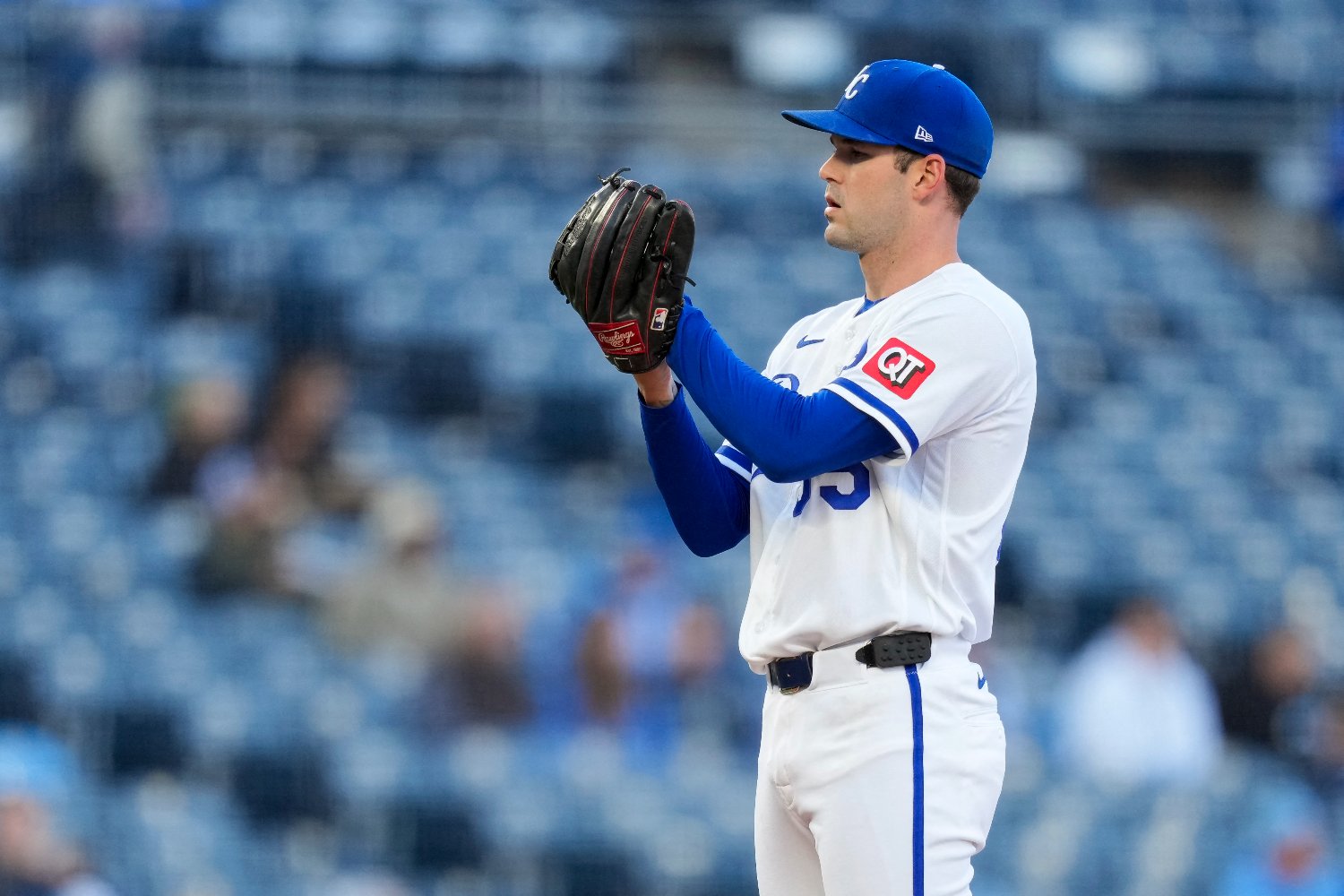 On Tuesday, before the Royals' second game against the Tampa Bay Rays at Tropicana Field, manager Matt Quatraro shared some deflating news about Opening Day starter Cole Ragans. Here's what Quatraro shared with the media, as shared by KC Star Royals beat writer Jaylon Thompson. It's been a difficult year for Ragans, who was already coming off an injury-plagued 2025 campaign. In eight starts and 35.1 IP this year, the 28-year-old lefty posted a 4.84 ERA, a 1.42 WHIP, and a 6.18 FIP. Once again, Ragans proved to be a strikeout machine with a 29.8% K%. Unfortunately, he struggled with his control, posting a 15.2% BB% and 14.6% K-BB%. He also allowed a 26.3% HR/FB%, nearly double his rate from a year ago. When looking at his TJ Stuff+ summary from this year, the stuff and whiff rates remained solid, but he struggled to find the strike zone and allowed too much hard contact, as demonstrated by his rough xwOBACON numbers. Ragans had a 104 overall TJ Stuff+ and three pitches with grades over 55 (four-seamer, changeup, and slider). He also had a 31.7%, which is excellent (he also had a 30.9% whiff rate on the four-seamer and a 40.4% mark on the changeup). However, Ragans' 44.4% zone rate was mediocre, and that command inefficiency allowed hitters to be more selective, which explains the slightly subpar chase rate. Overall, the former Ranger allowed a .428 xwOBACON, with his changeup (.452) and knucklecurve (1.267) getting hit particularly hard. For context, it wasn't just an increase in walks that hurt Ragans. When looking at his Statcast percentile comparison between this year and 2025, he saw massive declines in categories in which he thrived a year ago. That sharp regression illustrated that something was ailing Ragans on the mound. In 2025, he ranked in the 98th percentile in xwOBA, 70th percentile in O-Swing%, and 69th percentile in Swing%. This year? He ranks in the 30th percentile in xwOBA, 25th percentile in O-Swing%, and 24th percentile in Swing%. Those are massive declines and uncharacteristic for him, even though he could be prone to wildness at times on the mound. The data showed that something was wrong with Ragans, and so far, the Royals have seemingly acted accordingly, even though they haven't been specific about his injury. A couple of weeks ago, he was pulled from his rehab stint in Omaha after experiencing elbow soreness the day after his start. Less than a week ago, he was moved from the 15-Day IL to the 60-Day IL. Now, he's en route to surgery and cannot just miss the remainder of the season, but perhaps a significant portion of the 2027 campaign. So what does this latest setback mean for not just Ragans, but a Royals rotation that's running on fumes? This Will Be the Third Major Surgery for Ragans Ragans has an extensive injury history, which explains why the Rangers made him available in the Aroldis Chapman trade back in 2023. In 2018, as a Minor Leaguer in the Rangers system, he underwent his first Tommy John surgery. In May 2019, he had a second Tommy John surgery after they found out the first surgery didn't address what had been ailing him initially. While there were two surgeries, many experts felt that Ragans' situation was better characterized as one "long" surgery because he didn't pitch much during his rehabilitation after the first unsuccessful surgery. A full breakdown of his surgery, recovery, and comeback can be found in this piece from Tread Athletics, which supported Ragans in his second rehabilitation process and helped him develop into an "ace" pitcher with the Royals. data:image/gif;base64,R0lGODlhAQABAPABAP///wAAACH5BAEKAAAALAAAAAABAAEAAAICRAEAOw== It's unclear if the surgery to repair a VEO impingement will be similar to Tommy John surgery or what kind of timetable it will put Ragans on, recovery-wise. If it is a similar recovery time to Tommy John surgery, then Ragans may miss the entirety of 2027. The Royals will face an interesting dilemma regarding Ragans' contract at the conclusion of next season. In February of 2025, Ragans and the Royals agreed to a three-year, $13.25 million extension. The deal bought out three of Ragans' arbitration years, and he is due to make $4.583 million this year and $7.583 million next season. However, the deal leaves his final year of arbitration open for 2028, which would be the last year the Royals would have control over Ragans. As of now, a positive aspect of this injury situation is that the Royals could negotiate a cheap one-year deal with Ragans after his current deal expires at the end of next season. While Ragans hasn't been healthy the past two years, he showed in 2024 that when he is, he can be one of the best starting pitchers in the league. In 2024, Ragans posted a 3.14 ERA, 1.14 WHIP, 2.98 FIP, and 20.5% K-BB% in 186.1 IP. He demonstrated not just excellent stuff but also posted strong numbers in zone, chase, whiff, and xwOBACON, as evidenced by his TJ Stuff+ summary from that All-Star season. The Royals could put their blind trust in Ragans, perhaps extend him after next year on a super-cheap deal, with the hope that he will be 100 percent in 2028 and 2029, at the very least. As much as Royals fans would like to trade Ragans now, especially after two injury-plagued years in a row, the reality is that this latest setback probably kills his trade value. One has to wonder whether the Royals regret not trading Ragans for a package that included Jarren Duran when they had the chance this offseason. With this latest news, Kansas City may be better served by investing in Ragans, hoping he bounces back and outperforms his contract, rather than trading him for pennies on the dollar after this surgery. How Does This Royals Staff Adapt? The Royals have gotten lucky with their pitching depth. In addition to Ragans, Kansas City has lost Kris Bubic to an extended absence, and his outlook remains murky after he was pulled from a rehab stint due to shoulder soreness. On a positive note, he had a bullpen session last week, so at least he's in a better spot for an MLB return than Ragans. Right now, the Royals' rotation is in decent shape with Michael Wacha, Seth Lugo, Stephen Kolek, Noah Cameron, and Luinder Avila. Even though Avila wasn't the sharpest in the Royals' 12-5 win over the Rays, he did a great job of working through jams and minimizing hard contact in the winning effort, as illustrated below in his TJ Stuff+ summary. That said, while Kansas City may be okay for now, they could be in trouble if someone else gets hurt. Having a contingency plan explains why they acquired MLB veterans Randy Dobnak and Matt Moore. They are guys who could fill in at the MLB level if needed. Still, it may be worthwhile for the Royals to think about acquiring starting pitching depth at the Trade Deadline, especially since Bubic will be a free agent next year and with Ragans likely out for a majority, if not all, of next season. Last year, GM JJ Picollo traded catcher Freddy Fermin to San Diego for Kolek and Ryan Bergert. Kolek has obviously been a success story, but Bergert was on a positive trajectory with the Royals until an early-season injury in Omaha that required surgery. Like Ragans, Bergert's future for 2027 is questionable, but he holds solid starter potential if healthy, as evidenced by his TJ Stuff+ summary from a year ago. In 76.1 IP, Bergert posted a 3.66 ERA and 1.26 WHIP with a 105 TJ Stuff+ and 51.5% zone rate. He needs to improve his chase and whiff rates, as well as his xwOBACON, to be a more dependable arm in the rotation. Nonetheless, Bergert proved last year that, if healthy, he could be a No. 4 or 5 starter in this rotation, much like Kolek. In fact, Kolek's TJ Stuff+ metrics have paled in comparison to Bergert's. And yet, the 29-year-old former Padres pitcher has demonstrated success with the Royals, sans last Sunday's disastrous outing against the Cardinals. The Royals need to be aggressive in acquiring starting pitching this summer, much like they were last summer in the Fermin trade. Even after a second-straight win over the Rays, which improves their record to 34-46, Kansas City is still 7.5 games back in the division and has 5.8% odds to make the postseason, according to Fangraphs. That percentage is the lowest of any team in the AL Central. Safe to say, Picollo and the Royals front office need to be thinking about 2027, even with this positive stretch in June. To acquire pitching to make up for the Bubic and Ragans losses next year, Kansas City could lose some popular players. However, if they trade the right assets, such as Lane Thomas, John Schreiber, or Daniel Lynch IV, just to name a few, they could get the starting pitcher or just general pitching depth they need to feel better about their outlook for 2027 and beyond. Losing Ragans for the year is a tough pill to swallow for this organization that has been snakebitten by injury. That said, this is an opportunity for the Royals to mold their organization in-season in the right way and to get a head start on the upcoming offseason as well.
 -
Just ordered my copy. Cannot wait to check it out!
-
The infield defense has been incredibly solid this year, as you pointed out in your post. I do think Massey replacing India has been a major upgrade and has helped this pitching staff overall. The good thing is Massey has stayed healthy, which hasn't been the case in years past. The outfield is a much more complicated issue. Thomas and Jac have great arm strength, but their OAA numbers are bad. Collins has been bad overall. Overall, the OF ranks 25th in OAA with a -7 mark. I think Jac moving to first base will help long term. His success rate is equal to his estimated success rate at first, which is not the case in RF (-2%). I think this offseason, it would be nice for the Royals to upgrade the outfield, perhaps get someone who can not just improve the lineup, but outfield defense as well, especially with Isbel's long-term outlook questionable after his foot injury.
- 3 replies
-
- 1
-

-
- bobby witt jr
- kyle isbel
- (and 2 more)
-
Image courtesy of USA TODAY Network via Reuters Connect We have just completed our June voting for our Top-20 Prospects list at Royals Keep. Thank you for your votes and for helping determine this list. We remain one of the few independent Royals sites that let our community vote every month on who the Top-20 prospects are in the Royals system. If you haven't joined the community, please do so to get engaged here at Royals Keep. It hasn't been a great year for the big-league club. The Royals are 32-46, beginning a four-game series on the road in Tampa Bay. However, there have been some promising stories in the Kansas City farm system, especially in the lower levels. Here's what the new Top-20 list looks like after this most recent stretch of voting from our users and staff at Royals Keep. (New additions are in bold.) Kansas City Royals Top 20 Prospect List Kendry Chourio, RHP A+ (Previously #1) David Shields, LHP A+ (Previously #2) Josh Hammond, SS A (Previously #5) Blake Mitchell, C A+ (Previously #4) Sean Gamble, OF/2B A (Previously #3) Ramon Ramirez, C A+ (Previously #6) Drew Beam, RHP AA (Previously #7) Carson Roccaforte, CF AA (Previously #10) Asbel Gonzalez, CF A+ (Previously #8) Yandel Ricardo, SS A (Previously #11) Michael Lombardi, RHP A (Previously #14) Ben Kudrna, RHP AAA (Previously #9) Justin Lamkin, LHP AA (Previously Unranked) Felix Arronde, RHP AA (Previously #12) Blake Wolters, RHP A+ (Previously #13) Steven Zobac, RHP AA (Previously #16) Austin Charles, 3B/SS A+ (Previously Unranked) Daniel Vazquez, SS AA (Previously #18) Kamden Edge, RHP A+ (Previously Unranked) Warren Calcano, SS DSL (Previously #19) In this new list, we lost a few names from the previous ranking. Luinder Avila, who's become a starter in the Royals' rotation, graduated from prospect status. We also saw a couple of arms from the 2021 MLB Draft drop out of the Top-20. That includes former first-round pick Frank Mozzicato, who's struggled once again in Northwest Arkansas with a 7.59 ERA in 42.2 IP. Furthermore, fourth-round pick Shane Panzini also dropped from the list after struggling in Omaha. He has a 10.22 ERA in 24.2 IP with the Storm Chasers this season. Risers The following prospects were previously on the Royals Top-20 Prospects list last month and moved up in the rankings in our June voting. Those prospects are as follows: Hammond (From #5 to #3) Roccaforte (From #10 to #8) Ricardo (From #11 to #10) Lombardi (From #14 to #11) Hammond hit .290 this past month, which is solid, but his other metrics were a bit underwhelming. He posted a .333 OBP, a .667 OPS, and 80 wRC+ in 76 plate appearances in June. He also has a 0.28 BB/K ratio, highlighted by 18 strikeouts to five walks. However, Hammond had a solid game on Sunday, hitting his first home run in June. Roccaforte has gotten a lot of prospect buzz recently, especially with the plantar fasciitis injury to Kyle Isbel. Unfortunately, it hasn't been a kind June to Roccaforte. In 75 plate appearances this month, he's hitting .188 with a .637 OPS and 63 wRC+. Strikeouts have been a problem for Roccaforte this month, as he is striking out 37.3% of the time and sporting a BB/K ratio of 0.32. Despite this cold stretch, he carries a lot of upside due to his power, defense, and speed. Ricardo has been decent in June, though he was much better in May after a slow start in April. In 75 plate appearances this month, he's hitting .246 with a .663 OPS and 79 wRC+. The plate discipline has been solid from Ricardo in June, as he has a 10.7% BB% and 0.47 BB/K ratio. He also has a home run, three stolen bases, and has scored 15 runs this month for the Fireflies. Lombardi made the biggest gain of the risers, moving up three spots in the June voting. The former Tulane product has been a strikeout machine this month with 18 strikeouts in 13.1 IP, good for a 30.5% K%. Walks have been a bit of an issue, as he has a 16.9% BB% and a 1.80 K/BB ratio. Thus, it's not a surprise that his FIP is 5.34, nearly two points higher than his ERA. Nonetheless, in three starts this month, Lombardi has demonstrated an ability to strike guys out in bunches, which is what one wants to see from a pitching prospect at the Low-A level. Fallers While some Royals prospects improved their stock in June, some saw the inverse effect. Below are prospects who saw a tumble in the Top-20 voting in this past month (though they remained on the list). Gamble (From #3 to #5) Gonzalez (From #8 to #9) Kudrna (From #9 to #12) Arronde (From #12 to #14) Wolters (From #13 to #15) Calcano (From #19 to #20) Gamble, Gonzalez, and Calcano all had inconsistent offensive performances recently, especially in June. However, Gamble has at least shown progress in this past month, even though his overall numbers are poor (.179 average and 59 wRC+ in 264 PA). In 63 plate appearances in June, Gamble is hitting .292 with an .882 OPS and 143 wRC+. He is also showing improved plate discipline with a 0.92 BB/K ratio this month. Even though he tumbled in the rankings this month, he may be on his way to moving back up if he continues to build on this strong June. Gonzalez hit .250 this month in Quad Cities with 10 stolen bases. The power was paltry this month, as he had no homers and an ISO of .000. That said, he had a 0.71 BB/K ratio, which includes a 15.6% BB%. It would be nice to see his power bounce back, but at least he's not giving away at-bats in June. It's been a disappointing start for Calcano, who is repeating the DSL in 2026. In 12 games and 52 plate appearances, he's hitting .152 with a .453 OPS and 7 wRC+. He is also striking out a lot, as evidenced by his 34.6% K% and 0.22 BB/K ratio. He may be off this list in July if things don't improve. On the pitching end, Kudrna and Arronde were primarily affected by injuries this month. Kudrna is out for the year after arm surgery. Arronde returned off the IL to make two starts in June, but they've been brutal outings. He has an 11.57 ERA and 15.01 FIP in 4.2 IP with the Naturals. As for Wolters, he saw an early boost after pitching well in Columbia and earning the promotion to Quad Cities. However, it's been a rough transition to High-A ball for the 2023 second-round pick. On a positive note, Wolters has 16 strikeouts in 12.1 IP, good for a 23.2% K%. The negatives? He has a 14.59 ERA, a 1.60 K/BB ratio, and 2.92 HR/9. Control is still an issue, and he's getting hit hard. With his strikeout stuff, though, the 21-year-old is at least proving that he can be a bullpen option in the future, though he still has time in the development process. New Addition Scouting Reports No. 13 Justin Lamkin, LHP AA The 22-year-old Lamkin was drafted by the Royals in the competitive round portion of the 2025 MLB Draft (71st overall). A Texas A&M product, the lefty posted a 3.42 ERA and 1.10 WHIP in 84.1 IP with the Aggies. Lamkin was known as a strikeout machine with impeccable control in college. In his final season in College Station, he produced a 28% K% and 22.6% K-BB%. The Royals did not rush Lamkin after drafting him, as he didn't pitch at any level in the Royals system in 2025. However, he got a lot of work with the Royals' pitching development team in Surprise, Arizona, and that seemed to pay off in 2026. Lamkin began the season in High-A Quad Cities and absolutely dominated. In six starts and 28.1 IP, he posted 1.27 ERA, a 0.92 WHIP, and 3.45 FIP. He maintained his strong strikeout command from college, producing a 34.9% K% and 24.9% K-BB% with the River Bandits. That strong performance in High-A ball helped Lamkin earn a promotion to Northwest Arkansas. The former Aggie pitcher only made two starts with the Naturals before landing on the IL. While his ERA was 3.97, his WHIP was 0.97, his K% was 34.9%, and his K-BB% was 27.9%. Thus, Lamkin demonstrated all the same qualities in Double-A that made him successful in High-A before going on the IL. While he was transferred to the 60-Day IL, it sounds like the Royals are doing so to be "cautious," not because of a serious injury. Lamkin's profile is very similar to Kris Bubic's. His fastball averages only 91-93 MPH, but he generates good extension and maintains impeccable command. The former Texas A&M product sports a four-pitch mix that also includes a curveball, slider, and changeup. His slider is his best-rated secondary offering and is seen as his put-away pitch, according to scouts. While his timetable to return is unclear, Lamkin is putting himself in place to challenge for a rotation spot in 2027, as long as he stays healthy. No. 17 Austin Charles, 3B/SS High-A Charles was off to a hot start in 2026 before being sidelined due to a hip and stomach ligament issue that required surgery in early June. Charles was recently added to the 60-Day IL, and it seems unlikely that he will return to the River Bandits this season. Before the injury, the 22-year-old infielder demonstrated all the skills and intangibles that made him an intriguing prospect a couple of seasons ago in Low-A Columbia. In 30 games and 123 plate appearances, Charles was slashing .306/.377/.491 with an .868 OPS, .185 ISO, and 121 wRC+. The lanky (he's 6'5) prospect also had three home runs, 20 runs scored, 19 RBI, and eight stolen bases on nine attempts. It was a nice bounce-back for Charles after he struggled in his initial exposure in High-A in 2025 (57 wRC+ in 232 PA). Charles was a 20th-round pick in the 2022 MLB Draft out of Stockdale High School in Bakersfield. He had a commitment to UC Santa Barbara, but signed with the Royals after they offered him an overslot signing bonus of $429,500. Charles was a multi-sport athlete in high school who didn't focus solely on baseball, yet possessed intriguing offensive and defensive tools that got the attention of MLB scouts. He was always seen as a bit of a raw prospect, much like Lorenzo Cain, but Charles has developed nicely over the past couple of years and has gotten rave reviews regarding his leadership and makeup. The injury is a bummer because Charles was likely on his way to earning a promotion to Double-A ball around this time. If fully healthy, he could be making his Double-A debut on Minor League Opening Day in 2027. No. 19 Kamden Edge, RHP High-A A 20th-round pick in the 2025 MLB Draft, the right-hander out of Northern Oklahoma JC has been a sleeper that has slowly captured the attention of prospect experts. Though his ceiling isn't that high due to him being a reliever, Edge is showing the ability to thrive in high-leverage situations with the River Bandits. In 20 outings and 26.2 IP, Edge has a 2.70 ERA and 0.68 WHIP with a 36.9% K% and 28.2% K-BB%. He has three saves in four chances and two holds, and he's been able to succeed in multiple-inning outings. Edge has gotten some BABIP luck, as it sits at .128. That explains why his FIP is higher at 4.25. Nonetheless, the former JuCo product is showing Royals fans MLB reliever upside, which is what this organization needs given the MLB bullpen's struggles in 2026. The 21-year-old was named the River Bandits' pitcher of the month for May after he posted a 0.79 ERA and 0.71 WHIP that month. Edge is known for his 95-96 MPH fastball, low release, and sweeping slider. He has leveraged these traits to succeed this season with Quad Cities. Ranked as the No. 35 prospect in Fangraphs' 2026 Royals Prospects Rankings, here's what they said about Edge in their scouting report: The command has definitely taken a step forward this year. After posting an 18.3% BB% and 10% K-BB% last year with the Fireflies, he has an 8.7% BB% and 28.2% K-BB% with the River Bandits this year. That improvement in command could help him move to Double-A later this year and perhaps give him a chance to earn a spot in the MLB bullpen in 2027 Spring Training. View full article
-
Royals Farm System Updates: Royals Keep's Top-20 List, Volume 3
Kevin O'Brien posted an article in Minor Leagues
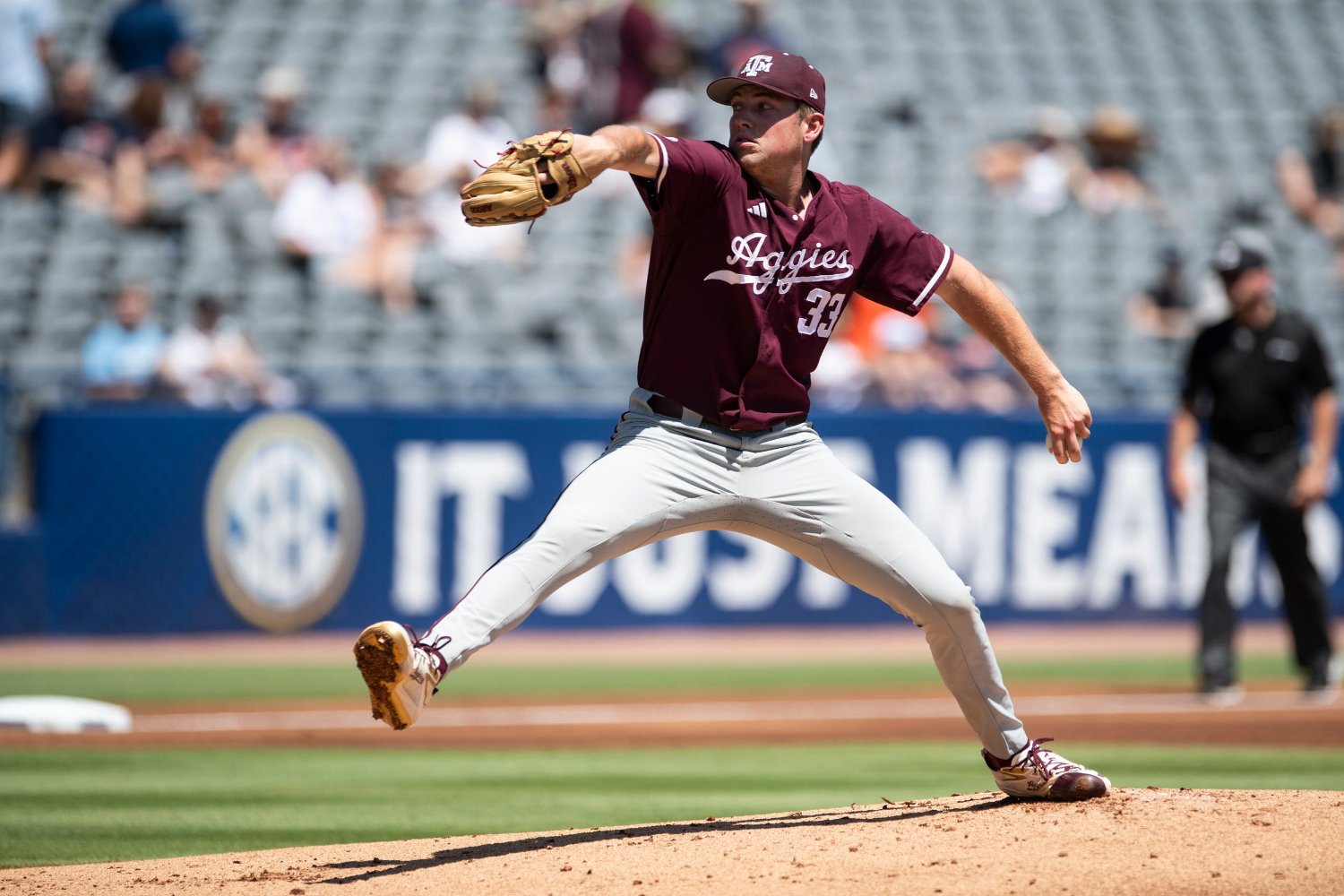 We have just completed our June voting for our Top-20 Prospects list at Royals Keep. Thank you for your votes and for helping determine this list. We remain one of the few independent Royals sites that let our community vote every month on who the Top-20 prospects are in the Royals system. If you haven't joined the community, please do so to get engaged here at Royals Keep. It hasn't been a great year for the big-league club. The Royals are 32-46, beginning a four-game series on the road in Tampa Bay. However, there have been some promising stories in the Kansas City farm system, especially in the lower levels. Here's what the new Top-20 list looks like after this most recent stretch of voting from our users and staff at Royals Keep. (New additions are in bold.) Kansas City Royals Top 20 Prospect List Kendry Chourio, RHP A+ (Previously #1) David Shields, LHP A+ (Previously #2) Josh Hammond, SS A (Previously #5) Blake Mitchell, C A+ (Previously #4) Sean Gamble, OF/2B A (Previously #3) Ramon Ramirez, C A+ (Previously #6) Drew Beam, RHP AA (Previously #7) Carson Roccaforte, CF AA (Previously #10) Asbel Gonzalez, CF A+ (Previously #8) Yandel Ricardo, SS A (Previously #11) Michael Lombardi, RHP A (Previously #14) Ben Kudrna, RHP AAA (Previously #9) Justin Lamkin, LHP AA (Previously Unranked) Felix Arronde, RHP AA (Previously #12) Blake Wolters, RHP A+ (Previously #13) Steven Zobac, RHP AA (Previously #16) Austin Charles, 3B/SS A+ (Previously Unranked) Daniel Vazquez, SS AA (Previously #18) Kamden Edge, RHP A+ (Previously Unranked) Warren Calcano, SS DSL (Previously #19) In this new list, we lost a few names from the previous ranking. Luinder Avila, who's become a starter in the Royals' rotation, graduated from prospect status. We also saw a couple of arms from the 2021 MLB Draft drop out of the Top-20. That includes former first-round pick Frank Mozzicato, who's struggled once again in Northwest Arkansas with a 7.59 ERA in 42.2 IP. Furthermore, fourth-round pick Shane Panzini also dropped from the list after struggling in Omaha. He has a 10.22 ERA in 24.2 IP with the Storm Chasers this season. Risers The following prospects were previously on the Royals Top-20 Prospects list last month and moved up in the rankings in our June voting. Those prospects are as follows: Hammond (From #5 to #3) Roccaforte (From #10 to #8) Ricardo (From #11 to #10) Lombardi (From #14 to #11) Hammond hit .290 this past month, which is solid, but his other metrics were a bit underwhelming. He posted a .333 OBP, a .667 OPS, and 80 wRC+ in 76 plate appearances in June. He also has a 0.28 BB/K ratio, highlighted by 18 strikeouts to five walks. However, Hammond had a solid game on Sunday, hitting his first home run in June. Roccaforte has gotten a lot of prospect buzz recently, especially with the plantar fasciitis injury to Kyle Isbel. Unfortunately, it hasn't been a kind June to Roccaforte. In 75 plate appearances this month, he's hitting .188 with a .637 OPS and 63 wRC+. Strikeouts have been a problem for Roccaforte this month, as he is striking out 37.3% of the time and sporting a BB/K ratio of 0.32. Despite this cold stretch, he carries a lot of upside due to his power, defense, and speed. Ricardo has been decent in June, though he was much better in May after a slow start in April. In 75 plate appearances this month, he's hitting .246 with a .663 OPS and 79 wRC+. The plate discipline has been solid from Ricardo in June, as he has a 10.7% BB% and 0.47 BB/K ratio. He also has a home run, three stolen bases, and has scored 15 runs this month for the Fireflies. Lombardi made the biggest gain of the risers, moving up three spots in the June voting. The former Tulane product has been a strikeout machine this month with 18 strikeouts in 13.1 IP, good for a 30.5% K%. Walks have been a bit of an issue, as he has a 16.9% BB% and a 1.80 K/BB ratio. Thus, it's not a surprise that his FIP is 5.34, nearly two points higher than his ERA. Nonetheless, in three starts this month, Lombardi has demonstrated an ability to strike guys out in bunches, which is what one wants to see from a pitching prospect at the Low-A level. Fallers While some Royals prospects improved their stock in June, some saw the inverse effect. Below are prospects who saw a tumble in the Top-20 voting in this past month (though they remained on the list). Gamble (From #3 to #5) Gonzalez (From #8 to #9) Kudrna (From #9 to #12) Arronde (From #12 to #14) Wolters (From #13 to #15) Calcano (From #19 to #20) Gamble, Gonzalez, and Calcano all had inconsistent offensive performances recently, especially in June. However, Gamble has at least shown progress in this past month, even though his overall numbers are poor (.179 average and 59 wRC+ in 264 PA). In 63 plate appearances in June, Gamble is hitting .292 with an .882 OPS and 143 wRC+. He is also showing improved plate discipline with a 0.92 BB/K ratio this month. Even though he tumbled in the rankings this month, he may be on his way to moving back up if he continues to build on this strong June. Gonzalez hit .250 this month in Quad Cities with 10 stolen bases. The power was paltry this month, as he had no homers and an ISO of .000. That said, he had a 0.71 BB/K ratio, which includes a 15.6% BB%. It would be nice to see his power bounce back, but at least he's not giving away at-bats in June. It's been a disappointing start for Calcano, who is repeating the DSL in 2026. In 12 games and 52 plate appearances, he's hitting .152 with a .453 OPS and 7 wRC+. He is also striking out a lot, as evidenced by his 34.6% K% and 0.22 BB/K ratio. He may be off this list in July if things don't improve. On the pitching end, Kudrna and Arronde were primarily affected by injuries this month. Kudrna is out for the year after arm surgery. Arronde returned off the IL to make two starts in June, but they've been brutal outings. He has an 11.57 ERA and 15.01 FIP in 4.2 IP with the Naturals. As for Wolters, he saw an early boost after pitching well in Columbia and earning the promotion to Quad Cities. However, it's been a rough transition to High-A ball for the 2023 second-round pick. On a positive note, Wolters has 16 strikeouts in 12.1 IP, good for a 23.2% K%. The negatives? He has a 14.59 ERA, a 1.60 K/BB ratio, and 2.92 HR/9. Control is still an issue, and he's getting hit hard. With his strikeout stuff, though, the 21-year-old is at least proving that he can be a bullpen option in the future, though he still has time in the development process. New Addition Scouting Reports No. 13 Justin Lamkin, LHP AA The 22-year-old Lamkin was drafted by the Royals in the competitive round portion of the 2025 MLB Draft (71st overall). A Texas A&M product, the lefty posted a 3.42 ERA and 1.10 WHIP in 84.1 IP with the Aggies. Lamkin was known as a strikeout machine with impeccable control in college. In his final season in College Station, he produced a 28% K% and 22.6% K-BB%. The Royals did not rush Lamkin after drafting him, as he didn't pitch at any level in the Royals system in 2025. However, he got a lot of work with the Royals' pitching development team in Surprise, Arizona, and that seemed to pay off in 2026. Lamkin began the season in High-A Quad Cities and absolutely dominated. In six starts and 28.1 IP, he posted 1.27 ERA, a 0.92 WHIP, and 3.45 FIP. He maintained his strong strikeout command from college, producing a 34.9% K% and 24.9% K-BB% with the River Bandits. That strong performance in High-A ball helped Lamkin earn a promotion to Northwest Arkansas. The former Aggie pitcher only made two starts with the Naturals before landing on the IL. While his ERA was 3.97, his WHIP was 0.97, his K% was 34.9%, and his K-BB% was 27.9%. Thus, Lamkin demonstrated all the same qualities in Double-A that made him successful in High-A before going on the IL. While he was transferred to the 60-Day IL, it sounds like the Royals are doing so to be "cautious," not because of a serious injury. Lamkin's profile is very similar to Kris Bubic's. His fastball averages only 91-93 MPH, but he generates good extension and maintains impeccable command. The former Texas A&M product sports a four-pitch mix that also includes a curveball, slider, and changeup. His slider is his best-rated secondary offering and is seen as his put-away pitch, according to scouts. While his timetable to return is unclear, Lamkin is putting himself in place to challenge for a rotation spot in 2027, as long as he stays healthy. No. 17 Austin Charles, 3B/SS High-A Charles was off to a hot start in 2026 before being sidelined due to a hip and stomach ligament issue that required surgery in early June. Charles was recently added to the 60-Day IL, and it seems unlikely that he will return to the River Bandits this season. Before the injury, the 22-year-old infielder demonstrated all the skills and intangibles that made him an intriguing prospect a couple of seasons ago in Low-A Columbia. In 30 games and 123 plate appearances, Charles was slashing .306/.377/.491 with an .868 OPS, .185 ISO, and 121 wRC+. The lanky (he's 6'5) prospect also had three home runs, 20 runs scored, 19 RBI, and eight stolen bases on nine attempts. It was a nice bounce-back for Charles after he struggled in his initial exposure in High-A in 2025 (57 wRC+ in 232 PA). Charles was a 20th-round pick in the 2022 MLB Draft out of Stockdale High School in Bakersfield. He had a commitment to UC Santa Barbara, but signed with the Royals after they offered him an overslot signing bonus of $429,500. Charles was a multi-sport athlete in high school who didn't focus solely on baseball, yet possessed intriguing offensive and defensive tools that got the attention of MLB scouts. He was always seen as a bit of a raw prospect, much like Lorenzo Cain, but Charles has developed nicely over the past couple of years and has gotten rave reviews regarding his leadership and makeup. The injury is a bummer because Charles was likely on his way to earning a promotion to Double-A ball around this time. If fully healthy, he could be making his Double-A debut on Minor League Opening Day in 2027. No. 19 Kamden Edge, RHP High-A A 20th-round pick in the 2025 MLB Draft, the right-hander out of Northern Oklahoma JC has been a sleeper that has slowly captured the attention of prospect experts. Though his ceiling isn't that high due to him being a reliever, Edge is showing the ability to thrive in high-leverage situations with the River Bandits. In 20 outings and 26.2 IP, Edge has a 2.70 ERA and 0.68 WHIP with a 36.9% K% and 28.2% K-BB%. He has three saves in four chances and two holds, and he's been able to succeed in multiple-inning outings. Edge has gotten some BABIP luck, as it sits at .128. That explains why his FIP is higher at 4.25. Nonetheless, the former JuCo product is showing Royals fans MLB reliever upside, which is what this organization needs given the MLB bullpen's struggles in 2026. The 21-year-old was named the River Bandits' pitcher of the month for May after he posted a 0.79 ERA and 0.71 WHIP that month. Edge is known for his 95-96 MPH fastball, low release, and sweeping slider. He has leveraged these traits to succeed this season with Quad Cities. Ranked as the No. 35 prospect in Fangraphs' 2026 Royals Prospects Rankings, here's what they said about Edge in their scouting report: The command has definitely taken a step forward this year. After posting an 18.3% BB% and 10% K-BB% last year with the Fireflies, he has an 8.7% BB% and 28.2% K-BB% with the River Bandits this year. That improvement in command could help him move to Double-A later this year and perhaps give him a chance to earn a spot in the MLB bullpen in 2027 Spring Training.
 -
 Abraham Toro hit for the cycle and drove in six runs as Omaha outslugged St. Paul 15-12 in 11 innings, with Brandon Drury and Josh Rojas adding key extra-base hits. Hunter Patteson worked six strong innings, and Frank Mozzicato struck out one and allowed no runs in relief for Northwest Arkansas, but the Naturals dropped a 5-4 decision. Michael Lombardi fanned seven over 4 2/3 innings, and Josh Hammond homered for Columbia, which came up a run short. Quad Cities' finale against Wisconsin was postponed due to rain. It will be made up in a doubleheader at a later date. Royals Transactions No Roster Moves Toro Completes The Cycle In Wild Omaha Slugfest Toro turned in a monster game, hitting for the cycle, driving in six runs, and helping the Omaha Storm Chasers outlast the St. Paul Saints 15-12 in 11 innings. Toro went 5-for-6 with a double, a triple, and a home run, while Drury added four hits, a homer, and three RBIs, and Matthew Lugo collected four hits, including a home run. The game swung wildly in the fourth inning, when St. Paul plated nine runs to erase an early Omaha lead and surge ahead. The Storm Chasers chipped away, with Lugo and Toro both homering in the fifth to cut the deficit to 10-8. Omaha tied the game in the eighth and pushed to extra innings. In the 11th, starting with the zombie runner at second, Drury singled home a run, and Rojas doubled in two more to break the game open for a 15-12 final. The pitching was rough on both sides, with St. Paul having to pitch shortstop Tanner Schobel in the 11th inning. Andrew Pérez opened with two innings, allowing one run on two hits while striking out four. Aaron Sanchez struggled badly, surrendering seven runs on seven hits in 1 2/3 innings. Eric Cerantola closed it out with a scoreless inning and two strikeouts. Omaha left 10 runners on base and went 10-for-23 with runners in scoring position. The Storm Chasers are now 33-41 this season. Player AB R H RBI BB K Josh Rojas 6 0 1 2 1 3 Matthew Lugo 7 2 4 1 0 2 Brett Squires 5 2 2 0 1 1 Abraham Toro 6 3 5 6 0 0 Peyton Wilson 6 1 3 1 0 0 Luca Tresh 6 0 1 0 0 2 Drew Waters 5 1 1 1 1 1 Brandon Drury 6 3 4 3 0 0 Elih Marrero 6 3 3 1 0 2 Player IP H R ER BB K HR Andrew Pérez 2 2 1 1 0 4 1 Aaron Sanchez 1 2/3 7 7 7 0 0 2 Ethan Bosacker 2 1/3 3 2 2 2 2 1 Luke Jackson 1 0 0 0 0 1 0 Dan Altavilla 1 1 1 1 0 0 1 Mason Black 1 1 0 0 0 1 0 Eli Morgan 1 1 1 0 2 3 0 Eric Cerantola 1 0 0 0 0 2 0 Naturals Bullpen Falters In Ninth As Tulsa Rallies The Northwest Arkansas Naturals carried a one-run lead into the ninth inning but could not hold on, falling 5-4 to the Tulsa Drillers. Jack Pineda paced the offense with three hits and three RBIs, while Spencer Nivens added two hits, a walk, and an RBI. Connor Scott also chipped in two hits, including a double. Northwest Arkansas built its lead methodically, even though they could not hold it at the end. The Naturals scored once in the first inning when Pineda singled home a run, added two more in the fifth on another Pineda single that brought in Scott, and pushed across a fourth run in the seventh when Nivens singled home Carson Roccaforte for a 4-2 advantage. That cushion vanished in the ninth, when Tulsa plated three runs to take the lead and the win. Patteson turned in a solid outing, allowing two runs on two hits with three walks and three strikeouts over six innings. Mozzicato followed with two scoreless innings, allowing one hit and two walks while striking out one. Augusto Mendieta took the loss, giving up three runs on five hits in the ninth. The Naturals left 11 runners on base and went 3-for-21 with runners in scoring position. The loss dropped Northwest Arkansas's record to 29-38. Player AB R H RBI BB K Carson Roccaforte 4 1 1 0 1 1 Rudy Martin Jr. 5 1 2 0 0 1 Jack Pineda 5 0 3 3 0 1 Spencer Nivens 3 0 2 1 2 0 Daniel Vazquez 5 0 0 0 0 1 Alberto Rodriguez 5 0 0 0 0 2 Canyon Brown 4 0 2 0 0 1 Connor Scott 4 1 2 0 0 1 Justin Johnson 3 1 0 0 1 0 Player IP H R ER BB K HR Hunter Patteson 6 2 2 2 3 3 2 Frank Mozzicato 2 1 0 0 2 1 0 Augusto Mendieta 1 5 3 3 0 1 0 Fireflies Comeback Bid Falls One Run Short In Hickory The Columbia Fireflies mounted a late rally but came up short, dropping a 4-3 decision to the Hickory Crawdads. JC Vanek led the way with three hits, a double, a home run, and an RBI, while Hammond reached base three times with two hits, a home run, a walk, and an RBI from the leadoff spot. Jhosmmel Zue added two hits and an RBI. The game remained quiet for most of the afternoon in the series finale on Sunday. Columbia scratched out a run in the fourth inning when Zue grounded out to bring home Vanek for a 1-0 lead. Hickory answered in the seventh, plating four runs to seize control. The Fireflies fought back, getting a solo home run from Vanek in the eighth and another from Hammond in the ninth, but stranded the tying run and fell by a single run. Lombardi was excellent, striking out seven over 4 2/3 innings while allowing four hits and a walk, with none of his three runs earned. Jose Gutierrez opened with two scoreless innings and three strikeouts. Andy Basora surrendered a run in two-thirds of an inning. Columbia left nine runners on base and went 0-for-10 with runners in scoring position. The loss dropped the Fireflies' record to 34-35. Player AB R H RBI BB K Josh Hammond 4 1 2 1 1 1 Stone Russell 5 0 1 0 0 1 Hyungchan Um 5 0 0 0 0 1 JC Vanek 4 2 3 1 0 0 Roni Cabrera 4 0 1 0 0 2 Jhosmmel Zue 4 0 2 1 0 1 Angel Ramirez 3 0 0 0 1 0 Ivan Sosa 4 0 1 0 0 3 Josi Novas 4 0 1 0 0 2 Player IP H R ER BB K HR Jose Gutierrez 2 0 0 0 0 3 0 Michael Lombardi 4 2/3 4 3 0 1 7 0 Andy Basora 2/3 1 1 1 0 1 1 Jhon Reyes 2/3 0 0 0 1 2 0 Top-20 Prospect Performance Kendry Chourio: DNP David Shields: DNP Sean Gamble: DNP Blake Mitchell: DNP Josh Hammond: 2-for-4, HR, BB, K Ramon Ramirez: DNP Drew Beam: DNP Asbel Gonzalez: DNP Ben Kudrna: DNP Carson Roccaforte: 1-for-4, BB, K, SB Yandel Ricardo: DNP Felix Arronde: DNP Blake Wolters: DNP Michael Lombardi: 4 2/3 IP, 4 H, 3 R, 0 ER, 1 BB, 7 K Luinder Avila: DNP Steven Zobac: DNP Frank Mozzicato: 2 IP, 1 H, 0 R, 0 ER, 2 BB, 1 K Daniel Vazquez: 0-for-5, K Warren Colcano: DNP Shane Panzini: DNP
 -
Abraham Toro hit for the cycle and drove in six runs as Omaha outslugged St. Paul 15-12 in 11 innings, with Brandon Drury and Josh Rojas adding key extra-base hits. Hunter Patteson worked six strong innings, and Frank Mozzicato struck out one and allowed no runs in relief for Northwest Arkansas, but the Naturals dropped a 5-4 decision. Michael Lombardi fanned seven over 4 2/3 innings, and Josh Hammond homered for Columbia, which came up a run short. Quad Cities' finale against Wisconsin was postponed due to rain. It will be made up in a doubleheader at a later date. Royals Transactions No Roster Moves Toro Completes The Cycle In Wild Omaha Slugfest Toro turned in a monster game, hitting for the cycle, driving in six runs, and helping the Omaha Storm Chasers outlast the St. Paul Saints 15-12 in 11 innings. Toro went 5-for-6 with a double, a triple, and a home run, while Drury added four hits, a homer, and three RBIs, and Matthew Lugo collected four hits, including a home run. The game swung wildly in the fourth inning, when St. Paul plated nine runs to erase an early Omaha lead and surge ahead. The Storm Chasers chipped away, with Lugo and Toro both homering in the fifth to cut the deficit to 10-8. Omaha tied the game in the eighth and pushed to extra innings. In the 11th, starting with the zombie runner at second, Drury singled home a run, and Rojas doubled in two more to break the game open for a 15-12 final. The pitching was rough on both sides, with St. Paul having to pitch shortstop Tanner Schobel in the 11th inning. Andrew Pérez opened with two innings, allowing one run on two hits while striking out four. Aaron Sanchez struggled badly, surrendering seven runs on seven hits in 1 2/3 innings. Eric Cerantola closed it out with a scoreless inning and two strikeouts. Omaha left 10 runners on base and went 10-for-23 with runners in scoring position. The Storm Chasers are now 33-41 this season. Player AB R H RBI BB K Josh Rojas 6 0 1 2 1 3 Matthew Lugo 7 2 4 1 0 2 Brett Squires 5 2 2 0 1 1 Abraham Toro 6 3 5 6 0 0 Peyton Wilson 6 1 3 1 0 0 Luca Tresh 6 0 1 0 0 2 Drew Waters 5 1 1 1 1 1 Brandon Drury 6 3 4 3 0 0 Elih Marrero 6 3 3 1 0 2 Player IP H R ER BB K HR Andrew Pérez 2 2 1 1 0 4 1 Aaron Sanchez 1 2/3 7 7 7 0 0 2 Ethan Bosacker 2 1/3 3 2 2 2 2 1 Luke Jackson 1 0 0 0 0 1 0 Dan Altavilla 1 1 1 1 0 0 1 Mason Black 1 1 0 0 0 1 0 Eli Morgan 1 1 1 0 2 3 0 Eric Cerantola 1 0 0 0 0 2 0 Naturals Bullpen Falters In Ninth As Tulsa Rallies The Northwest Arkansas Naturals carried a one-run lead into the ninth inning but could not hold on, falling 5-4 to the Tulsa Drillers. Jack Pineda paced the offense with three hits and three RBIs, while Spencer Nivens added two hits, a walk, and an RBI. Connor Scott also chipped in two hits, including a double. Northwest Arkansas built its lead methodically, even though they could not hold it at the end. The Naturals scored once in the first inning when Pineda singled home a run, added two more in the fifth on another Pineda single that brought in Scott, and pushed across a fourth run in the seventh when Nivens singled home Carson Roccaforte for a 4-2 advantage. That cushion vanished in the ninth, when Tulsa plated three runs to take the lead and the win. Patteson turned in a solid outing, allowing two runs on two hits with three walks and three strikeouts over six innings. Mozzicato followed with two scoreless innings, allowing one hit and two walks while striking out one. Augusto Mendieta took the loss, giving up three runs on five hits in the ninth. The Naturals left 11 runners on base and went 3-for-21 with runners in scoring position. The loss dropped Northwest Arkansas's record to 29-38. Player AB R H RBI BB K Carson Roccaforte 4 1 1 0 1 1 Rudy Martin Jr. 5 1 2 0 0 1 Jack Pineda 5 0 3 3 0 1 Spencer Nivens 3 0 2 1 2 0 Daniel Vazquez 5 0 0 0 0 1 Alberto Rodriguez 5 0 0 0 0 2 Canyon Brown 4 0 2 0 0 1 Connor Scott 4 1 2 0 0 1 Justin Johnson 3 1 0 0 1 0 Player IP H R ER BB K HR Hunter Patteson 6 2 2 2 3 3 2 Frank Mozzicato 2 1 0 0 2 1 0 Augusto Mendieta 1 5 3 3 0 1 0 Fireflies Comeback Bid Falls One Run Short In Hickory The Columbia Fireflies mounted a late rally but came up short, dropping a 4-3 decision to the Hickory Crawdads. JC Vanek led the way with three hits, a double, a home run, and an RBI, while Hammond reached base three times with two hits, a home run, a walk, and an RBI from the leadoff spot. Jhosmmel Zue added two hits and an RBI. The game remained quiet for most of the afternoon in the series finale on Sunday. Columbia scratched out a run in the fourth inning when Zue grounded out to bring home Vanek for a 1-0 lead. Hickory answered in the seventh, plating four runs to seize control. The Fireflies fought back, getting a solo home run from Vanek in the eighth and another from Hammond in the ninth, but stranded the tying run and fell by a single run. Lombardi was excellent, striking out seven over 4 2/3 innings while allowing four hits and a walk, with none of his three runs earned. Jose Gutierrez opened with two scoreless innings and three strikeouts. Andy Basora surrendered a run in two-thirds of an inning. Columbia left nine runners on base and went 0-for-10 with runners in scoring position. The loss dropped the Fireflies' record to 34-35. Player AB R H RBI BB K Josh Hammond 4 1 2 1 1 1 Stone Russell 5 0 1 0 0 1 Hyungchan Um 5 0 0 0 0 1 JC Vanek 4 2 3 1 0 0 Roni Cabrera 4 0 1 0 0 2 Jhosmmel Zue 4 0 2 1 0 1 Angel Ramirez 3 0 0 0 1 0 Ivan Sosa 4 0 1 0 0 3 Josi Novas 4 0 1 0 0 2 Player IP H R ER BB K HR Jose Gutierrez 2 0 0 0 0 3 0 Michael Lombardi 4 2/3 4 3 0 1 7 0 Andy Basora 2/3 1 1 1 0 1 1 Jhon Reyes 2/3 0 0 0 1 2 0 Top-20 Prospect Performance Kendry Chourio: DNP David Shields: DNP Sean Gamble: DNP Blake Mitchell: DNP Josh Hammond: 2-for-4, HR, BB, K Ramon Ramirez: DNP Drew Beam: DNP Asbel Gonzalez: DNP Ben Kudrna: DNP Carson Roccaforte: 1-for-4, BB, K, SB Yandel Ricardo: DNP Felix Arronde: DNP Blake Wolters: DNP Michael Lombardi: 4 2/3 IP, 4 H, 3 R, 0 ER, 1 BB, 7 K Luinder Avila: DNP Steven Zobac: DNP Frank Mozzicato: 2 IP, 1 H, 0 R, 0 ER, 2 BB, 1 K Daniel Vazquez: 0-for-5, K Warren Colcano: DNP Shane Panzini: DNP View full article
-
 Week in a Nutshell It wasn't a great start for the Kansas City Royals last week. They lost their first two games against the Washington Nationals in D.C. However, the Royals salvaged the series against Washington with a win in the third game and went on to win two straight against their I-70 rival back at Kauffman Stadium. While they were unable to complete the sweep over the weekend, the offense came alive with 10 runs and had a chance to tie the game in the bottom of the ninth. The Royals' offense was the most potent in baseball over the past week. They tied for second in home runs and ranked first in OPS over the past seven days. Unfortunately, they ranked 28th in ERA and 27th in WHIP, which explains their .500 record in this most recent stretch of games. Record this Week: 3-3 Run Differential for the Week: +5 Record for the Year: 32-46 Run Differential for the Year: -44 Standing: 5th in the AL Central One Sentence Game Summaries Game 73: WSH 7, KC 3 Mitch Spence, predictably, is not sharp enough in the series opener against the Nationals. Game 74: WSH 6, KC 4 Former Royal Foster Griffin and Nine-hole hitter Nasim Nunez carry the day for the Nationals. Game 75: KC 6, WSH 2 Luinder Avila strikes back in the Nation's Capital. Game 76: KC 14, STL 6 Royals bombard Cardinals pitching early, and Salvador Perez becomes the new HR King of Kauffman, but Bobby Witt Jr. is injured. Game 77: KC 6, STL 5 Cardinals nearly come back in the ninth, but Alex Lange closes it out. Game 78: STL 12, KC 10 It's all about runs and home runs, baby! News and Notes The week started out with an acquisition, as the Royals acquired some much-needed pitching depth on June 15th. Kansas City traded low-level Minor League reliever Denis Samudio for Toronto's Connor Seabold, who was recently designated for assignment. Additionally, the Royals also promoted Spence to make the start on Monday against the Nationals. After Spence's start, the Royals promptly optioned him to Omaha and called up the recently acquired Seabold to add depth to the Royals bullpen. A Minor League move that got some attention was the promotion of No. 1 Royals prospect Kendry Chourio to High-A. Chourio posted a 1.88 ERA in Low-A Columbia as an 18-year-old. In his Quad Cities debut, Chourio gave up seven runs (five earned) in 4.2 IP, but he struck out 10 hitters. Those strikeouts are nice to see, even if the High-A debut was mixed. The Royals continued to add to their pitching depth this week with a couple of acquisitions of arms. On June 17th, Kansas City added former Twins pitcher Randy Dobnak, who was pitching in the Seattle Mariners organization. The Mariners received cash in exchange for the 31-year-old pitcher who is currently in Omaha (he made his Storm Chasers debut on Friday). On June 20th, the Royals signed left-handed pitcher Matt Moore to a Minor League deal. Moore was once a top prospect in the Rays system who made an All-Star team with Tampa Bay. He also found success as a reliever with the Giants and Angels. However, he hasn't pitched since 2024 due to arm injuries. Lastly, after going on the 7-Day IL for concussion protocol after getting hit in the head by a line drive, Seth Lugo made his return to the Royals rotation on Friday, April 19th. Mason Black was optioned to Omaha to make room for Lugo on the active roster. In the Royals' 6-5 win over the Cardinals, Lugo went six innings and allowed two runs (one earned) on five hits and three walks with no strikeouts. He not only produced a quality start but also earned the win. The worst Royals news of the week came on Thursday, as Witt tweaked his knee during a tough play in the hole with the bases loaded. On Friday morning, it was reported that Witt had suffered a grade 1 MCL sprain. Manager Matt Quatraro kept Witt out of the lineup on Friday and Sunday against the Cardinals, but they have not added Witt to the 10-Day IL. They want to continue to monitor him and re-evaluate before the trip to Tampa Bay, especially since he's walking around okay. The Royals play against the Rays on Monday. Thus, it's likely that they will announce a decision with Witt in the morning, whether it's an IL stint or just regular days off in between games until he's 100 percent. Highlights Like last week, the Royals' offense carried the club over this past week of games. Kansas City thrived in nearly every offensive category as a team over the past seven days. Their .956 OPS was tops in the league this week. Their .313 batting average was the second-highest mark by a team this week, and they also tied for second in home runs with 13 (only the Angels had more, and they played this week in Sacramento). The Royals also ranked third in runs scored with 43, and their 38 strikeouts were the seventh-fewest in baseball over the past seven days. There has been a much more aggressive approach in June, but it still seemed to pay off in a decent number of walks and a solid OBP this week. Their 20 walks were the 10th-most in baseball, and their .375 OBP ranked 4th as well. While the Royals certainly received a ton of grief earlier in the year for their struggles and inconsistency, they have put that behind them in June, despite the injuries. For context, over the past 30 days, the Royals rank 11th in OPS, are tied for 2nd in batting average (with Milwaukee), are tied for 9th in runs scored, rank 4th in stolen bases, and rank 8th in OBP. The only downside for this team has been home runs, as they rank 23rd in home runs over the past 30 days. However, they certainly added to that total on Sunday with four against the Cardinals. Individually, it was the Carter Jensen and Jac Caglianone Show this week. Jensen had the best week overall, with 10 hits in 20 at-bats, good for a .500 average. He also posted a 1.515 OPS, a .565 OBP, and launched two home runs, including one on Sunday against St. Louis lefty JoJo Romero. In addition to power, Jensen flashed an excellent eye at the plate this week. He had three walks to only two strikeouts. The former Park Hill High School product is looking more comfortable in the leadoff spot. He is currently slashing .279/.333/.554 with an .877 OPS in 68 at-bats at leadoff. Cags had a great week in our last Week In Review, and it was more of the same from him in the past seven days. In 25 at-bats this week, the former Florida product had eight hits, the second-most of any Royals hitters this week. He slashed .323/.393/.840 with 1.233 OPS. That included four home runs, seven runs scored, and seven RBI. On Sunday, Caglianone launched two bombs, with both home runs making their way into the fountains. His second home run of the game got the Royals within three and came off of Cardinals closer Riley O'Brien, who's been struggling over the past two months with ERA marks of 6.30 in May and 7.71 in June. With Vinnie Pasquantino on the IL and Witt and Maikel Garcia going through their own injury issues, the Royals are depending on Caglianone to keep up this production in the No. 3 spot in the batting order. He is now hitting .275 with an .829 OPS in 272 plate appearances, and he has 12 home runs to boot. Furthermore, his Statcast percentiles have been impressive this year, especially in barrels, exit velocity, and hard-hit rate. Nick Loftin also had a strong week for the Royals, primarily filling in at third base with Garcia still going through some issues with his hand. In 22 at-bats, he hit .318 with a 1.036 OPS, and he launched his second home run of the year on Sunday against the Cardinals. Lane Thomas has also been trending in the right direction offensively. He had two home runs in the Nationals series (his former team), and he hit .269 with a .922 OPS in 26 at-bats. He also had three walks to three strikeouts, continuing to show the plate approach that this Royals lineup needs. Lastly, Salvy made history this week with his 10th home run of the year on Thursday against the Cardinals. His homer made him the all-time leader in home runs at Kauffman Stadium. He was previously tied with Hall of Famer George Brett. It hasn't been the best year for Salvy, but it seems like his power is finally coming around (.462 slugging this week), which means that he could be closing in on being the Royals' all-time home run champ sooner rather than later. Lowlights Notice how I didn't mention any pitching in the highlights? That's because it was a brutal week for the Royals pitching staff as a whole. Stephen Kolek had a nightmare outing on Sunday, as he gave up nine runs on nine hits (including three home runs) and one walk in 1.2 IP. When looking at his TJ Stuff+ from his outing against the Cardinals, nothing went right for Kolek: he couldn't find the strike zone, he couldn't generate chases or whiffs, and his stuff, which rated as subpar (95 TJ Stuff+), got hit hard. On a positive note, Avila had a nightmare outing on Friday, June 12th, at home, and he ended up having a great outing against the Nationals on Wednesday (5.2 IP, 3 H, 1 R, 1 BB, 5 K). Let's hope that this was just an example of a bad outing on a hitter-friendly day (May for St. Louis only lasted two innings as well and allowed six runs). Matt Strahm's freefall continued this week. In three outings and 2 IP, he allowed four runs on five hits and two walks. While he didn't give up any home runs, he didn't generate any strikeouts, and his TJ Stuff+, chase, and whiff rates this week looked pretty paltry, according to TJ Stuff+ data. Strahm didn't give up a run on Sunday, but he didn't look too crisp either. He allowed one hit and one run and had runners in scoring position. While he got out of the jam, his command struggles continued to varying degrees on Sunday (he had two wild pitches). Daniel Lynch IV also had a tough week on the mound for the Royals. In two outings, he gave up three runs on two hits (one home run) and two walks. He had only one strikeout, an ERA of13.50, and his WHIP was 2.00. The TJ Stuff+ wasn't too out of character for him this week, but he struggled in all the major categories, including zone rate, chase rate, whiff rate, and xwOBACON. Lynch remains one of the Royals' best trade chips. That said, he's seen his ERA go from 0.87 in April to 3.00 in May to 4.15 in June. He's not been trending in the right direction, and he's showing that he may not be able to handle those "closer" opportunities either, as Quatraro has preferred Lange in ninth-inning spots. Looking Ahead The Royals hit the road again for seven games in seven days, a tough stretch that will test their pitching depth (which wasn't helped today by the Royals only getting 1.2 innings from Kolek). Kansas City first visits the Tampa Bay Rays, who are second in the AL East with a record of 43-31. The Ratys rank last in the league in home runs, but they rank third in batting average and fourth in OBP. Despite high totals, runs have been inconsistent. They rank 18th in runs scored. Nonetheless, they have some talented hitters in the lineup, such as Junior Caminero and Yandy Diaz. The Rays' pitching staff is solid, and the Royals will face Drew Rasmussen and Shane McClanahan to begin the series. They don't strike out a ton of batters (they rank 20th in K%), but they don't walk batters (they rank 4th in BB%), and they take advantage of their stellar defense. The Rays' .273 BABIP is fourth-lowest in the league. An Achilles' heel for this pitching staff is its propensity to allow the long ball. They are allowing a 1.21 HR/9, which ranks 20th. Hence, if the Royals can continue to hit the ball hard as they did against St. Louis, they could put pressure on this Tampa Bay pitching staff. After a four-game series with the Rays, the Royals travel to the South Side for a three-game series against the White Sox. Chicago is having a breakout season. They are 39-37, good for second in the AL Central. They don't hit for a high average (23rd), but they draw walks (13th in OBP) and hit bombs. They rank second in the league in home runs, and they have two players with 20 home runs this year already (including one on the IL). That said, the White Sox pitching staff isn't much better than the Royals'. They rank 20th in ERA and 21st in FIP. Furthermore, their 4.47 FIP is only four points better than the Royals' FIP. Thus, it could be a case of which pitching staff breaks first this weekend at Rate Field. While the Royals won two of three this past weekend, the White Sox were swept by the Tigers in Detroit, who are 33-44 and second-to-last in the AL Central. Thus, the White Sox are trending in the wrong direction after building so much momentum earlier in June. That gives an opportunity for the Royals to surprise in Chicago, especially if the White Sox can't make up any ground in a three-game series with the Cleveland Guardians from June 22nd to the 24th at the Rate.
 -
Image courtesy of Peter Aiken-Imagn Images Week in a Nutshell It wasn't a great start for the Kansas City Royals last week. They lost their first two games against the Washington Nationals in D.C. However, the Royals salvaged the series against Washington with a win in the third game and went on to win two straight against their I-70 rival back at Kauffman Stadium. While they were unable to complete the sweep over the weekend, the offense came alive with 10 runs and had a chance to tie the game in the bottom of the ninth. The Royals' offense was the most potent in baseball over the past week. They tied for second in home runs and ranked first in OPS over the past seven days. Unfortunately, they ranked 28th in ERA and 27th in WHIP, which explains their .500 record in this most recent stretch of games. Record this Week: 3-3 Run Differential for the Week: +5 Record for the Year: 32-46 Run Differential for the Year: -44 Standing: 5th in the AL Central One Sentence Game Summaries Game 73: WSH 7, KC 3 Mitch Spence, predictably, is not sharp enough in the series opener against the Nationals. Game 74: WSH 6, KC 4 Former Royal Foster Griffin and Nine-hole hitter Nasim Nunez carry the day for the Nationals. Game 75: KC 6, WSH 2 Luinder Avila strikes back in the Nation's Capital. Game 76: KC 14, STL 6 Royals bombard Cardinals pitching early, and Salvador Perez becomes the new HR King of Kauffman, but Bobby Witt Jr. is injured. Game 77: KC 6, STL 5 Cardinals nearly come back in the ninth, but Alex Lange closes it out. Game 78: STL 12, KC 10 It's all about runs and home runs, baby! News and Notes The week started out with an acquisition, as the Royals acquired some much-needed pitching depth on June 15th. Kansas City traded low-level Minor League reliever Denis Samudio for Toronto's Connor Seabold, who was recently designated for assignment. Additionally, the Royals also promoted Spence to make the start on Monday against the Nationals. After Spence's start, the Royals promptly optioned him to Omaha and called up the recently acquired Seabold to add depth to the Royals bullpen. A Minor League move that got some attention was the promotion of No. 1 Royals prospect Kendry Chourio to High-A. Chourio posted a 1.88 ERA in Low-A Columbia as an 18-year-old. In his Quad Cities debut, Chourio gave up seven runs (five earned) in 4.2 IP, but he struck out 10 hitters. Those strikeouts are nice to see, even if the High-A debut was mixed. The Royals continued to add to their pitching depth this week with a couple of acquisitions of arms. On June 17th, Kansas City added former Twins pitcher Randy Dobnak, who was pitching in the Seattle Mariners organization. The Mariners received cash in exchange for the 31-year-old pitcher who is currently in Omaha (he made his Storm Chasers debut on Friday). On June 20th, the Royals signed left-handed pitcher Matt Moore to a Minor League deal. Moore was once a top prospect in the Rays system who made an All-Star team with Tampa Bay. He also found success as a reliever with the Giants and Angels. However, he hasn't pitched since 2024 due to arm injuries. Lastly, after going on the 7-Day IL for concussion protocol after getting hit in the head by a line drive, Seth Lugo made his return to the Royals rotation on Friday, April 19th. Mason Black was optioned to Omaha to make room for Lugo on the active roster. In the Royals' 6-5 win over the Cardinals, Lugo went six innings and allowed two runs (one earned) on five hits and three walks with no strikeouts. He not only produced a quality start but also earned the win. The worst Royals news of the week came on Thursday, as Witt tweaked his knee during a tough play in the hole with the bases loaded. On Friday morning, it was reported that Witt had suffered a grade 1 MCL sprain. Manager Matt Quatraro kept Witt out of the lineup on Friday and Sunday against the Cardinals, but they have not added Witt to the 10-Day IL. They want to continue to monitor him and re-evaluate before the trip to Tampa Bay, especially since he's walking around okay. The Royals play against the Rays on Monday. Thus, it's likely that they will announce a decision with Witt in the morning, whether it's an IL stint or just regular days off in between games until he's 100 percent. Highlights Like last week, the Royals' offense carried the club over this past week of games. Kansas City thrived in nearly every offensive category as a team over the past seven days. Their .956 OPS was tops in the league this week. Their .313 batting average was the second-highest mark by a team this week, and they also tied for second in home runs with 13 (only the Angels had more, and they played this week in Sacramento). The Royals also ranked third in runs scored with 43, and their 38 strikeouts were the seventh-fewest in baseball over the past seven days. There has been a much more aggressive approach in June, but it still seemed to pay off in a decent number of walks and a solid OBP this week. Their 20 walks were the 10th-most in baseball, and their .375 OBP ranked 4th as well. While the Royals certainly received a ton of grief earlier in the year for their struggles and inconsistency, they have put that behind them in June, despite the injuries. For context, over the past 30 days, the Royals rank 11th in OPS, are tied for 2nd in batting average (with Milwaukee), are tied for 9th in runs scored, rank 4th in stolen bases, and rank 8th in OBP. The only downside for this team has been home runs, as they rank 23rd in home runs over the past 30 days. However, they certainly added to that total on Sunday with four against the Cardinals. Individually, it was the Carter Jensen and Jac Caglianone Show this week. Jensen had the best week overall, with 10 hits in 20 at-bats, good for a .500 average. He also posted a 1.515 OPS, a .565 OBP, and launched two home runs, including one on Sunday against St. Louis lefty JoJo Romero. In addition to power, Jensen flashed an excellent eye at the plate this week. He had three walks to only two strikeouts. The former Park Hill High School product is looking more comfortable in the leadoff spot. He is currently slashing .279/.333/.554 with an .877 OPS in 68 at-bats at leadoff. Cags had a great week in our last Week In Review, and it was more of the same from him in the past seven days. In 25 at-bats this week, the former Florida product had eight hits, the second-most of any Royals hitters this week. He slashed .323/.393/.840 with 1.233 OPS. That included four home runs, seven runs scored, and seven RBI. On Sunday, Caglianone launched two bombs, with both home runs making their way into the fountains. His second home run of the game got the Royals within three and came off of Cardinals closer Riley O'Brien, who's been struggling over the past two months with ERA marks of 6.30 in May and 7.71 in June. With Vinnie Pasquantino on the IL and Witt and Maikel Garcia going through their own injury issues, the Royals are depending on Caglianone to keep up this production in the No. 3 spot in the batting order. He is now hitting .275 with an .829 OPS in 272 plate appearances, and he has 12 home runs to boot. Furthermore, his Statcast percentiles have been impressive this year, especially in barrels, exit velocity, and hard-hit rate. Nick Loftin also had a strong week for the Royals, primarily filling in at third base with Garcia still going through some issues with his hand. In 22 at-bats, he hit .318 with a 1.036 OPS, and he launched his second home run of the year on Sunday against the Cardinals. Lane Thomas has also been trending in the right direction offensively. He had two home runs in the Nationals series (his former team), and he hit .269 with a .922 OPS in 26 at-bats. He also had three walks to three strikeouts, continuing to show the plate approach that this Royals lineup needs. Lastly, Salvy made history this week with his 10th home run of the year on Thursday against the Cardinals. His homer made him the all-time leader in home runs at Kauffman Stadium. He was previously tied with Hall of Famer George Brett. It hasn't been the best year for Salvy, but it seems like his power is finally coming around (.462 slugging this week), which means that he could be closing in on being the Royals' all-time home run champ sooner rather than later. Lowlights Notice how I didn't mention any pitching in the highlights? That's because it was a brutal week for the Royals pitching staff as a whole. Stephen Kolek had a nightmare outing on Sunday, as he gave up nine runs on nine hits (including three home runs) and one walk in 1.2 IP. When looking at his TJ Stuff+ from his outing against the Cardinals, nothing went right for Kolek: he couldn't find the strike zone, he couldn't generate chases or whiffs, and his stuff, which rated as subpar (95 TJ Stuff+), got hit hard. On a positive note, Avila had a nightmare outing on Friday, June 12th, at home, and he ended up having a great outing against the Nationals on Wednesday (5.2 IP, 3 H, 1 R, 1 BB, 5 K). Let's hope that this was just an example of a bad outing on a hitter-friendly day (May for St. Louis only lasted two innings as well and allowed six runs). Matt Strahm's freefall continued this week. In three outings and 2 IP, he allowed four runs on five hits and two walks. While he didn't give up any home runs, he didn't generate any strikeouts, and his TJ Stuff+, chase, and whiff rates this week looked pretty paltry, according to TJ Stuff+ data. Strahm didn't give up a run on Sunday, but he didn't look too crisp either. He allowed one hit and one run and had runners in scoring position. While he got out of the jam, his command struggles continued to varying degrees on Sunday (he had two wild pitches). Daniel Lynch IV also had a tough week on the mound for the Royals. In two outings, he gave up three runs on two hits (one home run) and two walks. He had only one strikeout, an ERA of13.50, and his WHIP was 2.00. The TJ Stuff+ wasn't too out of character for him this week, but he struggled in all the major categories, including zone rate, chase rate, whiff rate, and xwOBACON. Lynch remains one of the Royals' best trade chips. That said, he's seen his ERA go from 0.87 in April to 3.00 in May to 4.15 in June. He's not been trending in the right direction, and he's showing that he may not be able to handle those "closer" opportunities either, as Quatraro has preferred Lange in ninth-inning spots. Looking Ahead The Royals hit the road again for seven games in seven days, a tough stretch that will test their pitching depth (which wasn't helped today by the Royals only getting 1.2 innings from Kolek). Kansas City first visits the Tampa Bay Rays, who are second in the AL East with a record of 43-31. The Ratys rank last in the league in home runs, but they rank third in batting average and fourth in OBP. Despite high totals, runs have been inconsistent. They rank 18th in runs scored. Nonetheless, they have some talented hitters in the lineup, such as Junior Caminero and Yandy Diaz. The Rays' pitching staff is solid, and the Royals will face Drew Rasmussen and Shane McClanahan to begin the series. They don't strike out a ton of batters (they rank 20th in K%), but they don't walk batters (they rank 4th in BB%), and they take advantage of their stellar defense. The Rays' .273 BABIP is fourth-lowest in the league. An Achilles' heel for this pitching staff is its propensity to allow the long ball. They are allowing a 1.21 HR/9, which ranks 20th. Hence, if the Royals can continue to hit the ball hard as they did against St. Louis, they could put pressure on this Tampa Bay pitching staff. After a four-game series with the Rays, the Royals travel to the South Side for a three-game series against the White Sox. Chicago is having a breakout season. They are 39-37, good for second in the AL Central. They don't hit for a high average (23rd), but they draw walks (13th in OBP) and hit bombs. They rank second in the league in home runs, and they have two players with 20 home runs this year already (including one on the IL). That said, the White Sox pitching staff isn't much better than the Royals'. They rank 20th in ERA and 21st in FIP. Furthermore, their 4.47 FIP is only four points better than the Royals' FIP. Thus, it could be a case of which pitching staff breaks first this weekend at Rate Field. While the Royals won two of three this past weekend, the White Sox were swept by the Tigers in Detroit, who are 33-44 and second-to-last in the AL Central. Thus, the White Sox are trending in the wrong direction after building so much momentum earlier in June. That gives an opportunity for the Royals to surprise in Chicago, especially if the White Sox can't make up any ground in a three-game series with the Cleveland Guardians from June 22nd to the 24th at the Rate. View full article
-
 Four Royals affiliates fell on the same night despite individual standouts. Drew Beam dominated for Northwest Arkansas, allowing one run over 7 1/3 innings with five strikeouts before the bullpen faltered in extras. Matthew Lugo and Drew Waters homered for Omaha in a 10-inning loss. Blake Wolters struck out six for Quad Cities, and Josh Hammond collected three hits for Columbia. Shane Van Dam logged 5 2/3 innings in the Fireflies' shutout defeat. Royals Transactions No Roster Moves Lugo And Waters Go Deep, But Storm Chasers Fall In Ten The Omaha Storm Chasers traded blows with the Iowa hosts before losing 7-6 in ten innings. Lugo led the offense, going 2-for-5 with a double and a solo home run, his fifth, in the third inning. Waters followed immediately with a solo shot of his own, his ninth, to give Omaha a 4-2 lead in that third frame. The early scoring came in bunches, as both clubs plated runs in each of the first three innings. Brett Squires singled home Lugo in the first, and Kevin Newman doubled home Gavin Cross in the second. Mitch Spence carried the bulk of the work on the mound, allowing four runs on five hits over six innings with one walk and four strikeouts. Omaha kept fighting late, with Abraham Toro doubling home Josh Rojas in the seventh and Rojas delivering a sacrifice fly that scored Cross to tie the game 6-6 in the eighth. The hosts walked it off with a run in the tenth. Cross reached three times on a hit and two walks and scored twice, while Brandon Drury added two hits. Omaha left ten runners on base, a tally that loomed large in a one-run defeat. The Storm Chasers generated plenty of traffic and timely power but could not push across the deciding run in the extra frame. Player AB R H RBI BB K Josh Rojas 3 1 1 1 1 0 Matthew Lugo 5 2 2 1 0 0 Brett Squires 5 0 1 1 0 1 Abraham Toro 4 0 1 1 0 1 Drew Waters 4 1 1 1 1 1 Brandon Drury 4 0 2 0 1 0 Gavin Cross 4 2 1 0 1 2 Luke Maile 4 0 1 0 0 2 Elih Marrero 1 0 0 0 0 0 Kevin Newman 5 0 1 1 0 2 Player IP H R ER BB K HR Jose Cuas 2/3 3 2 2 0 1 0 Ben Sears 1 2 0 0 1 0 0 Mitch Spence 6 5 4 4 1 4 3 Génesis Cabrera 1 1 0 0 0 1 0 Anthony Gose 1 1 1 0 0 3 0 Naturals Bullpen Squanders Beam's Gem In Extra-Inning Loss Drew Beam was excellent for the Northwest Arkansas Naturals, working 7 1/3 innings and allowing one run on two hits with one walk and five strikeouts. The Naturals broke a scoreless game in the seventh. Omar Hernandez reached on a sacrifice bunt and a throwing error that let Jack Pineda score, then Justin Johnson doubled home Hernandez, and Colton Becker doubled home Johnson for a 3-0 lead. Canyon Brown added a two-run double in the eighth, scoring Pineda and Hernandez to push the lead to 5-1. The bullpen could not hold it, however. Zachary Cawyer allowed two runs over two innings, and after a scoreless frame from Caden Monke, Dennis Colleran Jr. surrendered four runs while recording just one out in the eleventh. The Tulsa visitors plated four in the ninth and two in the eleventh to win 7-5. Brown finished 2-for-5 with two RBIs, Carson Roccaforte reached three times on a hit and two walks, and Pineda walked three times and scored twice. The Naturals stranded 12 runners on the night, repeatedly failing to add insurance. Beam's outing was the clear highlight, as he carried a no-hit bid deep before the offense and bullpen could not deliver the finish his start deserved. Player AB R H RBI BB K Carson Roccaforte 4 0 1 0 2 0 Colton Becker 5 0 1 1 0 1 Sam Kulasingam 5 0 0 0 1 4 Spencer Nivens 5 0 1 0 0 2 Daniel Vazquez 4 0 1 0 0 1 Jack Pineda 2 2 1 0 3 0 Omar Hernandez 4 2 1 0 0 0 Canyon Brown 5 0 2 2 0 1 Justin Johnson 5 1 1 1 0 3 Player IP H R ER BB K HR Drew Beam 7 1/3 2 1 1 1 5 1 Zachary Cawyer 2 1 2 1 2 5 1 Caden Monke 2/3 0 0 0 0 0 0 Dennis Colleran Jr. 1/3 3 4 4 1 0 2 Brandon Johnson 2/3 0 0 0 0 1 0 River Bandits Buried By Big Fourth In Lopsided Loss The Quad Cities River Bandits managed only one run in a 14-1 loss to the Wisconsin hosts. Wolters got the start and absorbed the most damage, working 4 2/3 innings and allowing six runs on five hits with three walks and six strikeouts. The visitors broke through against him with a four-run fourth, capped by a run-scoring single, an RBI double, a run-scoring fielder's choice, and a sacrifice fly that built a 4-0 lead. Nick Conte followed and gave up two more across the fifth and sixth, including a two-run double in the sixth. Cory Ronan then surrendered home runs in the seventh and eighth, and Angel Acosta allowed a solo shot in the ninth as the hosts steadily pulled away. Quad Cities avoided the shutout in the sixth, when Tyriq Kemp lifted a sacrifice fly to left field that scored Ramon Ramirez. That was the lone bright spot on the scoreboard for the River Bandits, who otherwise found little traction against Wisconsin pitching. Nolan Sailors paced the offense with a 3-for-4 night that included a triple, and Ramirez added a hit and scored the team's only run. Quad Cities drew eight walks but stranded 11 runners, repeatedly failing to convert chances into runs. Blake Mitchell walked once but struck out three times, and Diego Guzman also struck out three times. Wolters generated swings and misses in volume with his six strikeouts, but the damage on the scoreboard piled up around him as the visitors continued to add on through the late innings. Player AB R H RBI BB K Nolan Sailors 4 0 3 0 1 0 Blake Mitchell 4 0 0 0 1 3 Ramon Ramirez 4 1 1 0 0 1 Chris Brito 1 0 0 0 0 1 Luke Pelzer 3 0 1 0 1 1 Derlin Figueroa 3 0 0 0 1 1 Tyriq Kemp 3 0 0 1 0 0 Erick Torres 4 0 0 0 0 2 Connor Rasmussen 2 0 1 0 2 0 Diego Guzman 4 0 0 0 0 3 Player IP H R ER BB K HR Blake Wolters 4 2/3 5 6 6 3 6 0 Nick Conte 1 1/3 3 2 2 2 3 0 Cory Ronan 2 5 5 4 1 0 2 Angel Acosta 1 3 1 1 0 0 1 Hammond's Three Hits Wasted In Fireflies Shutout Loss The Columbia Fireflies were blanked 6-0 by the Hickory hosts despite a strong individual day from Josh Hammond, who went 3-for-4. Van Dam handled the bulk of the pitching, working 5 2/3 innings and allowing six runs, five earned, on 11 hits with three walks and no strikeouts. The hosts opened the scoring with a single run in the third and then broke the game open with five runs in the sixth, the decisive frame that put the game out of reach. Columbia's offense generated little, managing six hits and drawing no extra-base hits on the night. Hammond's three singles accounted for half of the team's hit total. Yandel Ricardo reached three times on a hit and two walks from the leadoff spot, and Sean Gamble added a hit and a walk. The rest of the lineup combined to strike out repeatedly, with Stone Russell and Gabriel Silva each striking out three times. Yeri Perez and Henson Leal combined for 2 1/3 scoreless innings in relief, with Leal allowing one hit and recording a strikeout. The Fireflies stranded four runners and could not string together enough offense to capitalize on the few opportunities they created. Van Dam absorbed heavy contact throughout his start as Columbia fell on the road. Player AB R H RBI BB K Yandel Ricardo 4 0 1 0 0 2 Josh Hammond 4 0 3 0 0 0 Stone Russell 4 0 0 0 0 3 JC Vanek 4 0 1 0 0 1 Sean Gamble 2 0 1 0 1 1 Roni Cabrera 3 0 0 0 0 0 Jhosmmel Zue 3 0 0 0 0 2 Angel Ramirez 3 0 0 0 0 0 Gabriel Silva 3 0 0 0 0 3 Player IP H R ER BB K HR Shane Van Dam 5 2/3 11 6 5 3 0 0 Yeri Perez 1 0 0 0 2 0 0 Henson Leal 1 1/3 1 0 0 0 1 0 Top-20 Prospect Performance Kendry Chourio: DNP David Shields: DNP Sean Gamble: 1-for-2, BB, K Blake Mitchell: 0-for-4, BB, 3 K Josh Hammond: 3-for-4 Ramon Ramirez: 1-for-4, R, K Drew Beam: 7 1/3 IP, 2 H, 1 R, 1 ER, 1 BB, 5 K, 1 HR Asbel Gonzalez: DNP Ben Kudrna: DNP Carson Roccaforte: 1-for-4, 2 BB Yandel Ricardo: 1-for-4, 2 BB Felix Arronde: DNP Blake Wolters: 4 2/3 IP, 5 H, 6 R, 6 ER, 3 BB, 6 K Michael Lombardi: DNP Luinder Avila: DNP Steven Zobac: DNP Frank Mozzicato: DNP Daniel Vazquez: 1-for-4, K Warren Colcano: DNP Shane Panzini: DNP
 -
Four Royals affiliates fell on the same night despite individual standouts. Drew Beam dominated for Northwest Arkansas, allowing one run over 7 1/3 innings with five strikeouts before the bullpen faltered in extras. Matthew Lugo and Drew Waters homered for Omaha in a 10-inning loss. Blake Wolters struck out six for Quad Cities, and Josh Hammond collected three hits for Columbia. Shane Van Dam logged 5 2/3 innings in the Fireflies' shutout defeat. Royals Transactions No Roster Moves Lugo And Waters Go Deep, But Storm Chasers Fall In Ten The Omaha Storm Chasers traded blows with the Iowa hosts before losing 7-6 in ten innings. Lugo led the offense, going 2-for-5 with a double and a solo home run, his fifth, in the third inning. Waters followed immediately with a solo shot of his own, his ninth, to give Omaha a 4-2 lead in that third frame. The early scoring came in bunches, as both clubs plated runs in each of the first three innings. Brett Squires singled home Lugo in the first, and Kevin Newman doubled home Gavin Cross in the second. Mitch Spence carried the bulk of the work on the mound, allowing four runs on five hits over six innings with one walk and four strikeouts. Omaha kept fighting late, with Abraham Toro doubling home Josh Rojas in the seventh and Rojas delivering a sacrifice fly that scored Cross to tie the game 6-6 in the eighth. The hosts walked it off with a run in the tenth. Cross reached three times on a hit and two walks and scored twice, while Brandon Drury added two hits. Omaha left ten runners on base, a tally that loomed large in a one-run defeat. The Storm Chasers generated plenty of traffic and timely power but could not push across the deciding run in the extra frame. Player AB R H RBI BB K Josh Rojas 3 1 1 1 1 0 Matthew Lugo 5 2 2 1 0 0 Brett Squires 5 0 1 1 0 1 Abraham Toro 4 0 1 1 0 1 Drew Waters 4 1 1 1 1 1 Brandon Drury 4 0 2 0 1 0 Gavin Cross 4 2 1 0 1 2 Luke Maile 4 0 1 0 0 2 Elih Marrero 1 0 0 0 0 0 Kevin Newman 5 0 1 1 0 2 Player IP H R ER BB K HR Jose Cuas 2/3 3 2 2 0 1 0 Ben Sears 1 2 0 0 1 0 0 Mitch Spence 6 5 4 4 1 4 3 Génesis Cabrera 1 1 0 0 0 1 0 Anthony Gose 1 1 1 0 0 3 0 Naturals Bullpen Squanders Beam's Gem In Extra-Inning Loss Drew Beam was excellent for the Northwest Arkansas Naturals, working 7 1/3 innings and allowing one run on two hits with one walk and five strikeouts. The Naturals broke a scoreless game in the seventh. Omar Hernandez reached on a sacrifice bunt and a throwing error that let Jack Pineda score, then Justin Johnson doubled home Hernandez, and Colton Becker doubled home Johnson for a 3-0 lead. Canyon Brown added a two-run double in the eighth, scoring Pineda and Hernandez to push the lead to 5-1. The bullpen could not hold it, however. Zachary Cawyer allowed two runs over two innings, and after a scoreless frame from Caden Monke, Dennis Colleran Jr. surrendered four runs while recording just one out in the eleventh. The Tulsa visitors plated four in the ninth and two in the eleventh to win 7-5. Brown finished 2-for-5 with two RBIs, Carson Roccaforte reached three times on a hit and two walks, and Pineda walked three times and scored twice. The Naturals stranded 12 runners on the night, repeatedly failing to add insurance. Beam's outing was the clear highlight, as he carried a no-hit bid deep before the offense and bullpen could not deliver the finish his start deserved. Player AB R H RBI BB K Carson Roccaforte 4 0 1 0 2 0 Colton Becker 5 0 1 1 0 1 Sam Kulasingam 5 0 0 0 1 4 Spencer Nivens 5 0 1 0 0 2 Daniel Vazquez 4 0 1 0 0 1 Jack Pineda 2 2 1 0 3 0 Omar Hernandez 4 2 1 0 0 0 Canyon Brown 5 0 2 2 0 1 Justin Johnson 5 1 1 1 0 3 Player IP H R ER BB K HR Drew Beam 7 1/3 2 1 1 1 5 1 Zachary Cawyer 2 1 2 1 2 5 1 Caden Monke 2/3 0 0 0 0 0 0 Dennis Colleran Jr. 1/3 3 4 4 1 0 2 Brandon Johnson 2/3 0 0 0 0 1 0 River Bandits Buried By Big Fourth In Lopsided Loss The Quad Cities River Bandits managed only one run in a 14-1 loss to the Wisconsin hosts. Wolters got the start and absorbed the most damage, working 4 2/3 innings and allowing six runs on five hits with three walks and six strikeouts. The visitors broke through against him with a four-run fourth, capped by a run-scoring single, an RBI double, a run-scoring fielder's choice, and a sacrifice fly that built a 4-0 lead. Nick Conte followed and gave up two more across the fifth and sixth, including a two-run double in the sixth. Cory Ronan then surrendered home runs in the seventh and eighth, and Angel Acosta allowed a solo shot in the ninth as the hosts steadily pulled away. Quad Cities avoided the shutout in the sixth, when Tyriq Kemp lifted a sacrifice fly to left field that scored Ramon Ramirez. That was the lone bright spot on the scoreboard for the River Bandits, who otherwise found little traction against Wisconsin pitching. Nolan Sailors paced the offense with a 3-for-4 night that included a triple, and Ramirez added a hit and scored the team's only run. Quad Cities drew eight walks but stranded 11 runners, repeatedly failing to convert chances into runs. Blake Mitchell walked once but struck out three times, and Diego Guzman also struck out three times. Wolters generated swings and misses in volume with his six strikeouts, but the damage on the scoreboard piled up around him as the visitors continued to add on through the late innings. Player AB R H RBI BB K Nolan Sailors 4 0 3 0 1 0 Blake Mitchell 4 0 0 0 1 3 Ramon Ramirez 4 1 1 0 0 1 Chris Brito 1 0 0 0 0 1 Luke Pelzer 3 0 1 0 1 1 Derlin Figueroa 3 0 0 0 1 1 Tyriq Kemp 3 0 0 1 0 0 Erick Torres 4 0 0 0 0 2 Connor Rasmussen 2 0 1 0 2 0 Diego Guzman 4 0 0 0 0 3 Player IP H R ER BB K HR Blake Wolters 4 2/3 5 6 6 3 6 0 Nick Conte 1 1/3 3 2 2 2 3 0 Cory Ronan 2 5 5 4 1 0 2 Angel Acosta 1 3 1 1 0 0 1 Hammond's Three Hits Wasted In Fireflies Shutout Loss The Columbia Fireflies were blanked 6-0 by the Hickory hosts despite a strong individual day from Josh Hammond, who went 3-for-4. Van Dam handled the bulk of the pitching, working 5 2/3 innings and allowing six runs, five earned, on 11 hits with three walks and no strikeouts. The hosts opened the scoring with a single run in the third and then broke the game open with five runs in the sixth, the decisive frame that put the game out of reach. Columbia's offense generated little, managing six hits and drawing no extra-base hits on the night. Hammond's three singles accounted for half of the team's hit total. Yandel Ricardo reached three times on a hit and two walks from the leadoff spot, and Sean Gamble added a hit and a walk. The rest of the lineup combined to strike out repeatedly, with Stone Russell and Gabriel Silva each striking out three times. Yeri Perez and Henson Leal combined for 2 1/3 scoreless innings in relief, with Leal allowing one hit and recording a strikeout. The Fireflies stranded four runners and could not string together enough offense to capitalize on the few opportunities they created. Van Dam absorbed heavy contact throughout his start as Columbia fell on the road. Player AB R H RBI BB K Yandel Ricardo 4 0 1 0 0 2 Josh Hammond 4 0 3 0 0 0 Stone Russell 4 0 0 0 0 3 JC Vanek 4 0 1 0 0 1 Sean Gamble 2 0 1 0 1 1 Roni Cabrera 3 0 0 0 0 0 Jhosmmel Zue 3 0 0 0 0 2 Angel Ramirez 3 0 0 0 0 0 Gabriel Silva 3 0 0 0 0 3 Player IP H R ER BB K HR Shane Van Dam 5 2/3 11 6 5 3 0 0 Yeri Perez 1 0 0 0 2 0 0 Henson Leal 1 1/3 1 0 0 0 1 0 Top-20 Prospect Performance Kendry Chourio: DNP David Shields: DNP Sean Gamble: 1-for-2, BB, K Blake Mitchell: 0-for-4, BB, 3 K Josh Hammond: 3-for-4 Ramon Ramirez: 1-for-4, R, K Drew Beam: 7 1/3 IP, 2 H, 1 R, 1 ER, 1 BB, 5 K, 1 HR Asbel Gonzalez: DNP Ben Kudrna: DNP Carson Roccaforte: 1-for-4, 2 BB Yandel Ricardo: 1-for-4, 2 BB Felix Arronde: DNP Blake Wolters: 4 2/3 IP, 5 H, 6 R, 6 ER, 3 BB, 6 K Michael Lombardi: DNP Luinder Avila: DNP Steven Zobac: DNP Frank Mozzicato: DNP Daniel Vazquez: 1-for-4, K Warren Colcano: DNP Shane Panzini: DNP View full article
-
Royals Sign Matt Moore to Minor League Deal
Kevin O'Brien posted a topic in Royals Minor League Talk
On Saturday morning, the Royals' Player Development account announced that they had signed left-handed pitcher Matt Moore to a Minor League contract. The 37-year-old pitcher is best known for his time with Tampa Bay, as he pitched seven shutout innings in Game 1 of the 2011 ALDS against the Texas Rangers. He made his first and only appearance in the All-Star Game with the Rays in 2013. That season, he posted a 3.29 ERA and 1.7 fWAR in 27 starts and 150.1 IP. While his best years came early in his career with the Tampa Bay Rays, he also found some success with the San Francisco Giants. In a split season with the Rays and Giants in 2016, he posted a 4.08 ERA and 2.0 fWAR in 33 starts and 198.1 IP, both career-highs. He struggled the next season as a starter with the Giants (5.52 ERA in 174.1 IP) and in 2018 with the Rangers (6.79 ERA in 102 IP). After pitching in only two games with the Tigers in 2019, he moved to Japan and posted a 2.65 ERA over 78 IP with the Fukuoka Softbank Hawks in 2020. In 2022, Moore moved to the bullpen and thrived in the role with the Rangers. In 63 appearances and 74.1 IP, he posted a 1.95 ERA and 1.3 fWAR. He served a similar role with three teams in 2023: the Angels, Marlins, and Guardians. In 52.2 IP among the three teams, he posted a 2.56 ERA and 0.6 fWAR. In 2024, he returned to the Angels but failed to duplicate his 2022 and 2023 reliever success. In 48.1 IP, he produced a 5.03 ERA and -0.8 fWAR. According to his TJ Stuff+ summary from 2024, he produced a decent whiff rate and xwOBACON, but his stuff was slightly subpar, and he struggled to find consistency in terms of zone and chase rates. Moore signed a Minor League deal with the Red Sox in February of 2025, but did not make an appearance with the Worcester Red Sox due to arm soreness. He was released and not picked up by a team for the remainder of 2025. Moore was not pitching for a baseball team this year prior to this signing. The Royals have been adding pitching depth to their system with so many pitchers on the IL. As of now, Alec Marsh, James McArthur, Cole Ragans, and Carlos Estevez are on the 60-Day IL, and Kris Bubic and Nick Mears are on the 15-Day IL. Kansas City acquired Connor Seabold from the Blue Jays and Randy Dobnak from the Mariners earlier this week. Dobnak made his Storm Chasers debut on Friday night. View full rumor -
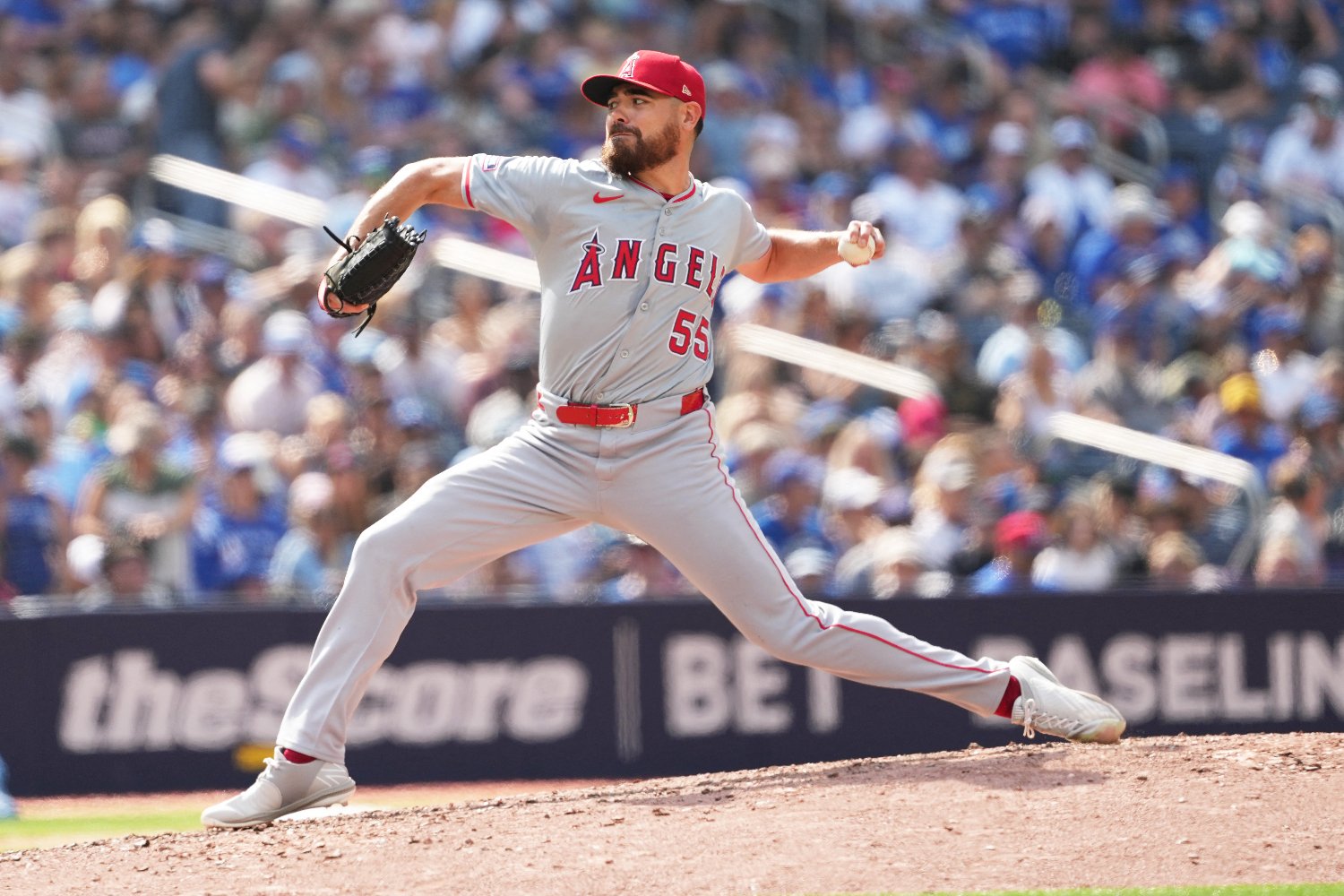 On Saturday morning, the Royals' Player Development account announced that they had signed left-handed pitcher Matt Moore to a Minor League contract. The 37-year-old pitcher is best known for his time with Tampa Bay, as he pitched seven shutout innings in Game 1 of the 2011 ALDS against the Texas Rangers. He made his first and only appearance in the All-Star Game with the Rays in 2013. That season, he posted a 3.29 ERA and 1.7 fWAR in 27 starts and 150.1 IP. While his best years came early in his career with the Tampa Bay Rays, he also found some success with the San Francisco Giants. In a split season with the Rays and Giants in 2016, he posted a 4.08 ERA and 2.0 fWAR in 33 starts and 198.1 IP, both career-highs. He struggled the next season as a starter with the Giants (5.52 ERA in 174.1 IP) and in 2018 with the Rangers (6.79 ERA in 102 IP). After pitching in only two games with the Tigers in 2019, he moved to Japan and posted a 2.65 ERA over 78 IP with the Fukuoka Softbank Hawks in 2020. In 2022, Moore moved to the bullpen and thrived in the role with the Rangers. In 63 appearances and 74.1 IP, he posted a 1.95 ERA and 1.3 fWAR. He served a similar role with three teams in 2023: the Angels, Marlins, and Guardians. In 52.2 IP among the three teams, he posted a 2.56 ERA and 0.6 fWAR. In 2024, he returned to the Angels but failed to duplicate his 2022 and 2023 reliever success. In 48.1 IP, he produced a 5.03 ERA and -0.8 fWAR. According to his TJ Stuff+ summary from 2024, he produced a decent whiff rate and xwOBACON, but his stuff was slightly subpar, and he struggled to find consistency in terms of zone and chase rates. Moore signed a Minor League deal with the Red Sox in February of 2025, but did not make an appearance with the Worcester Red Sox due to arm soreness. He was released and not picked up by a team for the remainder of 2025. Moore was not pitching for a baseball team this year prior to this signing. The Royals have been adding pitching depth to their system with so many pitchers on the IL. As of now, Alec Marsh, James McArthur, Cole Ragans, and Carlos Estevez are on the 60-Day IL, and Kris Bubic and Nick Mears are on the 15-Day IL. Kansas City acquired Connor Seabold from the Blue Jays and Randy Dobnak from the Mariners earlier this week. Dobnak made his Storm Chasers debut on Friday night.
 -
 Abraham Toro powered Omaha with a triple, a two-run homer, and three hits, but St. Paul walked off the Storm Chasers 6 to 5. Andrew Morones struck out six over three scoreless innings in relief for Northwest Arkansas in a 9-to-1 loss to Tulsa. Kendry Chourio fanned 10 across 4 2/3 innings for Quad Cities in a 12-to-2 defeat, and Luis Valdez tossed two scoreless innings for Columbia in a 10-to-0 shutout at Hickory. Royals Transactions Kansas City Royals activated RHP Seth Lugo from the 7-day injured list. Kansas City Royals optioned RHP Mason Black to Omaha Storm Chasers. Toro's Power Not Enough As Storm Chasers Fall In Walk-Off Omaha collected 11 hits but stranded nine runners in a 6-to-5 walk-off loss to the St. Paul Saints. Toro led the way, going 2-for-5 with a triple, a home run, and two runs batted in. Drew Waters added two doubles, a run, and an RBI, while Matthew Lugo and Brett Squires each had two hits. Omaha jumped on the board in the second inning. Waters doubled to right to score Toro, and Brandon Drury followed with a single that brought Waters home, cutting the deficit to 3 to 2. The Storm Chasers tied it in the fifth when Squires singled home Lugo. Toro put Omaha ahead in the eighth with a two-run homer to left center that scored Luca Tresh, making it 5 to 4. Randy Dobnak took the bulk of the work, allowing three runs, all earned, on six hits with one walk and five strikeouts over 4 1/3 innings. The bullpen could not hold the late lead, as St. Paul tied the game in the ninth and pushed across the winning run to take it 6 to 5. Player AB R H RBI BB K Peyton Wilson 5 0 0 0 0 2 Matthew Lugo 5 1 2 0 0 1 Brett Squires 5 0 2 0 0 3 Luca Tresh 4 1 1 0 0 2 Abraham Toro 5 2 2 2 0 0 Drew Waters 4 1 2 1 0 0 Brandon Drury 3 0 1 1 1 0 Gavin Cross 3 0 0 0 1 0 Kevin Newman 4 0 1 0 0 2 Player IP H R ER BB K HR Randy Dobnak 4 1/3 6 3 3 1 5 1 Dan Altavilla 1 2/3 1 1 0 0 1 0 Andrew Pérez 1 0 0 0 1 2 0 Eric Cerantola 1 1/3 4 2 2 1 3 1 Naturals Bats Go Quiet In Lopsided Loss To Tulsa Northwest Arkansas managed just four hits and stranded five runners in a 9-to-1 loss to the Tulsa Drillers. Daniel Vazquez drove in the lone run, going 1-for-3 with a walk. Colton Becker added a double and scored the only run, while Rudy Martin Jr. and Omar Hernandez each chipped in a single. The Naturals scored their only run in the first inning, when Vazquez singled to left to bring home Becker and tie the game at one. Tulsa answered immediately, building a lead with a four-run second inning and never looking back. Hunter Owen had a rough outing, surrendering six runs, all earned, on seven hits with four walks and one strikeout across two innings. Morones was the bright spot out of the bullpen, working three scoreless innings while allowing one hit, walking two, and striking out six. Chase Jessee followed with three innings, allowing one run on two hits, and Brandon Johnson gave up two runs in the ninth. Player AB R H RBI BB K Rudy Martin Jr. 4 0 1 0 0 2 Colton Becker 4 1 1 0 0 0 Sam Kulasingam 4 0 0 0 0 1 Carson Roccaforte 3 0 0 0 1 2 Daniel Vazquez 3 0 1 1 1 1 Omar Hernandez 4 0 1 0 0 0 Connor Scott 3 0 0 0 0 0 Canyon Brown 3 0 0 0 0 2 Alberto Rodriguez 1 0 0 0 2 1 Player IP H R ER BB K HR Hunter Owen 2 7 6 6 4 1 0 Chase Jessee 3 2 1 1 3 4 0 Brandon Johnson 1 2 2 2 2 1 0 Andrew Morones 3 1 0 0 2 6 0 Chourio Strikes Out 10 But River Bandits Drop Slugfest Quad Cities piled up 12 runners left on base and could not string together offense in a 12-to-2 loss to the Wisconsin Timber Rattlers. Erick Torres had the lone multi-hit day at 2-for-4, while Asbel Gonzalez, Ramon Ramirez, Luke Pelzer, Derlin Figueroa, and Angel Acosta each added a single. Figueroa and Tyriq Kemp drove in the runs. The River Bandits got both of their runs in the first inning. Figueroa singled home Blake Mitchell, and Kemp followed with a sacrifice fly that scored Ramirez to tie the game at two. The offense went silent from there as Wisconsin pulled away, scoring 10 unanswered runs. The River Bandits left 12 runners on base and went 1-for-7 with runners in scoring position. Chourio was sharp at times and overpowering with the strikeout, fanning 10 batters over 4 2/3 innings, but he was charged with seven runs, five earned, on seven hits and a home run while issuing no walks. Mason Miller allowed one run over 2 1/3 innings, and Ryan Ure was tagged for four runs in two innings to close it out. Player AB R H RBI BB K Asbel Gonzalez 4 0 1 0 1 3 Blake Mitchell 3 1 0 0 2 3 Ramon Ramirez 4 1 1 0 1 2 Luke Pelzer 4 0 1 0 1 0 Derlin Figueroa 5 0 1 1 0 3 Tyriq Kemp 3 0 0 1 0 0 Connor Rasmussen 4 0 0 0 0 1 Erick Torres 4 0 2 0 0 0 Angel Acosta 3 0 1 0 1 0 Player IP H R ER BB K HR Kendry Chourio 4 2/3 7 7 5 0 10 1 Mason Miller 2 1/3 2 1 1 1 1 0 Ryan Ure 2 3 4 4 1 1 0 Fireflies Shut Out At Hickory In Quiet Night At The Plate Columbia was held to three hits and was shut out 10 to 0 by the Hickory Crawdads. Hyungchan Um, Sean Gamble, and Angel Ramirez each had a single, and Yandel Ricardo and Josh Hammond drew the only walks. The offense never advanced a runner across the plate. The Fireflies went 1-for-4 with runners in scoring position and left five runners on base. The damage came in the fifth inning, when Hickory broke the game open with six runs to turn a manageable deficit into a rout. The Crawdads had taken an early lead with three runs in the third and tacked on another in the seventh. Coleman Picard absorbed the loss, allowing three runs, all earned, on five hits with one walk and two strikeouts over 2 2/3 innings. Randy Ramnarace was charged with five runs, though none were earned, across two innings. Valdez finished strong, striking out three over two scoreless innings while allowing two hits and two walks. Player AB R H RBI BB K Yandel Ricardo 3 0 0 0 1 2 Josh Hammond 3 0 0 0 1 0 Stone Russell 4 0 0 0 0 3 Hyungchan Um 4 0 1 0 0 1 Sean Gamble 3 0 1 0 0 0 JC Vanek 1 0 0 0 0 1 Roni Cabrera 3 0 0 0 0 1 Angel Ramirez 3 0 1 0 0 1 Ivan Sosa 3 0 0 0 0 1 Josi Novas 3 0 0 0 0 2 Player IP H R ER BB K HR Coleman Picard 2 2/3 5 3 3 1 2 0 Randy Ramnarace 2 2 5 0 2 1 0 Brandon Herbold 1 1/3 1 1 0 2 1 0 Luis Valdez 2 2 1 0 2 3 0 Top-20 Prospect Performance Kendry Chourio: 4 2/3 IP, 7 H, 7 R, 5 ER, 0 BB, 10 K, 1 HR David Shields: DNP Sean Gamble: 1-for-3 Blake Mitchell: 0-for-3, 2 BB, 3 K Josh Hammond: 0-for-3, BB Ramon Ramirez: 1-for-4, R, BB, 2 K Drew Beam: DNP Asbel Gonzalez: 1-for-4, BB, 3 K Ben Kudrna: DNP Carson Roccaforte: 0-for-3, BB, 2 K Yandel Ricardo: 0-for-3, BB, 2 K Felix Arronde: DNP Blake Wolters: DNP Michael Lombardi: DNP Luinder Avila: DNP Steven Zobac: DNP Frank Mozzicato: DNP Daniel Vazquez: 1-for-3, RBI, BB, K Warren Colcano: 0-for-2, 1 BB Shane Panzini: DNP
 -
Abraham Toro powered Omaha with a triple, a two-run homer, and three hits, but St. Paul walked off the Storm Chasers 6 to 5. Andrew Morones struck out six over three scoreless innings in relief for Northwest Arkansas in a 9-to-1 loss to Tulsa. Kendry Chourio fanned 10 across 4 2/3 innings for Quad Cities in a 12-to-2 defeat, and Luis Valdez tossed two scoreless innings for Columbia in a 10-to-0 shutout at Hickory. Royals Transactions Kansas City Royals activated RHP Seth Lugo from the 7-day injured list. Kansas City Royals optioned RHP Mason Black to Omaha Storm Chasers. Toro's Power Not Enough As Storm Chasers Fall In Walk-Off Omaha collected 11 hits but stranded nine runners in a 6-to-5 walk-off loss to the St. Paul Saints. Toro led the way, going 2-for-5 with a triple, a home run, and two runs batted in. Drew Waters added two doubles, a run, and an RBI, while Matthew Lugo and Brett Squires each had two hits. Omaha jumped on the board in the second inning. Waters doubled to right to score Toro, and Brandon Drury followed with a single that brought Waters home, cutting the deficit to 3 to 2. The Storm Chasers tied it in the fifth when Squires singled home Lugo. Toro put Omaha ahead in the eighth with a two-run homer to left center that scored Luca Tresh, making it 5 to 4. Randy Dobnak took the bulk of the work, allowing three runs, all earned, on six hits with one walk and five strikeouts over 4 1/3 innings. The bullpen could not hold the late lead, as St. Paul tied the game in the ninth and pushed across the winning run to take it 6 to 5. Player AB R H RBI BB K Peyton Wilson 5 0 0 0 0 2 Matthew Lugo 5 1 2 0 0 1 Brett Squires 5 0 2 0 0 3 Luca Tresh 4 1 1 0 0 2 Abraham Toro 5 2 2 2 0 0 Drew Waters 4 1 2 1 0 0 Brandon Drury 3 0 1 1 1 0 Gavin Cross 3 0 0 0 1 0 Kevin Newman 4 0 1 0 0 2 Player IP H R ER BB K HR Randy Dobnak 4 1/3 6 3 3 1 5 1 Dan Altavilla 1 2/3 1 1 0 0 1 0 Andrew Pérez 1 0 0 0 1 2 0 Eric Cerantola 1 1/3 4 2 2 1 3 1 Naturals Bats Go Quiet In Lopsided Loss To Tulsa Northwest Arkansas managed just four hits and stranded five runners in a 9-to-1 loss to the Tulsa Drillers. Daniel Vazquez drove in the lone run, going 1-for-3 with a walk. Colton Becker added a double and scored the only run, while Rudy Martin Jr. and Omar Hernandez each chipped in a single. The Naturals scored their only run in the first inning, when Vazquez singled to left to bring home Becker and tie the game at one. Tulsa answered immediately, building a lead with a four-run second inning and never looking back. Hunter Owen had a rough outing, surrendering six runs, all earned, on seven hits with four walks and one strikeout across two innings. Morones was the bright spot out of the bullpen, working three scoreless innings while allowing one hit, walking two, and striking out six. Chase Jessee followed with three innings, allowing one run on two hits, and Brandon Johnson gave up two runs in the ninth. Player AB R H RBI BB K Rudy Martin Jr. 4 0 1 0 0 2 Colton Becker 4 1 1 0 0 0 Sam Kulasingam 4 0 0 0 0 1 Carson Roccaforte 3 0 0 0 1 2 Daniel Vazquez 3 0 1 1 1 1 Omar Hernandez 4 0 1 0 0 0 Connor Scott 3 0 0 0 0 0 Canyon Brown 3 0 0 0 0 2 Alberto Rodriguez 1 0 0 0 2 1 Player IP H R ER BB K HR Hunter Owen 2 7 6 6 4 1 0 Chase Jessee 3 2 1 1 3 4 0 Brandon Johnson 1 2 2 2 2 1 0 Andrew Morones 3 1 0 0 2 6 0 Chourio Strikes Out 10 But River Bandits Drop Slugfest Quad Cities piled up 12 runners left on base and could not string together offense in a 12-to-2 loss to the Wisconsin Timber Rattlers. Erick Torres had the lone multi-hit day at 2-for-4, while Asbel Gonzalez, Ramon Ramirez, Luke Pelzer, Derlin Figueroa, and Angel Acosta each added a single. Figueroa and Tyriq Kemp drove in the runs. The River Bandits got both of their runs in the first inning. Figueroa singled home Blake Mitchell, and Kemp followed with a sacrifice fly that scored Ramirez to tie the game at two. The offense went silent from there as Wisconsin pulled away, scoring 10 unanswered runs. The River Bandits left 12 runners on base and went 1-for-7 with runners in scoring position. Chourio was sharp at times and overpowering with the strikeout, fanning 10 batters over 4 2/3 innings, but he was charged with seven runs, five earned, on seven hits and a home run while issuing no walks. Mason Miller allowed one run over 2 1/3 innings, and Ryan Ure was tagged for four runs in two innings to close it out. Player AB R H RBI BB K Asbel Gonzalez 4 0 1 0 1 3 Blake Mitchell 3 1 0 0 2 3 Ramon Ramirez 4 1 1 0 1 2 Luke Pelzer 4 0 1 0 1 0 Derlin Figueroa 5 0 1 1 0 3 Tyriq Kemp 3 0 0 1 0 0 Connor Rasmussen 4 0 0 0 0 1 Erick Torres 4 0 2 0 0 0 Angel Acosta 3 0 1 0 1 0 Player IP H R ER BB K HR Kendry Chourio 4 2/3 7 7 5 0 10 1 Mason Miller 2 1/3 2 1 1 1 1 0 Ryan Ure 2 3 4 4 1 1 0 Fireflies Shut Out At Hickory In Quiet Night At The Plate Columbia was held to three hits and was shut out 10 to 0 by the Hickory Crawdads. Hyungchan Um, Sean Gamble, and Angel Ramirez each had a single, and Yandel Ricardo and Josh Hammond drew the only walks. The offense never advanced a runner across the plate. The Fireflies went 1-for-4 with runners in scoring position and left five runners on base. The damage came in the fifth inning, when Hickory broke the game open with six runs to turn a manageable deficit into a rout. The Crawdads had taken an early lead with three runs in the third and tacked on another in the seventh. Coleman Picard absorbed the loss, allowing three runs, all earned, on five hits with one walk and two strikeouts over 2 2/3 innings. Randy Ramnarace was charged with five runs, though none were earned, across two innings. Valdez finished strong, striking out three over two scoreless innings while allowing two hits and two walks. Player AB R H RBI BB K Yandel Ricardo 3 0 0 0 1 2 Josh Hammond 3 0 0 0 1 0 Stone Russell 4 0 0 0 0 3 Hyungchan Um 4 0 1 0 0 1 Sean Gamble 3 0 1 0 0 0 JC Vanek 1 0 0 0 0 1 Roni Cabrera 3 0 0 0 0 1 Angel Ramirez 3 0 1 0 0 1 Ivan Sosa 3 0 0 0 0 1 Josi Novas 3 0 0 0 0 2 Player IP H R ER BB K HR Coleman Picard 2 2/3 5 3 3 1 2 0 Randy Ramnarace 2 2 5 0 2 1 0 Brandon Herbold 1 1/3 1 1 0 2 1 0 Luis Valdez 2 2 1 0 2 3 0 Top-20 Prospect Performance Kendry Chourio: 4 2/3 IP, 7 H, 7 R, 5 ER, 0 BB, 10 K, 1 HR David Shields: DNP Sean Gamble: 1-for-3 Blake Mitchell: 0-for-3, 2 BB, 3 K Josh Hammond: 0-for-3, BB Ramon Ramirez: 1-for-4, R, BB, 2 K Drew Beam: DNP Asbel Gonzalez: 1-for-4, BB, 3 K Ben Kudrna: DNP Carson Roccaforte: 0-for-3, BB, 2 K Yandel Ricardo: 0-for-3, BB, 2 K Felix Arronde: DNP Blake Wolters: DNP Michael Lombardi: DNP Luinder Avila: DNP Steven Zobac: DNP Frank Mozzicato: DNP Daniel Vazquez: 1-for-3, RBI, BB, K Warren Colcano: 0-for-2, 1 BB Shane Panzini: DNP View full article
-
In addition to strong fWAR numbers, the trio has also put up strong results in wRC+ this month. Witt has a 142 wRC+, Cags has a 190 wRC+, and Thomas has a 160 wRC+. Thus, in terms of production, those three players have been key to Kansas City's offensive turnaround in June. The biggest story has been the emergence of Cags, who leads all Royals hitters this month in wRC+. While the former Florida product has a high K% at 26.5%, he leads the team in home runs with five, his latest coming on Friday night against the Cardinals. Cags has also been an RBI machine this month. He had 11 RBIs going into Friday's game, and he collected two more after a two-hit game in the Royals' 6-5 win. When looking at Cags' Statcast percentiles chart this month via TJ Stats, there's a lot to like with his profile. He's hitting the ball hard, pulling it more often, and launching it effectively. While cutting down the strikeouts and chasing would be nice, Royals fans can live with the whiffs and strikeouts as long as the power continues to develop. While Cags' breakout was nice, some of it was to be expected (or at least hoped for) in Spring Training. Thomas, however, was a bit more of a wild card when he was signed to a one-year deal this offseason. Thomas was showing progress in April, hitting .255 with a .739 OPS in 64 plate appearances. However, he declined heavily in May, hitting just .171 with a .514 OPS in 51 plate appearances. Thankfully, he has not just bounced back in June but emerged as one of the Royals' more dependable hitters. This month, the 30-year-old outfielder is hitting .280 with a .950 OPS in 59 plate appearances. He has hit four home runs in June after only one in March, April, and May combined. Thomas was particularly good in his old stomping grounds in Washington, as he hit homers in back-to-back games against the Nationals. When looking at his TJ Stats Statcast percentiles this month, Thomas has not been as flawless as Cags, who was dark red in nearly every Statcast category. The 30-year-old's bat speed still rates below average, and his Max EV leaves a bit to be desired. That said, Thomas' patient approach seems to be paying off in June, as evidenced by his strong wOBA and xwOBA percentiles, just to name a few. The Royals acquired Thomas because he had a history of not chasing. He's done that especially well in June, as evidenced by his 98th percentile O-Swing%. That has not only helped his BB% (90th percentile) but also improved his swing decisions. Those better decisions have resulted in more barrels (69th percentile barrel%) and better actual (98th percentile wOBA) and expected (85th percentile xwOBA) production. Thus, the former Guardians and Nationals outfielder has emerged as an everyday option in the outfield for manager Matt Quatraro, which is much needed with Isbel expected to be on the IL for a while due to plantar fasciitis. Can the Royals Overcome the Loss of Bobby? Kansas City has weathered the loss of Vinnie and Maikel well this month. Caglianone has slid into first base and may make Pasquantino expendable this offseason. Nick Loftin has also filled in well for Garcia, as Loftin is putting up a 151 wRC+ and 0.3 fWAR, the latter thanks to much better defense at third than second. However, if Bobby goes on the IL, that could be a more significant hit to this surging Royals lineup (even though they scored six runs in his absence on Friday). Witt hasn't hit for much power this month, as evidenced by his one home run and .108 ISO. That said, he not only led the team in fWAR, but he had a 142 wRC+, a 14.3% BB%, a 14.3% K%, and 12 runs scored before going down to injury on Thursday. Bobby's Statcast percentiles summary via TJ Stats showed he was an elite hitter in June, hitting the ball hard and effectively, though he could barrel and launch the ball more often. Witt only had a 35th-percentile barrel% and a Pull Air% in the 27th percentile, not a recipe for home runs. However, those paltry marks could be due to lackluster bat speed this month (32nd percentile), which caused him to swing late and settle for singles and doubles rather than home runs. He did seem to be trending in the right direction on Thursday, as he hit his first home run of the month in the first inning off Cardinals starter Matthew Liberatore. Unfortunately, the excitement with Witt's power was cut short after he injured his knee on a diving play. As Quatraro said in his pregame presser, an IL stint could be possible, though no decision has been made just yet. It's likely that the Royals will let him rest and recover on the Saturday off day and make a decision about his future before Sunday's game. If Witt does hit the IL, it will be difficult for the Royals to find an adequate replacement at shortstop. Tyler Tolbert got the start at shortstop on Friday, and he showed some strong defense and drove in an RBI on a sacrifice fly to center field. That said, he has a 98 wRC+ in 15 plate appearances and is striking out 46.7% of the time. The Royals need more than that at shortstop, even with Tolbert's speed (five stolen bases) and defense, which was on full display tonight. If healthy, Garcia makes the most sense at shortstop, especially since he has profiled well there defensively in the past. That said, he hasn't exactly had a stellar June. In 39 plate appearances, he is hitting .257 with an 89 wRC+. His K% is high this month at 23.1%, and he hasn't hit a home run, a slump that goes back to April (he didn't hit a home run in May). Garcia's Statcast summary shows a hitter who doesn't chase and is barreling better, but is struggling to generate consistent launch angle, exit velocity, and bat speed. Those issues could be tied to his on-again, off-again hand injury. He isn't pulling the ball in the air either, an area where he was showing progress earlier in the season. If Garcia can get healthy and closer to his April form, then the Royals should be fine with Witt out. Grade 1 MCL sprains typically have a 1-3 week recovery time, and Garcia can certainly hold down the shortstop position during that window. And yet, the Venezuelan infielder is not healthy, and hand injuries can take time to fully recover from, even if they do not require an injury stint. It's possible that Garcia may not return to his April self until after the All-Star break, at the soonest. That murkiness around Garcia's health makes this Witt situation that much more difficult for Quatraro and the President of Baseball Operations, JJ Picollo. View full article
-
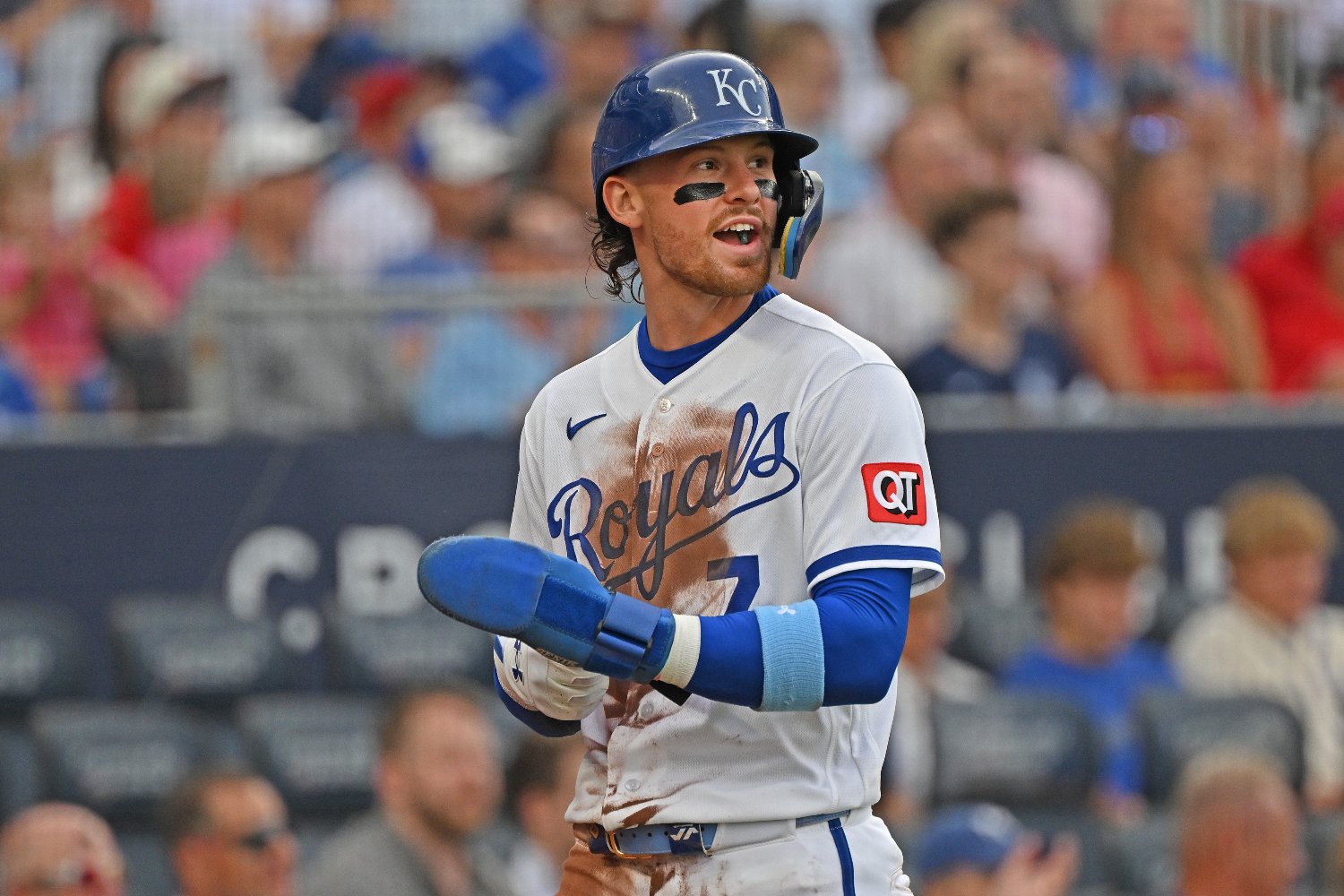 It's been a rough season for the Royals, as they sit in second-to-last place in the AL Central at 32-45, as of June 19th. There has been plenty for Royals fans to complain about this year, especially considering the optimistic expectations with this team after an 82-80 campaign in 2025. Barring something dramatic, Kansas City will likely suffer its first losing season since 2023, when it lost 106 games, tying a franchise record (which also happened in 2006). The Royals have been a bit snakebitten with injuries this year, which hasn't helped their situation. Right now, the Royals have Cole Ragans, Carlos Estevez, and Jonathan India on the 60-Day IL, and Vinnie Pasquantino and Kyle Isbel on the 10-Day IL. While Maikel Garcia hasn't been placed on the IL, he has missed time due to a lingering hand injury. Lastly, Kansas City received a gut punch on Thursday in their blowout win over the Cardinals, as Bobby Witt Jr. left the game due to injury. It was reported on Friday that Witt had suffered a grade 1 MCL sprain. As of now, it seems like the Royals are exploring options with Witt, especially with an off day on Saturday due to the World Cup game at Arrowhead Stadium. It doesn't seem like there are a lot of good takeaways from this club at this time, especially with them being 13 games under .500. However, I would say that there's one area for the Royals that has improved in June: the offense. Let's take a look at the Royals' turnaround this month, which Kansas City players have stuck out specifically, and how the Royals' offense could fare going forward, especially with the most recent injury to Witt. Hitting the Ball and Stealing Bases Has Been Key in June Overall, this year, the Royals' offensive numbers don't stick out at first glance. According to Fangraphs, they rank 14th in fWAR, 22nd in wRC+, 20th in wOBA, and 17th in xwOBA. Kansas City has been a "middle-of-the-pack" offense, which is fine when paired up with good pitching. Unfortunately, that hasn't been the case this year, as the Royals pitching staff ranks 22nd in pitching fWAR and 21st in ERA. The bullpen has been especially poor, ranking 26th in reliever ERA and 30th in reliever fWAR, according to Fangraphs. That said, while the Royals' offense won't catch the eye of most fans, especially those disenchanted with Alec Zumwalt and his performance as hitting coach, the numbers over the past month have trended positively in the right direction. In June alone, the Royals rank 3rd in fWAR, 9th in wRC+, 7th in wOBA, and 4th in xwOBA. They have done a good job of collecting hits this month, as evidenced by their .285 batting average, which ranks second in June. The Royals have also been proficient on the basepaths with 20 stolen bases, which leads all of baseball this month, and 94 runs scored, which ranks second. A complete list of how the Royals have fared in June can be found in the table below, which is organized by fWAR. In addition to strong fWAR numbers, the trio has also put up strong results in wRC+ this month. Witt has a 142 wRC+, Cags has a 190 wRC+, and Thomas has a 160 wRC+. Thus, in terms of production, those three players have been key to Kansas City's offensive turnaround in June. The biggest story has been the emergence of Cags, who leads all Royals hitters this month in wRC+. While the former Florida product has a high K% at 26.5%, he leads the team in home runs with five, his latest coming on Friday night against the Cardinals. Cags has also been an RBI machine this month. He had 11 RBIs going into Friday's game, and he collected two more after a two-hit game in the Royals' 6-5 win. When looking at Cags' Statcast percentiles chart this month via TJ Stats, there's a lot to like with his profile. He's hitting the ball hard, pulling it more often, and launching it effectively. While cutting down the strikeouts and chasing would be nice, Royals fans can live with the whiffs and strikeouts as long as the power continues to develop. While Cags' breakout was nice, some of it was to be expected (or at least hoped for) in Spring Training. Thomas, however, was a bit more of a wild card when he was signed to a one-year deal this offseason. Thomas was showing progress in April, hitting .255 with a .739 OPS in 64 plate appearances. However, he declined heavily in May, hitting just .171 with a .514 OPS in 51 plate appearances. Thankfully, he has not just bounced back in June but emerged as one of the Royals' more dependable hitters. This month, the 30-year-old outfielder is hitting .280 with a .950 OPS in 59 plate appearances. He has hit four home runs in June after only one in March, April, and May combined. Thomas was particularly good in his old stomping grounds in Washington, as he hit homers in back-to-back games against the Nationals. When looking at his TJ Stats Statcast percentiles this month, Thomas has not been as flawless as Cags, who was dark red in nearly every Statcast category. The 30-year-old's bat speed still rates below average, and his Max EV leaves a bit to be desired. That said, Thomas' patient approach seems to be paying off in June, as evidenced by his strong wOBA and xwOBA percentiles, just to name a few. The Royals acquired Thomas because he had a history of not chasing. He's done that especially well in June, as evidenced by his 98th percentile O-Swing%. That has not only helped his BB% (90th percentile) but also improved his swing decisions. Those better decisions have resulted in more barrels (69th percentile barrel%) and better actual (98th percentile wOBA) and expected (85th percentile xwOBA) production. Thus, the former Guardians and Nationals outfielder has emerged as an everyday option in the outfield for manager Matt Quatraro, which is much needed with Isbel expected to be on the IL for a while due to plantar fasciitis. Can the Royals Overcome the Loss of Bobby? Kansas City has weathered the loss of Vinnie and Maikel well this month. Caglianone has slid into first base and may make Pasquantino expendable this offseason. Nick Loftin has also filled in well for Garcia, as Loftin is putting up a 151 wRC+ and 0.3 fWAR, the latter thanks to much better defense at third than second. However, if Bobby goes on the IL, that could be a more significant hit to this surging Royals lineup (even though they scored six runs in his absence on Friday). Witt hasn't hit for much power this month, as evidenced by his one home run and .108 ISO. That said, he not only led the team in fWAR, but he had a 142 wRC+, a 14.3% BB%, a 14.3% K%, and 12 runs scored before going down to injury on Thursday. Bobby's Statcast percentiles summary via TJ Stats showed he was an elite hitter in June, hitting the ball hard and effectively, though he could barrel and launch the ball more often. Witt only had a 35th-percentile barrel% and a Pull Air% in the 27th percentile, not a recipe for home runs. However, those paltry marks could be due to lackluster bat speed this month (32nd percentile), which caused him to swing late and settle for singles and doubles rather than home runs. He did seem to be trending in the right direction on Thursday, as he hit his first home run of the month in the first inning off Cardinals starter Matthew Liberatore. Unfortunately, the excitement with Witt's power was cut short after he injured his knee on a diving play. As Quatraro said in his pregame presser, an IL stint could be possible, though no decision has been made just yet. It's likely that the Royals will let him rest and recover on the Saturday off day and make a decision about his future before Sunday's game. If Witt does hit the IL, it will be difficult for the Royals to find an adequate replacement at shortstop. Tyler Tolbert got the start at shortstop on Friday, and he showed some strong defense and drove in an RBI on a sacrifice fly to center field. That said, he has a 98 wRC+ in 15 plate appearances and is striking out 46.7% of the time. The Royals need more than that at shortstop, even with Tolbert's speed (five stolen bases) and defense, which was on full display tonight. If healthy, Garcia makes the most sense at shortstop, especially since he has profiled well there defensively in the past. That said, he hasn't exactly had a stellar June. In 39 plate appearances, he is hitting .257 with an 89 wRC+. His K% is high this month at 23.1%, and he hasn't hit a home run, a slump that goes back to April (he didn't hit a home run in May). Garcia's Statcast summary shows a hitter who doesn't chase and is barreling better, but is struggling to generate consistent launch angle, exit velocity, and bat speed. Those issues could be tied to his on-again, off-again hand injury. He isn't pulling the ball in the air either, an area where he was showing progress earlier in the season. If Garcia can get healthy and closer to his April form, then the Royals should be fine with Witt out. Grade 1 MCL sprains typically have a 1-3 week recovery time, and Garcia can certainly hold down the shortstop position during that window. And yet, the Venezuelan infielder is not healthy, and hand injuries can take time to fully recover from, even if they do not require an injury stint. It's possible that Garcia may not return to his April self until after the All-Star break, at the soonest. That murkiness around Garcia's health makes this Witt situation that much more difficult for Quatraro and the President of Baseball Operations, JJ Picollo.
 -
Also, Bobby Witt Jr. is out of the starting lineup for the first time this season. According to Anne Rogers, Witt has a grade 1 MCL strain. Typically, grade 1 strain recovery takes anywhere from 1-3 weeks. However, 1 is the lowest it can be, so it's possible that it's more on the mild end, which explains why Witt isn't on the IL. The Royals do have an off day on Saturday due to the World Cup game at Arrow...errr I mean Kansas City Stadium. Perhaps the Royals are thinking they can get him two days off and then have him return on Sunday?
