


Kevin O'Brien
-
Posts
858 -
Joined
-
Last visited
-
Days Won
41
Content Type
Profiles
Forums
Blogs
Events
News
2026 Kansas City Royals Top Prospects Ranking
Kansas City Royals Videos
Kansas City Royals Free Agent & Trade Rumors, Notes, & Tidbits
Guides & Resources
The Kansas City Royals Players Project
2026 Kansas City Royals Draft Tracker: Picks & Bonuses
Store
Downloads
Gallery
Everything posted by Kevin O'Brien
-
 Image courtesy of Denny Medley-Imagn Images It was an eventful home opener for the Kansas City Royals on Monday, March 30th. Not only did the Royals win 3-1, but they also did so in front of a sold-out crowd at Kauffman Stadium on a beautiful afternoon. After a mediocre opening road trip in Atlanta, getting a good start on this homestand (which includes the Twins and the Milwaukee Brewers this weekend) was nice to see. Even if the Twins have lower expectations this year than the Royals, they are a division opponent and spoiled Kansas City's Opening Day at Kauffman Stadium back in 2023 and 2024. In the Royals' win on Monday, their first home-opening win since 2022 (when they beat the Cleveland Guardians 3-1), there were some things that Royals fans learned about the club both on and off the field. Those takeaways relate to the Royals' lineup, their bullpen, Kris Bubic in his first start of 2026, and the future of Kauffman, the Royals' home stadium since 1973. There Is Potential at the Bottom of the Lineup With Collins and Isbel With windy and sunny conditions on Monday, it was expected that the Royals would have a good shot to hit some home runs against Twins starter Simeon Woods Richardson. That said, Royals fans expected those home runs to come from big names like Maikel Garcia, Bobby Witt Jr., Salvador Perez, and Vinnie Pasquantino. Those four combined for three hits, with Garcia's double the only extra-base hit from the bunch (Witt and Pasquaintino went hitless). Instead, it was Kyle Isbel and Isaac Collins, the Royals' nine and eight hitters, respectively, who produced big flies in front of a sold-out Kauffman Stadium crowd. Isbel struck first for the Royals, as he launched a 403-foot home run on a slider from Woods Richardson in the second inning, not long after Minnesota's Matt Wallner launched a 424-foot home run into the fountains. Isbel's home run gave the Royals a 2-1 lead and would've been a home run in Kauffman's old dimensions. After collective struggles from both lineups for over four innings, Collins, who was hitless on the Atlanta road trip, came up big with a solo home run of his own against Twins reliever Kody Funderburk. Collins' home run traveled 400 feet, had an exit velocity of 103.9 MPH, and was a home run in all 30 MLB Ballparks (like Isbel's). The Royals haven't gotten off to the greatest start on the hitting end in 2026. According to Fangraphs, they rank 28th in batting average and OBP, and 29th in runs scored. Granted, it's only a four-game sample, but the offense needs more production from the bottom of the lineup to see an improvement from their 93 team wRC+ last year, which ranked 22nd in baseball. India got a base hit on Monday, which snapped his hitless streak as well (though it probably should've been caught, as Wallner got a late read on it). However, Carter Jensen and Jac Caglianone went 0-for-6 with three strikeouts. That was disappointing to see, especially considering the promise they showed in the Atlanta series. It is expected that the bottom of the Royals' lineup, like any MLB lineup, will go through ebbs and flows throughout a season. That said, Collins and Isbel hitting well would be a huge boost to this lineup and give more scoring opportunities for the top of the Kansas City batting order. Hopefully, their home runs on Monday were a spark in the right direction for Collins and Isbel. The Royals Have Bullpen Depth With Lynch IV, Mears, and Schreiber After a meltdown by Carlos Estevez in game two of the 2026 season, there were some questions about the Royals' bullpen and whether or not they could step up as the veteran closer figures it out. They showed they could on Sunday, as Lucas Erceg notched the save. On Monday, the result was the same, though a couple of different names were involved. Daniel Lynch IV and Nick Mears made their 2026 debuts and absolutely shut down a reeling Twins lineup. In two innings of work, Lynch IV and Mears gave up no runs, no walks, and only one hit. They also combined to throw only 17 pitches, a sign of efficiency on the mound. Lynch IV showed excellent efficiency on the mound, not just flooding the strike zone, but also generating a good amount of chase and whiff, as illustrated by his TJ Stats summary below. The TJ Stuff+ was slightly below average, with an overall score of 99. However, one can't argue with the results, especially with a 77.8% zone rate, 50% chase rate, and 28.6% whiff rate. His sinker and changeup velocity did play a little bit up from 2025, though both pitches saw slight declines in their TJ Stuff+ marks (-2 for the four-seamer and -4 for the changeup). It'll be interesting to see how Lynch fares in his next outing, especially against a better lineup. As for Mears, the TJ Stuff+ numbers were great, as was the chase and whiff, as illustrated in his summary below. Mears posted a 105 TJ Stuff+, and he also sported a 50% chase and 33.3% whiff. His zone and xwOBACON were about average at 50% and .354, respectively. What's interesting to see from his TJ Stuff+ is that it was down two points from a year ago. That said, this was his first outing of 2026. Hence, he could see some improvement in his TJ Stuff+ over the course of the year, which could further improve the results. With the Royals holding a two-run lead in the ninth, Matt Quatraro opted to go with Royals veteran John Schreiber in the ninth, especially with Matt Strahm and Lucas Erceg having pitched in back-to-back outings. Schreiber closed the door on the Twins hitters, allowing only one hit and getting the save on 15 pitches. Schreiber had pitched on Sunday in a setup role, but he didn't seem to miss a beat against Minnesota. Schreiber didn't generate a whole lot of chase (14.3%) or whiff (0.0%), and he gave up some hard contact, with Ryan Jeffers and Byron Buxton collecting hard hits (though only Jeffers' was a base hit). That explains why his .454 xwOBACON was so high. However, his 100 TJ Stuff+ was one point better than a year ago, and his sinker and sweeper velocity were up as well. The Royals have the depth to not only handle the Estevez situation but also allow him to take his time as he works to regain his velocity. The fact that the Royals can turn to someone like Schreiber in an emergency situation, and he's able to collect the save, shows that the bullpen could be a strength of this club in 2026. Bubic Will Be A Solid Starter Again (Even With Some Tough Spots) It was a brutal start for Bubic, initially. In the first inning, he allowed a single and a walk, but he got out of it thanks to a pickoff of Austin Martin, and two flyouts (though he was hit hard in the inning). Things didn't get much better at the start of the second inning, as he gave up a bomb to Wallner that made it into the fountains. However, after that Wallner homer, Bubic locked in and didn't give up a hit for the remainder of his outing, which spanned six innings. When looking at his TJ Stats summary, it wasn't Bubic's most impressive outing, stuff-wise. His TJ Stuff+ was down from a year ago, as was his four-seamer velocity. However, that didn't stop him from generating a good amount of chase and whiff, while still maximizing his zone rate and minimizing hard contact. All those things are reflected in his TJ Stats summary from today's quality start. His whiff rate was excellent at 35.3%, and his chase rate and xwOBACON were above-average at 30.8% and .339, respectively. His zone rate was a little below average at 48%, but that likely was due to his lackluster control on the changeup and slider, which had zone rates of 25% and 20%, respectively. Despite those paltry zone rates, he still did generate a 66.7% whiff rate on the changeup and a 100% whiff rate on the slider. It wasn't the prettiest start, but it was the kind of grind-it-out affair that Bubic was known for in 2025, when he made the AL All-Star team. I also wonder if there were some nerves for Bubic, especially with him starting in his first career home opener. He talked about how different it was for him, especially when comparing it to his first career start at Kauffman during the 2020 COVID season when fans weren't allowed. Even though he had some contract and arbitration issues, and his future beyond 2026 remains murky, Bubic seems poised to be another solid contributor to this Royals rotation in 2026. Royals Poised to Move on From the K by 2031, Even Without an Exact Location (Yet) Owner John Sherman did a press conference, per usual, on Opening Day before the Opening Day festivities began. As expected in every Sherman interview these days, the stadium situation came up. Per usual, Sherman was mum about the details of a location and where they were in those discussions, but did clarify that things were "picking up". That said, Sherman did seem to clarify that the Royals will be moving on from Kauffman and the Truman Sports Complex, even in the wake of the Kansas City Chiefs' planned move to Wyandotte County in Kansas. Here's what Sherman said to KCTV 5's Sarah Motter, regarding the Royals' lease at Kauffman, which is set to expire in 2031. Kauffman Stadium remains one of the more beloved and well-known ballparks among MLB fans. It is in its 53rd season of operation and is still well-regarded for its beautiful features, including the iconic fountains, and for the excellence of the "game-watching" experience. It has also improved its concession and beverage offerings since Sherman took over as owner, incorporating more local vendors and restaurants at the K. That said, any hope that the Royals would take the space at the Truman Sports Complex to be vacated by the Chiefs and Arrowhead seemed to be put to bed by Sherman before Monday's game against the Twins. At least the Royals will have five more seasons at the K, including this year. View full article
 -
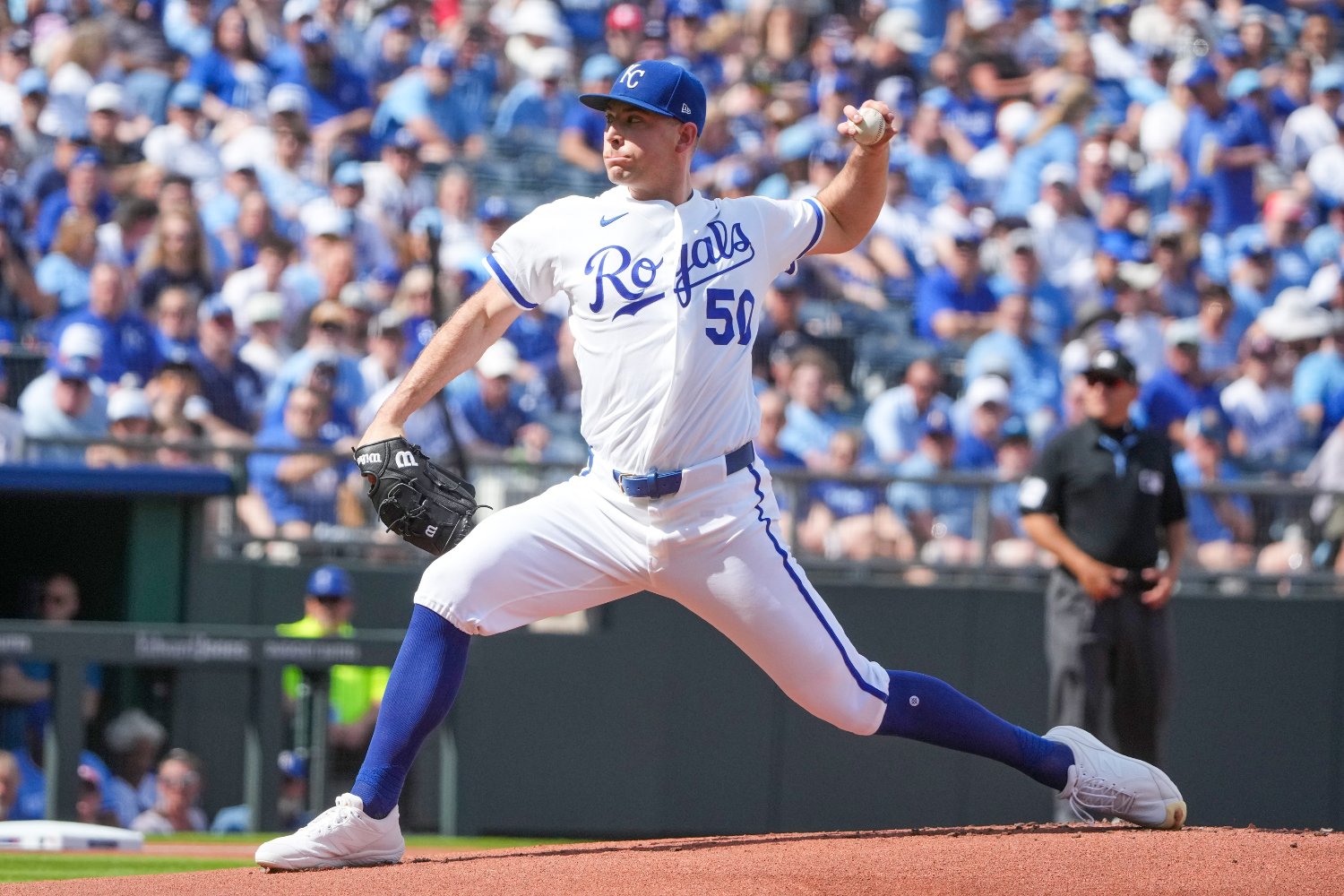 It was an eventful home opener for the Kansas City Royals on Monday, March 30th. Not only did the Royals win 3-1, but they also did so in front of a sold-out crowd at Kauffman Stadium on a beautiful afternoon. After a mediocre opening road trip in Atlanta, getting a good start on this homestand (which includes the Twins and the Milwaukee Brewers this weekend) was nice to see. Even if the Twins have lower expectations this year than the Royals, they are a division opponent and spoiled Kansas City's Opening Day at Kauffman Stadium back in 2023 and 2024. In the Royals' win on Monday, their first home-opening win since 2022 (when they beat the Cleveland Guardians 3-1), there were some things that Royals fans learned about the club both on and off the field. Those takeaways relate to the Royals' lineup, their bullpen, Kris Bubic in his first start of 2026, and the future of Kauffman, the Royals' home stadium since 1973. There Is Potential at the Bottom of the Lineup With Collins and Isbel With windy and sunny conditions on Monday, it was expected that the Royals would have a good shot to hit some home runs against Twins starter Simeon Woods Richardson. That said, Royals fans expected those home runs to come from big names like Maikel Garcia, Bobby Witt Jr., Salvador Perez, and Vinnie Pasquantino. Those four combined for three hits, with Garcia's double the only extra-base hit from the bunch (Witt and Pasquaintino went hitless). Instead, it was Kyle Isbel and Isaac Collins, the Royals' nine and eight hitters, respectively, who produced big flies in front of a sold-out Kauffman Stadium crowd. Isbel struck first for the Royals, as he launched a 403-foot home run on a slider from Woods Richardson in the second inning, not long after Minnesota's Matt Wallner launched a 424-foot home run into the fountains. Isbel's home run gave the Royals a 2-1 lead and would've been a home run in Kauffman's old dimensions. After collective struggles from both lineups for over four innings, Collins, who was hitless on the Atlanta road trip, came up big with a solo home run of his own against Twins reliever Kody Funderburk. Collins' home run traveled 400 feet, had an exit velocity of 103.9 MPH, and was a home run in all 30 MLB Ballparks (like Isbel's). The Royals haven't gotten off to the greatest start on the hitting end in 2026. According to Fangraphs, they rank 28th in batting average and OBP, and 29th in runs scored. Granted, it's only a four-game sample, but the offense needs more production from the bottom of the lineup to see an improvement from their 93 team wRC+ last year, which ranked 22nd in baseball. India got a base hit on Monday, which snapped his hitless streak as well (though it probably should've been caught, as Wallner got a late read on it). However, Carter Jensen and Jac Caglianone went 0-for-6 with three strikeouts. That was disappointing to see, especially considering the promise they showed in the Atlanta series. It is expected that the bottom of the Royals' lineup, like any MLB lineup, will go through ebbs and flows throughout a season. That said, Collins and Isbel hitting well would be a huge boost to this lineup and give more scoring opportunities for the top of the Kansas City batting order. Hopefully, their home runs on Monday were a spark in the right direction for Collins and Isbel. The Royals Have Bullpen Depth With Lynch IV, Mears, and Schreiber After a meltdown by Carlos Estevez in game two of the 2026 season, there were some questions about the Royals' bullpen and whether or not they could step up as the veteran closer figures it out. They showed they could on Sunday, as Lucas Erceg notched the save. On Monday, the result was the same, though a couple of different names were involved. Daniel Lynch IV and Nick Mears made their 2026 debuts and absolutely shut down a reeling Twins lineup. In two innings of work, Lynch IV and Mears gave up no runs, no walks, and only one hit. They also combined to throw only 17 pitches, a sign of efficiency on the mound. Lynch IV showed excellent efficiency on the mound, not just flooding the strike zone, but also generating a good amount of chase and whiff, as illustrated by his TJ Stats summary below. The TJ Stuff+ was slightly below average, with an overall score of 99. However, one can't argue with the results, especially with a 77.8% zone rate, 50% chase rate, and 28.6% whiff rate. His sinker and changeup velocity did play a little bit up from 2025, though both pitches saw slight declines in their TJ Stuff+ marks (-2 for the four-seamer and -4 for the changeup). It'll be interesting to see how Lynch fares in his next outing, especially against a better lineup. As for Mears, the TJ Stuff+ numbers were great, as was the chase and whiff, as illustrated in his summary below. Mears posted a 105 TJ Stuff+, and he also sported a 50% chase and 33.3% whiff. His zone and xwOBACON were about average at 50% and .354, respectively. What's interesting to see from his TJ Stuff+ is that it was down two points from a year ago. That said, this was his first outing of 2026. Hence, he could see some improvement in his TJ Stuff+ over the course of the year, which could further improve the results. With the Royals holding a two-run lead in the ninth, Matt Quatraro opted to go with Royals veteran John Schreiber in the ninth, especially with Matt Strahm and Lucas Erceg having pitched in back-to-back outings. Schreiber closed the door on the Twins hitters, allowing only one hit and getting the save on 15 pitches. Schreiber had pitched on Sunday in a setup role, but he didn't seem to miss a beat against Minnesota. Schreiber didn't generate a whole lot of chase (14.3%) or whiff (0.0%), and he gave up some hard contact, with Ryan Jeffers and Byron Buxton collecting hard hits (though only Jeffers' was a base hit). That explains why his .454 xwOBACON was so high. However, his 100 TJ Stuff+ was one point better than a year ago, and his sinker and sweeper velocity were up as well. The Royals have the depth to not only handle the Estevez situation but also allow him to take his time as he works to regain his velocity. The fact that the Royals can turn to someone like Schreiber in an emergency situation, and he's able to collect the save, shows that the bullpen could be a strength of this club in 2026. Bubic Will Be A Solid Starter Again (Even With Some Tough Spots) It was a brutal start for Bubic, initially. In the first inning, he allowed a single and a walk, but he got out of it thanks to a pickoff of Austin Martin, and two flyouts (though he was hit hard in the inning). Things didn't get much better at the start of the second inning, as he gave up a bomb to Wallner that made it into the fountains. However, after that Wallner homer, Bubic locked in and didn't give up a hit for the remainder of his outing, which spanned six innings. When looking at his TJ Stats summary, it wasn't Bubic's most impressive outing, stuff-wise. His TJ Stuff+ was down from a year ago, as was his four-seamer velocity. However, that didn't stop him from generating a good amount of chase and whiff, while still maximizing his zone rate and minimizing hard contact. All those things are reflected in his TJ Stats summary from today's quality start. His whiff rate was excellent at 35.3%, and his chase rate and xwOBACON were above-average at 30.8% and .339, respectively. His zone rate was a little below average at 48%, but that likely was due to his lackluster control on the changeup and slider, which had zone rates of 25% and 20%, respectively. Despite those paltry zone rates, he still did generate a 66.7% whiff rate on the changeup and a 100% whiff rate on the slider. It wasn't the prettiest start, but it was the kind of grind-it-out affair that Bubic was known for in 2025, when he made the AL All-Star team. I also wonder if there were some nerves for Bubic, especially with him starting in his first career home opener. He talked about how different it was for him, especially when comparing it to his first career start at Kauffman during the 2020 COVID season when fans weren't allowed. Even though he had some contract and arbitration issues, and his future beyond 2026 remains murky, Bubic seems poised to be another solid contributor to this Royals rotation in 2026. Royals Poised to Move on From the K by 2031, Even Without an Exact Location (Yet) Owner John Sherman did a press conference, per usual, on Opening Day before the Opening Day festivities began. As expected in every Sherman interview these days, the stadium situation came up. Per usual, Sherman was mum about the details of a location and where they were in those discussions, but did clarify that things were "picking up". That said, Sherman did seem to clarify that the Royals will be moving on from Kauffman and the Truman Sports Complex, even in the wake of the Kansas City Chiefs' planned move to Wyandotte County in Kansas. Here's what Sherman said to KCTV 5's Sarah Motter, regarding the Royals' lease at Kauffman, which is set to expire in 2031. Kauffman Stadium remains one of the more beloved and well-known ballparks among MLB fans. It is in its 53rd season of operation and is still well-regarded for its beautiful features, including the iconic fountains, and for the excellence of the "game-watching" experience. It has also improved its concession and beverage offerings since Sherman took over as owner, incorporating more local vendors and restaurants at the K. That said, any hope that the Royals would take the space at the Truman Sports Complex to be vacated by the Chiefs and Arrowhead seemed to be put to bed by Sherman before Monday's game against the Twins. At least the Royals will have five more seasons at the K, including this year.
 -
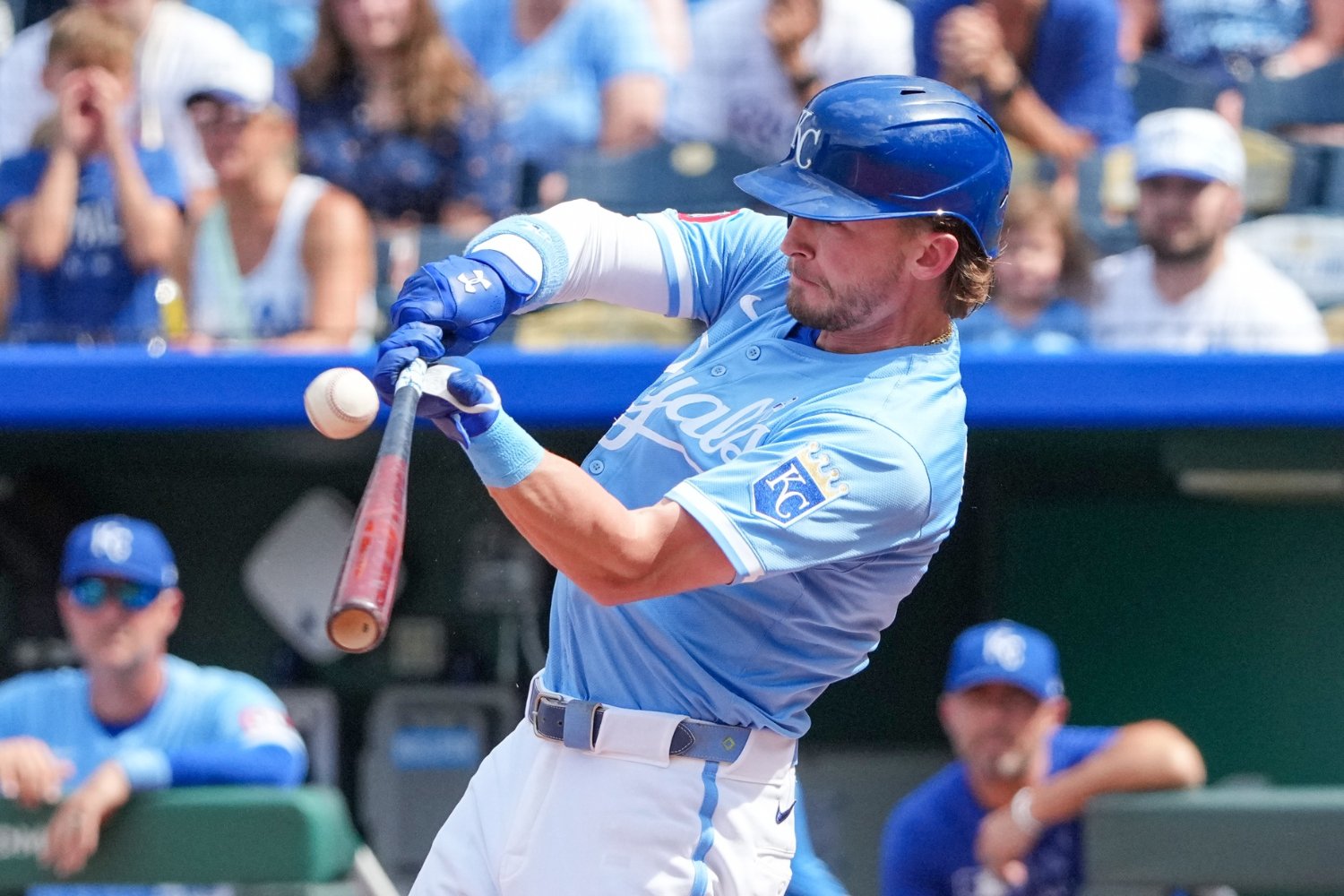 After the Royals' 4-1 victory over the Braves in the series finale, the Royals made an announcement on social media regarding the future of outfielder Drew Waters, who was designated for assignment last Wednesday. Waters has struggled at the Major League level with the Royals, who acquired him in a 2022 MLB trade with the Atlanta Braves, who initially drafted him. Last year, as a 26-year-old, he produced a .243 batting average, .604 OPS, and .268 wOBA in 219 plate appearances with the Royals. Over his career, he has an 84 wRC+ and accumulated 0.7 fWAR in 684 plate appearances. As a result of his mediocre campaign in 2025, Waters had to earn his spot on the Royals roster this spring, especially with him being out of Minor League options. However, he didn't impress in Cactus League play. In 36 plate appearances, he hit .188 with a .531 OPS and struck out 22.3% of the time. His Statcast percentiles weren't impressive either, especially in the batted-ball and plate-discipline categories. Waters likely will have a regular role as an outfielder in Omaha. He will compete for at-bats with John Rave, Kameron Misner, and Gavin Cross. Rave and Misner are on the 40-man roster, while Cross is not, but is trying to make his MLB debut at some point in 2026. The Storm Chasers struggled in their Opening Series of 2026, getting swept by the Louisville Bats, the Cincinnati Reds' Triple-A affiliate.
 -
After the Royals' 4-1 victory over the Braves in the series finale, the Royals made an announcement on social media regarding the future of outfielder Drew Waters, who was designated for assignment last Wednesday. Waters has struggled at the Major League level with the Royals, who acquired him in a 2022 MLB trade with the Atlanta Braves, who initially drafted him. Last year, as a 26-year-old, he produced a .243 batting average, .604 OPS, and .268 wOBA in 219 plate appearances with the Royals. Over his career, he has an 84 wRC+ and accumulated 0.7 fWAR in 684 plate appearances. As a result of his mediocre campaign in 2025, Waters had to earn his spot on the Royals roster this spring, especially with him being out of Minor League options. However, he didn't impress in Cactus League play. In 36 plate appearances, he hit .188 with a .531 OPS and struck out 22.3% of the time. His Statcast percentiles weren't impressive either, especially in the batted-ball and plate-discipline categories. Waters likely will have a regular role as an outfielder in Omaha. He will compete for at-bats with John Rave, Kameron Misner, and Gavin Cross. Rave and Misner are on the 40-man roster, while Cross is not, but is trying to make his MLB debut at some point in 2026. The Storm Chasers struggled in their Opening Series of 2026, getting swept by the Louisville Bats, the Cincinnati Reds' Triple-A affiliate. View full rumor
-
Image courtesy of Dale Zanine-Imagn Images Series Nutshell Hopes were high for the Royals as they began the 2026 season in Atlanta, eager to improve upon their 82-80 record this offseason. While 2025 was just their second winning season since their 2015 World Series, offensive inconsistency cost them the postseason after they went to the ALDS in 2024. With some shrewd acquisitions this offseason and some faith being put in their young, established, and budding stars, the Royals were hoping to get off to a strong start in 2026 by taking the series against the Braves. Unfortunately, it just wasn't the series that the Royals hoped for. They lost two out of three games in Atlanta, including the home opener, in which they were shut out. That said, they salvaged things with a victory on Sunday to avoid the sweep, and they found some life offensively on Sunday after only scoring two combined runs in games 1 and 2. There are some questions about the bullpen, especially in the wake of Carlos Estevez's disastrous outing in game two, which saw him blow a two-run lead in the ninth. However, those questions may have been answered in game three, and there's more hope on the horizon, both on the pitching and hitting end, especially with a much easier (hopefully) opponent lined up for the Royals' home opener at Kauffman Stadium. Record this Series: 1-2 Run Differential: -7 Standing: 4th place in AL Central (1.0 GB) Game 1: ATL 6, KC 0 The Royals are shut out and stymied by Chris Sale on Opening Day, as he holds them to three hits in six innings of work. Kansas City only gets five total hits, all singles. Cole Ragans struggles, giving up four runs on six hits in four innings of work. Game 2: ATL 6, KC 2 The Royals hold a 2-0 lead for eight innings, thanks to a strong performance by Michael Wacha and relievers Lucas Erceg and Matt Strahm. However, Kansas City blew the lead in the ninth, with Estevez giving up a game-winning grand slam to Dominic Smith. Game 3: KC 4, ATL 1 Kansas City secures its first victory of 2026. Seth Lugo pitches 6.1 innings of shutout ball, and Erceg shuts the door in the ninth on Atlanta for his first save of the season. Carter Jensen hit his first home run of the season, and Bobby Witt Jr. collected his first RBI with an opposite-field single. News and Notes After his game two loss, Estevez had X-rays done after he got hit in the ankle by a Michael Harris II line drive. The X-rays turned out negative, but the Royals' closer was wearing a walking boot on Sunday, as reported by MLB.com Royals beat writer Anne Rogers. No word has been made if Estevez will land on the IL. However, it's a situation to monitor, especially since his velocity still isn't where it needs to be by his standards (more on that later). Michael Massey, Stephen Kolek, and James McArthur were three players put on the IL before Kansas City's Opening Day game on Friday. All are making progress back in Arizona, according to Rogers. McArthur, who missed all of last season due to injury, is progressing slowly, though that seemed to always be the plan for him this spring, according to Rogers. However, Rogers did point out that he's pitching in Arizona (Minor League games) and could be due for a rehab stint sooner rather than later. McArthur saved 18 games for the Royals in 2025 in 56.2 IP. While he had a 4.92 ERA, his 4.17 FIP was much better, and he could thrive in lower-leverage situations in the bullpen. Highlights After a Game 1 loss in which Ragans struggled on the mound, Kansas City got excellent starting pitching performances from veterans Wacha and Lugo. Though he had an uneven Spring Training (6.89 ERA in 15.2 IP), he stepped up and had an excellent performance, dominating an Atlanta lineup that teed off for four runs and three home runs against Ragans. In six innings of work, Wacha struck out seven and allowed no runs on three hits and only one walk. He also posted excellent whiff and chase rates against a pretty vaunted Braves team. Wacha posted a 50% chase rate, a 38.6% whiff rate, and allowed a .245 xwOBACON on 80 pitches. His four-seamer and cutter were both up in velocity from 2025, and his changeup was producing 4.3 more inches of iVB than a season ago as well. His four-seamer and changeup were his best pitches whiff-wise, as evidenced by his 42.9% and 44.4% whiff rates, respectively. If Wacha continues to produce metrics and outings like this, he could be a mainstay in the No. 2 spot in the rotation, making the extension he signed last year even more of a bargain. As for Lugo, he is coming off a subpar 2025 after finishing second in the AL Cy Young race in 2024. He posted a 4.15 ERA in 145.1 IP, but his FIP was much higher at 5.05, and his 1.29 WHIP was 20 points higher than his mark in 2024. Even though he earned a contract extension from the Royals at the end of the 2025 season, there was concern that Lugo would continue trending downward in 2026. So far, the 36-year-old seemed more like his 2024 self on Sunday against the Braves. In 6.1 IP, he allowed no runs, five hits, and didn't walk a single batter. He also struck out three and maintained some strong chase and zone rates in his 2026 debut, illustrating a control and command that wasn't as consistent this spring or a year ago. Here's a look at his TJ Stats summary from his winning effort against Atlanta. Sunday was a vintage Lugo effort: a lot of different pitches (nine types thrown), a "raid the zone" approach (55.8% zone rate), and generating the kind of chase (35.3%) that led to ineffective contact. Though he did benefit from the weather conditions on Sunday, he didn't let up in attacking Braves hitters all game long. That aggressiveness wasn't always present in 2025, so it's nice to see him get back to that approach, which made him so successful in his first season in Kansas City. In addition to Lugo and Wacha, the Royals got solid contributions from many arms in the bullpen. Bailey Falter and Alex Lange looked solid in their Royals regular-season debuts. Falter gave up a couple of runs on five hits, but he struck out four, didn't walk any, and generated a good amount of whiff and weak contact in three innings of work. The TJ Stuff+ profiled well at 102 on Friday, a sign that he may be a nice fit in the long relief role. In addition to Falter and Lange (who had a scoreless inning of work in game 1), Matt Strahm and Lucas Erceg locked things down in the late innings. Both produced scoreless outings not just on Saturday, but on Sunday as well in the Royals' lone win, with Erceg notching the save. Manager Matt Quatraro mentioned before Sunday's game that they may give Estevez more time to ramp up his velocity, which may mean pitching in lower-leverage situations. If that's the case, then Strahm and Erceg may be splitting duties in high-leverage situations in the ninth for the time being. The offense didn't really stand out much, even in their victory on Sunday. The Royals' offense was primarily led by Salvador Perez on Saturday, as he launched his first home run of the year against Reynaldo Lopez, who was dealing for six innings prior to Salvy's bomb, the Royals' first run of 2026 (after 15 innings, unfortunately). In addition to Salvy's home run, Jac Caglianone had a solid day at the plate in his 2026 debut (he did not play on Friday due to the matchup against the lefty Sale). He went 2-for-3 with a double, a nice start considering his issues at the plate a year ago. On Sunday, the main star was Carter Jensen, the Royals' top prospect. In his first start behind the plate, not only did he help Lugo have a stellar outing, but he also went 1-for-3 with a solo home run and had an RBI sacrifice fly. His home run was not an easy one, especially considering the windy conditions of Truist Park on Sunday. Jensen is only hitting .125 with four strikeouts in 10 plate appearances this season. That said, he's shown good power with a .500 slugging and .700 OPS. Jensen has been known to start slow and turn it up once he adjusts to the pitching at a particular level. While the average isn't high now, he seems to be looking comfortable and not overwhelmed at the plate, even against a good pitching staff like Atlanta's. Lowlights The main "concerning" story from this series is Estevez, whose velocity issues this spring continued into his first outing of 2026. It was a complete disaster for Estevez, who only recorded a single out on 27 pitches. In that outing, he allowed six runs on four hits and two walks. The cherry on top of his putrid outing was allowing a grand slam on a 3-2 count that Smith absolutely mashed. The stuff was just not good for Estevez in his 2026 debut. He averaged only 91.2 MPH on the four-seamer, and his overall TJ Stuff+ was 96. Furthermore, not only were his chase, whiff, and xwOBACON marks poor, but his zone rate was as well, leading to his two walks. It's likely that without his usual velocity, Estevez was trying to be too fine with his control, which led to him missing more spots than usual. He only generated an 11.8% chase and 11.1% whiff, so it was obvious that Braves hitters were locked on him on Saturday. That was further confirmed by his .599 xwOBACON allowed, with his four-seamer and changeup allowing xwOBACON marks of .720 and .836, respectively. Estevez was in a walking boot on Sunday, which makes one wonder if he will be seeing some time on the IL when they return to Kansas City. However, Quatraro didn't comment on Estevez's outlook, though he did mention to Rogers before Sunday's game that they would pursue other closing options even if Estevez was available. Thankfully, the Royals have enough bullpen depth to absorb Estevez's removal from the ninth for the time being. They also have a few good options in Omaha, with Luinder Avila, Steven Cruz, Eli Morgan, and Mason Black all being possible options to replace Estevez if the Dominican closer lands on the IL. Speaking of pitching concerns, Ragans had a forgettable performance on Opening Day against Atlanta. It was the kind of outing that was far too typical for him in 2025, which explains his 4.97 ERA. He generated a lot of strikeouts and whiffs, but he struggled with command and gave up way too many barrels. His lackluster zone rate and high xwOBACON overshadowed his strong TJ Stuff+ and whiff rate. I talked about Ragans more thoroughly in a recent post on Royals Keep written after his outing on Friday. It's too early to panic with Ragans, and he has shown some command issues and pitch inefficiency in previous Opening Day starts. However, his zone rate and xwOABCON trends will be important to follow in his next starts. A disappointing development in the Atlanta series was the struggles of the lineup, especially with hitters expected to be key secondary performers at the bottom of the order in 2026. Jonathan India is 0-for-8 with three strikeouts. Isaac Collins is 0-for-7 with two strikeouts and a caught stealing. Starling Marte went 0-for-3 on Opening Day with a strikeout. Lane Thomas is 1-for-9 with four strikeouts. The Royals were hoping that at least 1 or 2 of these hitters would have an impact on the Kansas City lineup and raise the floor of this group. After three games, the early results have been good with this group. Thankfully, Quatraro has been quick to adjust the lineup this year. Collins, Marte, and India were not in Sunday's lineup. It wouldn't be surprising that Thomas isn't in Monday's lineup after his 0-for-4 performance in the series finale. Looking Ahead In their Opening home series, the Royals play a Twins team that is 1-2, but has scored 11 runs and has a run differential of zero. Byron Buxton, Royce Lewis, and Trevor Larnach have gotten off to good starts this year, with Lewis hitting his first home run of the season on Sunday in their 8-6 loss to the Orioles. Also, Tristan Gray played at shortstop instead of Brooks Lee on Sunday, and the move paid off. Gray went 2-for-4 with three RBI. The pitching seems to be a source of inconsistency. They held the Orioles to two runs in game 1 and one run in game 2, thanks to strong performances from starting pitchers Joe Ryan and Taj Bradley. However, Bailey Ober and the Twins bullpen struggled on Sunday, giving up eight runs in the series finale. The Twins' 3.96 staff ERA is better than the Royals' 4.62. However, six of those 13 total Royals runs were tagged to Estevez in his meltdown in the ninth inning on Saturday (his ERA is 162.00, which doesn't feel real). Take that Estevez outing away, and this Royals pitching staff only has seven runs allowed. Minnesota and Kansas City both know this series will be a big one, especially if they want to re-establish themselves after disappointing Opening weekend performances. The Royals will face Simeon Woods Richardson, who is susceptible to the long ball, as evidenced by his 1.37 HR/9 and 10.8% HR/FB rate. It would be nice for the Royals to get off to a hot start against Woods-Richardson on Monday, especially with the long ball at Kauffman with the new dimensions. A strong performance on Opening Day could make things easier for the Royals in this series, especially with Ryan and Bradley slated to go in games 2 and 3, according to Roster Resource. View full article
-
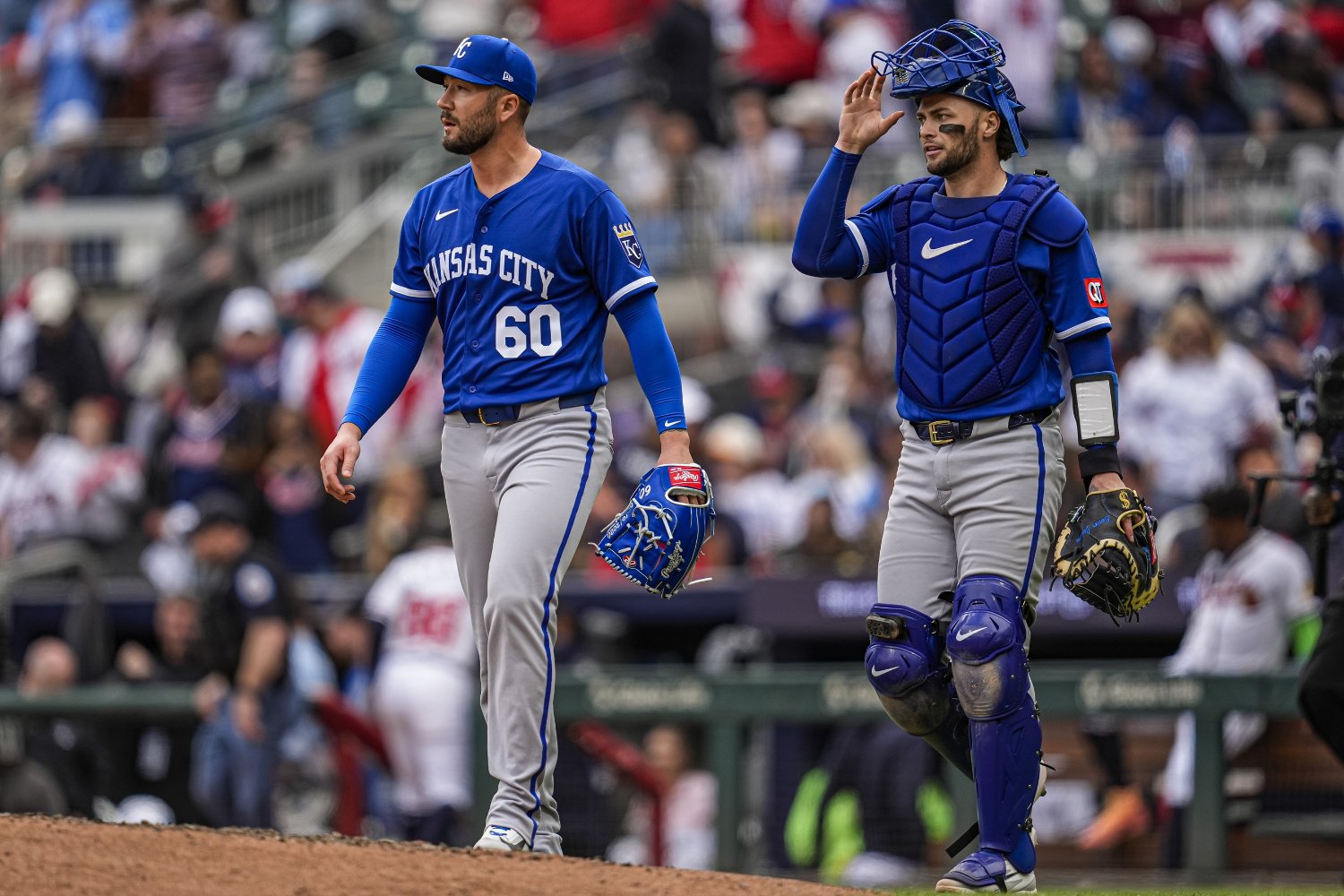 Series Nutshell Hopes were high for the Royals as they began the 2026 season in Atlanta, eager to improve upon their 82-80 record this offseason. While 2025 was just their second winning season since their 2015 World Series, offensive inconsistency cost them the postseason after they went to the ALDS in 2024. With some shrewd acquisitions this offseason and some faith being put in their young, established, and budding stars, the Royals were hoping to get off to a strong start in 2026 by taking the series against the Braves. Unfortunately, it just wasn't the series that the Royals hoped for. They lost two out of three games in Atlanta, including the home opener, in which they were shut out. That said, they salvaged things with a victory on Sunday to avoid the sweep, and they found some life offensively on Sunday after only scoring two combined runs in games 1 and 2. There are some questions about the bullpen, especially in the wake of Carlos Estevez's disastrous outing in game two, which saw him blow a two-run lead in the ninth. However, those questions may have been answered in game three, and there's more hope on the horizon, both on the pitching and hitting end, especially with a much easier (hopefully) opponent lined up for the Royals' home opener at Kauffman Stadium. Record this Series: 1-2 Run Differential: -7 Standing: 4th place in AL Central (1.0 GB) Game 1: ATL 6, KC 0 The Royals are shut out and stymied by Chris Sale on Opening Day, as he holds them to three hits in six innings of work. Kansas City only gets five total hits, all singles. Cole Ragans struggles, giving up four runs on six hits in four innings of work. Game 2: ATL 6, KC 2 The Royals hold a 2-0 lead for eight innings, thanks to a strong performance by Michael Wacha and relievers Lucas Erceg and Matt Strahm. However, Kansas City blew the lead in the ninth, with Estevez giving up a game-winning grand slam to Dominic Smith. Game 3: KC 4, ATL 1 Kansas City secures its first victory of 2026. Seth Lugo pitches 6.1 innings of shutout ball, and Erceg shuts the door in the ninth on Atlanta for his first save of the season. Carter Jensen hit his first home run of the season, and Bobby Witt Jr. collected his first RBI with an opposite-field single. News and Notes After his game two loss, Estevez had X-rays done after he got hit in the ankle by a Michael Harris II line drive. The X-rays turned out negative, but the Royals' closer was wearing a walking boot on Sunday, as reported by MLB.com Royals beat writer Anne Rogers. No word has been made if Estevez will land on the IL. However, it's a situation to monitor, especially since his velocity still isn't where it needs to be by his standards (more on that later). Michael Massey, Stephen Kolek, and James McArthur were three players put on the IL before Kansas City's Opening Day game on Friday. All are making progress back in Arizona, according to Rogers. McArthur, who missed all of last season due to injury, is progressing slowly, though that seemed to always be the plan for him this spring, according to Rogers. However, Rogers did point out that he's pitching in Arizona (Minor League games) and could be due for a rehab stint sooner rather than later. McArthur saved 18 games for the Royals in 2025 in 56.2 IP. While he had a 4.92 ERA, his 4.17 FIP was much better, and he could thrive in lower-leverage situations in the bullpen. Highlights After a Game 1 loss in which Ragans struggled on the mound, Kansas City got excellent starting pitching performances from veterans Wacha and Lugo. Though he had an uneven Spring Training (6.89 ERA in 15.2 IP), he stepped up and had an excellent performance, dominating an Atlanta lineup that teed off for four runs and three home runs against Ragans. In six innings of work, Wacha struck out seven and allowed no runs on three hits and only one walk. He also posted excellent whiff and chase rates against a pretty vaunted Braves team. Wacha posted a 50% chase rate, a 38.6% whiff rate, and allowed a .245 xwOBACON on 80 pitches. His four-seamer and cutter were both up in velocity from 2025, and his changeup was producing 4.3 more inches of iVB than a season ago as well. His four-seamer and changeup were his best pitches whiff-wise, as evidenced by his 42.9% and 44.4% whiff rates, respectively. If Wacha continues to produce metrics and outings like this, he could be a mainstay in the No. 2 spot in the rotation, making the extension he signed last year even more of a bargain. As for Lugo, he is coming off a subpar 2025 after finishing second in the AL Cy Young race in 2024. He posted a 4.15 ERA in 145.1 IP, but his FIP was much higher at 5.05, and his 1.29 WHIP was 20 points higher than his mark in 2024. Even though he earned a contract extension from the Royals at the end of the 2025 season, there was concern that Lugo would continue trending downward in 2026. So far, the 36-year-old seemed more like his 2024 self on Sunday against the Braves. In 6.1 IP, he allowed no runs, five hits, and didn't walk a single batter. He also struck out three and maintained some strong chase and zone rates in his 2026 debut, illustrating a control and command that wasn't as consistent this spring or a year ago. Here's a look at his TJ Stats summary from his winning effort against Atlanta. Sunday was a vintage Lugo effort: a lot of different pitches (nine types thrown), a "raid the zone" approach (55.8% zone rate), and generating the kind of chase (35.3%) that led to ineffective contact. Though he did benefit from the weather conditions on Sunday, he didn't let up in attacking Braves hitters all game long. That aggressiveness wasn't always present in 2025, so it's nice to see him get back to that approach, which made him so successful in his first season in Kansas City. In addition to Lugo and Wacha, the Royals got solid contributions from many arms in the bullpen. Bailey Falter and Alex Lange looked solid in their Royals regular-season debuts. Falter gave up a couple of runs on five hits, but he struck out four, didn't walk any, and generated a good amount of whiff and weak contact in three innings of work. The TJ Stuff+ profiled well at 102 on Friday, a sign that he may be a nice fit in the long relief role. In addition to Falter and Lange (who had a scoreless inning of work in game 1), Matt Strahm and Lucas Erceg locked things down in the late innings. Both produced scoreless outings not just on Saturday, but on Sunday as well in the Royals' lone win, with Erceg notching the save. Manager Matt Quatraro mentioned before Sunday's game that they may give Estevez more time to ramp up his velocity, which may mean pitching in lower-leverage situations. If that's the case, then Strahm and Erceg may be splitting duties in high-leverage situations in the ninth for the time being. The offense didn't really stand out much, even in their victory on Sunday. The Royals' offense was primarily led by Salvador Perez on Saturday, as he launched his first home run of the year against Reynaldo Lopez, who was dealing for six innings prior to Salvy's bomb, the Royals' first run of 2026 (after 15 innings, unfortunately). In addition to Salvy's home run, Jac Caglianone had a solid day at the plate in his 2026 debut (he did not play on Friday due to the matchup against the lefty Sale). He went 2-for-3 with a double, a nice start considering his issues at the plate a year ago. On Sunday, the main star was Carter Jensen, the Royals' top prospect. In his first start behind the plate, not only did he help Lugo have a stellar outing, but he also went 1-for-3 with a solo home run and had an RBI sacrifice fly. His home run was not an easy one, especially considering the windy conditions of Truist Park on Sunday. Jensen is only hitting .125 with four strikeouts in 10 plate appearances this season. That said, he's shown good power with a .500 slugging and .700 OPS. Jensen has been known to start slow and turn it up once he adjusts to the pitching at a particular level. While the average isn't high now, he seems to be looking comfortable and not overwhelmed at the plate, even against a good pitching staff like Atlanta's. Lowlights The main "concerning" story from this series is Estevez, whose velocity issues this spring continued into his first outing of 2026. It was a complete disaster for Estevez, who only recorded a single out on 27 pitches. In that outing, he allowed six runs on four hits and two walks. The cherry on top of his putrid outing was allowing a grand slam on a 3-2 count that Smith absolutely mashed. The stuff was just not good for Estevez in his 2026 debut. He averaged only 91.2 MPH on the four-seamer, and his overall TJ Stuff+ was 96. Furthermore, not only were his chase, whiff, and xwOBACON marks poor, but his zone rate was as well, leading to his two walks. It's likely that without his usual velocity, Estevez was trying to be too fine with his control, which led to him missing more spots than usual. He only generated an 11.8% chase and 11.1% whiff, so it was obvious that Braves hitters were locked on him on Saturday. That was further confirmed by his .599 xwOBACON allowed, with his four-seamer and changeup allowing xwOBACON marks of .720 and .836, respectively. Estevez was in a walking boot on Sunday, which makes one wonder if he will be seeing some time on the IL when they return to Kansas City. However, Quatraro didn't comment on Estevez's outlook, though he did mention to Rogers before Sunday's game that they would pursue other closing options even if Estevez was available. Thankfully, the Royals have enough bullpen depth to absorb Estevez's removal from the ninth for the time being. They also have a few good options in Omaha, with Luinder Avila, Steven Cruz, Eli Morgan, and Mason Black all being possible options to replace Estevez if the Dominican closer lands on the IL. Speaking of pitching concerns, Ragans had a forgettable performance on Opening Day against Atlanta. It was the kind of outing that was far too typical for him in 2025, which explains his 4.97 ERA. He generated a lot of strikeouts and whiffs, but he struggled with command and gave up way too many barrels. His lackluster zone rate and high xwOBACON overshadowed his strong TJ Stuff+ and whiff rate. I talked about Ragans more thoroughly in a recent post on Royals Keep written after his outing on Friday. It's too early to panic with Ragans, and he has shown some command issues and pitch inefficiency in previous Opening Day starts. However, his zone rate and xwOABCON trends will be important to follow in his next starts. A disappointing development in the Atlanta series was the struggles of the lineup, especially with hitters expected to be key secondary performers at the bottom of the order in 2026. Jonathan India is 0-for-8 with three strikeouts. Isaac Collins is 0-for-7 with two strikeouts and a caught stealing. Starling Marte went 0-for-3 on Opening Day with a strikeout. Lane Thomas is 1-for-9 with four strikeouts. The Royals were hoping that at least 1 or 2 of these hitters would have an impact on the Kansas City lineup and raise the floor of this group. After three games, the early results have been good with this group. Thankfully, Quatraro has been quick to adjust the lineup this year. Collins, Marte, and India were not in Sunday's lineup. It wouldn't be surprising that Thomas isn't in Monday's lineup after his 0-for-4 performance in the series finale. Looking Ahead In their Opening home series, the Royals play a Twins team that is 1-2, but has scored 11 runs and has a run differential of zero. Byron Buxton, Royce Lewis, and Trevor Larnach have gotten off to good starts this year, with Lewis hitting his first home run of the season on Sunday in their 8-6 loss to the Orioles. Also, Tristan Gray played at shortstop instead of Brooks Lee on Sunday, and the move paid off. Gray went 2-for-4 with three RBI. The pitching seems to be a source of inconsistency. They held the Orioles to two runs in game 1 and one run in game 2, thanks to strong performances from starting pitchers Joe Ryan and Taj Bradley. However, Bailey Ober and the Twins bullpen struggled on Sunday, giving up eight runs in the series finale. The Twins' 3.96 staff ERA is better than the Royals' 4.62. However, six of those 13 total Royals runs were tagged to Estevez in his meltdown in the ninth inning on Saturday (his ERA is 162.00, which doesn't feel real). Take that Estevez outing away, and this Royals pitching staff only has seven runs allowed. Minnesota and Kansas City both know this series will be a big one, especially if they want to re-establish themselves after disappointing Opening weekend performances. The Royals will face Simeon Woods Richardson, who is susceptible to the long ball, as evidenced by his 1.37 HR/9 and 10.8% HR/FB rate. It would be nice for the Royals to get off to a hot start against Woods-Richardson on Monday, especially with the long ball at Kauffman with the new dimensions. A strong performance on Opening Day could make things easier for the Royals in this series, especially with Ryan and Bradley slated to go in games 2 and 3, according to Roster Resource.
 -
In the wake of Carlos Estevez's meltdown, I wanted to break down some pitchers from Omaha and which ones could be options if the Royals put Estevez on the IL. Five intriguing Storm Chasers pitched yesterday, and I break down their outings via TJ Stats' summary data. Avila started for the Royals and went 3 IP and threw 52 pitches against Louisville. He struck out three but allowed two walks and four hits. Velocity was a bit down, but iVB and HB on the four-seamer were up. As a result, his four-seamer had a 104 TJ Stuff+. His chase and whiff and xwOBACON were all great, but the control was iffy, as evidenced by the 34.6% zone rate. Still, a promising Triple-A debut, and he could be ready for the bullpen if the Royals feel he's better utilized in that role. Panzini is probably low on the call-up order, but I'm paying close attention to him. 18.9 iVB on the four-seamer and a 25% whiff rate on the pitch, which he leaned on heavily (73.5% usage). 95 overall TJ Stuff+, but he had a 29.4% whiff rate and .326 xwOBACON. The control needs to improve (34.7% zone rate and 3 BB), but the strikeout stuff is there, and he could be an intriguing middle-innings reliever. Way is probably even lower on the order than Panzini. But the stuff always remains intriguing with him, even if he doesn't excel anywhere else. 104 TJ Stuff+ overall, but he has a lackluster chase, whiff, and xwOBACON. Struck out 3 in 1.2 IP yesterday, but also allowed four hits. He did a good job of flooding the zone (59.5% zone), something he has struggled with in the past, so this is nice progress. Morgan had a nice Omaha debut. 104 TJ Stuff+ was six points better than last year. 50% whiff rate and 0.000 xwOBACON. He's not a high-velocity guy, but he has good movement and saw iVB improvement across all three pitches. He's on the 40-man roster now, so he could be a call-up sooner rather than later, though he probably fits more in medium-leverage situations than high-leverage ones. Cruz blew the game, giving up two runs on two hits and a walk. However, he struck out three batters and posted a really nice 111 TJ stuff+. Four-seamer velocity is down 2.2 MPH from last year, but iVB is up 2.8 inches, and TJ Stuff+ is up 2. He also had a 30.8% chase and 50% whiff rate. He just gave up too much hard contact, as evidenced by his .985 xwOBACON. Command was a little rusty, but he has the stuff to fill in for Estevez's profile at the MLB level.
.png.42d6a07b48037883735fa83e798bf822.png)
.png.d8d359867675f99ab245b13e2af5fa62.png)
.png.0cb9b3b8b88a7bac21aa26208a0628a2.png)
.png.10edfaed137715bd41b0e9f5e15f2f69.png)
.png.ab0faece0208b8181b254a24d747c79a.png)
-
- 1
-

-
- luinder avila
- shane panzini
- (and 3 more)
-
What Happened With Cole Ragans On Opening Day?
Kevin O'Brien replied to Kevin O'Brien's topic in Kansas City Royals Talk
I get that, but it is one game, and Sale has been one of the top pitchers in the game. I am not ready to give up on these hitters after one game or series. However, I do think it's worth paying attention to going forward. If this carries on for a month or so, I think serious questions have to be raised not just with the hitters, but also with Zumwalt, and whether he's the right lead voice for this group. -
I understand the concerns with Loftin. For now, I think Loftin over Rojas was more of a platoon thing, with the hope of getting more right-handed bats on the bench. That said, Rojas is in Triple-A, so if Rojas continues to hit in Omaha and Loftin doesn't, I wouldn't be surprised to see Kansas City make a switch of the two (though they would need to DFA someone, and I don't think it would be Loftin).
-
My friend Jared Perkins of Just Baseball and I are with KC Sports Network doing a bi-weekly podcast where we talk about Royals prospects and the MLB Draft. Watch our inaugural episode below and like and subscribe. We are also available on Apple Podcasts and Spotify. Make a couple of shoutouts to Royals Keep as well!
-
Nice recap. I'm going to chalk up the Royals' offensive struggles to Chris Sale being a crafty veteran and the Royals getting the short end of the stick with some good defense and rough batted-ball luck. The approach was very good for the first time through the lineup, but it seems like they pressed after the Braves put on a few runs. They need to continue that approach for 9 innings, not 3 or 4. I'm hoping that the Royals are aggressive early against Lopez, who had a shaky spring. He's a fastball-dominant pitcher, and the velocity was down. As a result, the whiffs and chases weren't there this Spring. I'm hoping that the Royals can lock in, especially those hitters in the bottom of the lineup. Thought Marte and India had some good at-bats, just need to have some balls fall in.
.png.6eba9c5a5aed7ca5a0743fa3abf6120e.png)
- 1 reply
-
- 1
-
-
Image courtesy of Brett Davis-Imagn Images It was not an Opening Day to remember for the Kansas City Royals. They lost 6-0 to the Atlanta Braves at Truist Field in Atlanta. The offense was punchless. They not only scored zero runs but also had just five hits, all singles. However, one of the bigger disappointments of Friday's Opening Day loss was Cole Ragans, the Royals ace who was making his third-straight Opening Day start for Kansas City. In four innings of work and on 90 pitches, the lefty allowed four runs on six hits and four walks. While he struck out five Royals batters, he also gave up seven hard hits and three home runs. It certainly wasn't the kind of start Ragans wanted to begin 2026, especially after a 2025 campaign in which he posted a 4.67 ERA and only pitched 61.2 IP due to injury. Thus, what takeaways can Royals fans have from Ragans' Opening Day start? Is it something to panic about, or is it just a blip on the radar for Ragans, similar to Pittsburgh's Paul Skenes and San Diego's Nick Pivetta, who both had brutal Opening Day outings as well? Let's take a look at three things that stuck out from Ragans' start on Friday. Ragans Struggled With Finding the Zone When looking at Ragans' TJ Stats summary from his first outing of the season, he had some positives and negatives (though Royals fans will certainly focus on the negatives). Below is his summary from TJ Stats. In terms of the positives, Ragans still did an excellent job of generating whiff, as evidenced by his 31.7% whiff rate. He was also average in terms of generating chase, especially with his slider. His primary breaking pitch had a 43.8% chase rate and a 36.4% whiff rate. Lastly, his overall TJ Stuff+ was solid at 101, with his four-seamer, slider, and changeup all sporting grades of 50 or above. That said, his command was just not sharp against Atlanta. Ragans had a 34.4% zone rate, with two of his pitches having zone rates under 25% (slider and knuckle curve). His four-seamer, his most thrown pitch at 50%, had a 35.6% zone rate. The lackluster zone rates with the four-seamer and slider also correlated with poor xwOBACON marks on those pitches. He gave up a .569 xwOBACON on the four-seamer and a .668 xwOBACON on the slider. When looking at his pitch chart from Friday's game, Ragans did a good job of keeping the ball out of the middle-middle part of the strike zone. However, he missed badly in a lot of areas, and as a result, Braves hitters became more selective as the game progressed. The breaking stuff was particularly tough for Ragans to control. He missed a lot with his slider and knuckle curve low in the zone, as evidenced by all the yellow and blue dots around the shins and feet of the batters. Thus, it's not a surprise that his zone rates were so poor on his slider and knuckle curve on Friday night. Overall, the CSW wasn't bad at 27%, but the walks were still brutal, and his spotty command also resulted in some balls left in the zone that Braves hitters took advantage of. Ragans gave up three bombs, and here's the location of Ragans' pitches that Braves hitters went yard on. Honestly, those are major mistake pitches by Ragans. The most egregious command blunder was that changeup up in the zone, which Ozzie Albies absolutely teed off on for the first run of the game. It's one thing for Ragans to give up the free passes due to walks. Conversely, it's another thing when he's serving balls up in highly hittable areas because he isn't able to locate pitches effectively. Safe to say, it is a start that Ragans is ready to move on from (and quickly). Footing Issues With the Four-Seamer? Early in the game, Ragans seemed to lose his footing on the mound, nearly falling over after pitching the ball. The scene looked similar to what happened in Toronto a few seasons ago, when Ragans fell over on his follow-through and struggled to get his control back together for the remainder of the outing. Granted, Ragans didn't have quite the meltdown in Atlanta like he did North of the Border. That said, it seemed like his four-seamer was being thrown much differently in the second half of his outing (innings 3 and 4) than in the first half (innings 1 and 2). The 28-year-old Royals ace did a good job of peppering the four-seamer on the edges. However, he didn't locate the four-seamer as consistently up in the zone as he typically does. Ragans seemed to live more down in the zone with the four-seamer, especially later into his outing. Here's a look at his four-seamer pitch chart from the fourth inning of Friday's game. Ragans has only one pitch that's up and clips the edge of the strike zone, which is where a pitcher wants to be with a four-seamer of Ragans' profile. He either missed badly or stayed around the middle to lower edges of the strike zone. A key correlation with his atypical four-seamer location in the fourth inning is that Ragans' velocity dipped considerably in the fourth inning. He averaged 93.7 MPH in that inning. In the third, he was also down to 93.9 MPH. For comparison, he averaged 95.8 MPH in the first and 94.6 MPH in the second. Furthermore, this is what his four-seamer pitch chart looked like in the first inning. Ragans still missed up in the first inning, but he was also hitting the edges better and painting those edges up in the zone with his four-seamer. That wasn't happening later in the game. It could be that Ragans didn't have a good feel for his pitch. Thus, he was sacrificing velocity for control, something he has done in the past when he's not having a good feel for the four-seamer. The mound conditions could've contributed to that four-seamer's velocity and effectiveness. For a pitcher with mechanics like Ragans, being off in the slightest can throw everything off in a dramatic way. It's been an issue before for Ragans in the past, and it seemed like that problem reared its ugly head on Friday night. As the "ace" of this rotation, Ragans needs to make adjustments and find ways to get batters out when he isn't getting chases and whiffs or having great feel on his four-seamer. Ragans' Home Run Issues (Can More Cutter Usage Help?) Ragans gave up three home runs and allowed an xwOBACON of .495. Of course, a 60% HR/FB rate, as was the case on Friday, is not sustainable in the long term. Eventual flyball regression will help Ragans' overall line. That said, we have been seeing a concerning trend with Ragans on the long ball since the start of 2025. In 2023, he had an HR/FB rate of 5.2% in 71.2 IP with the Royals after coming over from Texas in a mid-season trade. In 2024, the HR/FB rate increased to 8.1%, 186.1 IP. Last season, his HR/FB rate was 12.3% in 61.2 IP. Thus, Ragans experienced a 7.1% increase in HR/FB rate from 2023 to 2025. Furthermore, as the HR/FB rate went up, Ragans' groundball rate (GB%) trended downward. With the Royals in 2023, he had a 45.5% GB%. In 2024, his GB% decreased to 40.7%. Last year, his GB% was 36.8%. While his HR/FB rate saw a dramatic spike over a three-year period, his GB% experienced a sharp dip over the same timespan, with his GB% dropping nearly 10 percent from his Royals debut. An issue with Ragans is that he often sells out for the strikeout. When he doesn't get them, it leads to either walks or mistakes in the strike zone that are barreled, often for home runs. While his strikeout rates were 29.3% in 2024 and 38.1% in 2025, his barrel rate allowed went from 6.2% to 9.5%. Thus, that seems to prove the point that when Ragans isn't getting whiffs, he's allowing way too much hard contact and, as a result, more bombs. Ragans needs to generate more groundballs, and a tweak in repertoire could help him do that. As Royals Data Dugout pointed out in our chat during the KCSN Royals Postgame show, an increase in cutter usage could be the solution. The Royals ace leaned on his cutter as a groundball-generating pitch in the past, especially in 2024, when it produced a 53.2% GB%, the highest among his arsenal. However, that cutter GB% dipped dramatically in 2025, and he seemed to utilize the slider and knuckle curve to generate more groundballs. Now, it's a chicken-or-egg kind of deal with the cutter. Did the cutter truly become less effective at generating groundballs in 2025? Or was he simply throwing it less, which resulted in less contact in general because of that decrease in usage? Ragans only threw the cutter 4.3% last year, a career-low, as seen below via Savant. I'm thinking Ragans needs to mix things up to get his GB% back into the 40% range. Throwing his cutter more and maybe the knuckle curve less could be helpful, especially since the knuckle curve has had spotty control. Would such a change result in fewer strikeouts? Perhaps, especially since the cutter has never had a whiff rate higher than 23.8% since 2022. However, Ragans needs to find a way to keep the ball in the yard and get it on the ground more often. The cutter is a tool he's used before to help him achieve that goal. Perhaps doing that again can get him back on track and neutralize the home run issues. I'm guessing Ragans will take that dip in strikeouts if it means better and more efficient outings going forward in 2026. View full article
-
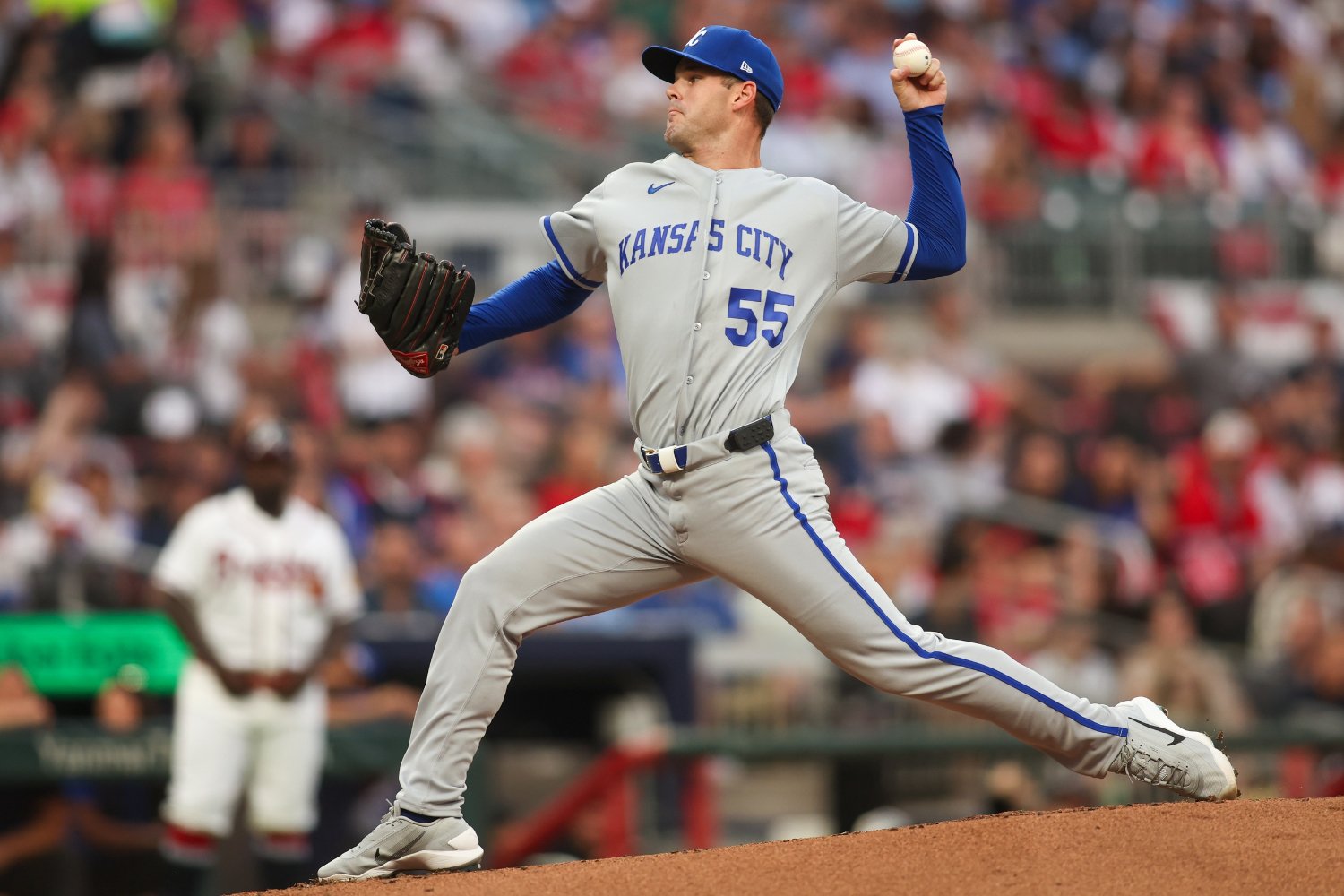 It was not an Opening Day to remember for the Kansas City Royals. They lost 6-0 to the Atlanta Braves at Truist Field in Atlanta. The offense was punchless. They not only scored zero runs but also had just five hits, all singles. However, one of the bigger disappointments of Friday's Opening Day loss was Cole Ragans, the Royals ace who was making his third-straight Opening Day start for Kansas City. In four innings of work and on 90 pitches, the lefty allowed four runs on six hits and four walks. While he struck out five Royals batters, he also gave up seven hard hits and three home runs. It certainly wasn't the kind of start Ragans wanted to begin 2026, especially after a 2025 campaign in which he posted a 4.67 ERA and only pitched 61.2 IP due to injury. Thus, what takeaways can Royals fans have from Ragans' Opening Day start? Is it something to panic about, or is it just a blip on the radar for Ragans, similar to Pittsburgh's Paul Skenes and San Diego's Nick Pivetta, who both had brutal Opening Day outings as well? Let's take a look at three things that stuck out from Ragans' start on Friday. Ragans Struggled With Finding the Zone When looking at Ragans' TJ Stats summary from his first outing of the season, he had some positives and negatives (though Royals fans will certainly focus on the negatives). Below is his summary from TJ Stats. In terms of the positives, Ragans still did an excellent job of generating whiff, as evidenced by his 31.7% whiff rate. He was also average in terms of generating chase, especially with his slider. His primary breaking pitch had a 43.8% chase rate and a 36.4% whiff rate. Lastly, his overall TJ Stuff+ was solid at 101, with his four-seamer, slider, and changeup all sporting grades of 50 or above. That said, his command was just not sharp against Atlanta. Ragans had a 34.4% zone rate, with two of his pitches having zone rates under 25% (slider and knuckle curve). His four-seamer, his most thrown pitch at 50%, had a 35.6% zone rate. The lackluster zone rates with the four-seamer and slider also correlated with poor xwOBACON marks on those pitches. He gave up a .569 xwOBACON on the four-seamer and a .668 xwOBACON on the slider. When looking at his pitch chart from Friday's game, Ragans did a good job of keeping the ball out of the middle-middle part of the strike zone. However, he missed badly in a lot of areas, and as a result, Braves hitters became more selective as the game progressed. The breaking stuff was particularly tough for Ragans to control. He missed a lot with his slider and knuckle curve low in the zone, as evidenced by all the yellow and blue dots around the shins and feet of the batters. Thus, it's not a surprise that his zone rates were so poor on his slider and knuckle curve on Friday night. Overall, the CSW wasn't bad at 27%, but the walks were still brutal, and his spotty command also resulted in some balls left in the zone that Braves hitters took advantage of. Ragans gave up three bombs, and here's the location of Ragans' pitches that Braves hitters went yard on. Honestly, those are major mistake pitches by Ragans. The most egregious command blunder was that changeup up in the zone, which Ozzie Albies absolutely teed off on for the first run of the game. It's one thing for Ragans to give up the free passes due to walks. Conversely, it's another thing when he's serving balls up in highly hittable areas because he isn't able to locate pitches effectively. Safe to say, it is a start that Ragans is ready to move on from (and quickly). Footing Issues With the Four-Seamer? Early in the game, Ragans seemed to lose his footing on the mound, nearly falling over after pitching the ball. The scene looked similar to what happened in Toronto a few seasons ago, when Ragans fell over on his follow-through and struggled to get his control back together for the remainder of the outing. Granted, Ragans didn't have quite the meltdown in Atlanta like he did North of the Border. That said, it seemed like his four-seamer was being thrown much differently in the second half of his outing (innings 3 and 4) than in the first half (innings 1 and 2). The 28-year-old Royals ace did a good job of peppering the four-seamer on the edges. However, he didn't locate the four-seamer as consistently up in the zone as he typically does. Ragans seemed to live more down in the zone with the four-seamer, especially later into his outing. Here's a look at his four-seamer pitch chart from the fourth inning of Friday's game. Ragans has only one pitch that's up and clips the edge of the strike zone, which is where a pitcher wants to be with a four-seamer of Ragans' profile. He either missed badly or stayed around the middle to lower edges of the strike zone. A key correlation with his atypical four-seamer location in the fourth inning is that Ragans' velocity dipped considerably in the fourth inning. He averaged 93.7 MPH in that inning. In the third, he was also down to 93.9 MPH. For comparison, he averaged 95.8 MPH in the first and 94.6 MPH in the second. Furthermore, this is what his four-seamer pitch chart looked like in the first inning. Ragans still missed up in the first inning, but he was also hitting the edges better and painting those edges up in the zone with his four-seamer. That wasn't happening later in the game. It could be that Ragans didn't have a good feel for his pitch. Thus, he was sacrificing velocity for control, something he has done in the past when he's not having a good feel for the four-seamer. The mound conditions could've contributed to that four-seamer's velocity and effectiveness. For a pitcher with mechanics like Ragans, being off in the slightest can throw everything off in a dramatic way. It's been an issue before for Ragans in the past, and it seemed like that problem reared its ugly head on Friday night. As the "ace" of this rotation, Ragans needs to make adjustments and find ways to get batters out when he isn't getting chases and whiffs or having great feel on his four-seamer. Ragans' Home Run Issues (Can More Cutter Usage Help?) Ragans gave up three home runs and allowed an xwOBACON of .495. Of course, a 60% HR/FB rate, as was the case on Friday, is not sustainable in the long term. Eventual flyball regression will help Ragans' overall line. That said, we have been seeing a concerning trend with Ragans on the long ball since the start of 2025. In 2023, he had an HR/FB rate of 5.2% in 71.2 IP with the Royals after coming over from Texas in a mid-season trade. In 2024, the HR/FB rate increased to 8.1%, 186.1 IP. Last season, his HR/FB rate was 12.3% in 61.2 IP. Thus, Ragans experienced a 7.1% increase in HR/FB rate from 2023 to 2025. Furthermore, as the HR/FB rate went up, Ragans' groundball rate (GB%) trended downward. With the Royals in 2023, he had a 45.5% GB%. In 2024, his GB% decreased to 40.7%. Last year, his GB% was 36.8%. While his HR/FB rate saw a dramatic spike over a three-year period, his GB% experienced a sharp dip over the same timespan, with his GB% dropping nearly 10 percent from his Royals debut. An issue with Ragans is that he often sells out for the strikeout. When he doesn't get them, it leads to either walks or mistakes in the strike zone that are barreled, often for home runs. While his strikeout rates were 29.3% in 2024 and 38.1% in 2025, his barrel rate allowed went from 6.2% to 9.5%. Thus, that seems to prove the point that when Ragans isn't getting whiffs, he's allowing way too much hard contact and, as a result, more bombs. Ragans needs to generate more groundballs, and a tweak in repertoire could help him do that. As Royals Data Dugout pointed out in our chat during the KCSN Royals Postgame show, an increase in cutter usage could be the solution. The Royals ace leaned on his cutter as a groundball-generating pitch in the past, especially in 2024, when it produced a 53.2% GB%, the highest among his arsenal. However, that cutter GB% dipped dramatically in 2025, and he seemed to utilize the slider and knuckle curve to generate more groundballs. Now, it's a chicken-or-egg kind of deal with the cutter. Did the cutter truly become less effective at generating groundballs in 2025? Or was he simply throwing it less, which resulted in less contact in general because of that decrease in usage? Ragans only threw the cutter 4.3% last year, a career-low, as seen below via Savant. I'm thinking Ragans needs to mix things up to get his GB% back into the 40% range. Throwing his cutter more and maybe the knuckle curve less could be helpful, especially since the knuckle curve has had spotty control. Would such a change result in fewer strikeouts? Perhaps, especially since the cutter has never had a whiff rate higher than 23.8% since 2022. However, Ragans needs to find a way to keep the ball in the yard and get it on the ground more often. The cutter is a tool he's used before to help him achieve that goal. Perhaps doing that again can get him back on track and neutralize the home run issues. I'm guessing Ragans will take that dip in strikeouts if it means better and more efficient outings going forward in 2026.
 -
Some Analysis on Bailey Falter
Kevin O'Brien replied to Kevin O'Brien's topic in Kansas City Royals Talk
I think those are great points. He throws strikes and can eat innings, which should make him valuable, especially in long relief situations. As you said, he's not really a groundball pitcher, but a flyball one, which carries some risk. It seemed to suit him fine in Pittsburgh, but it'll be interesting to see if he'll benefit as much in the K, especially in the new confines. It didn't seem to last year, but he also had such a small sample size a year ago, too, so I'm willing to give him more of a shot in 2026. -
It's been tough for Royals fans as two days of baseball have passed and Kansas City has not yet played a game. I get that networks want to hype and stretch out "Opening Day", but it feels weird for the Royals to be on the sideline for so long when some teams will have nearly two games under their belt by the time first pitch happens in Atlanta on Friday. Still, separation and anticipation can make the heart grow fonder, or whatever the saying is, I guess. With the Royals finally opening their 2026 campaign against the Braves at Truist Park on Friday evening, it seemed like a good idea to share a few bold predictions about this Royals team as a group. In my last post, I made five Royal players' predictions for the upcoming season. In this one, I will share four general predictions about this Royals squad and share my reasons for those bold statements. Thus, let's take a look at those four predictions and what they could mean for the Royals as a whole in 2026. The Royals Will Win 88 Games and the Division PECOTA projects the Royals to win around 85 games, the best projected record in the American League Central. In fact, this is how Baseball Prospectus' projection system expects the AL Central to shake out in 2026. Kansas City Royals: 85.3 (SimW) - 76.7 (SimL), 45.9% Div%, and 60% Playoff% Detroit Tigers: 83.9 (SimW) - 78.1 (SimL), 35.6% Div%, and 49.3% Playoff% Minnesota Twins: 78.8 (SimW) - 83.2 (SimL), 12.1% Div%, and 20.3% Playoff% Cleveland Guardians: 75.4 (SimW) - 86.6 (SimL), 5.3% Div%, and 8.5% Playoff% Chicago White Sox: 69.8 (SimW) - 92.2 (SimL), 1.1% Div%, and 1.6% Playoff% Looking at those projections and how I think the rest of the division will fare, I think many of the teams below the Tigers will trend down and underperform their projections. As for Detroit, I think they will outperform their 83.9 simulation wins total, but not by much. Thus, I think the Royals will outperform their win total by three, based on those factors and those of other teams in the division. Kansas City should be able to reach the 88-win benchmark in 2026. That was the number the Guardians won the division with in 2025. I think 88 wins will be good enough for the Royals to win the AL Central, with the Tigers coming up short, just like last season, to the Guardians, with 86 wins. The Royals Will Make the ALCS This is a bold one, but I believe that if the Royals make the postseason, they will go on a run and reach the American League Championship Series. I think the Royals face the Orioles in an ALDS rematch and once again come out victorious over Baltimore in four games. That should bring them to the ALCS, which will be against the hated Yankees. The Royals go toe-to-toe with the Bronx Bombers, taking them to Game 7. However, I feel like the Royals fall just short of a pennant, especially with the series finale taking place in New York. Kansas City losing, in a debilitating fashion, to the Yankees again is tough to stomach for Royals fans who can't stand the Evil Empire. It is especially tough to think about for Royals fans alive in 1976 who watched Chris Chambliss send the Yankees to the World Series with a walk-off home run against the Royals. While a loss to the Yankees would be disappointing, it would be in the ALCS, which is one round better than their 2024 exit in the ALDS. Thus, in 2027, that would be the year the Royals would get over the hump and back in the World Series. It would be much like 1980, when the Royals got over the Yankees' hump and into their first World Series in franchise history. The Royals Will Finish 8th in Runs Scored Per Game Fangraphs' Depth Charts has released its team projections for the upcoming season. They are a little more pessimistic about the Royals in their projections, expecting Kansas City to win 82 games and finish second again in the AL Central division. Depth Charts is not very optimistic about the AL Central overall, as it projects the Detroit Tigers to win the division with an 84-78 record. One aspect that stood out in the Royals' projection was their runs scored per game (RS/G). Depth Charts projects the Royals to produce a 4.60 RS/G. That would be the eighth-best mark in baseball. The Royals' offense has upgraded this season. Gone are Hunter Renfroe, Mark Canha, Cavan Biggio, and MJ Melendez (all on the Opening Day roster in 2025), and in their place are Isaac Collins, Starling Marte, Lane Thomas, and Jac Caglianone. That is a massive upgrade offensively, and should bode well for better results in 2026. Even some experts are optimistic about the Royals' lineup heading into this upcoming season. Kansas City didn't acquire a big-name player as hoped earlier in the offseason. They weren't able to trade for Jarren Duran or Brendan Donovan, two names tied to the Royals during the Winter Meetings. That said, despite missing out on those two players, this offense will be considerably better than the one that ranked 22nd in wRC+ a season ago, according to Fangraphs. The Royals' Pitching Staff Will Rank 15th in Runs Allowed Per Game Kansas City didn't have a whole lot of injury luck with pitchers last year, especially starting ones. Alec Marsh and Kyle Wright didn't throw a pitch for the Royals in 2025, Cole Ragans and Kris Bubic missed considerable time on the IL, and Michael Lorenzen, Lucas Erceg, and Seth Lugo were also sidelined for shorter periods due to injuries. However, that didn't seem to have a huge impact on the Royals pitchers' results in 2025. According to Fangraphs, the Royals ranked 6th in pitching ERA with a 3.73 ERA and 9th in pitcher fWAR with a 17.5 mark. Kansas City overcame those injuries with breakout seasons from arms like Noah Cameron and Carlos Estevez. They also saw new pitchers emerge like Stephen Kolek and Ryan Bergert, both coming from San Diego in the Freddy Fermin trade at the Trade Deadline. The Royals' pitching staff seems deeper than it was a year ago, especially at this time of the season. That said, the projections are expecting some regression from the Kansas City pitchers in 2026. Depth Charts projects the Royals to allow 4.62 runs per game (RA/G). That is tied with the Guardians for 22nd in baseball. That is a considerable dropoff, but regression due to age and new park factors could hit pitchers like Cameron, Lugo, and Michael Wacha hard in 2026. It wouldn't be surprising to see those three struggles after varying levels of success with the Royals over the past couple of seasons. If that happens, the Royals' overall pitching effectiveness, as expressed in RA/G, will drop to more mediocre numbers. However, I don't think they will fall to 22nd. I could see them finishing 15th, which would put them in the 4.45 to 4.50 RA/G range. Being in that range will be good enough to help them win 88 games, especially with their improvement in hitting and run scoring. I could also see the Royals being more aggressive with their pitching at the Trade Deadline and upgrading their rotation and/or bullpen, as they did in 2024. That should help them not just win the division, but win a playoff series against the Orioles. Unfortunately, I think the regression in pitching will come to hurt the Royals in their eventual ALCS matchup with the Yankees, who are just a little bit deeper than the Royals at this time. View full article
-
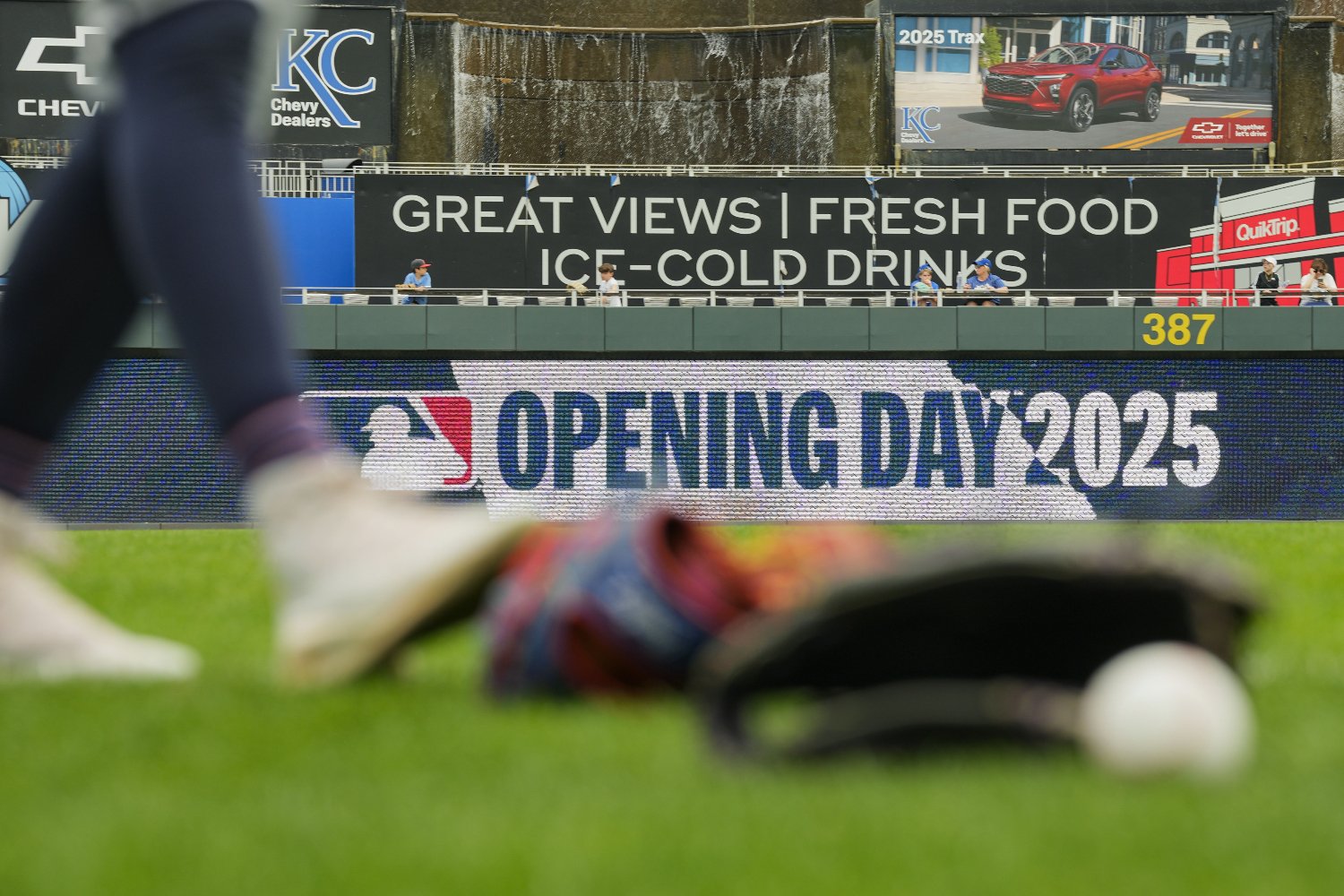 It's been tough for Royals fans as two days of baseball have passed and Kansas City has not yet played a game. I get that networks want to hype and stretch out "Opening Day", but it feels weird for the Royals to be on the sideline for so long when some teams will have nearly two games under their belt by the time first pitch happens in Atlanta on Friday. Still, separation and anticipation can make the heart grow fonder, or whatever the saying is, I guess. With the Royals finally opening their 2026 campaign against the Braves at Truist Park on Friday evening, it seemed like a good idea to share a few bold predictions about this Royals team as a group. In my last post, I made five Royal players' predictions for the upcoming season. In this one, I will share four general predictions about this Royals squad and share my reasons for those bold statements. Thus, let's take a look at those four predictions and what they could mean for the Royals as a whole in 2026. The Royals Will Win 88 Games and the Division PECOTA projects the Royals to win around 85 games, the best projected record in the American League Central. In fact, this is how Baseball Prospectus' projection system expects the AL Central to shake out in 2026. Kansas City Royals: 85.3 (SimW) - 76.7 (SimL), 45.9% Div%, and 60% Playoff% Detroit Tigers: 83.9 (SimW) - 78.1 (SimL), 35.6% Div%, and 49.3% Playoff% Minnesota Twins: 78.8 (SimW) - 83.2 (SimL), 12.1% Div%, and 20.3% Playoff% Cleveland Guardians: 75.4 (SimW) - 86.6 (SimL), 5.3% Div%, and 8.5% Playoff% Chicago White Sox: 69.8 (SimW) - 92.2 (SimL), 1.1% Div%, and 1.6% Playoff% Looking at those projections and how I think the rest of the division will fare, I think many of the teams below the Tigers will trend down and underperform their projections. As for Detroit, I think they will outperform their 83.9 simulation wins total, but not by much. Thus, I think the Royals will outperform their win total by three, based on those factors and those of other teams in the division. Kansas City should be able to reach the 88-win benchmark in 2026. That was the number the Guardians won the division with in 2025. I think 88 wins will be good enough for the Royals to win the AL Central, with the Tigers coming up short, just like last season, to the Guardians, with 86 wins. The Royals Will Make the ALCS This is a bold one, but I believe that if the Royals make the postseason, they will go on a run and reach the American League Championship Series. I think the Royals face the Orioles in an ALDS rematch and once again come out victorious over Baltimore in four games. That should bring them to the ALCS, which will be against the hated Yankees. The Royals go toe-to-toe with the Bronx Bombers, taking them to Game 7. However, I feel like the Royals fall just short of a pennant, especially with the series finale taking place in New York. Kansas City losing, in a debilitating fashion, to the Yankees again is tough to stomach for Royals fans who can't stand the Evil Empire. It is especially tough to think about for Royals fans alive in 1976 who watched Chris Chambliss send the Yankees to the World Series with a walk-off home run against the Royals. While a loss to the Yankees would be disappointing, it would be in the ALCS, which is one round better than their 2024 exit in the ALDS. Thus, in 2027, that would be the year the Royals would get over the hump and back in the World Series. It would be much like 1980, when the Royals got over the Yankees' hump and into their first World Series in franchise history. The Royals Will Finish 8th in Runs Scored Per Game Fangraphs' Depth Charts has released its team projections for the upcoming season. They are a little more pessimistic about the Royals in their projections, expecting Kansas City to win 82 games and finish second again in the AL Central division. Depth Charts is not very optimistic about the AL Central overall, as it projects the Detroit Tigers to win the division with an 84-78 record. One aspect that stood out in the Royals' projection was their runs scored per game (RS/G). Depth Charts projects the Royals to produce a 4.60 RS/G. That would be the eighth-best mark in baseball. The Royals' offense has upgraded this season. Gone are Hunter Renfroe, Mark Canha, Cavan Biggio, and MJ Melendez (all on the Opening Day roster in 2025), and in their place are Isaac Collins, Starling Marte, Lane Thomas, and Jac Caglianone. That is a massive upgrade offensively, and should bode well for better results in 2026. Even some experts are optimistic about the Royals' lineup heading into this upcoming season. Kansas City didn't acquire a big-name player as hoped earlier in the offseason. They weren't able to trade for Jarren Duran or Brendan Donovan, two names tied to the Royals during the Winter Meetings. That said, despite missing out on those two players, this offense will be considerably better than the one that ranked 22nd in wRC+ a season ago, according to Fangraphs. The Royals' Pitching Staff Will Rank 15th in Runs Allowed Per Game Kansas City didn't have a whole lot of injury luck with pitchers last year, especially starting ones. Alec Marsh and Kyle Wright didn't throw a pitch for the Royals in 2025, Cole Ragans and Kris Bubic missed considerable time on the IL, and Michael Lorenzen, Lucas Erceg, and Seth Lugo were also sidelined for shorter periods due to injuries. However, that didn't seem to have a huge impact on the Royals pitchers' results in 2025. According to Fangraphs, the Royals ranked 6th in pitching ERA with a 3.73 ERA and 9th in pitcher fWAR with a 17.5 mark. Kansas City overcame those injuries with breakout seasons from arms like Noah Cameron and Carlos Estevez. They also saw new pitchers emerge like Stephen Kolek and Ryan Bergert, both coming from San Diego in the Freddy Fermin trade at the Trade Deadline. The Royals' pitching staff seems deeper than it was a year ago, especially at this time of the season. That said, the projections are expecting some regression from the Kansas City pitchers in 2026. Depth Charts projects the Royals to allow 4.62 runs per game (RA/G). That is tied with the Guardians for 22nd in baseball. That is a considerable dropoff, but regression due to age and new park factors could hit pitchers like Cameron, Lugo, and Michael Wacha hard in 2026. It wouldn't be surprising to see those three struggles after varying levels of success with the Royals over the past couple of seasons. If that happens, the Royals' overall pitching effectiveness, as expressed in RA/G, will drop to more mediocre numbers. However, I don't think they will fall to 22nd. I could see them finishing 15th, which would put them in the 4.45 to 4.50 RA/G range. Being in that range will be good enough to help them win 88 games, especially with their improvement in hitting and run scoring. I could also see the Royals being more aggressive with their pitching at the Trade Deadline and upgrading their rotation and/or bullpen, as they did in 2024. That should help them not just win the division, but win a playoff series against the Orioles. Unfortunately, I think the regression in pitching will come to hurt the Royals in their eventual ALCS matchup with the Yankees, who are just a little bit deeper than the Royals at this time.
 -
On Thursday, the Omaha Storm Chasers shared their 2026 Opening Day roster. Their Opening Day will be on Friday in Louisville against the Bats, the Cincinnati Reds' Triple-A affiliate. The Storm Chasers roster has a mix of veteran talent trying to reach the Majors and prospects looking to make gains in the Minor Leagues before making their MLB debuts. Omaha has ten players on the Royals' 40-man roster, with eight of those being pitchers. Pitching may be the strength of this Omaha team. The rotation is deep with Luinder Avila, Ryan Bergert, Mason Black, Ben Kudrna, and Mitch Spence all in the mix. Those five pitchers are all on the 40-man roster and have MLB experience, with the exception of Kudrna. They also have some crafty veterans looking to take one last shot in the Major Leagues. Aaron Sanchez was once an "ace-level" arm with the Blue Jays, and he had a decent spring with the Royals. In 10 IP, he posted a 4.50 ERA, 1.60 WHIP, 4.55 FIP, and 4.7% K-BB%. While he didn't generate a ton of whiffs or chase, he was effective in terms of limiting hard contact this spring. Jose Cuas is also a former Royals reliever who had some fleeting success in Kansas City not too long ago. He will provide bullpen depth in addition to a veteran presence in the clubhouse. In terms of young arms, Steven Cruz is the most accomplished bullpen arm, having posted a 3.74 ERA and 4.11 FIP in 45.2 IP last season. He has a big fastball, and this spring, he had a 17.4% K-BB% and 108 overall TJ Stuff+. Other arms to watch in Omaha include Shane Panzini, Brandon Johnson, Eric Cerantola, Ryan Ramsey, and Beck Way. It would not be surprising to see one of these young pitching prospects emerge as a possible candidate for mid-season call-up, especially if an injury besets a reliever on the Royals' active roster. In terms of bats, many of the expected producers for the Storm Chasers are veterans. Catcher Elias Diaz was a late addition to the Spring Training roster, but he had a solid spring in a limited sample. In 15 plate appearances, the former All-Star Rockies catcher had a .533 average, and he sported excellent Statcast percentiles, especially in terms of exit velocity and hard-hit rate, as illustrated below. The infield is flush with veterans, as Brandon Drury, Josh Rojas, Kevin Newman, and Abraham Toro will all compete for playing time in the Omaha infield. The lone infield prospect is Peyton Wilson, who had a good 2025 in Double-A but struggled in his transition to Triple-A. In terms of the outfield, Gavin Cross is the lone prospect, though he needs to have a better season in 2026 to stay relevant in the Royals system. In 39 plate appearances, Cross hit .270 with a .767 OPS. He showed strong skills this spring, especially in terms of exit velocity, barrel rate, and hard-hit rate. However, the former Virginia Tech product still struck out and whiffed way too much in Arizona. Cross's whiff% ranked in the 12th percentile, and his K% ranked in the second percentile. Thus, it would be nice to see Cross show some progress in those areas in Omaha, especially since the power has seemed to tick back up this spring. Lastly, Kameron Misner and John Rave are outfielders who got cups of coffee with the Rays and Royals last season. Both have some upside, but are likely fourth outfielders at the Major League level. Misner has more upside than Rave, especially with Misner posting a .455 xwOBA and .808 OPS this spring. View full rumor
-
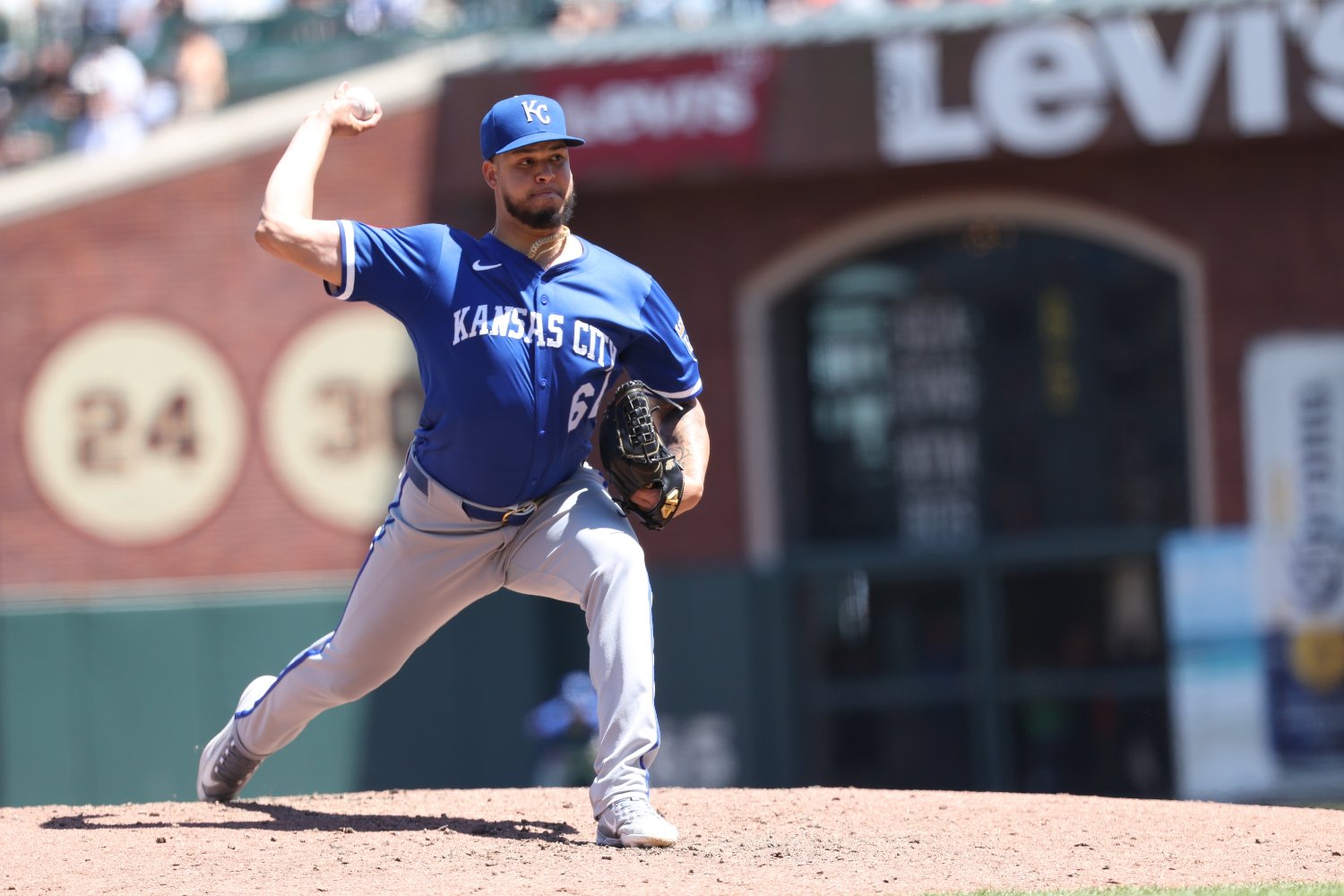 On Thursday, the Omaha Storm Chasers shared their 2026 Opening Day roster. Their Opening Day will be on Friday in Louisville against the Bats, the Cincinnati Reds' Triple-A affiliate. The Storm Chasers roster has a mix of veteran talent trying to reach the Majors and prospects looking to make gains in the Minor Leagues before making their MLB debuts. Omaha has ten players on the Royals' 40-man roster, with eight of those being pitchers. Pitching may be the strength of this Omaha team. The rotation is deep with Luinder Avila, Ryan Bergert, Mason Black, Ben Kudrna, and Mitch Spence all in the mix. Those five pitchers are all on the 40-man roster and have MLB experience, with the exception of Kudrna. They also have some crafty veterans looking to take one last shot in the Major Leagues. Aaron Sanchez was once an "ace-level" arm with the Blue Jays, and he had a decent spring with the Royals. In 10 IP, he posted a 4.50 ERA, 1.60 WHIP, 4.55 FIP, and 4.7% K-BB%. While he didn't generate a ton of whiffs or chase, he was effective in terms of limiting hard contact this spring. Jose Cuas is also a former Royals reliever who had some fleeting success in Kansas City not too long ago. He will provide bullpen depth in addition to a veteran presence in the clubhouse. In terms of young arms, Steven Cruz is the most accomplished bullpen arm, having posted a 3.74 ERA and 4.11 FIP in 45.2 IP last season. He has a big fastball, and this spring, he had a 17.4% K-BB% and 108 overall TJ Stuff+. Other arms to watch in Omaha include Shane Panzini, Brandon Johnson, Eric Cerantola, Ryan Ramsey, and Beck Way. It would not be surprising to see one of these young pitching prospects emerge as a possible candidate for mid-season call-up, especially if an injury besets a reliever on the Royals' active roster. In terms of bats, many of the expected producers for the Storm Chasers are veterans. Catcher Elias Diaz was a late addition to the Spring Training roster, but he had a solid spring in a limited sample. In 15 plate appearances, the former All-Star Rockies catcher had a .533 average, and he sported excellent Statcast percentiles, especially in terms of exit velocity and hard-hit rate, as illustrated below. The infield is flush with veterans, as Brandon Drury, Josh Rojas, Kevin Newman, and Abraham Toro will all compete for playing time in the Omaha infield. The lone infield prospect is Peyton Wilson, who had a good 2025 in Double-A but struggled in his transition to Triple-A. In terms of the outfield, Gavin Cross is the lone prospect, though he needs to have a better season in 2026 to stay relevant in the Royals system. In 39 plate appearances, Cross hit .270 with a .767 OPS. He showed strong skills this spring, especially in terms of exit velocity, barrel rate, and hard-hit rate. However, the former Virginia Tech product still struck out and whiffed way too much in Arizona. Cross's whiff% ranked in the 12th percentile, and his K% ranked in the second percentile. Thus, it would be nice to see Cross show some progress in those areas in Omaha, especially since the power has seemed to tick back up this spring. Lastly, Kameron Misner and John Rave are outfielders who got cups of coffee with the Rays and Royals last season. Both have some upside, but are likely fourth outfielders at the Major League level. Misner has more upside than Rave, especially with Misner posting a .455 xwOBA and .808 OPS this spring.
 -
I agree. I really don't know why they held onto Waters as long as they did, especially after getting 200+ PA last year. I'm hopeful Loftin can put it together and at least be a utility type that can fill in the infield and outfield and give disciplined at-bats, something Waters can't give, unfortunately.
- 6 replies
-
- 1
-
-
- michael massey
- josh rojas
- (and 5 more)
-
Image courtesy of Kevin Sousa-Imagn Images On Wednesday morning, the Kansas City Royals announced their Opening Day roster for Friday's contest against the Atlanta Braves at Truist Field in Atlanta. It was expected that the Royals would announce their roster today, especially with the requirement to do so at least 48 hours before their first game. There aren't a lot of surprises with the Opening Day roster, especially with this Royals team looking to return to the postseason after missing out a year ago. However, there are some key takeaways from the roster announcement, which also included a few transactions on the 40-man roster. Here are four takeaways from the Royals' Opening Day roster and the corresponding roster moves announced today by Kansas City. The Royals Kept Lange and Falter Because of the "Option" Game Righty Alex Lange and lefty Bailey Falter made the Opening Day roster for the Royals, even though they are both coming off mixed Spring Training campaigns. In nine appearances and nine innings pitched, Lange posted a 9.00 ERA and 1.56 WHIP. He had a 2.88 FIP, which was good, but he also sported a 9.8% K-BB% and 57.3% strike%, both mediocre marks. He also allowed a 12% barrel rate and 48% hard-hit rate, which are concerning as well. That said, he did showcase some strong whiff rates, velocity, and groundball rates, as illustrated in his TJ Stats summary below. As for Falter, he was a bit of the opposite of Lange this spring. His stuff and whiff rates weren't as impressive. However, he limited hard contact and walks and demonstrated good extension on his pitches in Cactus League play with the Royals. As seen above, he ranked only in the 31st percentile for fastball velocity, the 10th percentile for whiff rate, and the 27th percentile for groundball percentage. That's not exactly the profile that one wants to see from a reliever, regardless of their role in the bullpen. An interesting dilemma for Falter is how he will adapt to a relief role with the Royals. Prior to coming to Kansas City, he primarily pitched as a starter with the Pirates. Unfortunately, with a crowded Royals rotation, he will start as a long reliever, with the ability to spot start if necessary. Lange could probably use some time to continue to refine his command, especially since he is coming off an injury in 2024 and only pitched one inning at the Major League level in 2025. As for Falter, he may need more time to develop as a reliever, especially when it comes to playing his stuff up more in limited-inning outings. His 99 TJ Stuff+ this spring ranked in the 52nd percentile. Unfortunately, Lange and Falter are both out of Minor League options. Thus, to keep them on the 40-man roster, they both need to be on the active roster. While they haven't had great Spring Training campaigns by any means, they certainly did enough to merit longer looks, even if there may be marginally better options in Triple-A, like Luinder Avila, Steven Cruz, and Ryan Bergert. At this time of the year, the "option" game often carries a bigger weight, especially since teams do not want to lose possible MLB contributors for nothing on the waiver wire or in free agency. Thus, Lange and Falter will get a little more time at the beginning of the season to show if they can find their roles on the Royals' pitching staff this season, and, perhaps, beyond. Tolbert's One Tool Wins Out Over More "Veteran" Utility Options The Royals opted to add Tyler Tolbert to the Opening Day roster over other non-roster invitee "utility" options. The 28-year-old utility player had an encouraging MLB rookie debut in 2025. In 57 plate appearances, he hit .280 with a .701 OPS and stole 21 bases on 23 attempts. At the very least, Tolbert showed that he could be a pinch-runner off the bench who could also play multiple positions in the field in a pinch. Unfortunately, it wasn't a great Spring Training for Tolbert. In 33 plate appearances, the Royals speedster hit .226 with a .563 OPS.. He also struck out eight times and only walked twice. His Statcast percentiles were also pretty mediocre this spring, especially in the exit velocity and hard-hit categories, as seen below. Tolbert ranked in the 30th percentile in barrel rate, 10th percentile in average EV, 9th percentile in Max EV, and 3rd percentile in hard-hit rate. Furthermore, he ranked in the 39th percentile in chase rate, 37th percentile in K%, and 22nd percentile in BB%. There just wasn't a whole lot to be encouraged about with Tolbert from a batted-ball end in Arizona. That said, he stole five bases on five attempts. At the very least, he demonstrated in Cactus League play that he can be that pinch-running weapon off the bench that wouldn't require a lot of at-bats. Josh Rojas, Kevin Newman, Abraham Toro, and Brandon Drury all have Major League experience, and all showed flashes of promise in Cactus League play. Rojas posted a .381 wOBA while Toro posted a .429 wOBA between his time with the Royals and Team Canada in the WBC (56 plate appearances). Newman and Drury were less impressive at the plate, as they posted wOBA marks of .275 and .246, respectively. That said, both Newman and Drury have succeeded in utility infielder roles for their previous clubs. It seemed like there was a real chance that Rojas would make the Opening Day roster. In 48 plate appearances, he only hit .244, but he had a .354 OBP and .842 OPS. He also had a .244 ISO and 14.6% BB% to just a 20.8% K%. Furthermore, his Statcast summary looked a whole lot better than Tolbert's this spring, as illustrated below. Instead of Rojas' better overall profile, the Royals opted to go with Tolbert's one premium tool (baserunning). It will be interesting to see whether Rojas will stay with the Royals organization or opt to join another organization that may offer a clearer path to Major League playing time in 2026. Massey Still Not Ready for Opening Day There was some hope that Michael Massey would be ready for Opening Day, even after suffering a calf injury roughly a couple of weeks ago. On March 21st, Anne Rogers of MLB.com mentioned that Massey would play in Minor League games while the Royals played the Rangers in Arlington, Texas, and that they would make a decision based on how he fared in those contests back in Arizona. Apparently, Massey wasn't ready to play Major League games just yet, and the Royals opted to add him to the IL, along with Stephen Kolek and James McArthur. I'm guessing that the Royals are going to play it safe with Massey this season, who's struggled with injuries over his career. Since debuting in 2022, he's only had one season where he's had 400 or more plate appearances (2024). Last year, in 277 plate appearances, he only hit .244 with a .581 OPS. While he regressed in performance and some skills, injuries also played a role in his overall 2025 campaign. Massey looked like he was ready for a bounce-back campaign this spring prior to his calf injury. In 24 plate appearances, he hit .364 with a .962 OPS. That included a home run, a .182 ISO, and two walks to four strikeouts. He also showed some intriguing Statcast percentiles in Arizona, according to TJ Stats. Massey still whiffed a lot (37th percentile), and he didn't barrel a whole lot of balls (21st percentile). However, he pulled the ball effectively (98th percentile PullAir%) and launched it well (91st percentile LA SweetSpot%), while hitting it hard (98th percentile hard-hit rate). It's likely that if Massey were healthy, he would've gotten the Opening Day roster nod over Tolbert. Massey's availability and his proximity to returning could be why the Royals opted to go with Tolbert over Rojas. Yes, Rojas was a better player this spring than Tolbert. However, if Massey is ready to come back quickly after his injury, it would make more sense to option Tolbert to Omaha than to DFA Rojas. Kansas City may be better off holding on to Rojas, with him substituting for Massey if injuries mount or if something else happens to another player. That would guarantee Rojas a longer stint at the Major League level in 2026 with the Royals. The Waters Era Likely Done in Kansas City In addition to the Massey comment, Rogers mentioned in the same Twitter thread that the Royals were contemplating adding Drew Waters to the Opening Day roster. As seen in the transaction announcement in the previous section, the Royals opted to keep Nick Loftin on the Opening Day roster and designated Waters for assignment. I never understood the "buzz" about keeping Waters on the roster this spring. In 208 games and 684 career plate appearances (all with the Royals), the 27-year-old outfielder has a career .234 average, 84 wRC+, and 0.7 fWAR. He's shown flashes of power, speed, and defense, but there's been no consistency with the former Braves draft pick. In 219 plate appearances last year, his most since 2023, he hit .243 with a 66 wRC+ and accumulated a -0.6 fWAR. His wRC+ and fWAR were career-worst marks. When it comes to this spring, Waters failed to turn heads in a "make or break" Spring Training. In 36 plate appearances, he hit .188 with a .531 OPS. He struck out 22.2% of the time and only had a .094 ISO. Furthermore, his percentiles were pretty lackluster, except for his xwOBA, 90th EV, and LA Sweet-Spot%. Loftin didn't show much in terms of his exit velocity and barrel rates this spring, which has been an issue for the former Baylor product over his career (.103 career ISO). However, his plate discipline was much better this spring than Waters', and the Royals likely valued that skill set over anything Waters provided. Here's a look at what Loftin did Statcast-wise this spring, via TJ Stats. Loftin had a whiff% ranking in the 78th percentile, a K% ranking in the 77th percentile, and a BB% ranking in the 59th percentile. Those are all better marks than what Waters produced in those categories in Cactus League play. Both Loftin and Waters are 27 years old. However, Loftin has 257 fewer plate appearances than Waters at the Major League level. If one of these guys deserves one last shot to prove himself as an MLB player in 2026, it is Loftin rather than Waters simply because the Baylor product has gotten as many chances with the Royals as Waters. View full article
-
Four Takeaways from the Royals' Opening Day Roster Announcement
Kevin O'Brien posted an article in Royals
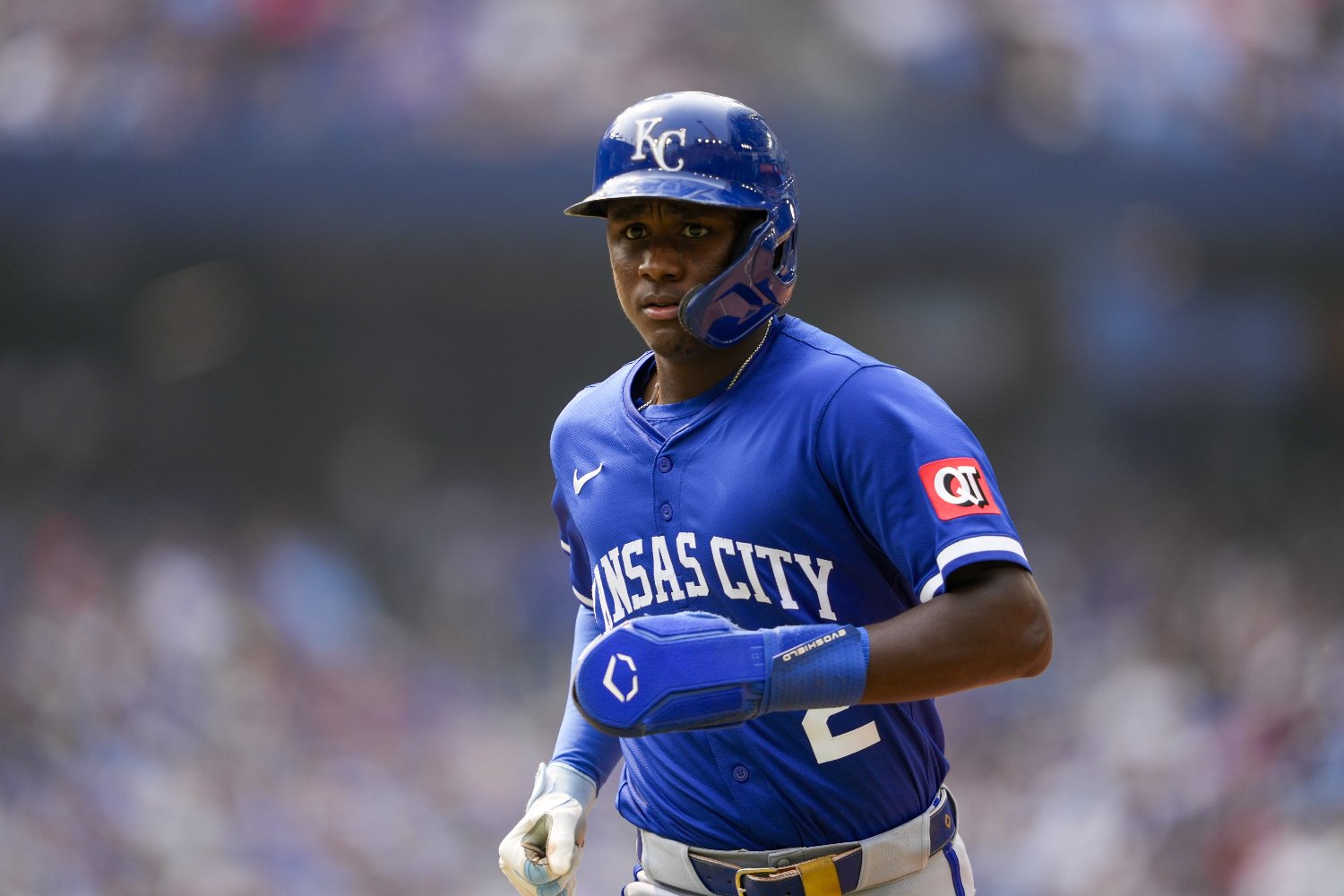 On Wednesday morning, the Kansas City Royals announced their Opening Day roster for Friday's contest against the Atlanta Braves at Truist Field in Atlanta. It was expected that the Royals would announce their roster today, especially with the requirement to do so at least 48 hours before their first game. There aren't a lot of surprises with the Opening Day roster, especially with this Royals team looking to return to the postseason after missing out a year ago. However, there are some key takeaways from the roster announcement, which also included a few transactions on the 40-man roster. Here are four takeaways from the Royals' Opening Day roster and the corresponding roster moves announced today by Kansas City. The Royals Kept Lange and Falter Because of the "Option" Game Righty Alex Lange and lefty Bailey Falter made the Opening Day roster for the Royals, even though they are both coming off mixed Spring Training campaigns. In nine appearances and nine innings pitched, Lange posted a 9.00 ERA and 1.56 WHIP. He had a 2.88 FIP, which was good, but he also sported a 9.8% K-BB% and 57.3% strike%, both mediocre marks. He also allowed a 12% barrel rate and 48% hard-hit rate, which are concerning as well. That said, he did showcase some strong whiff rates, velocity, and groundball rates, as illustrated in his TJ Stats summary below. As for Falter, he was a bit of the opposite of Lange this spring. His stuff and whiff rates weren't as impressive. However, he limited hard contact and walks and demonstrated good extension on his pitches in Cactus League play with the Royals. As seen above, he ranked only in the 31st percentile for fastball velocity, the 10th percentile for whiff rate, and the 27th percentile for groundball percentage. That's not exactly the profile that one wants to see from a reliever, regardless of their role in the bullpen. An interesting dilemma for Falter is how he will adapt to a relief role with the Royals. Prior to coming to Kansas City, he primarily pitched as a starter with the Pirates. Unfortunately, with a crowded Royals rotation, he will start as a long reliever, with the ability to spot start if necessary. Lange could probably use some time to continue to refine his command, especially since he is coming off an injury in 2024 and only pitched one inning at the Major League level in 2025. As for Falter, he may need more time to develop as a reliever, especially when it comes to playing his stuff up more in limited-inning outings. His 99 TJ Stuff+ this spring ranked in the 52nd percentile. Unfortunately, Lange and Falter are both out of Minor League options. Thus, to keep them on the 40-man roster, they both need to be on the active roster. While they haven't had great Spring Training campaigns by any means, they certainly did enough to merit longer looks, even if there may be marginally better options in Triple-A, like Luinder Avila, Steven Cruz, and Ryan Bergert. At this time of the year, the "option" game often carries a bigger weight, especially since teams do not want to lose possible MLB contributors for nothing on the waiver wire or in free agency. Thus, Lange and Falter will get a little more time at the beginning of the season to show if they can find their roles on the Royals' pitching staff this season, and, perhaps, beyond. Tolbert's One Tool Wins Out Over More "Veteran" Utility Options The Royals opted to add Tyler Tolbert to the Opening Day roster over other non-roster invitee "utility" options. The 28-year-old utility player had an encouraging MLB rookie debut in 2025. In 57 plate appearances, he hit .280 with a .701 OPS and stole 21 bases on 23 attempts. At the very least, Tolbert showed that he could be a pinch-runner off the bench who could also play multiple positions in the field in a pinch. Unfortunately, it wasn't a great Spring Training for Tolbert. In 33 plate appearances, the Royals speedster hit .226 with a .563 OPS.. He also struck out eight times and only walked twice. His Statcast percentiles were also pretty mediocre this spring, especially in the exit velocity and hard-hit categories, as seen below. Tolbert ranked in the 30th percentile in barrel rate, 10th percentile in average EV, 9th percentile in Max EV, and 3rd percentile in hard-hit rate. Furthermore, he ranked in the 39th percentile in chase rate, 37th percentile in K%, and 22nd percentile in BB%. There just wasn't a whole lot to be encouraged about with Tolbert from a batted-ball end in Arizona. That said, he stole five bases on five attempts. At the very least, he demonstrated in Cactus League play that he can be that pinch-running weapon off the bench that wouldn't require a lot of at-bats. Josh Rojas, Kevin Newman, Abraham Toro, and Brandon Drury all have Major League experience, and all showed flashes of promise in Cactus League play. Rojas posted a .381 wOBA while Toro posted a .429 wOBA between his time with the Royals and Team Canada in the WBC (56 plate appearances). Newman and Drury were less impressive at the plate, as they posted wOBA marks of .275 and .246, respectively. That said, both Newman and Drury have succeeded in utility infielder roles for their previous clubs. It seemed like there was a real chance that Rojas would make the Opening Day roster. In 48 plate appearances, he only hit .244, but he had a .354 OBP and .842 OPS. He also had a .244 ISO and 14.6% BB% to just a 20.8% K%. Furthermore, his Statcast summary looked a whole lot better than Tolbert's this spring, as illustrated below. Instead of Rojas' better overall profile, the Royals opted to go with Tolbert's one premium tool (baserunning). It will be interesting to see whether Rojas will stay with the Royals organization or opt to join another organization that may offer a clearer path to Major League playing time in 2026. Massey Still Not Ready for Opening Day There was some hope that Michael Massey would be ready for Opening Day, even after suffering a calf injury roughly a couple of weeks ago. On March 21st, Anne Rogers of MLB.com mentioned that Massey would play in Minor League games while the Royals played the Rangers in Arlington, Texas, and that they would make a decision based on how he fared in those contests back in Arizona. Apparently, Massey wasn't ready to play Major League games just yet, and the Royals opted to add him to the IL, along with Stephen Kolek and James McArthur. I'm guessing that the Royals are going to play it safe with Massey this season, who's struggled with injuries over his career. Since debuting in 2022, he's only had one season where he's had 400 or more plate appearances (2024). Last year, in 277 plate appearances, he only hit .244 with a .581 OPS. While he regressed in performance and some skills, injuries also played a role in his overall 2025 campaign. Massey looked like he was ready for a bounce-back campaign this spring prior to his calf injury. In 24 plate appearances, he hit .364 with a .962 OPS. That included a home run, a .182 ISO, and two walks to four strikeouts. He also showed some intriguing Statcast percentiles in Arizona, according to TJ Stats. Massey still whiffed a lot (37th percentile), and he didn't barrel a whole lot of balls (21st percentile). However, he pulled the ball effectively (98th percentile PullAir%) and launched it well (91st percentile LA SweetSpot%), while hitting it hard (98th percentile hard-hit rate). It's likely that if Massey were healthy, he would've gotten the Opening Day roster nod over Tolbert. Massey's availability and his proximity to returning could be why the Royals opted to go with Tolbert over Rojas. Yes, Rojas was a better player this spring than Tolbert. However, if Massey is ready to come back quickly after his injury, it would make more sense to option Tolbert to Omaha than to DFA Rojas. Kansas City may be better off holding on to Rojas, with him substituting for Massey if injuries mount or if something else happens to another player. That would guarantee Rojas a longer stint at the Major League level in 2026 with the Royals. The Waters Era Likely Done in Kansas City In addition to the Massey comment, Rogers mentioned in the same Twitter thread that the Royals were contemplating adding Drew Waters to the Opening Day roster. As seen in the transaction announcement in the previous section, the Royals opted to keep Nick Loftin on the Opening Day roster and designated Waters for assignment. I never understood the "buzz" about keeping Waters on the roster this spring. In 208 games and 684 career plate appearances (all with the Royals), the 27-year-old outfielder has a career .234 average, 84 wRC+, and 0.7 fWAR. He's shown flashes of power, speed, and defense, but there's been no consistency with the former Braves draft pick. In 219 plate appearances last year, his most since 2023, he hit .243 with a 66 wRC+ and accumulated a -0.6 fWAR. His wRC+ and fWAR were career-worst marks. When it comes to this spring, Waters failed to turn heads in a "make or break" Spring Training. In 36 plate appearances, he hit .188 with a .531 OPS. He struck out 22.2% of the time and only had a .094 ISO. Furthermore, his percentiles were pretty lackluster, except for his xwOBA, 90th EV, and LA Sweet-Spot%. Loftin didn't show much in terms of his exit velocity and barrel rates this spring, which has been an issue for the former Baylor product over his career (.103 career ISO). However, his plate discipline was much better this spring than Waters', and the Royals likely valued that skill set over anything Waters provided. Here's a look at what Loftin did Statcast-wise this spring, via TJ Stats. Loftin had a whiff% ranking in the 78th percentile, a K% ranking in the 77th percentile, and a BB% ranking in the 59th percentile. Those are all better marks than what Waters produced in those categories in Cactus League play. Both Loftin and Waters are 27 years old. However, Loftin has 257 fewer plate appearances than Waters at the Major League level. If one of these guys deserves one last shot to prove himself as an MLB player in 2026, it is Loftin rather than Waters simply because the Baylor product has gotten as many chances with the Royals as Waters.
 -
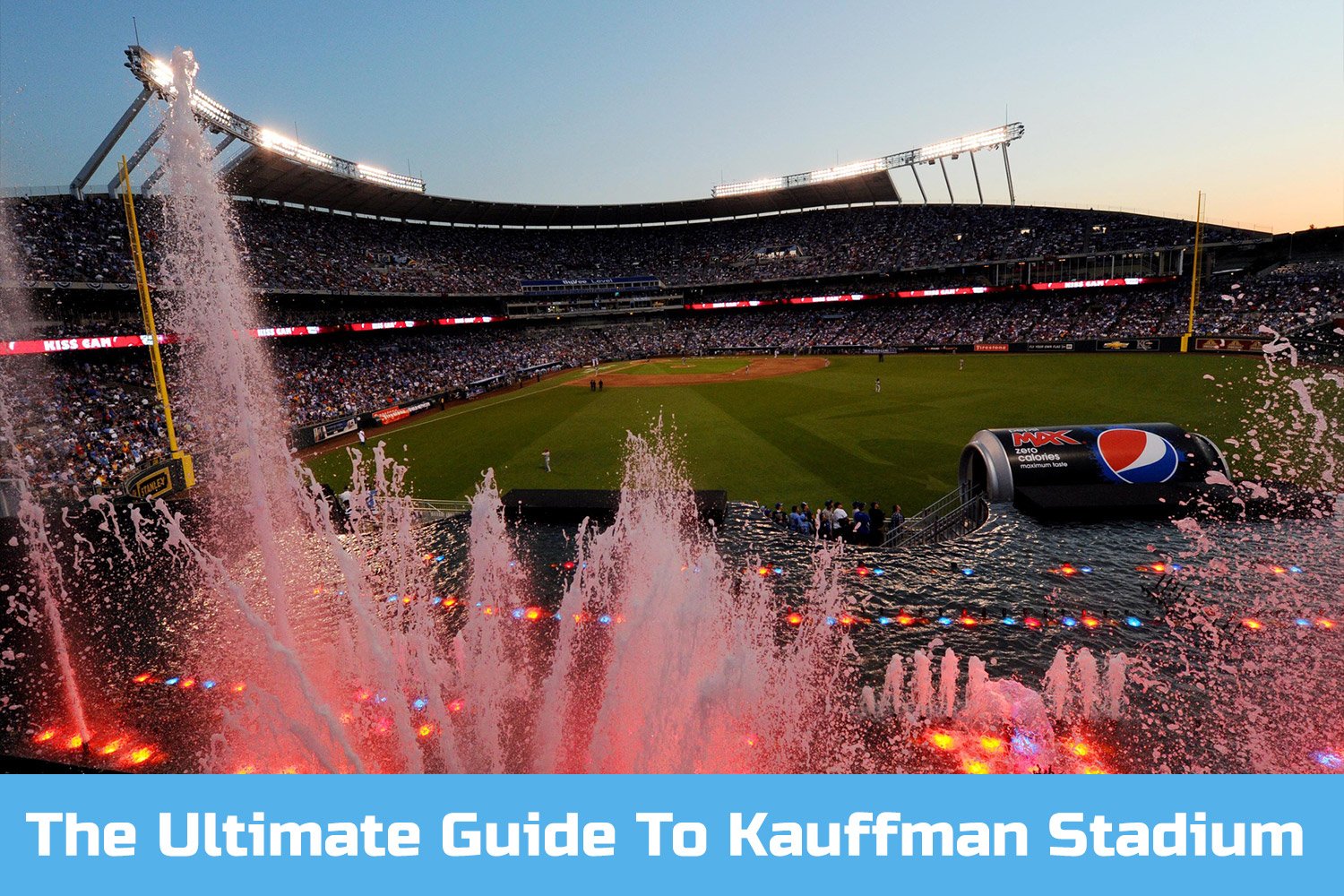 Every hidden nook, cranny, and secret value at the Kansas City Royals' ballpark. By the fans, for the fans. Whether you're an out-of-towner visiting Kauffman Stadium and looking for tips, or you're a local who wants to make sure you're getting the most out of your experience at this elite ballpark, we've got you covered. This comprehensive guide will walk you through every step of the Kauffman Stadium experience, but should you have additional recommendations or suggestions, please use the comment fields found below this article. Enjoy and have a great time at Kauffman Stadium! Table of Contents (click to jump to section) Kauffman Stadium Facts and Specs Best Places to Park Around Kauffman Stadium Best Seats at Kauffman Stadium Best Food at Kauffman Stadium Best Bars at Kauffman Stadium, Ranked Secret Gems of Kauffman Stadium Self-Guided Kauffman Stadium Walking Tour Kauffman Stadium Fan FAQs Kauffman Stadium Facts and Specs Address: One Royal Way, Kansas City, MO 64129 Opened: April 10th, 1973 Capacity: 37,903 Gates Open: Friday-Sunday Games: All gates will open 1.5 hours prior to game time. Gate C opens 2 hours prior to CommunityAmerica Credit Union Crown Club ticket holders (Sections 1 - 6) only. Monday-Thursday Games: All gates will open 1 hour prior to game time. Gate C opens 2 hours prior to CommunityAmerica Credit Union Crown Club ticket holders (Sections 1 - 6) only. Dimensions Left-field line: 347 feet Left-center field: 379 feet Center field: 410 feet Right-center field:379 feet Right-field line: 344 feet Playing Surface: Kentucky bluegrass / Perennial ryegrass Best Places To Park Around Kauffman Stadium Due to its remote location, there are few alternatives to the parking lots at the Truman Sports Complex. Limited parking is available at a nearby church across from the complex, but the cost and safety concerns are often not worth it. For Opening Day and playoff games, some local residents will charge for parking, but it can be quite a walk to the stadium. Inside the complex, parking is as follows: Online in Advance: General Parking pass is $21, Reserved Parking pass is $36, and an Oversized Vehicle Parking pass is $41. On Gameday: $30 for General, $45 for Reserved, or $50 for Oversized Vehicle. Fans can pay via credit card at the designated toll booths at Gates 2–4, 5, or 6. Best Seats At Kauffman Stadium This is all a matter of personal preference. Some people love to sit right on top of the action, while others prefer the upper deck to see a wider view. Of course, price is always a factor, whether you are purchasing directly from the Royals or through a reseller, where you can often find bargains, especially as the first pitch gets closer. Typically, it's pretty easy to get a ticket, even close to first pitch, with the exception of games against major rivals (Yankees and Cardinals) or opponents with big-name players (Dodgers). I have never had a bad seat at Kauffman Stadium, but there are a few caveats. If you sit in the left-field Sonic Slam seats (101, 102, 103), the seats above the visitor's bullpen (104, 105, 106), the Miller Lite Fountains seats (201, 202, 203), or the seats in right field above the Royals bullpen (250-252 and 150-152), you will have a limited view of the Crown Vision over the center field wall, which is where most of the game information is located. There is a disclaimer when you buy these tickets online and on the ticket in the MLB Ballpark app. If you are attending a day game, any outfield seats and the lower levels will be in the sun. The view box area will start out in the sun, but will get shade later in the game, depending on the time of first pitch. View reserved will typically be in the shade for the entire game. The same is true for the Loge area (300s), which benefits from an overhang. Don’t forget that there are some policies about what you can and can’t bring into the stadium. You can check those out here. There are some fun places to watch the game, but for a premium price. Here are some of those premium ticket areas. Community America Crown Club These seats are directly behind home plate. In addition to the fantastic view, tickets in this section give you access to the climate-controlled lounge, where you can enjoy complimentary food, beverages (including alcoholic), and seating. You also get the benefit of in-seat service, where ushers deliver food and beverages to your seats. UMB Diamond Club You don't get complimentary food and beverage, but you still get access to a Diamond Club-specific lounge and in-seat service (though you have to pay at the end of the meal). Diamond Club tickets often come with a certain amount of concession credit as well, though that depends on the game and section within the Diamond Club. Lexus Complete Seats Located in sections 322-325, these all-inclusive tickets provide unlimited access to a specific concession stand featuring ballpark staples such as hot dogs, popcorn, nachos, and peanuts. Unlimited soft drinks are included as well. In addition to premium seating, the Royals offer a lot of "social spaces", which are ideal for groups, especially those over 21 years of age. Here is a list of those social spaces within Kauffman Stadium Craft and Draft Located in the Loge area on the third-base side, the Craft and Draft section is open to all fans within the stadium. There is a first-come, first-served seating for those who wish to watch the game in the area and enjoy food and beverages. However, there are ticketed seats that fans can buy that guarantee a spot at the lower end of that section. There are two types of tickets in the Craft and Draft section: Craft and Draft Seats and Craft and Draft Tables. Seats include in-seat service and an assigned seat in a chair with a bar rail. Tables offer the same in-seat service with assigned seating for two. For those who like to stand up and move around, the tables option may be better. All Craft and Draft seats come with $20 of "loaded value", which can be used to purchase food or beverages inside the Craft and Draft. QuikTrip Fountain Seats These seats are in the right-field area and include all-you-can-eat food and beverages (including alcoholic beverages) and access to a revamped lounge located just past the center-field wall, in front of the Crown Vision board. Seating is limited to one row, but there is a railing to lean on, and the lounge has access to televisions. The menu includes a hot dog station, a nacho bar, hot appetizers, domestic and imported beers, and seltzers. Brew and View The Brew and View section is located in 401 and 402 and is a social space where you get a game ticket and a 24-oz domestic beer. There are two rows of limited seating and three rows of bar tables, which allow for standing and socializing during the game. There is a concession stand dedicated to the Brew and View, where fans can purchase additional beverages and snacks. Rivals Sports Bar This Rival Sports Bar, located above the right field bullpen, is open to the public. Fans can purchase tickets in the bar section, which includes $20 in loaded value that can be spent on food or beverages. Like Craft and Draft, there are two types of tickets in this section: Rivals Seats and Tables. Seats are individual seats with a bar rail, while the table provides assigned seating for four. Royals Tavern Tables The Tavern Tables are located in the upper section of 239-241. They are meant to seat four and include a custom specialty pizza and a bucket of 12 oz. beers (4 beers in total). Fans in this section also get in-seat service and access to an exclusive mobile ordering system. For more information on the different sections and seating within Kauffman Stadium, check out the guide to Royals Season Tickets. Best Food At Kauffman Stadium Do you like food? Of course you do. Why else would you be in this section? Anything said after this point comes with the stipulation that you will pay more than you should for anything you eat at Kauffman Stadium. That is a big reason for the tailgating culture at Kauffman: many fans, especially those coming in large groups, are more likely to grill out in the parking lot before a game, particularly on weekends. That said, here are some great food options at Kauffman Stadium. New for 2026 Local Hawaiian restaurant chain Hawaiian Bros will be serving their plate lunch specials, which include a meat, rice, and macaroni salad, as well as Dole Whip, a Hawaiian chilled dessert. Fans can grab fresh and delicious Hawaiian cuisine behind Homeplate near the Royals Team Store, both inside and outside the Diamond Club Hey Batter, Batter is a new stand serving different kinds of corn dogs, both sweet and savory. They are located across section 240 in the lower concourse. For those looking for quick convenience, The Walk Off is a grab-and-go stand offering all kinds of typical ballpark specials, including hot dogs, popcorn, pizza, and pretzels. Fans will be able to scan their credit/debit card for entry, grab what they need, and check out at the exit, where their card will be charged. This is perfect for those who know what they want and don't want to spend a whole lot of time. Stadium Staples The food at Kauffman Stadium has improved dramatically in the past few seasons. After being more generic in their options for years, the Royals have opted for more local options within the ballpark. That includes more KC BBQ options and stands that are extensions of local Kansas City restaurants. That includes forays into Mexican, Italian, and desserts. The lower concourse tends to have the most diverse concession options available. However, fans can find a lot of their ballpark favorites in the Outfield Experience and upper concourse areas. Here is a list of some places to visit at Kauffman Stadium. Value Menu Stands: These stands include options $5 or less. They are often located within the Ballpark Favorites and Hot Corner Grill stands. Options include hot dogs, popcorn, pretzels, peanuts, and 12 oz. cans of Miller Lite beer. Locations: sections 120, 135, 201, 213, 242, 405, 417, and 422 Joe's Kansas City Bar-B-Que: New in 2025, this is an extension of one of Kansas City's most popular and highly rated BBQ spots (the one at the gas station). Fans can purchase the world-famous classic Z-Man Sandwich (slow-smoked beef brisket, smoked provolone, topped with two crispy onion rings on a toasted Kaiser roll), a Chicken Z-Man (smoked, pulled chicken and BBQ mayo, smoked provolone, topped with two crispy onion rings on a toasted Kaiser roll), and onion rings. Locations: Right field area adjacent to the outfield experience Pasquantino's: This stand offers one item: Vinnie’s Italian Beef Pasqwich. It is a shaved Italian Beef topped with two slices of Provolone Cheese, Two Strips of Bacon, Crispy Hash Brown Patties, and Giardiniera Aioli, all served on a buttered, grilled brioche bun. It's a bit pricey at nearly $25 with tax, but it can satisfy the hungriest of appetites. Proceeds benefit the Kansas City Royals Foundation and Wayside Waifs. Locations: Section 208 Italian Sausage Co.: An extension of the shop in the Northland area of Kansas City, the Italian Sausage Co. offers locally made, freshly grilled pork and chicken Italian sausages, served with grilled onions and peppers. They also offer Italian Sausage nachos, featuring crumbled Italian sausage, sliced banana peppers, olives, and cheese sauce on chips. Locations: Section 234 KCQ - Local Craft BBQ: This stand features rotating local craft BBQ restaurants, including Chef J's and SMOAK Craft BBQ. Items often include meat platters featuring KC favorites such as brisket, pulled pork, and spare ribs. This is a great spot for those who want to taste more local BBQ and watch a Royals game at Kauffman Stadium at the same time. Locations: Sections 216 and 232. Andy’s Frozen Custard: A local favorite, starting in Springfield, Missouri, offers half-pints in chocolate malt, vanilla, Forever Blue, and Oreo. Locations: In Hot Corner Grills in sections 221 and 234, Price Chopper Market Place, and Diamond Club. Bases Loaded Nachos: A stand that focuses on shareable nachos with Tostitos chips and a choice of BBQ Pulled Pork or taco beef, served with shredded lettuce, green onions, salsa Verde, queso Blanco, cilantro-lime sour cream, and shredded cheese. Location: Section 234 Belfonte Ice Cream: Another local ice cream favorite, sundaes and milkshakes are available at the main store in the outfield experience. Belfonte pints are typically available in most Ballpark Favorites and Hot Corner Grill stands throughout the stadium. Locations: Ice Cream Shop located behind Crown Vision in the Outfield Experience Brisket-Acho: A food item specific to Kauffman Stadium, it's nachos in a helmet with a KC twist. It includes chopped brisket, BBQ baked beans, cheesy corn, coleslaw, and BBQ sauce all over a bed of corn tortilla chips. Locations: Sections 221, 234, 251, 417, 422 Bullpen Burgers and Shakes: This stand is ideal for those who crave a classic grilled burger, fries, and a shake. Locations: Sections 250, 308, and 413 Chickie & Pete's: Kauffman Stadium is one of two places in Kansas City where you can get this Philly classic. They serve cheesestakes, wings, and their famous Crab Fries. Location: Section 216 Tender Love and Chicken: Chicken tenders are as much of a staple at a ball game as hot dogs now, and this place does them right. They feature gourmet chicken tenders and ranch-dusted fries with a variety of dipping sauces. Location: Section 206, 308 & 427 Best Bars "Near" Kauffman Stadium Due to the remote location of Kauffman Stadium and the Truman Sports Complex, there aren't any bar options within walking distance. However, for those carpooling and staying/hanging around the Downtown Kansas City area, there are some bars that could be great pre-game or post-game spots. Just make sure to have a designated driver or get an Uber if you plan on hitting these places up! The Peanut: There are many locations of The Peanut, but this one in downtown Kansas City is a nice divey spot that has great happy hour specials and is famous for its massive chicken wings. This is a great spot for bar food, cheap pitchers, and watching a bunch of games, with plenty of TV screens. Address: 418 W 9th St, Kansas City, MO 64105 Website: http://www.peanutkc.com/ Jim's Alley Bar: The Crossroads is an area right off the Streetcar line and is known for a plethora of microbreweries in close distance. However, one place that isn't a brewery but is worth the stop is Jim's. It's a small, dark place with great vibes, as if you've stepped into a 70's joint. They also have a solid selection of food, with their Italian Beef as their signature item. If you like cheap yard beers and dive cocktails, this is a great spot. Address: 500 E 18th St #103, Kansas City, MO 64108 Website: https://www.jimsalleybar.com/ Lucky Boys: Located in the West Bottoms near the old Kemper Arena, this cozy dive bar has billiards, cheap drinks, and a retro vibe. They offer a simple and affordable menu with cheeseburgers, chicken sandwiches, and fries. You can also order pizza from the pizzeria next door, Fortunati, and they will deliver it to the bar. Address: 1615 Genessee St, Kansas City, MO 64102 Website: https://www.instagram.com/luckyboyskc/ 403 Club: Do you like pinball? Well, you will love this bar. With 11 games in top condition, fans can get some pinball action on before they head to the K for a game. Or you can unwind with pinball after a Royals game. The 403 Club also has cheap drinks, a vast selection of Craft beers (including Boulevard ones that are hard to find in other bars), and $3 PBR tall boys on special. Address: 614 Reynolds Ave, Kansas City, KS 66101 Website: https://403club.com/ The Green Lady Lounge: What's a trip to Kansas City without some live jazz music? Green Lady is the spot for that, with live jazz music seven days a week. Enjoy a nice cocktail and wind down with some jazz music after a game before you call it an evening in downtown Kansas City. Address: 1809 Grand Blvd, Kansas City, MO 64108 Website: https://greenladylounge.com/ The Belfry: A variety of experiences in one unique place. In addition to an excellent whiskey and rotating beer selection, chef/owner Celina Tio, a James Beard Award-winning chef, offers a menu featuring fresh, seasonal ingredients and affordable prices. Furthermore, within the area is Gerarad's pool hall, with plenty of tables for patrons to play on. Address: 1532 Grand Blvd, E 16th St entrance, Kansas City, MO 64108 Website: https://www.belfrycollective.com/ Kelly's Westport Inn: One of the oldest Irish pubs in Kansas City. It's a bit further out of the way, located in Westport. However, it's only a short streetcar ride from downtown. Friday nights, they have $2 domestics and $2 wells, making it a nice stop on the way home from a game, especially for those who want to keep the night going. They also have live music on the weekends. Address: 500 Westport Rd, Kansas City, MO 64111 Website: https://kellyswestportinn.com/ Secret Gems Of Kauffman Stadium The Royals Hall of Fame: Located in the Outfield Experience, the Royals Hall of Fame is a must-see for any first-time visitor to Kauffman Stadium. Inside the Hall of Fame, which is typically open when the gates open, fans can access a variety of exhibits that highlight the rich history of not only the Kansas City Royals but also baseball in Kansas City. Also, there are many old photos and videos highlighting the Royals' history, including recaps of the 1985 and 2015 World Series championship runs. There is also a special room that houses the two World Series trophies and a dedicated exhibit to George Brett, the only Royals player enshrined in the National Baseball Hall of Fame. Lastly, all 31 members of the Royals Hall of Fame have a plaque dedicated to them inside. The Outfield Experience: With the 2009 renovations, there is plenty to enjoy here for all ages. Features include "The Little K", which is a youth baseball field geared for various baseball activities, a batting cage, a pitching cage, a merry-go-around, a mini-golf course, and a special stage, with various acts playing before Sunday afternoon games. There are also various statues in the Outfield Experience, including those of the Kauffmans (Ewing and Muriel, the Royals' first owners), George Brett, Dick Howser, and Frank White. The latter three are players whose numbers have been retired by the Kansas City Royals. Lastly, Royals fans can check out the signature fountains in the Outfield Experience and not only get splashed, but also get a tremendous view of the stadium. Dollar Dog Tuesday: Every first Tuesday of the month, regular hot dogs are $1. They can be found at all Ballpark Favorites and Hot Corner Grill stands throughout the stadium. Fans can buy up to four dollar hot dogs at a time. Self-Guided Kauffman Stadium Walking Tour Coming soon! Kauffman Stadium Fan FAQs There is a lot to know when going to Kauffman Stadium. You can find a full list here, but we will address some key items below. What time do the gates open? Friday - Sunday Games: All gates will open 1.5 hours prior to game time. Gate C opens 2 hours prior to CommunityAmerica Credit Union Crown Club ticket holders (Sections 1 - 6) only. Monday - Thursday Games: All gates will open 1 hour prior to game time. Gate C opens 2 hours prior to CommunityAmerica Credit Union Crown Club ticket holders (Sections 1 - 6) only. What types of bags can I bring in? The following bags are allowed at Kauffman Stadium: (1) Clear bag no larger than 12” x 12” x 6” with all items inside easily visible. One-gallon clear zip-seal bag (Ziploc® bag or similar). Small clutch bags that do not exceed 9" x 5", with or without a handle or strap, may be carried into the stadium along with one of the clear bag options. An exception may be made for medical reasons or manufactured diaper bags that accompany infants and young children after proper inspection. Can I watch batting practice? Normally, the Royals conduct batting practice from 4:30 p.m. to 5:25 p.m. while visiting teams hit from 5:30 p.m. to 6:25 p.m. for a 7:10 p.m. game. The Royals hit from 4:00 p.m. to 4:55 p.m. and visiting teams hit from 5:00 p.m. to 5:55 p.m. for a 6:40 p.m. game. The Royals take BP from 3:30 p.m. to 4:25 p.m. and visiting teams from 4:30 p.m. to 5:25 p.m. for a 6:10 p.m. game. The Royals hit from 12:25 p.m. to 1:25 p.m. and visiting teams hit from 1:30 p.m. to 2:25 p.m. for a 3:10 p.m. game. The Royals hit from 10:30 a.m. to 11:25 a.m. and visiting teams hit from 11:30 a.m. to 12:25 p.m. for a 1:10 p.m. game. Batting practice times are subject to change or cancellation based on weather. Early Entry passes can be purchased to watch the Royals' batting practice for certain games (typically on later-start games). Those can be found on the Royals' tickets site. When can I tour Kauffman Stadium? The Royals offer daily public pregame tours both in-season and in the offseason. They also offer educational tours and experiences for students and small groups through the Scholastic Victory Program. Tickets or information about these excursions and experiences can be found here. Where can I park my bicycle? Guests who wish to bike to the ballpark may lock their bikes on the media fence in Lot B, near the designated signage. Parking fees are waived for those who bike to Kauffman Stadium. What animals are allowed inside the stadium? Guests are permitted to bring service animals into the Truman Sports Complex and Kauffman Stadium. Guests are required to notify staff upon entry if a service animal is present for record-keeping purposes. Please note that pets/animals are not allowed into the Truman Sports Complex or inside Kauffman Stadium unless they are service animals. Pets/animals left inside vehicles while on the Truman Sports Complex may be subject to animal cruelty violations from the Kansas City Animal Control Department. There are special "Bark at the Park" nights where fans may bring their dogs and sit in a designated section (typically the 200s section by the Royals Hall of Fame). Ballpark food is expensive. Can I bring my own food into the stadium? Yes. Guests are permitted to bring food in a clear plastic bag, no larger than 1 gallon, that resembles an individual portion. Guests may bring unfrozen water into the stadium, provided it is in a sealed/unopened plastic bottle of 1 liter or smaller (one per person). Soft-sided single-juice or milk containers, or ADA-required liquids, may also be allowed. Hard-sided coolers, alcoholic beverages, or other non-clear liquid containers are not permitted. Is there wi-fi? Yes. Kauffman Stadium offers free, venue-wide Wi-Fi for fans, accessible by connecting to the "RoyalsWiFi" network on mobile devices. What happens if I lose my phone, wallet, or purse (or anything else)? If you have lost or found something, go to one of the Guest Services offices, located on the Plaza Level behind the Diamond Club Lobby or on the View Level behind home plate in section 420. To inquire about lost or found items after a game, please call 816-504-4201 from 9 am to 5 pm, Monday through Friday. They keep every lost item for up to 30 days. If unclaimed, items will be donated to charity after 30 days.
 -
Thank you so much!
-
Image courtesy of Brett Davis-Imagn Images The Kansas City Royals have finished their Spring Training season, which concluded with a two-game set in Arlington against the Texas Rangers. The Royals went 9-21, which was the worst record in the Cactus League. However, as Royals Review mentioned today, poor performance in Spring Training doesn't always correlate to regular-season futility. Despite the poor results in Arizona (mostly due to many key Royals players participating in the World Baseball Classic), Kansas City is looking to improve on its 82-80 record from a season ago. A key to that will be the bullpen, which ranked 7th in reliever ERA last season. Carlos Estevez, acquired in free agency, was key to that bullpen's overall success in 2025. In 67 outings and 66 IP, he posted a 2.45 ERA, 1.06 WHIP, and saved 42 games. Those stellar metrics helped him earn a spot on the American League All-Star roster. Additionally, Estevez was the first Royals closer to lead the league in saves since Dan Quisenberry. Thus, the Dominican-born righty became a fan favorite in Kansas City due to his late-inning prowess and end-of-game celebration (which was a hat tip to Dragon Ball Z). Unfortunately, it has not been a rosy spring for Estevez in his second season in Kansas City. In five outings and innings pitched, he posted a 7.20 ERA, 1.80 WHIP, and 12.70 FIP. He also had a -4.0% K-BB%, a 30% HR/FB rate, and a mere 49% strike rate. Safe to say, even for a veteran pitcher, who is "ramping up" this spring, the results were especially poor and have gotten the attention of worried Royals fans. Thus, let's dive deeper into what Estevez has produced this spring, and why the Royals may need to brace for some serious regression from their 33-year-old closer in 2026. The TJ Stuff+ Metrics Have Been Brutal for Estevez This Spring When it comes to evaluating pitchers in the spring, looking at pure results can be misleading at times. Often, pitchers toy with different grips or pitch mixes to prepare for the upcoming season. They do this because Spring Training results matter a whole lot less to the club than regular-season ones. As a result, they try these changes in a relatively pressure-free environment. However, one constant that can give fans an idea of how a spring went for a pitcher is their velocity and "stuff". When using TJ Stuff+, TJ Stats' pitch modeling metric, Estevez fared pretty poorly this spring, as illustrated in his TJ Stats summary below. Overall, Estevez posted a TJ Stuff+ of 92, which is eight points below average. His four-seamer, which he threw the most at 49.6%, had an 89 TJ Stuff+, which is alarming. Furthermore, his slider and changeup didn't fare much better in TJ Stuff+, with marks of 95 and 94. The highest grade he had of his three pitches this spring was his changeup, which had a 46 grade (his four-seamer and slider had 37 and 33 grades, respectively). For context, here's a glance at his TJ Stats summary last season. Estevez's four-seamer was 15 points higher in TJ Stuff+, and his overall TJ Stuff+ was 11 points higher. His slider had a 107 TJ Stuff+, which was 12 points higher than his mark this spring. There wasn't much difference between last year's changeup and this spring's. His changeup had a 95 TJ Stuff+ a season ago, only one point better than his changeup TJ Stuff+ in Spring Training. A big factor in this TJ Stuff+ difference is velocity. His four-seamer last year averaged 95.9 MPH. This spring? It averaged 89 MPH. The slider averaged 87.4 MPH last year, but only 81 MPH this spring. Lastly, the changeup averaged 87.9 MPH last season and only 82 MPH this season. Basically, he's seen a 5-6 MPH decline in all of his pitches, a huge red flag. A couple of MPH difference? Okay, maybe he's still getting ramped up. However, those bigger MPH differences signify either a lingering injury or that the stuff just isn't there. Some have pointed out that this is "normal" for Estevez and that he has traditionally shown these kinds of velocity issues as he ramps up and prepares for the regular season. However, his TJ Stuff+ and velocity last spring, while down, weren't as alarming as what we have seen this spring. Below is his TJ Stats summary for 2025. His overall TJ Stuff+ was 98, with his four-seamer having a 95 mark, his slider having a 104 mark, and his changeup having a 99 mark. Those are all considerably better than what Estevez demonstrated stuff-wise this spring. Furthermore, Estevez's four-seamer velocity was four MPH higher, his slider was 4.9 MPH higher, and his changeup was 1.5 MPH higher. Even though his pitch TJ Stuff+ and velocity were down last spring, they were at reasonable levels where a bounceback was feasible. In terms of TJ Stuff+ and pitch velocity, unfortunately, Estevez hasn't demonstrated that same promise this spring. What Has Contributed to Estevez's Stuff and Velocity Issues? I wanted to see, in his last outing of the spring against the Rangers, if the TJ Stuff+ or velocity would look any better than what we saw in Arizona or at the World Baseball Classic. However, it was more of the same in those two areas, though Estevez did a good job generating whiffs against Texas. Now, the TJ Stuff+ was two points better than his Spring Training average, which was encouraging. However, the velocity was pretty much the same on the pitch (89.3 MPH), and the TJ Stuff+ wasn't that much better on the slider or changeup. Overall, Estevez posted a 92 TJ Stuff+, which matched his overall TJ Stuff+ this spring. In terms of velocity in his last outing, his pitch velocity chart showed him sitting around 89-90 MPH, with him topping out around 91 MPH by the end of his outing, as illustrated below. For a power pitcher who relies on his four-seamer, that kind of middling velocity is concerning. It becomes even more maddening when compared to his pitch velocity chart from Opening Day a year ago. Last year, his four-seamer sat in the mid-90s. And that was DOWN from what fans were expecting, mostly due to Estevez overcoming some nagging injuries in the spring. He saw an uptick later in the year, once he was fully recovered. Which makes one wonder: Is Estevez dealing with a lingering injury that is causing this velocity problem? If so, the Royals have kept a lid on it. To be fair, that has been a trademark of the Royals since JJ Picollo and Matt Quatraro took over as general manager and manager, respectively. They have often shared little detail about injuries, keeping the media and fans in the dark until the last possible moment. A key example of this is Michael Massey, whose Opening Day status remains in flux even though he's been out of commission with a calf injury sustained a couple of weeks ago. Is it possible that Estevez is dealing with something that's affecting his velocity and stuff? It's hard to imagine that he's seen such a dramatic drop from last year to this spring due to "age" or "not being warmed up." While regression was to be expected for Estevez this year, this kind of stuff and velocity decline feels like a massive anomaly. The Royals will need to finalize their roster by Wednesday. Thus, one has to wonder if Estevez may be put on the IL to deal with whatever is affecting his velocity. What Do the Royals Do With Estevez? If Estevez is dealing with an injury, even a minor one, he will likely be put on the 15-Day IL. The Royals can't afford to give away losses, especially in a division that will remain competitive, especially in the wake of the Detroit Tigers adding their top prospect to the Opening Day roster. Thankfully, the Royals have reinforcements in the bullpen to handle a short Estevez stay on the IL. After all, Picollo made adding to the bullpen a priority this offseason, which made sense when looking at Estevez's Statcast percentiles from a year ago. While he was effective, many of his lackluster Statcast percentiles suggested he also benefited from some luck a season ago. His .330 xwOBA last year, especially given his .254 actual wOBA, is a sign that he was due for regression in 2026. Thus, Picollo was wise to add to the bullpen this offseason with Alex Lange and Matt Strahm, both of whom have closing experience. They also have Lucas Erceg, who closed games in 2024 and returns for his third season with the Royals. (Spoiler alert: In my Bold Predictions piece, I predicted that Erceg would have more saves than Estevez.) Another one who could contribute in Estevez's possible absence is Eli Morgan, who's had a fantastic spring as a non-roster invitee. In nine outings and 10.1 IP, the former Guardians setup man is posting a 0.87 ERA, 1.06 WHIP, 1.94 FIP, 29.3% K%, and 19.5% K-BB%. While the fastball velocity isn't great, and he doesn't generate as many groundballs as one would hope for a pitcher with his stuff profile, he pretty much exceeded in every other area this spring with the Royals, as illustrated below. Morgan has earned a spot on the Opening Day roster, and he would be a nice fill-in for Estevez as he recovers on the IL. Furthermore, when Estevez is ready to return, the Royals can send Morgan to the Minor Leagues because he still has a Minor League option remaining. If they do not add him to the 40-man roster on Wednesday, he could opt to become a free agent and could sign with another team. After his stellar spring, a team likely would take a waiver on Morgan. Starting Estevez on the IL wouldn't be the start the Royals expected back when pitchers and catchers reported in February. However, the Royals' bullpen has the depth to absorb this loss for now, especially with Erceg, Strahm, and Lange all capable of handling spot duties in the ninth inning. Furthermore, resting Estevez for a little bit also gives an opportunity to Morgan, who could be a sleeper reliever for this Royals bullpen in 2026. View full article
-
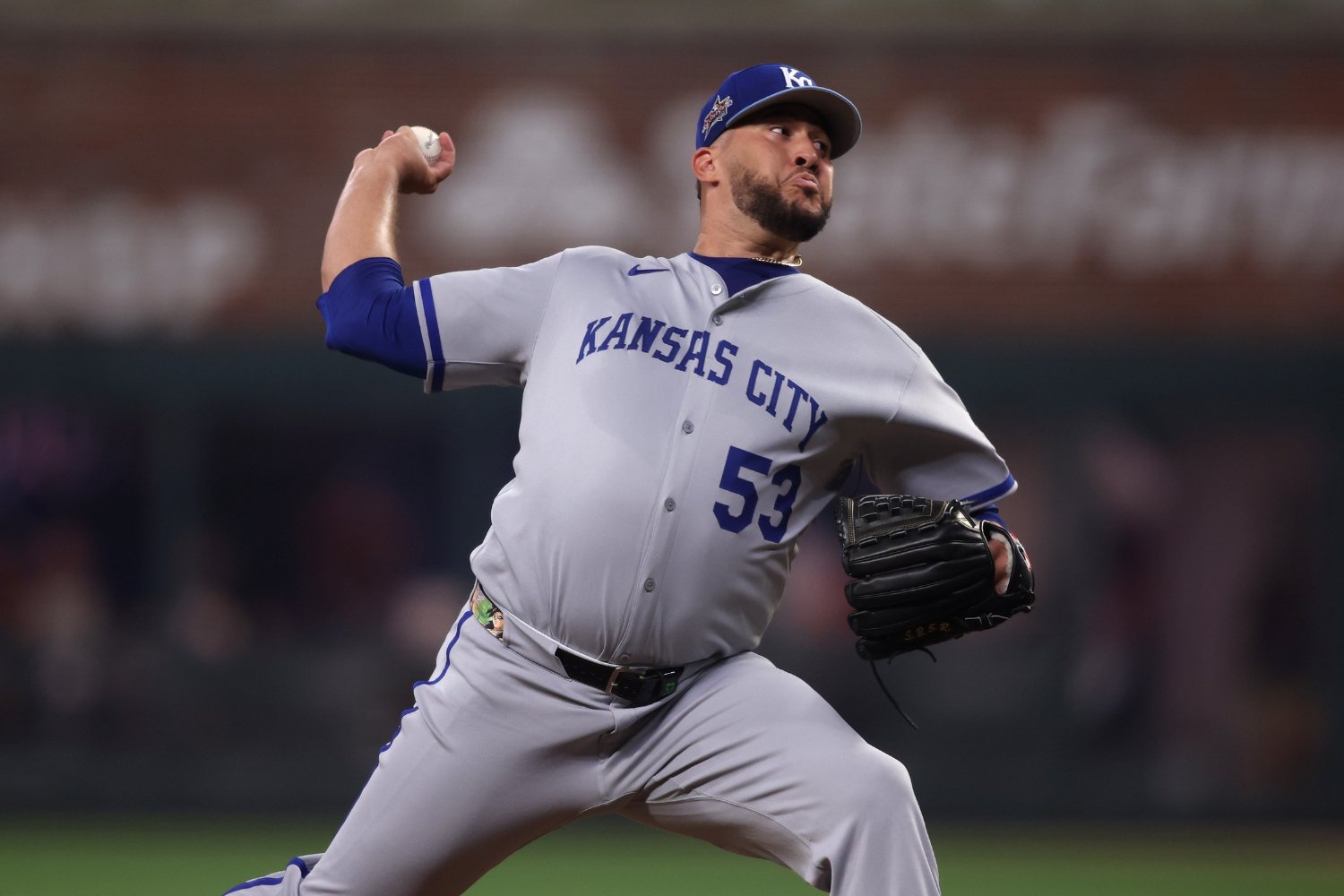 The Kansas City Royals have finished their Spring Training season, which concluded with a two-game set in Arlington against the Texas Rangers. The Royals went 9-21, which was the worst record in the Cactus League. However, as Royals Review mentioned today, poor performance in Spring Training doesn't always correlate to regular-season futility. Despite the poor results in Arizona (mostly due to many key Royals players participating in the World Baseball Classic), Kansas City is looking to improve on its 82-80 record from a season ago. A key to that will be the bullpen, which ranked 7th in reliever ERA last season. Carlos Estevez, acquired in free agency, was key to that bullpen's overall success in 2025. In 67 outings and 66 IP, he posted a 2.45 ERA, 1.06 WHIP, and saved 42 games. Those stellar metrics helped him earn a spot on the American League All-Star roster. Additionally, Estevez was the first Royals closer to lead the league in saves since Dan Quisenberry. Thus, the Dominican-born righty became a fan favorite in Kansas City due to his late-inning prowess and end-of-game celebration (which was a hat tip to Dragon Ball Z). Unfortunately, it has not been a rosy spring for Estevez in his second season in Kansas City. In five outings and innings pitched, he posted a 7.20 ERA, 1.80 WHIP, and 12.70 FIP. He also had a -4.0% K-BB%, a 30% HR/FB rate, and a mere 49% strike rate. Safe to say, even for a veteran pitcher, who is "ramping up" this spring, the results were especially poor and have gotten the attention of worried Royals fans. Thus, let's dive deeper into what Estevez has produced this spring, and why the Royals may need to brace for some serious regression from their 33-year-old closer in 2026. The TJ Stuff+ Metrics Have Been Brutal for Estevez This Spring When it comes to evaluating pitchers in the spring, looking at pure results can be misleading at times. Often, pitchers toy with different grips or pitch mixes to prepare for the upcoming season. They do this because Spring Training results matter a whole lot less to the club than regular-season ones. As a result, they try these changes in a relatively pressure-free environment. However, one constant that can give fans an idea of how a spring went for a pitcher is their velocity and "stuff". When using TJ Stuff+, TJ Stats' pitch modeling metric, Estevez fared pretty poorly this spring, as illustrated in his TJ Stats summary below. Overall, Estevez posted a TJ Stuff+ of 92, which is eight points below average. His four-seamer, which he threw the most at 49.6%, had an 89 TJ Stuff+, which is alarming. Furthermore, his slider and changeup didn't fare much better in TJ Stuff+, with marks of 95 and 94. The highest grade he had of his three pitches this spring was his changeup, which had a 46 grade (his four-seamer and slider had 37 and 33 grades, respectively). For context, here's a glance at his TJ Stats summary last season. Estevez's four-seamer was 15 points higher in TJ Stuff+, and his overall TJ Stuff+ was 11 points higher. His slider had a 107 TJ Stuff+, which was 12 points higher than his mark this spring. There wasn't much difference between last year's changeup and this spring's. His changeup had a 95 TJ Stuff+ a season ago, only one point better than his changeup TJ Stuff+ in Spring Training. A big factor in this TJ Stuff+ difference is velocity. His four-seamer last year averaged 95.9 MPH. This spring? It averaged 89 MPH. The slider averaged 87.4 MPH last year, but only 81 MPH this spring. Lastly, the changeup averaged 87.9 MPH last season and only 82 MPH this season. Basically, he's seen a 5-6 MPH decline in all of his pitches, a huge red flag. A couple of MPH difference? Okay, maybe he's still getting ramped up. However, those bigger MPH differences signify either a lingering injury or that the stuff just isn't there. Some have pointed out that this is "normal" for Estevez and that he has traditionally shown these kinds of velocity issues as he ramps up and prepares for the regular season. However, his TJ Stuff+ and velocity last spring, while down, weren't as alarming as what we have seen this spring. Below is his TJ Stats summary for 2025. His overall TJ Stuff+ was 98, with his four-seamer having a 95 mark, his slider having a 104 mark, and his changeup having a 99 mark. Those are all considerably better than what Estevez demonstrated stuff-wise this spring. Furthermore, Estevez's four-seamer velocity was four MPH higher, his slider was 4.9 MPH higher, and his changeup was 1.5 MPH higher. Even though his pitch TJ Stuff+ and velocity were down last spring, they were at reasonable levels where a bounceback was feasible. In terms of TJ Stuff+ and pitch velocity, unfortunately, Estevez hasn't demonstrated that same promise this spring. What Has Contributed to Estevez's Stuff and Velocity Issues? I wanted to see, in his last outing of the spring against the Rangers, if the TJ Stuff+ or velocity would look any better than what we saw in Arizona or at the World Baseball Classic. However, it was more of the same in those two areas, though Estevez did a good job generating whiffs against Texas. Now, the TJ Stuff+ was two points better than his Spring Training average, which was encouraging. However, the velocity was pretty much the same on the pitch (89.3 MPH), and the TJ Stuff+ wasn't that much better on the slider or changeup. Overall, Estevez posted a 92 TJ Stuff+, which matched his overall TJ Stuff+ this spring. In terms of velocity in his last outing, his pitch velocity chart showed him sitting around 89-90 MPH, with him topping out around 91 MPH by the end of his outing, as illustrated below. For a power pitcher who relies on his four-seamer, that kind of middling velocity is concerning. It becomes even more maddening when compared to his pitch velocity chart from Opening Day a year ago. Last year, his four-seamer sat in the mid-90s. And that was DOWN from what fans were expecting, mostly due to Estevez overcoming some nagging injuries in the spring. He saw an uptick later in the year, once he was fully recovered. Which makes one wonder: Is Estevez dealing with a lingering injury that is causing this velocity problem? If so, the Royals have kept a lid on it. To be fair, that has been a trademark of the Royals since JJ Picollo and Matt Quatraro took over as general manager and manager, respectively. They have often shared little detail about injuries, keeping the media and fans in the dark until the last possible moment. A key example of this is Michael Massey, whose Opening Day status remains in flux even though he's been out of commission with a calf injury sustained a couple of weeks ago. Is it possible that Estevez is dealing with something that's affecting his velocity and stuff? It's hard to imagine that he's seen such a dramatic drop from last year to this spring due to "age" or "not being warmed up." While regression was to be expected for Estevez this year, this kind of stuff and velocity decline feels like a massive anomaly. The Royals will need to finalize their roster by Wednesday. Thus, one has to wonder if Estevez may be put on the IL to deal with whatever is affecting his velocity. What Do the Royals Do With Estevez? If Estevez is dealing with an injury, even a minor one, he will likely be put on the 15-Day IL. The Royals can't afford to give away losses, especially in a division that will remain competitive, especially in the wake of the Detroit Tigers adding their top prospect to the Opening Day roster. Thankfully, the Royals have reinforcements in the bullpen to handle a short Estevez stay on the IL. After all, Picollo made adding to the bullpen a priority this offseason, which made sense when looking at Estevez's Statcast percentiles from a year ago. While he was effective, many of his lackluster Statcast percentiles suggested he also benefited from some luck a season ago. His .330 xwOBA last year, especially given his .254 actual wOBA, is a sign that he was due for regression in 2026. Thus, Picollo was wise to add to the bullpen this offseason with Alex Lange and Matt Strahm, both of whom have closing experience. They also have Lucas Erceg, who closed games in 2024 and returns for his third season with the Royals. (Spoiler alert: In my Bold Predictions piece, I predicted that Erceg would have more saves than Estevez.) Another one who could contribute in Estevez's possible absence is Eli Morgan, who's had a fantastic spring as a non-roster invitee. In nine outings and 10.1 IP, the former Guardians setup man is posting a 0.87 ERA, 1.06 WHIP, 1.94 FIP, 29.3% K%, and 19.5% K-BB%. While the fastball velocity isn't great, and he doesn't generate as many groundballs as one would hope for a pitcher with his stuff profile, he pretty much exceeded in every other area this spring with the Royals, as illustrated below. Morgan has earned a spot on the Opening Day roster, and he would be a nice fill-in for Estevez as he recovers on the IL. Furthermore, when Estevez is ready to return, the Royals can send Morgan to the Minor Leagues because he still has a Minor League option remaining. If they do not add him to the 40-man roster on Wednesday, he could opt to become a free agent and could sign with another team. After his stellar spring, a team likely would take a waiver on Morgan. Starting Estevez on the IL wouldn't be the start the Royals expected back when pitchers and catchers reported in February. However, the Royals' bullpen has the depth to absorb this loss for now, especially with Erceg, Strahm, and Lange all capable of handling spot duties in the ninth inning. Furthermore, resting Estevez for a little bit also gives an opportunity to Morgan, who could be a sleeper reliever for this Royals bullpen in 2026.
.png.42d6a07b48037883735fa83e798bf822.png)
.png.d8d359867675f99ab245b13e2af5fa62.png)
.png.0cb9b3b8b88a7bac21aa26208a0628a2.png)
.png.10edfaed137715bd41b0e9f5e15f2f69.png)
.png.ab0faece0208b8181b254a24d747c79a.png)

.png.6eba9c5a5aed7ca5a0743fa3abf6120e.png)
