


talking_Royals
-
Posts
5 -
Joined
-
Last visited
Content Type
Profiles
Forums
Blogs
Events
News
2026 Kansas City Royals Top Prospects Ranking
Kansas City Royals Videos
Kansas City Royals Free Agent & Trade Rumors, Notes, & Tidbits
Guides & Resources
The Kansas City Royals Players Project
2026 Kansas City Royals Draft Tracker: Picks & Bonuses
Store
Downloads
Gallery
Everything posted by talking_Royals
-
 Image courtesy of © Mark J. Rebilas-Imagn Images / © Jay Biggerstaff-Imagn Images To talk about Michael Massey’s trajectory over the past few years requires us to look for a moment at the story we’ve been telling about Jonathan India. The Jonathan India for Brady Singer trade in November 2024 was made to fill a very specific need: The Royals, at the time, were desperate for a leadoff hitter. In a 2024 when many things went right, the leadoff spot included a rotating cast of characters with below-average cumulative production. They tried Maikel Garcia, Garrett Hampson, Massey, Nick Loftin, and Tommy Pham there. They even slotted Freddy Fermin into leadoff for a couple of games. While the 2025 rallying cry for improvement was “No offense from our outfield! No offense from our outfield,” the 2024 cry was frequently “No offense leading off!” The slashline for the leadoff spot was .228/.270/.334 in 2024 and ranked dead-last across MLB in OBP. So, coming off a 2024 season when starting pitching was a bright spot, the Royals dealt a homegrown starting pitcher in Singer to bring in a leadoff hitter in India. Defensively? Kansas City didn’t need a second baseman; they needed a leadoff hitter. And the philosophy on defensive positioning was, “We’ll try guys in different spots. We’ll figure it out.” And as we all know now, the 2025 season chugged along, and Jonathan India didn’t shine on either offense or defense. He wasn’t the leadoff hitter fans hoped to see, and he wasn’t even leading off anymore by the end of the season. He hit a career-low .233/.323/.346. But one thing that stands out about this entire scenario is how much grace India was granted following a poor season. Everyone was quick to offer excuses for why he didn’t have a great first year as a Royal: He was joining a new team, he was learning new positions as the club tried him out at third base and in left field, and he was dealing with a host of minor injuries. He was out of sync. He wasn’t himself. He didn’t have the stability he needed. That was the narrative. The thinking to start 2026 was that with the stability of moving back consistently to second base, he’d find himself again. What’s so interesting about this story we’ve told about Jonathan India is that it feels very different from the story we’ve told about Michael Massey, even though, I’d argue, their circumstances aren’t all that dissimilar. Massey had a good 2024. Yes, he was out quite a bit with injuries. And, yes, one of those was his recurring lower back injury that might flare up again at any moment. But in a year when the Royals made the playoffs, Massey was a solid member of the team when healthy, offensively and defensively. Across 100 games, he accumulated 1.5 fWAR, was an above-average fielder, and slashed .259/.449/.743 with an OPS+ of 108. It was only because the front office brought India into the fold that Massey’s role on the team went through a big shake-up. While trying the new “leadoff hitter” in various spots on the field, Massey too was moved around between second, left field, and the bench. And then? He didn’t have a great year. He didn’t contribute nearly as much as he did in 2024. And the narrative seemed to be: Massey’s just not very good. But one thing I haven’t been able to shake in watching this play out and reading/hearing about Massey’s role is that no one seems to grant him the same grace as India. But let’s think about what really happened: Just like India, Massey was asked to learn new positions. He was, by some accounts, demoted away from his natural position at second to make way for a new guy, and that was after he’d had a good year. He was thrown out of sync, too, and essentially lost his job as the everyday second baseman. What I want to argue here is that perhaps India has been extended a little too much grace for his lackluster performance and that Massey hasn’t been given enough. Had India never entered the picture, what might Massey have done as the everyday second baseman last year? We’ll never know. But the moment we find ourselves in presently is that India is dealing with another minor injury, we have a very solid leadoff man now in Garcia, following his breakout season last year, and Massey is, at least for now, the everyday starting second baseman once again. As has been widely reported, he worked a lot on his swing mechanics in the offseason. (I’d posit he was working on his confidence as much as his swing.) He’s a thoughtful player who seems grounded and ready to go. And he’s showing flashes of what made him good in the past. As Mike Gillespie wrote about earlier this week, it’s Massey’s time to seize the moment. Plus, India becomes a free agent after the 2026 season, while Massey is under team control through 2028. I hope he sticks as the everyday guy at second. Just like everyone said to start this year — that India just needs that consistent stability of his natural position to turn things on — maybe that’s what Massey needs, too. That, and a little grace. View full article
 -
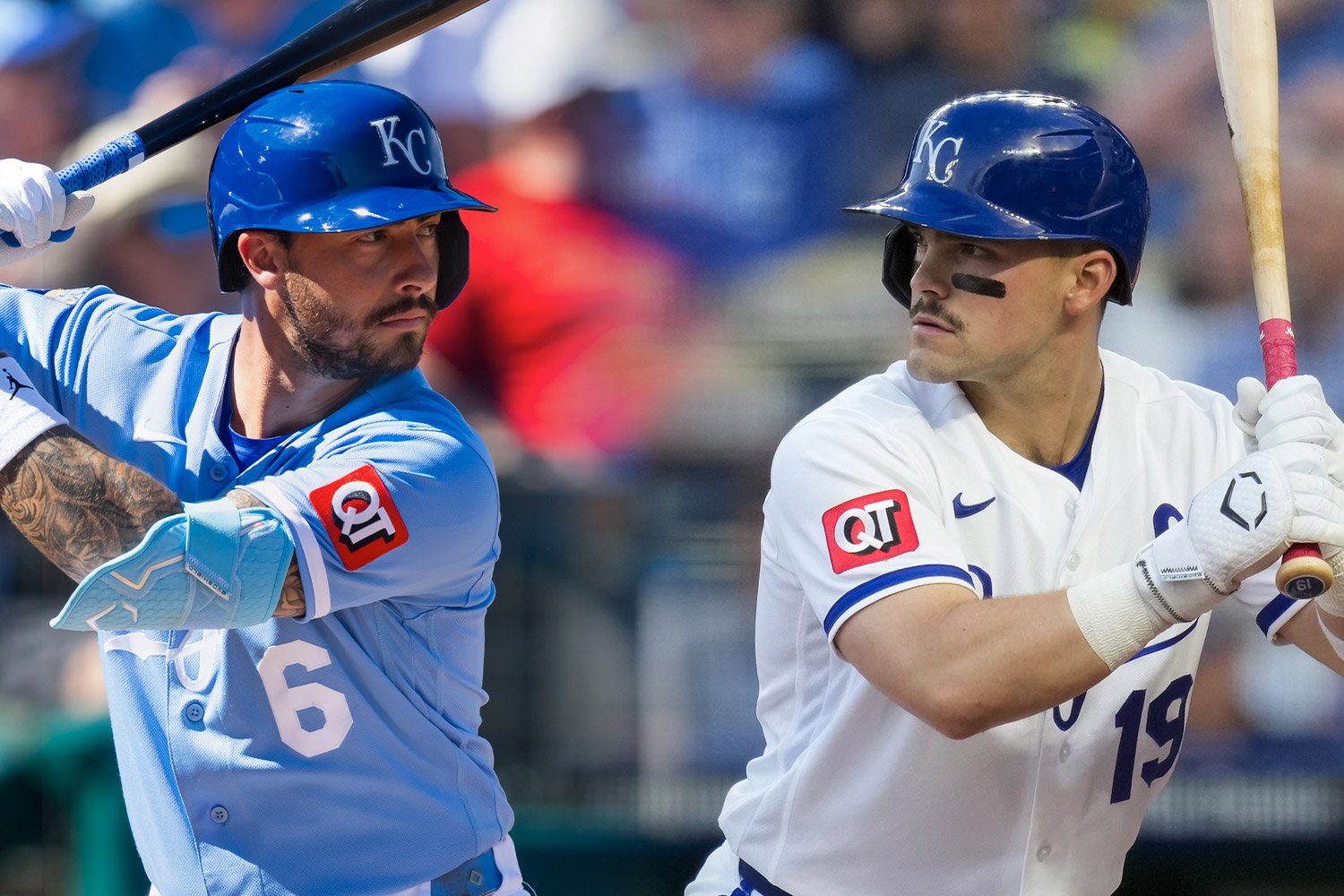 To talk about Michael Massey’s trajectory over the past few years requires us to look for a moment at the story we’ve been telling about Jonathan India. The Jonathan India for Brady Singer trade in November 2024 was made to fill a very specific need: The Royals, at the time, were desperate for a leadoff hitter. In a 2024 when many things went right, the leadoff spot included a rotating cast of characters with below-average cumulative production. They tried Maikel Garcia, Garrett Hampson, Massey, Nick Loftin, and Tommy Pham there. They even slotted Freddy Fermin into leadoff for a couple of games. While the 2025 rallying cry for improvement was “No offense from our outfield! No offense from our outfield,” the 2024 cry was frequently “No offense leading off!” The slashline for the leadoff spot was .228/.270/.334 in 2024 and ranked dead-last across MLB in OBP. So, coming off a 2024 season when starting pitching was a bright spot, the Royals dealt a homegrown starting pitcher in Singer to bring in a leadoff hitter in India. Defensively? Kansas City didn’t need a second baseman; they needed a leadoff hitter. And the philosophy on defensive positioning was, “We’ll try guys in different spots. We’ll figure it out.” And as we all know now, the 2025 season chugged along, and Jonathan India didn’t shine on either offense or defense. He wasn’t the leadoff hitter fans hoped to see, and he wasn’t even leading off anymore by the end of the season. He hit a career-low .233/.323/.346. But one thing that stands out about this entire scenario is how much grace India was granted following a poor season. Everyone was quick to offer excuses for why he didn’t have a great first year as a Royal: He was joining a new team, he was learning new positions as the club tried him out at third base and in left field, and he was dealing with a host of minor injuries. He was out of sync. He wasn’t himself. He didn’t have the stability he needed. That was the narrative. The thinking to start 2026 was that with the stability of moving back consistently to second base, he’d find himself again. What’s so interesting about this story we’ve told about Jonathan India is that it feels very different from the story we’ve told about Michael Massey, even though, I’d argue, their circumstances aren’t all that dissimilar. Massey had a good 2024. Yes, he was out quite a bit with injuries. And, yes, one of those was his recurring lower back injury that might flare up again at any moment. But in a year when the Royals made the playoffs, Massey was a solid member of the team when healthy, offensively and defensively. Across 100 games, he accumulated 1.5 fWAR, was an above-average fielder, and slashed .259/.449/.743 with an OPS+ of 108. It was only because the front office brought India into the fold that Massey’s role on the team went through a big shake-up. While trying the new “leadoff hitter” in various spots on the field, Massey too was moved around between second, left field, and the bench. And then? He didn’t have a great year. He didn’t contribute nearly as much as he did in 2024. And the narrative seemed to be: Massey’s just not very good. But one thing I haven’t been able to shake in watching this play out and reading/hearing about Massey’s role is that no one seems to grant him the same grace as India. But let’s think about what really happened: Just like India, Massey was asked to learn new positions. He was, by some accounts, demoted away from his natural position at second to make way for a new guy, and that was after he’d had a good year. He was thrown out of sync, too, and essentially lost his job as the everyday second baseman. What I want to argue here is that perhaps India has been extended a little too much grace for his lackluster performance and that Massey hasn’t been given enough. Had India never entered the picture, what might Massey have done as the everyday second baseman last year? We’ll never know. But the moment we find ourselves in presently is that India is dealing with another minor injury, we have a very solid leadoff man now in Garcia, following his breakout season last year, and Massey is, at least for now, the everyday starting second baseman once again. As has been widely reported, he worked a lot on his swing mechanics in the offseason. (I’d posit he was working on his confidence as much as his swing.) He’s a thoughtful player who seems grounded and ready to go. And he’s showing flashes of what made him good in the past. As Mike Gillespie wrote about earlier this week, it’s Massey’s time to seize the moment. Plus, India becomes a free agent after the 2026 season, while Massey is under team control through 2028. I hope he sticks as the everyday guy at second. Just like everyone said to start this year — that India just needs that consistent stability of his natural position to turn things on — maybe that’s what Massey needs, too. That, and a little grace.
 -
Excited to see so many Royals repping in the WBC. I keep wondering about the pros and cons of Cags participating. On the one hand, is it a downside for him to miss part of spring training with the team? Which means missing some days with the new hitting coaches, missing some days gelling with the other new outfielders, etc. But on the other hand, maybe the fun, new setting allows him to loosen up a bit? Kind of a fresh start to the season in a totally new context might be great for him.
- 2 replies
-
- 1
-

-
- bobby witt jr
- salvador perez
- (and 5 more)
-
Image courtesy of © Benny Sieu-Imagn Images Nick Mears describes himself as a calm guy who, off the field, loves the peace and quiet of nature and rural areas. But in contrast, he admits — and former teammates confirm — that he’s incredibly intense when he takes the mound. As is true for many players, his path to the majors was full of challenges. Mears pitched for Rocklin High School near Sacramento. He blew out his elbow in his senior year of high school, but, not wanting to miss this special year in any young player’s trajectory, he played through it without an intact ligament, still throwing 92. He went on to have Tommy John surgery after high school, gray-shirting in his first year at Sacramento City College to rehab. He missed his second year of college due to injury as well, this time involving an off-field dirt bike accident that snapped his collarbone in half. Mears had mixed success in his final years of college, but, after an impressive stint with Minnesota’s Northwoods League, he had his eye on getting drafted. In his final college year, his effectiveness increased, as did attention from pro scouts. Then, in a span of a few months, life hit him hard: a grandfather-like figure passed away, his uncle took his own life, another grandpa passed away, and a former teammate committed suicide. In speaking candidly about this series of losses in interviews, Mears describes not being able to handle all of it at once. He tried to suppress the feelings, but says those feelings were eating him up from the inside. His life was slowly falling apart, and he felt depressed. His coaches, seeing him struggle, called his parents without Mears' knowledge and brought everyone together for a meeting. They told him they loved him and knew he could still contribute to the team, but suggested it might be best for him personally to take some time away from baseball. Because baseball was such a core part of his identity, Mears felt somewhat thrown that stepping away from the sport was even an option. This was a pivotal learning experience, and Mears credits his coaches for having his back and helping him see how important it was to take care of his well-being off the field. He did take some time away from baseball, but found his way back via a second successful stretch in the Northwoods League. This led to offers from a handful of MLB teams, and the right-handed reliever eventually signed with the Pirates as an undrafted minor-league free agent in August of 2018. Mears came up through the Pirates organization relatively quickly, making his big league debut in August of 2020. After appearing in 36 games across the 2020-22 seasons, he was designated for assignment and picked up by the Rockies. He started the 2023 season in Triple A, but was called up again in April. He bounced back and forth between Triple A and the big league club all year, in part because of two stints on the IL and associated rehab assignments thanks to a nagging left oblique strain. All told, he pitched in 57 big league games for the Rockies before they traded him to the Brewers at the 2024 trade deadline. It was in the full 2025 season with the Brewers, an exciting crew that had the winningest regular season in baseball that year, that Mears really seemed to find his stride. Relying mostly on his fastball and slider combo, with an occasional curve thrown in, he posted a 3.49 ERA, 0.97 WHIP, and 14.9 K-BB% — the best marks of his career so far — across 63 appearances. He also garnered an elite chase rate that ranked in the 93rd percentile across MLB. This success was part of what made him an enticing trade piece. He was traded, along with Isaac Collins, to the Royals in December 2025, so he’s about to settle in with his fourth MLB organization in his career. Mears has spoken openly about the ups and downs of his career and how important it is to keep the mental side of the game healthy. For him, that starts with setting very lofty but attainable goals, maintaining his high work ethic, and also seeing himself as a whole person first and as a baseball player as just one part of his identity. He also says the key is to go back out each night with an edge, even if you got your teeth kicked in the night before. Mears says some of the players he has the most respect for in baseball are the guys grinding for years in the minors who still have an extraordinary work ethic and who are still chasing their dreams. It’s this resiliency, this day in and day out grind, that is an essential ingredient of a baseball player. As he begins 2026 with the Royals at 29 years old, he’ll be heading into his seventh season in the big leagues (even though many of those years have included bounces back and forth to the minors). According to MLB Royals beat reporter Anne Rogers, the Royals have had interest in Mears going back to 2023 during his time with the Rockies, and the organization anticipates him pitching mid- to high-leverage innings out of the pen. He’ll be arb-eligible and under team control through the 2027 season, and he has no options remaining. So, how does Mears come into a new season? What’s his mindset? Two years ago in February, as he was about to start a season with the Rockies, he spoke on the To the Show podcast about coming in hungry. “It’s easy for me to say, ‘Oh, yeah, I have a job.’ But then, at least for myself, I feel like I get complacent with that, and I want to be hungry. I want to go out there and prove it again, because nothing in this career is guaranteed. There are more guys just like me in the minor leagues who want my job. So in my eyes, I think, I got to come in, I got to prove it again. I want to prove it to not only the coaches and the team, but I want to prove it to myself.” View full article
-
Royals Reliever Nick Mears' Winding, Bumpy Road To The Major Leagues
talking_Royals posted an article in Royals
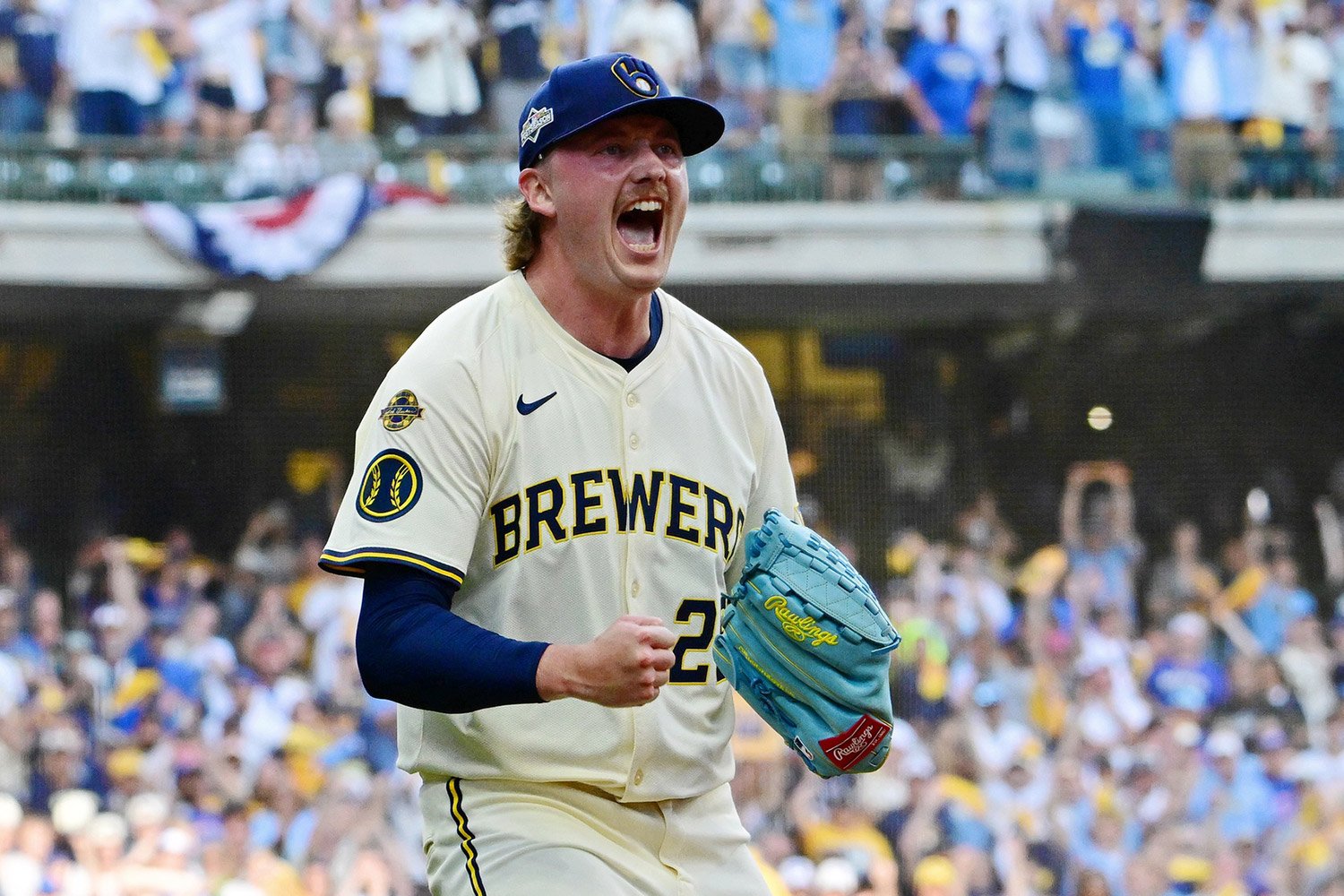 Nick Mears describes himself as a calm guy who, off the field, loves the peace and quiet of nature and rural areas. But in contrast, he admits — and former teammates confirm — that he’s incredibly intense when he takes the mound. As is true for many players, his path to the majors was full of challenges. Mears pitched for Rocklin High School near Sacramento. He blew out his elbow in his senior year of high school, but, not wanting to miss this special year in any young player’s trajectory, he played through it without an intact ligament, still throwing 92. He went on to have Tommy John surgery after high school, gray-shirting in his first year at Sacramento City College to rehab. He missed his second year of college due to injury as well, this time involving an off-field dirt bike accident that snapped his collarbone in half. Mears had mixed success in his final years of college, but, after an impressive stint with Minnesota’s Northwoods League, he had his eye on getting drafted. In his final college year, his effectiveness increased, as did attention from pro scouts. Then, in a span of a few months, life hit him hard: a grandfather-like figure passed away, his uncle took his own life, another grandpa passed away, and a former teammate committed suicide. In speaking candidly about this series of losses in interviews, Mears describes not being able to handle all of it at once. He tried to suppress the feelings, but says those feelings were eating him up from the inside. His life was slowly falling apart, and he felt depressed. His coaches, seeing him struggle, called his parents without Mears' knowledge and brought everyone together for a meeting. They told him they loved him and knew he could still contribute to the team, but suggested it might be best for him personally to take some time away from baseball. Because baseball was such a core part of his identity, Mears felt somewhat thrown that stepping away from the sport was even an option. This was a pivotal learning experience, and Mears credits his coaches for having his back and helping him see how important it was to take care of his well-being off the field. He did take some time away from baseball, but found his way back via a second successful stretch in the Northwoods League. This led to offers from a handful of MLB teams, and the right-handed reliever eventually signed with the Pirates as an undrafted minor-league free agent in August of 2018. Mears came up through the Pirates organization relatively quickly, making his big league debut in August of 2020. After appearing in 36 games across the 2020-22 seasons, he was designated for assignment and picked up by the Rockies. He started the 2023 season in Triple A, but was called up again in April. He bounced back and forth between Triple A and the big league club all year, in part because of two stints on the IL and associated rehab assignments thanks to a nagging left oblique strain. All told, he pitched in 57 big league games for the Rockies before they traded him to the Brewers at the 2024 trade deadline. It was in the full 2025 season with the Brewers, an exciting crew that had the winningest regular season in baseball that year, that Mears really seemed to find his stride. Relying mostly on his fastball and slider combo, with an occasional curve thrown in, he posted a 3.49 ERA, 0.97 WHIP, and 14.9 K-BB% — the best marks of his career so far — across 63 appearances. He also garnered an elite chase rate that ranked in the 93rd percentile across MLB. This success was part of what made him an enticing trade piece. He was traded, along with Isaac Collins, to the Royals in December 2025, so he’s about to settle in with his fourth MLB organization in his career. Mears has spoken openly about the ups and downs of his career and how important it is to keep the mental side of the game healthy. For him, that starts with setting very lofty but attainable goals, maintaining his high work ethic, and also seeing himself as a whole person first and as a baseball player as just one part of his identity. He also says the key is to go back out each night with an edge, even if you got your teeth kicked in the night before. Mears says some of the players he has the most respect for in baseball are the guys grinding for years in the minors who still have an extraordinary work ethic and who are still chasing their dreams. It’s this resiliency, this day in and day out grind, that is an essential ingredient of a baseball player. As he begins 2026 with the Royals at 29 years old, he’ll be heading into his seventh season in the big leagues (even though many of those years have included bounces back and forth to the minors). According to MLB Royals beat reporter Anne Rogers, the Royals have had interest in Mears going back to 2023 during his time with the Rockies, and the organization anticipates him pitching mid- to high-leverage innings out of the pen. He’ll be arb-eligible and under team control through the 2027 season, and he has no options remaining. So, how does Mears come into a new season? What’s his mindset? Two years ago in February, as he was about to start a season with the Rockies, he spoke on the To the Show podcast about coming in hungry. “It’s easy for me to say, ‘Oh, yeah, I have a job.’ But then, at least for myself, I feel like I get complacent with that, and I want to be hungry. I want to go out there and prove it again, because nothing in this career is guaranteed. There are more guys just like me in the minor leagues who want my job. So in my eyes, I think, I got to come in, I got to prove it again. I want to prove it to not only the coaches and the team, but I want to prove it to myself.”

